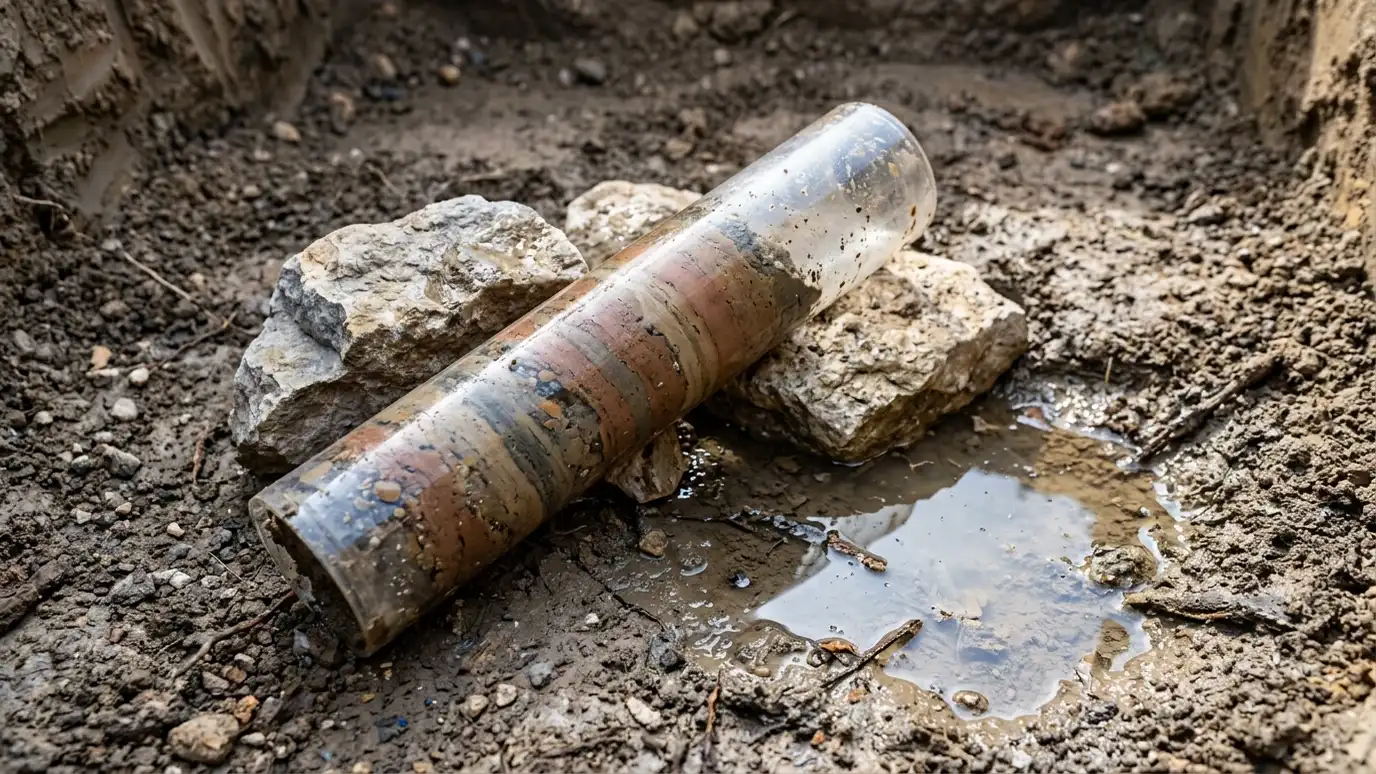
How clay soil, limestone, heavy rain, slopes and old construction send water into Middle Tennessee basements.
Basements leak because water finds a path. In Middle Tennessee, several things work together. Clay soil swells when wet and holds water against walls. Limestone and shallow rock can funnel water along fractures. Heavy spring rains soak the ground quickly. Hillsides send runoff toward houses. Gutters and grading that were fine once may have shifted. Older block and brick foundations have many joints for water to use.
None of these means your house is doomed. Many Nashville basements stay dry for decades, and many that leak do so only after the biggest storms. Knowing the causes helps you pick fixes that match them. Often the least expensive steps, such as clearing gutters and regrading, make the biggest difference, with interior drains and pumps used for what remains.
Swells when wet, holds water and pushes on walls.
Water can move along cracks and joints in shallow rock.
Spring storms saturate the ground quickly.
Runoff from hills and neighbors heads toward the house.
Gutters and downspouts that dump at the wall add to the load.
Block, brick and old joints give water more ways in.
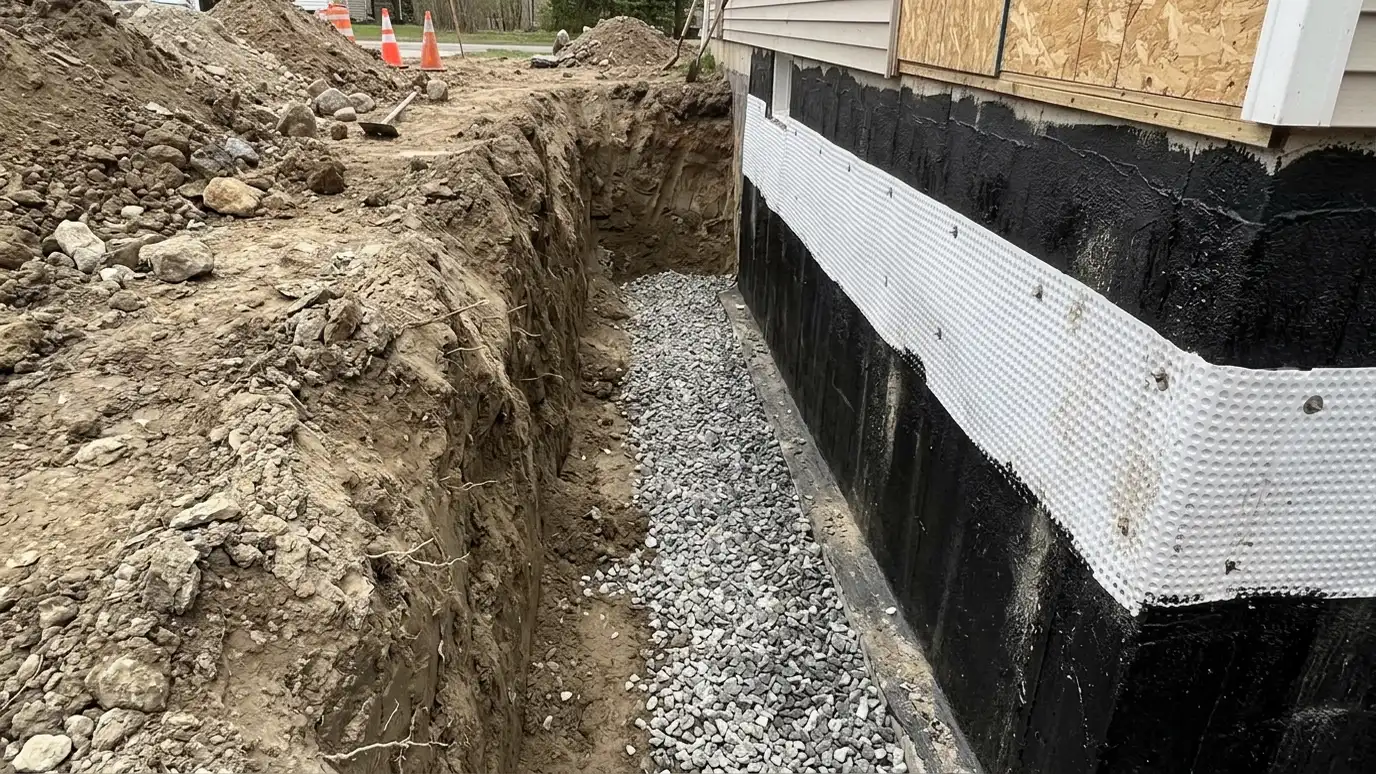 Exterior Basement WaterproofingExterior basement waterproofing that digs down to the foundation, repairs and coats the wall, adds drainage board and…Explore
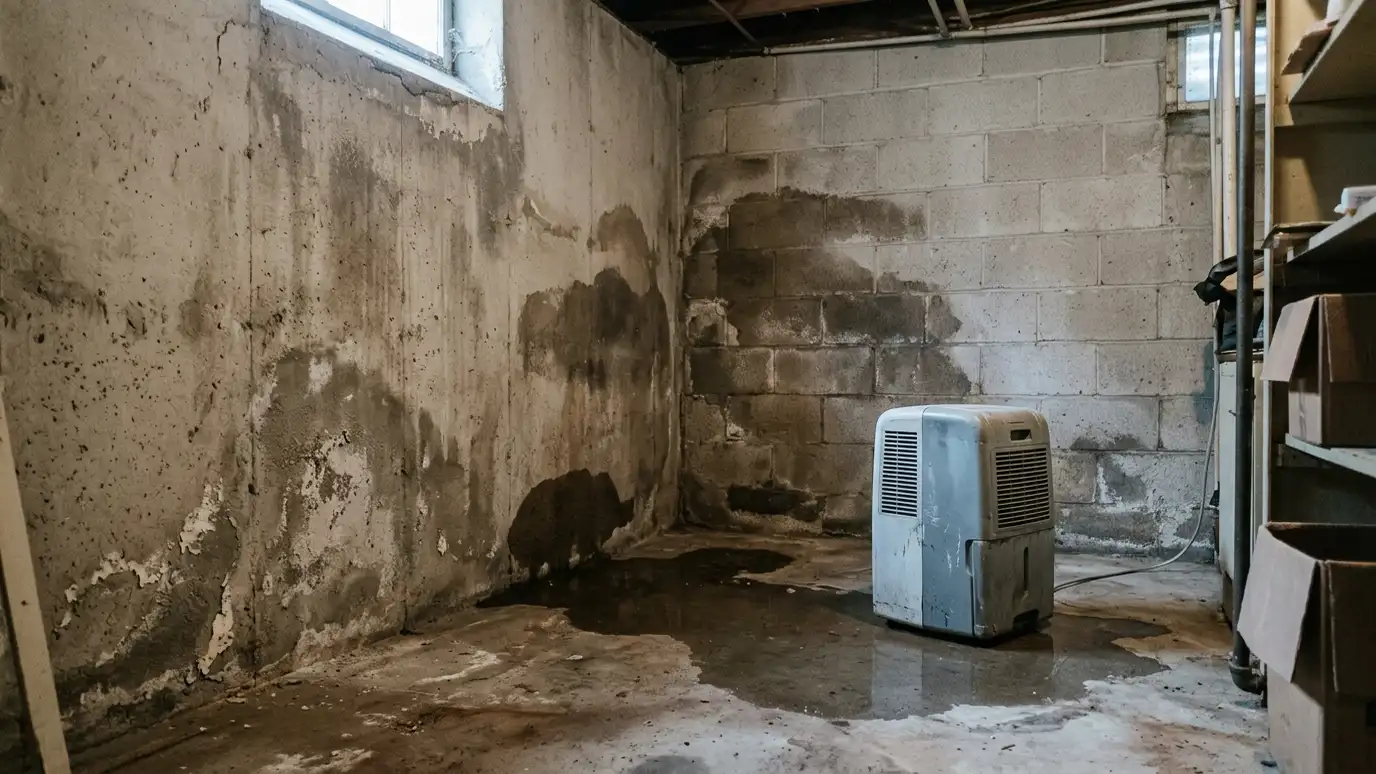 Wet Basement RepairWet basement repair that finds where the water comes from, from wall seepage and floor joint leaks to…Explore
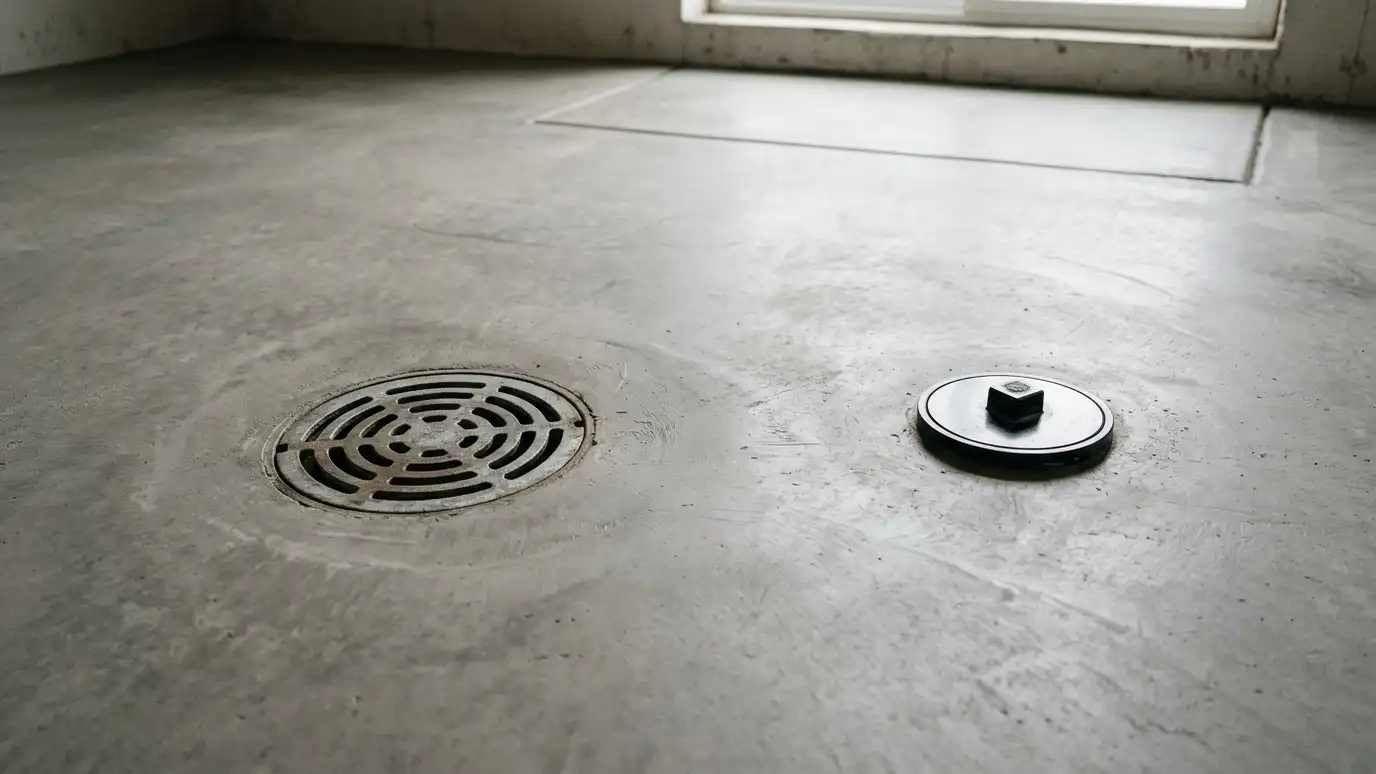 Basement Floor Drain and Backwater ProtectionBasement floor drain and backwater protection with clean-outs, backwater valves and drain checks that keep sewer water and…Explore
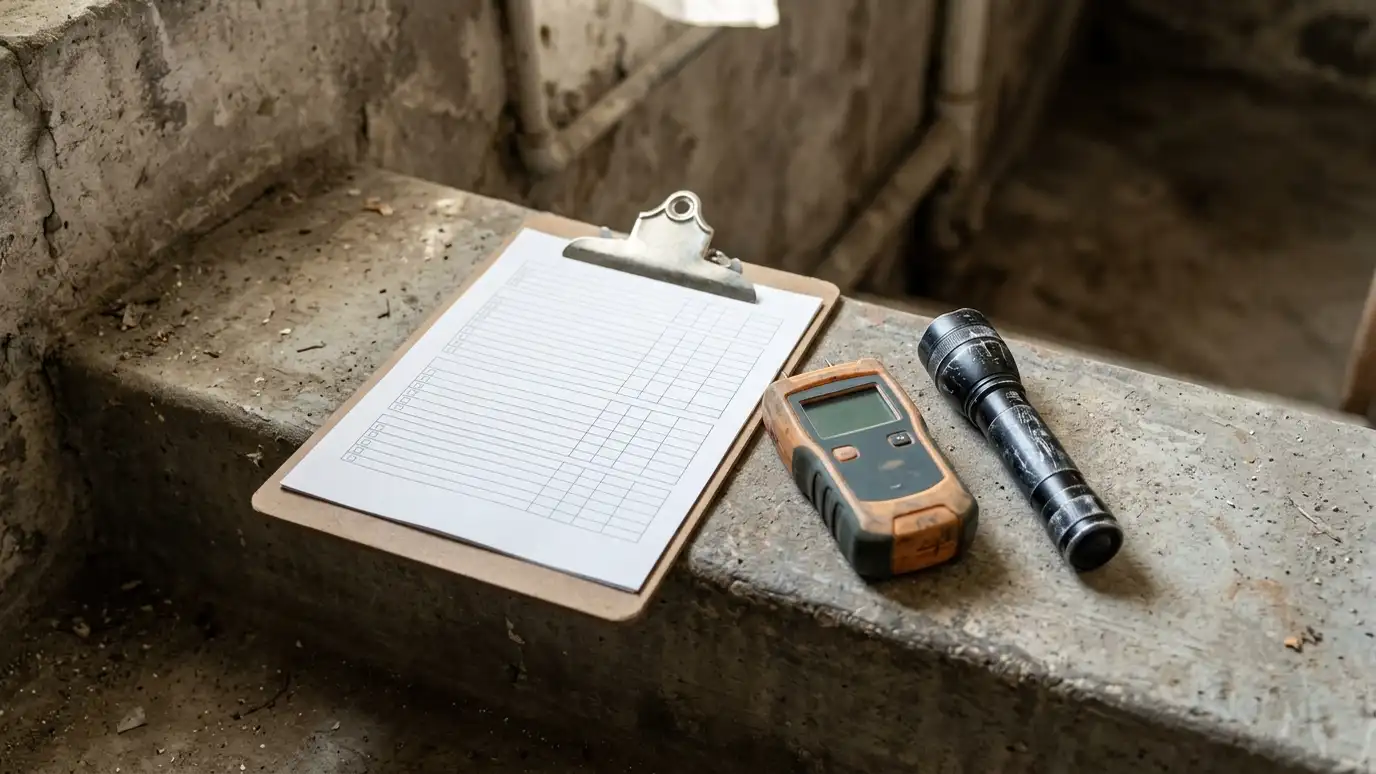 Free Waterproofing InspectionA free waterproofing inspection of your basement, crawl space, foundation and yard drainage, with photos, moisture readings and…Explore
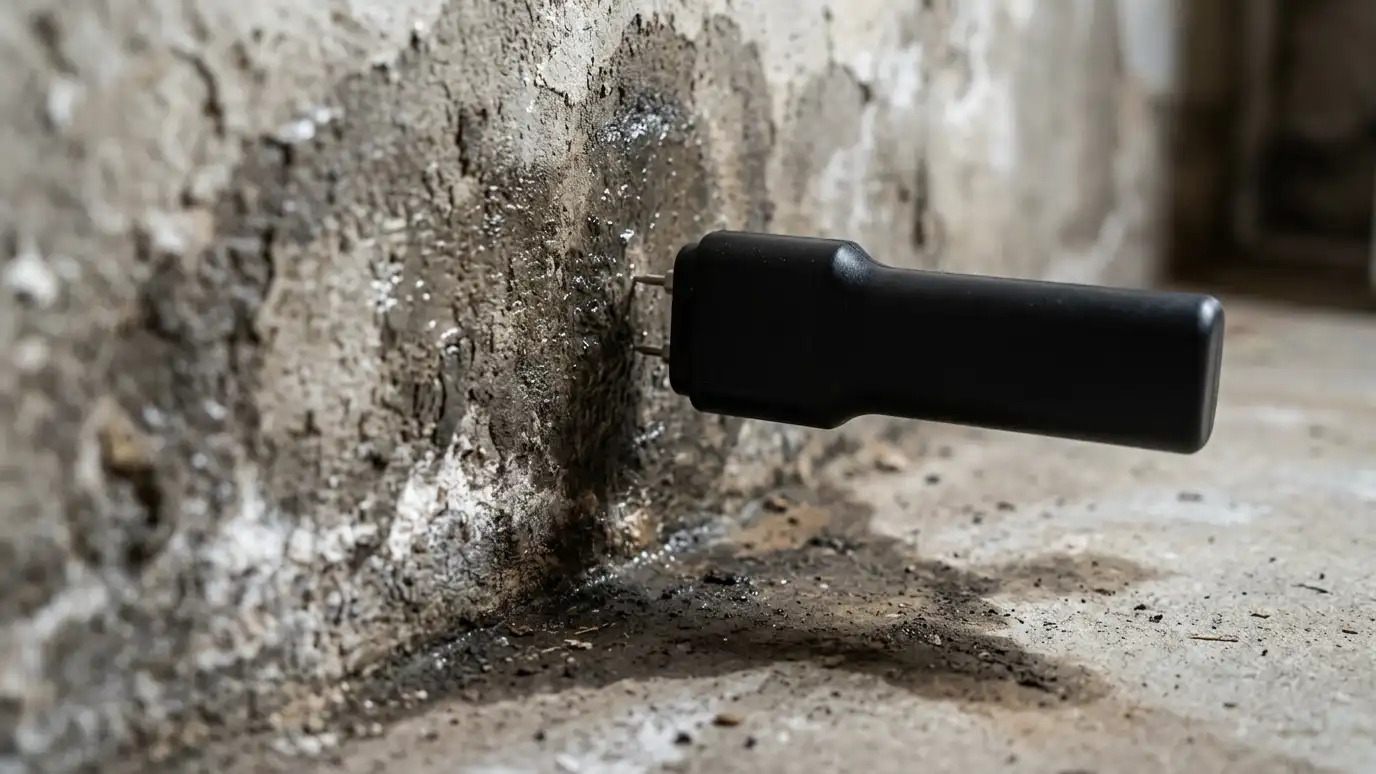 Moisture and Leak DiagnosisMoisture and leak diagnosis that traces damp walls, stains and puddles to their source, using moisture meters, tests…Explore
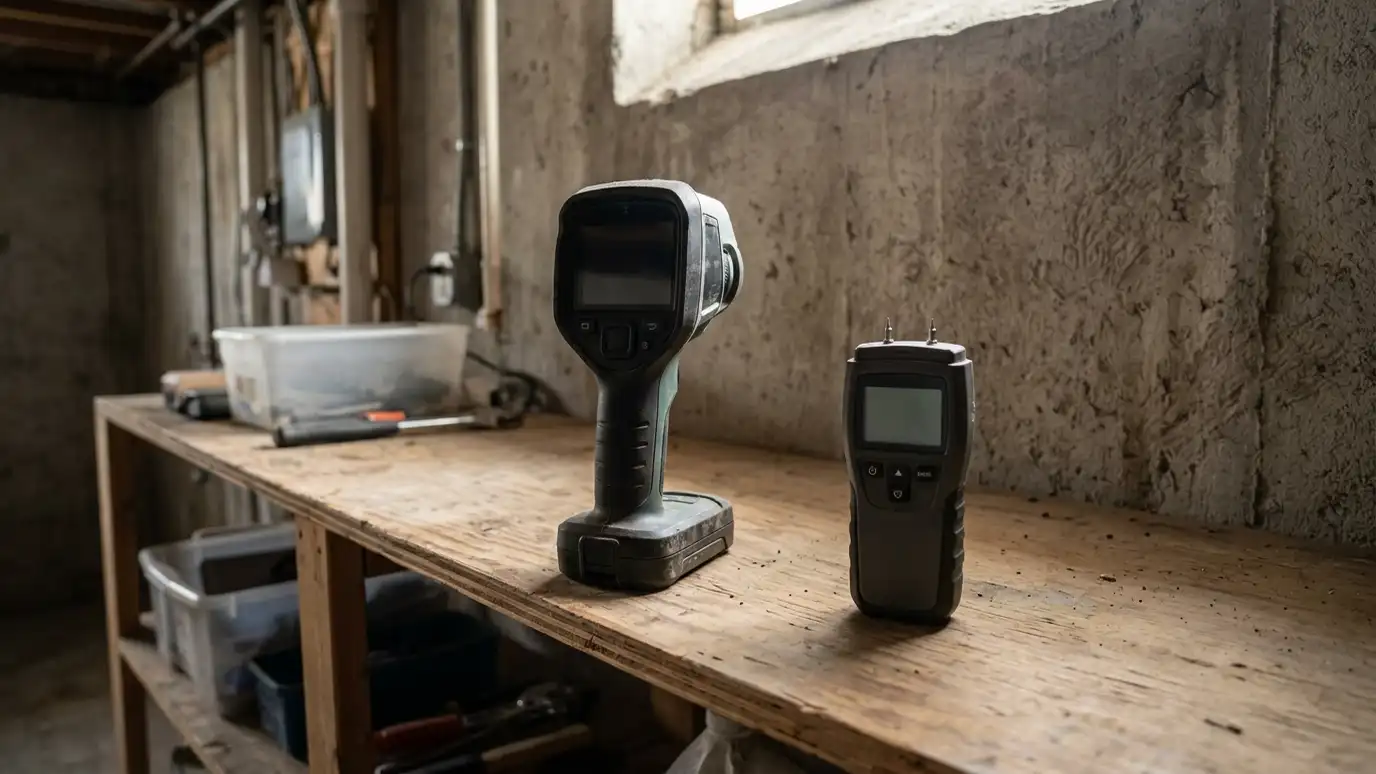 Moisture Meter and Thermal Imaging TestingMoisture meter and thermal imaging testing that shows damp walls, floors and ceilings you cannot see, with readings…Explore
Size a pump, check your home or ballpark a budget.
 Sump Pump and Dehumidifier Sizing CalculatorEnter floor area, lift, pipe run, ceiling height and dampness to see a planning pump flow or dehumidifier capacity for a basement or crawl space.Try it
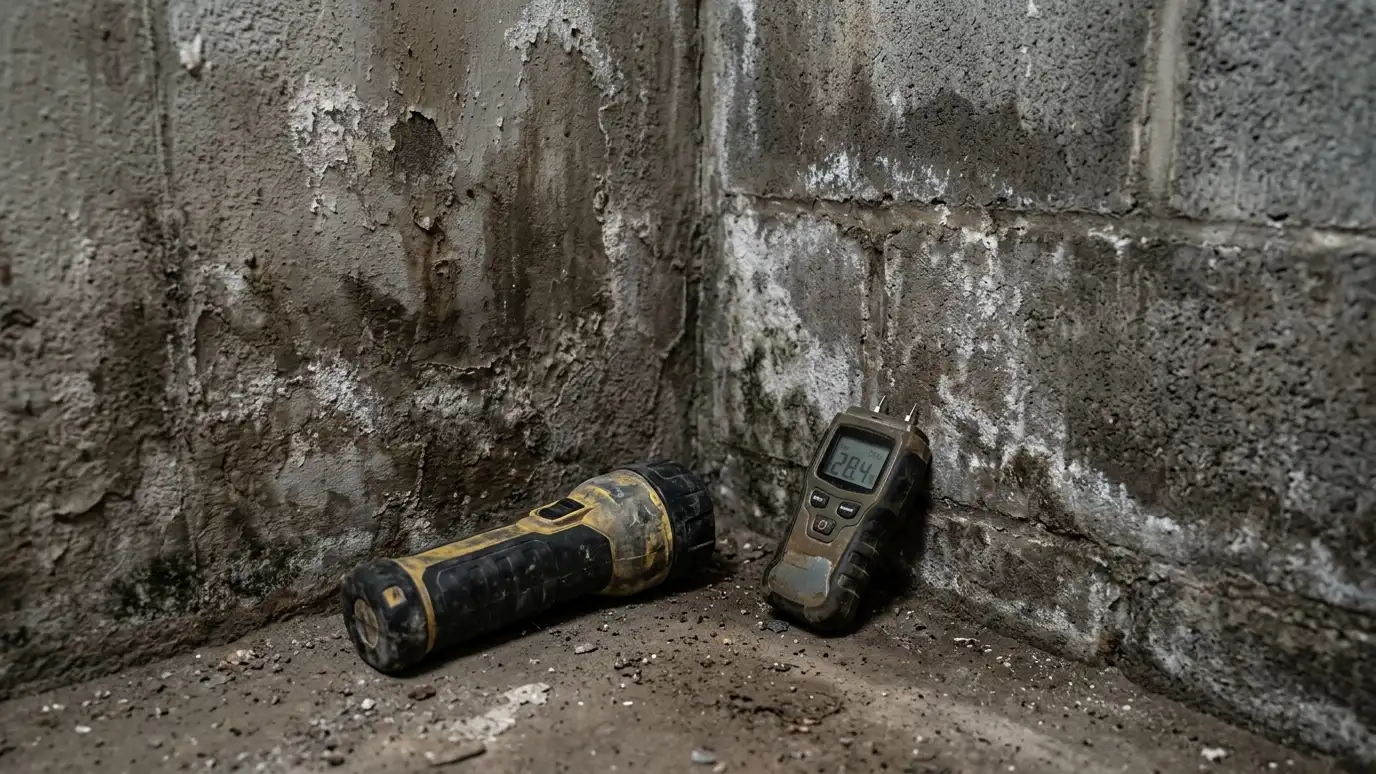 Basement Dryness Checker: How Ready Is Your Home?Pick the area, set the condition and tick what applies to see what to check, service or inspect before the next heavy rain.Try it
 Waterproofing Budget PlannerPick a drain, pump, repair, crawl space or drainage project, set the size and add allowances to see a ballpark planning range. Placeholder values only.Try it
It is common, but not inevitable. Drainage and grading often help a lot.
The ground only saturates and pressure only builds after a lot of rain.
Sometimes, but many leaks are about drainage. A visit shows which.
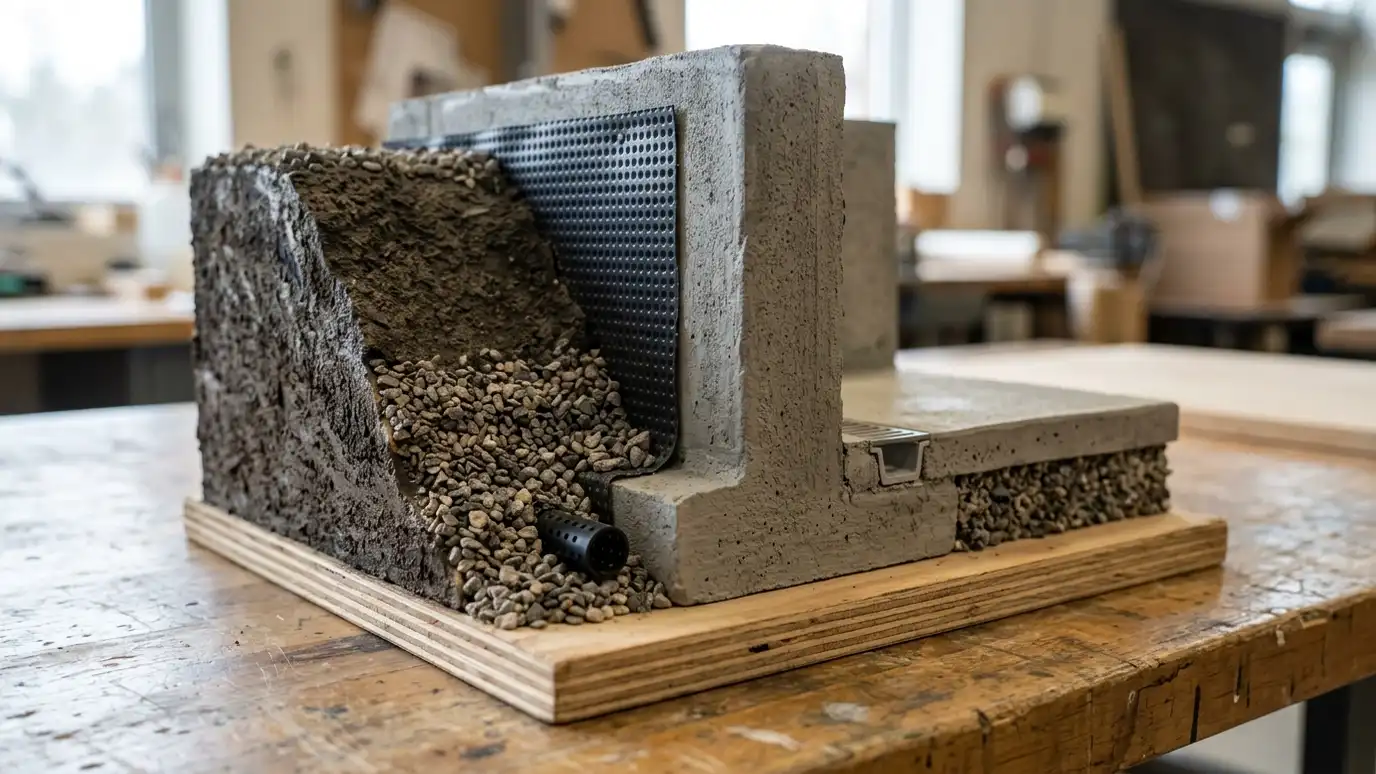 Comparison guideInterior vs ExteriorHow interior drains and exterior membranes differ in where they work, how much digging they need and what…Learn more
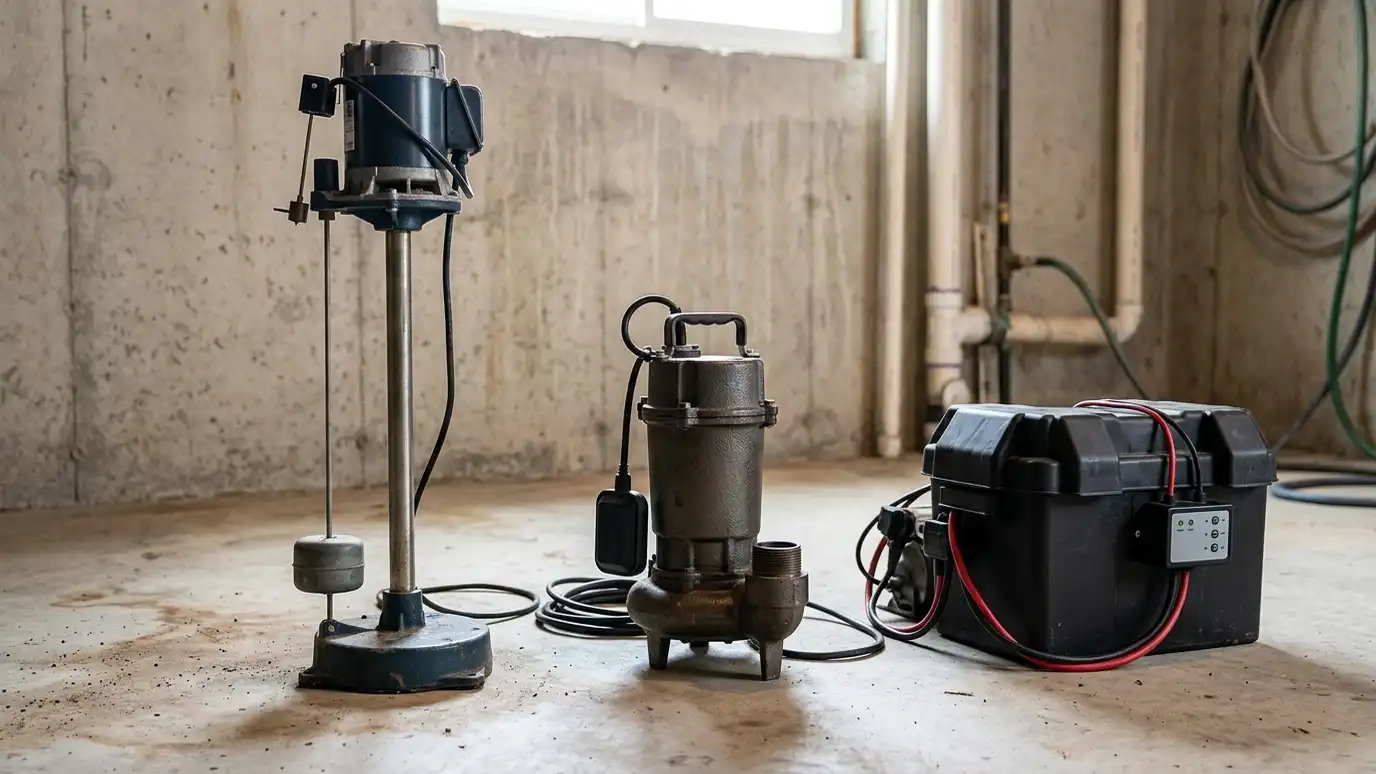 Comparison guideSump Pump TypesHow submersible, pedestal, battery backup and water-powered pumps differ in noise, life, cost to run and what happens…Learn more
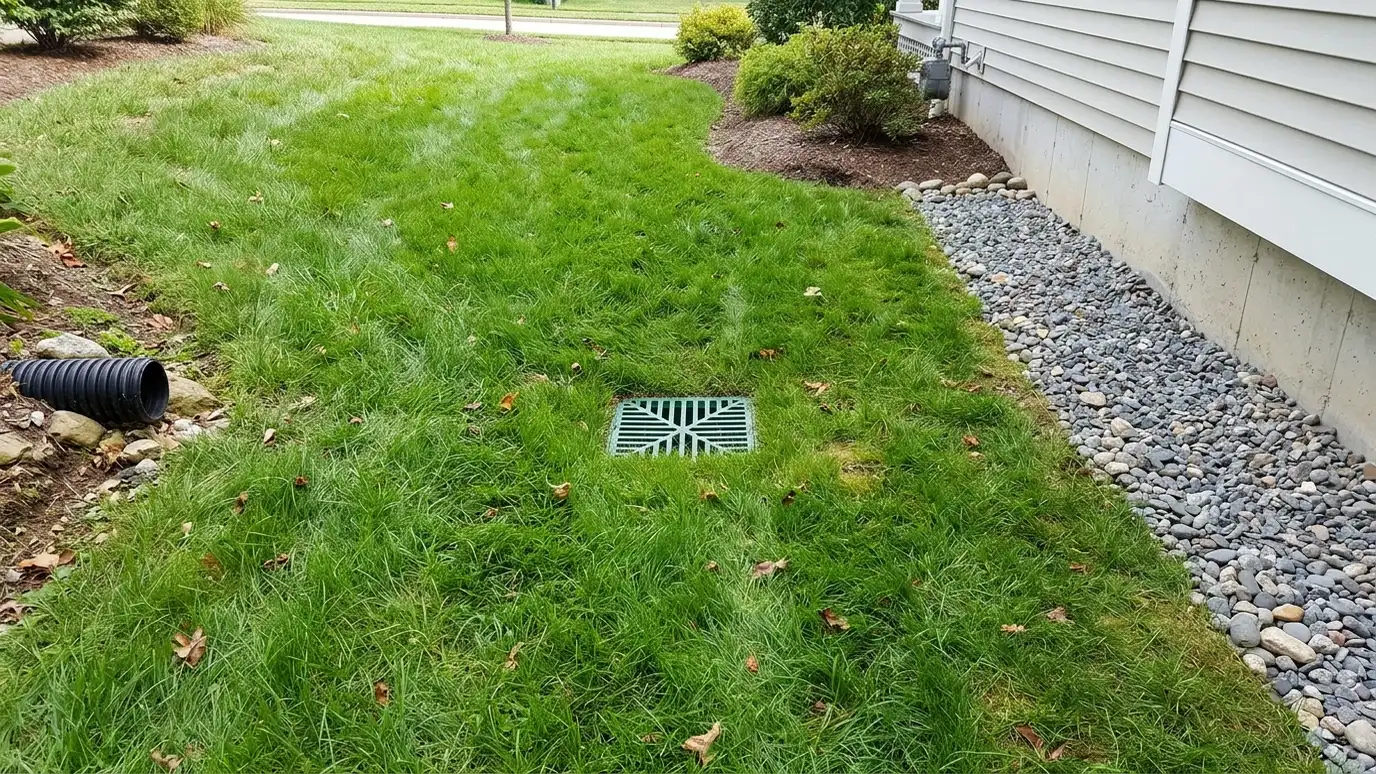 Comparison guideFrench Drain TypesHow interior, exterior footing, curtain and surface drains differ in where they collect water and where it goes.Learn more
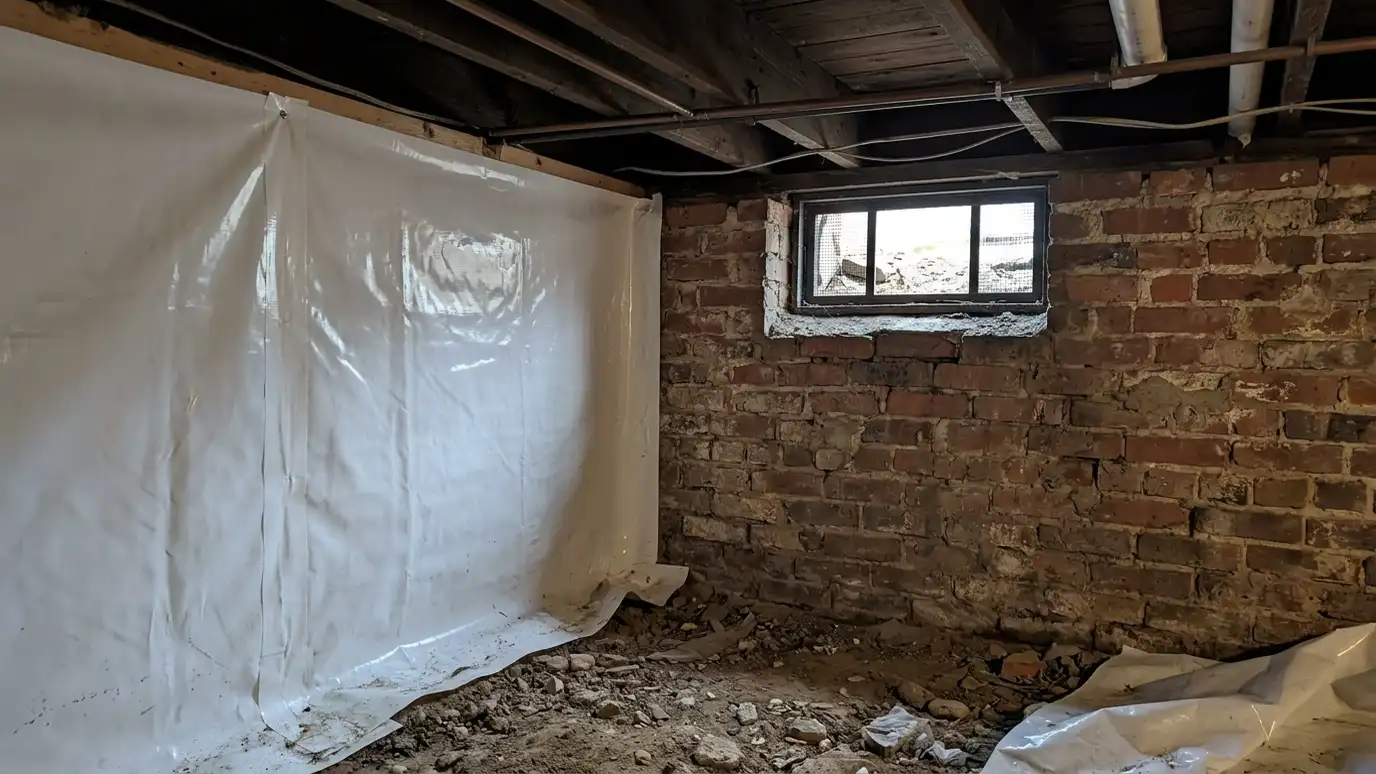 Comparison guideEncapsulation vs VentsHow a sealed, controlled crawl space differs from a vented one in moisture, air movement, insulation and upkeep.Learn more
Call us and describe what you have seen. We will visit, find the source of the water and give you a clear written plan.