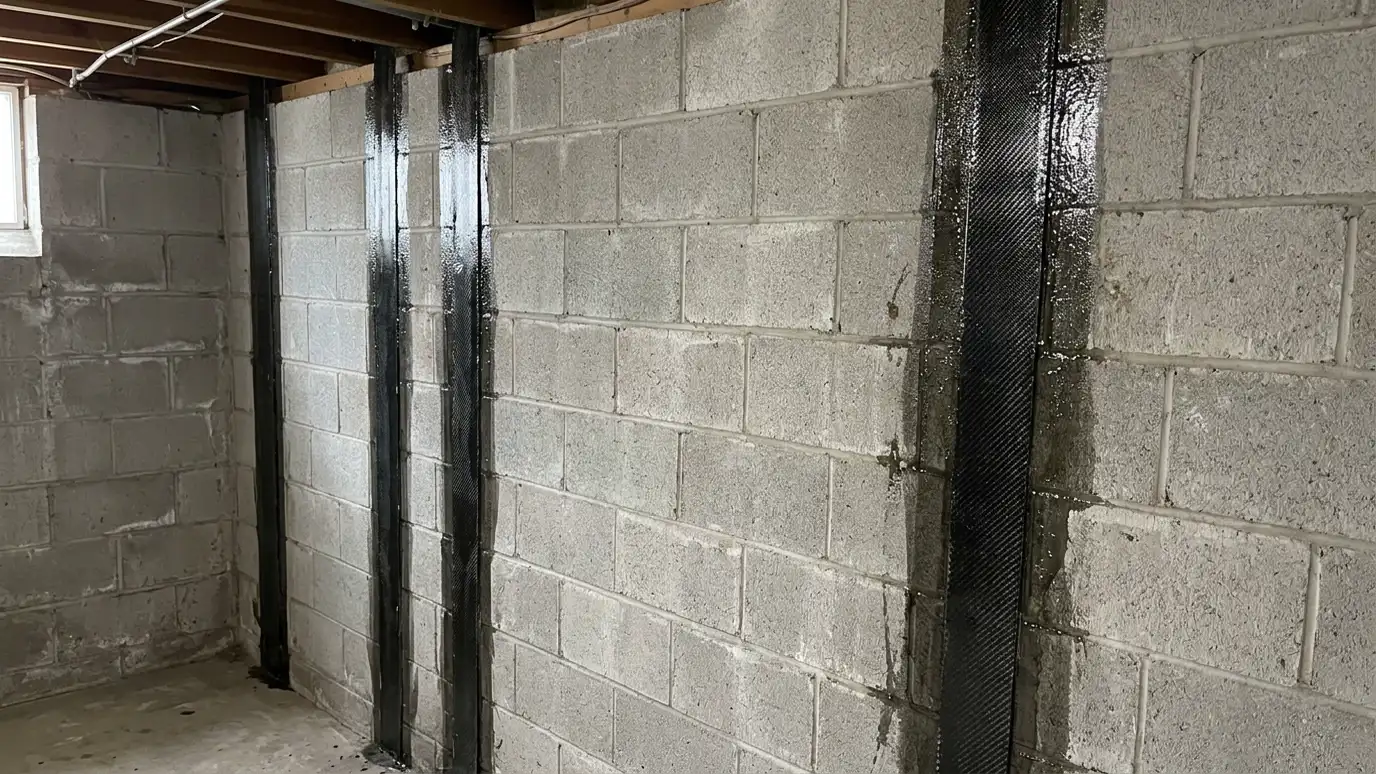
Wall anchors and carbon fiber straps that stabilize leaning basement walls by tying them to stronger soil or by adding tensile strength to the wall surface.
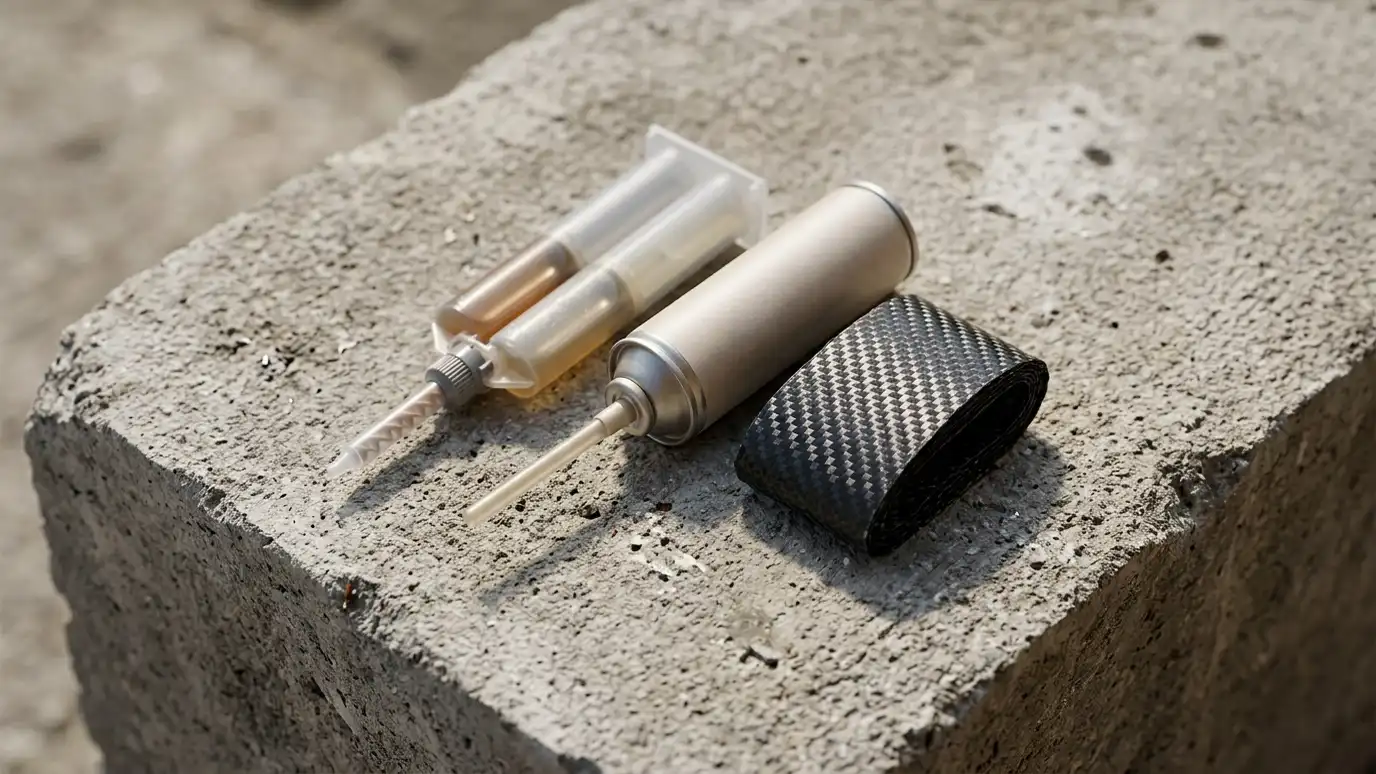
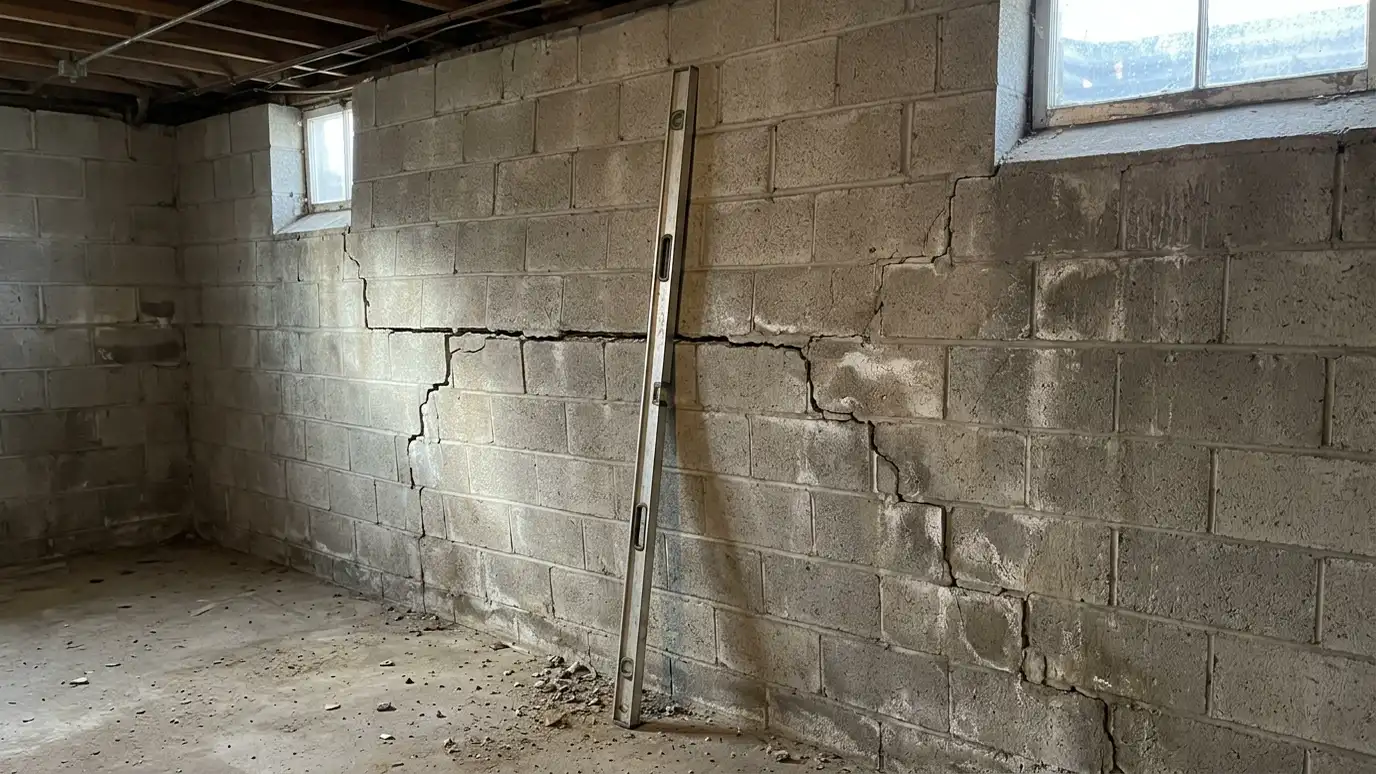
Two popular ways to steady a leaning wall are earth anchors and carbon fiber straps. An anchor system uses a plate buried in stable soil, a rod through the soil and a plate on the inside wall, and it can be tightened over time. Carbon fiber straps are attached to the wall with epoxy and add tensile strength that resists further bending. Both are used on block and poured walls in homes around Nashville when the wall is leaning only a little and the soil outside can be reached.
We start by measuring the wall and checking where each method fits. Straps work best on walls with modest lean, spaced along the wall at regular intervals, with the surface cleaned and prepared first. Anchors need room outside for the buried plates and a stable zone beyond the pressure area. We install the chosen system to the maker's instructions or an engineer's plan, patch holes, clean the wall and show you how to check it. For heavier movement, we may recommend steel beams or other work instead, because these methods are not right for every wall.
Anchors tie the wall back to soil, and straps add strength to the wall surface.
Straps need a prepared, repaired wall to bond well.
Anchors need room for plates in stable soil, while straps work from inside.
Heavy lean may call for steel beams or other work, and we say so.
Strap or anchor depends on lean, wall type and space outside.
Straps bond best to clean, flat, repaired concrete or block.
Straps and anchors are spaced evenly along the affected wall.
We follow the maker's instructions or an engineer's drawings.
Holes are patched and the wall is cleaned.
We tell you when a different method is the better choice.
Every topic has its own page with what to expect and how we approach it.
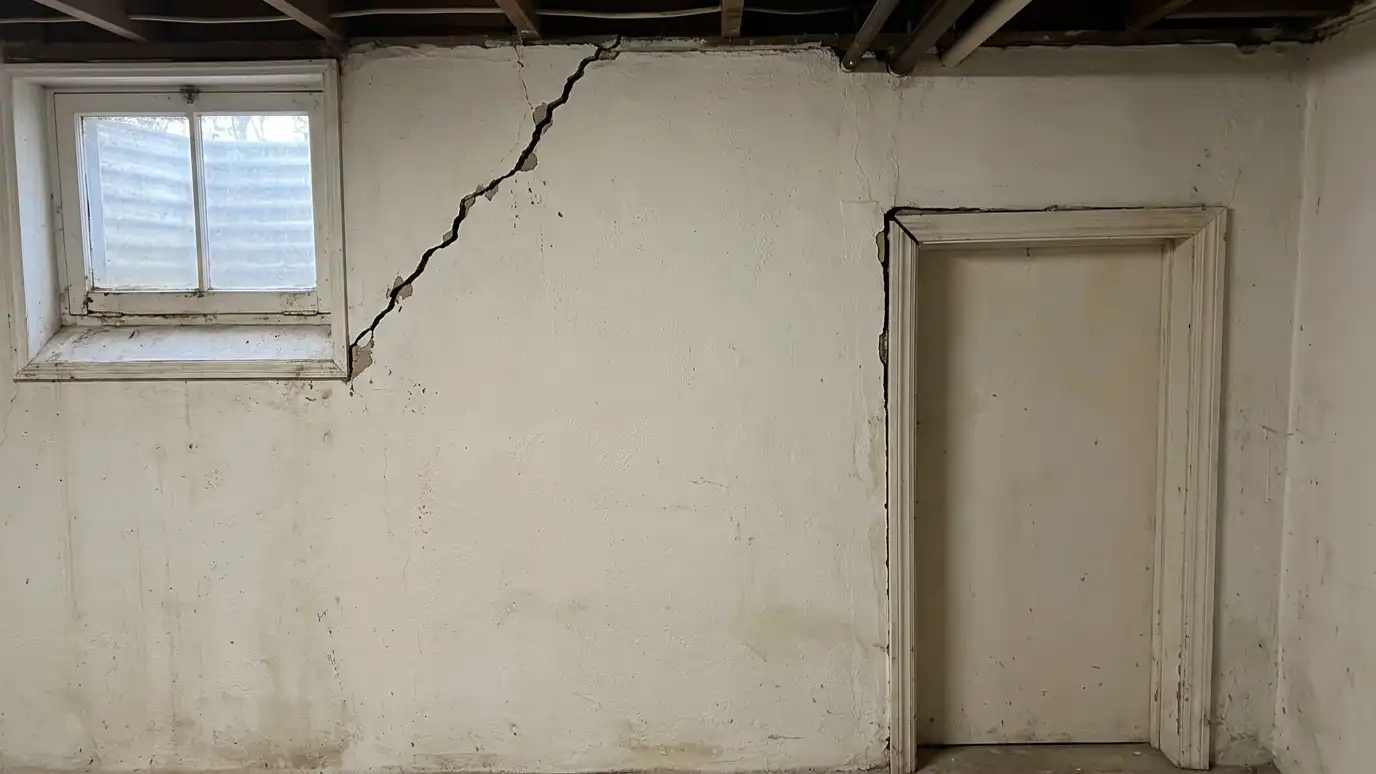 Comparison guideFoundation Warning SignsHow to read cracks, sticking doors, sloping floors and gaps, and which signs call for a closer look.Learn more
 Comparison guideCrack Repair MethodsHow epoxy injection, polyurethane injection, hydraulic cement and carbon fiber straps differ in what they fix.Learn more
 ResourceXypexA maker of crystalline waterproofing materials used in concrete walls, slabs, pits and tunnels.Learn more
Enter up to three quotes and score scope, diagnosis, schedule, communication and terms with your own weights.
You tell us what you have seen, where and when, and we set a visit that fits your day.
We walk the outside and inside with a moisture meter, take photos, measure slopes and call for utility marking.
You review the cause, the options and a plain written scope with every line and the schedule before anything is ordered.
We handle permits, protect your property and prepare the work area, from the floor edge to the trench.
We install drains, pumps, liners or repairs, restore floors and lawns and test every system with water.
We walk the job with you, share a care guide and schedule a first checkup.
Anchors tie the wall back to soil. Straps add strength to the wall surface.
They mainly hold the wall where it is. Anchors may allow some adjustment.
Carbon fiber is strong in tension, which resists bending. The wall condition still matters.
They suit modest lean. Larger lean needs a stronger system.
Anchors need outside access for the plate. Straps are installed from inside.
 Bowing Wall RepairBowing wall repair that measures how far a foundation wall leans, finds the pressure behind it and recommends…Explore
 Foundation Inspection and Engineering ReferralsFoundation inspection and engineering referrals that document cracks, floors and drainage, then connect you with a structural engineer…Explore
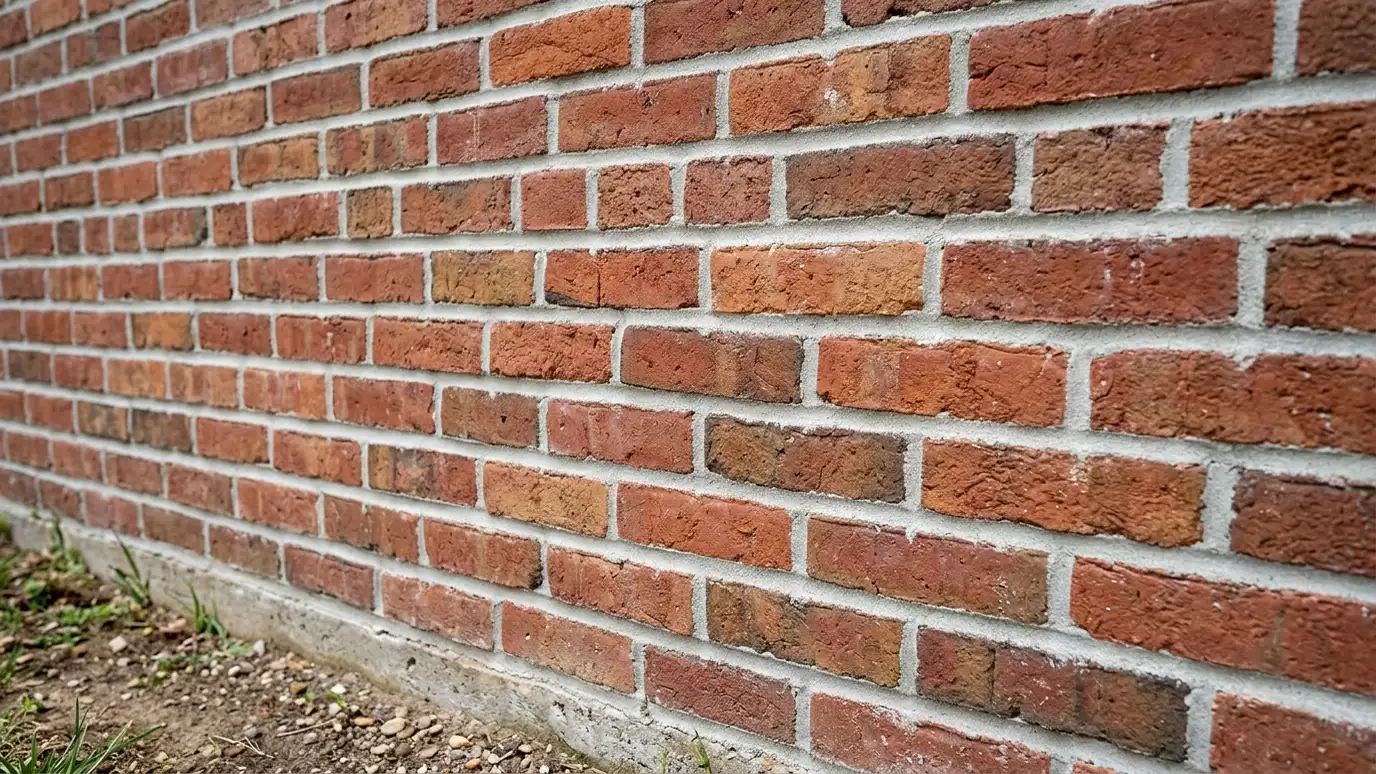 Block and Brick Foundation RepairBlock and brick foundation repair that rebuilds failing mortar joints, replaces damaged units and seals walls so water…Explore
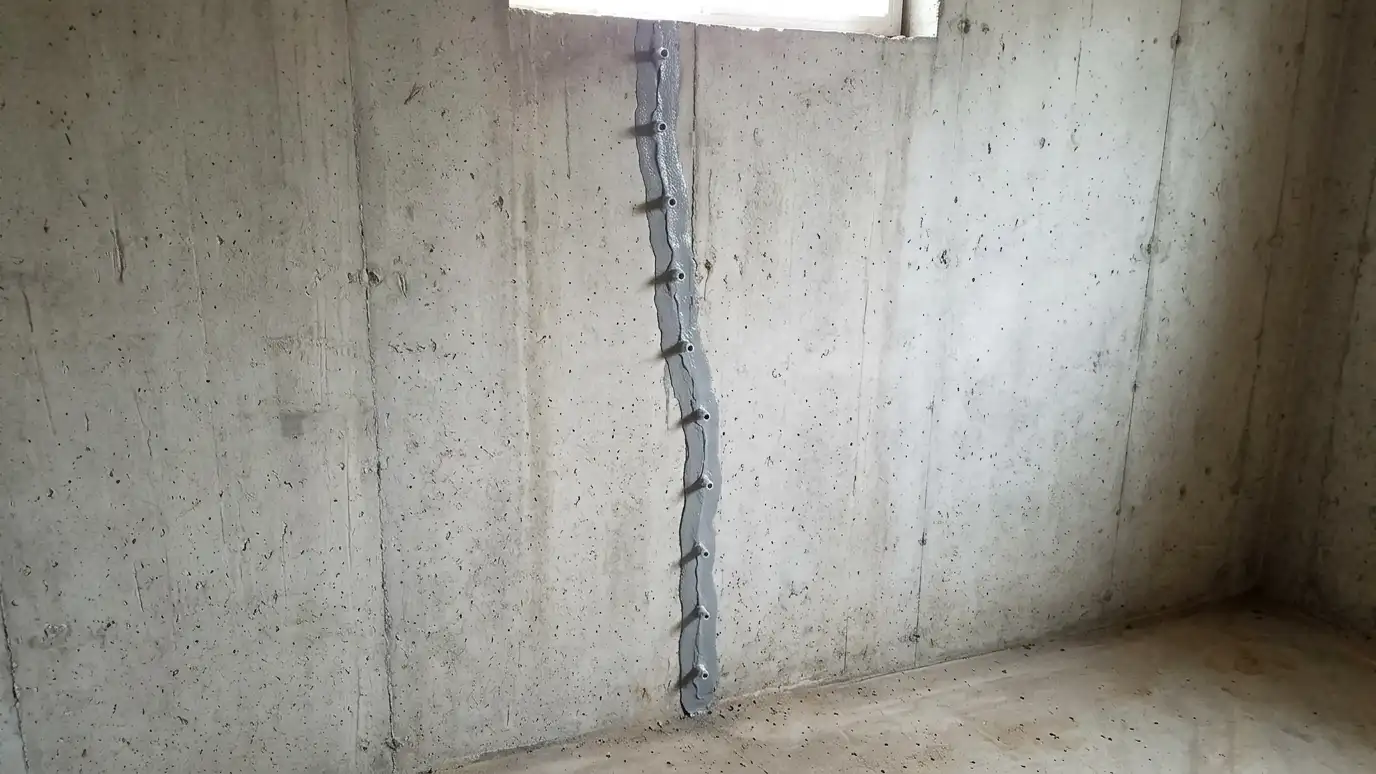 Basement Wall Crack RepairBasement wall crack repair that identifies why the wall cracked, then seals vertical, diagonal and horizontal cracks with…Explore
Tell us about your property and we will call you back to set up a visit.
Or call (615) 357-7797 to talk now.