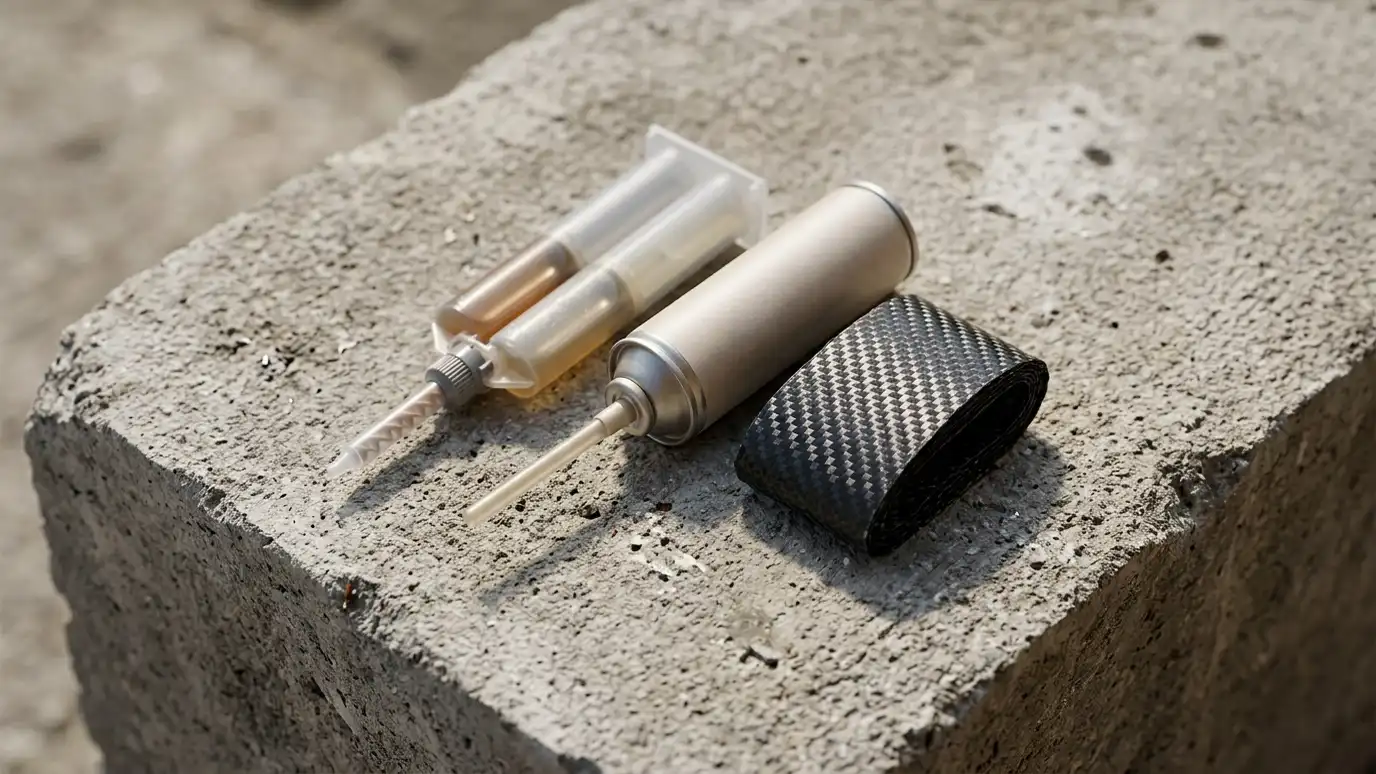
How epoxy injection, polyurethane injection, hydraulic cement and carbon fiber straps differ in what they fix.
Not all cracks are the same, and neither are the repairs. Epoxy injection bonds concrete back together across a stable crack. Polyurethane foam injection fills and seals a crack and stays flexible. Hydraulic cement plugs active leaks quickly. Carbon fiber straps add strength to a wall that is starting to lean. The right method depends on what caused the crack and what you want it to do.
A hairline crack in a poured wall may need only epoxy. A crack that opens and closes with the seasons may be better served by polyurethane. A leaning block wall needs more than any crack filler. Homes around Nashville show all of these, so we start by reading each crack and explaining what a repair can and cannot do.
Bonds poured concrete across a stable crack.
Seals and stays flexible for cracks that may move a little.
Sets fast and plugs active leaks at a spot.
Add tensile strength to walls that lean slightly.
Width, direction and offset point to the cause.
A gauge shows if a crack is still moving.
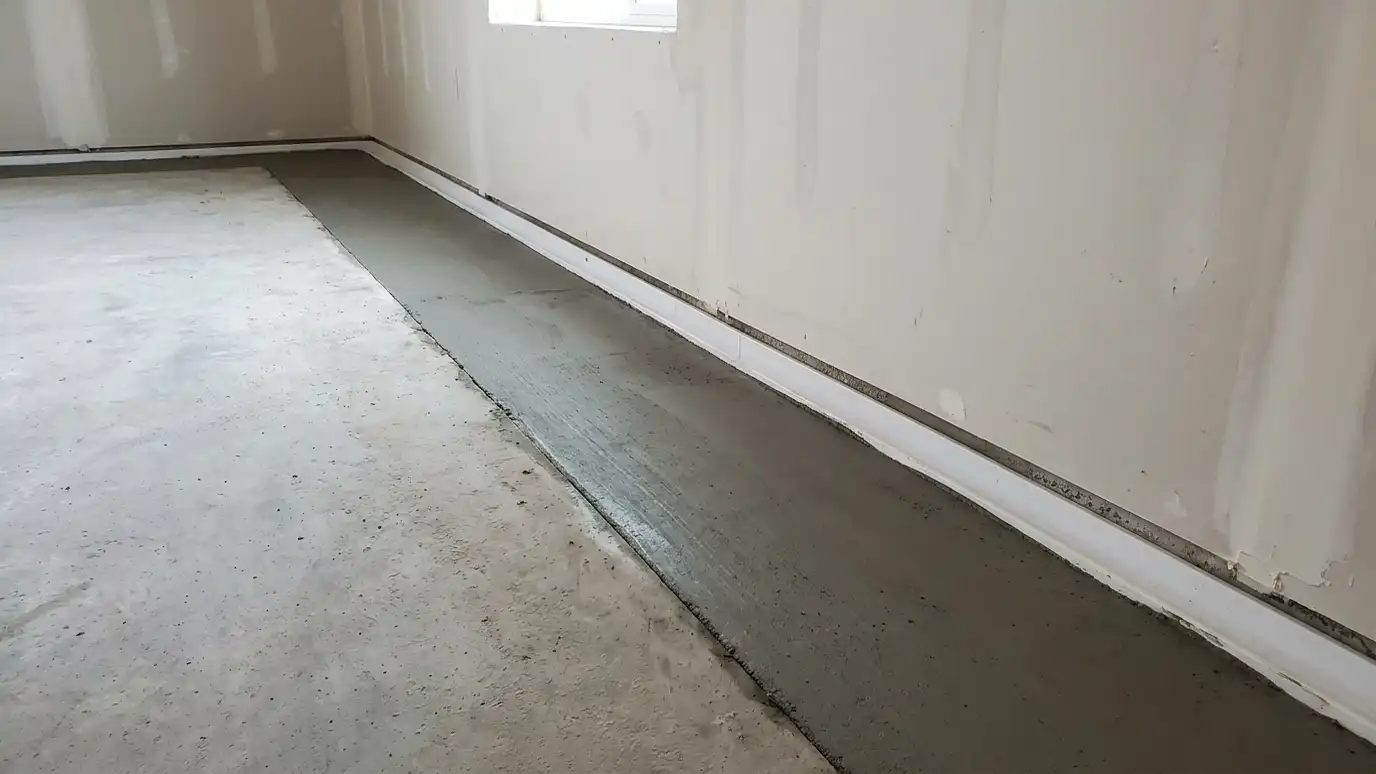 Interior Basement WaterproofingInterior basement waterproofing with a perimeter drain channel, a sealed sump pit and wall protection that guide water…Explore
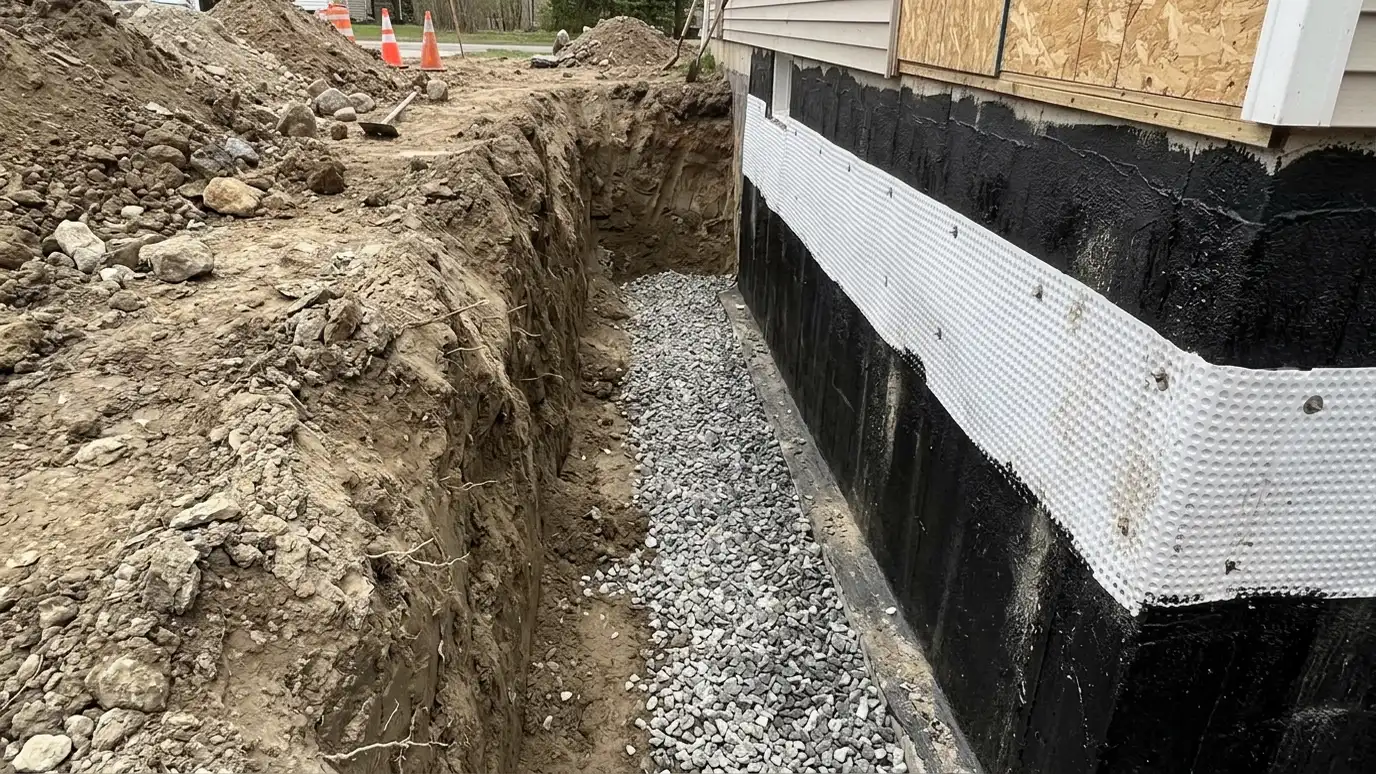 Exterior Basement WaterproofingExterior basement waterproofing that digs down to the foundation, repairs and coats the wall, adds drainage board and…Explore
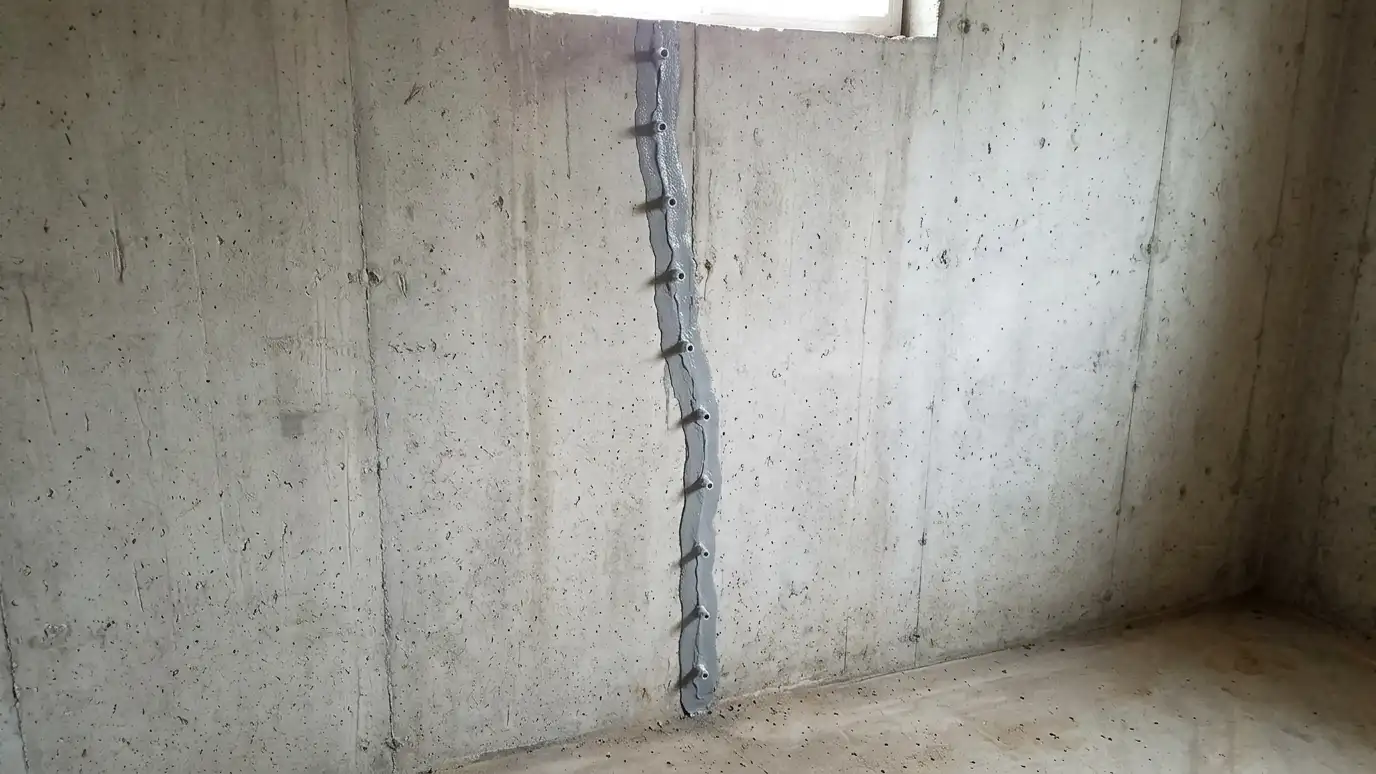 Basement Wall Crack RepairBasement wall crack repair that identifies why the wall cracked, then seals vertical, diagonal and horizontal cracks with…Explore
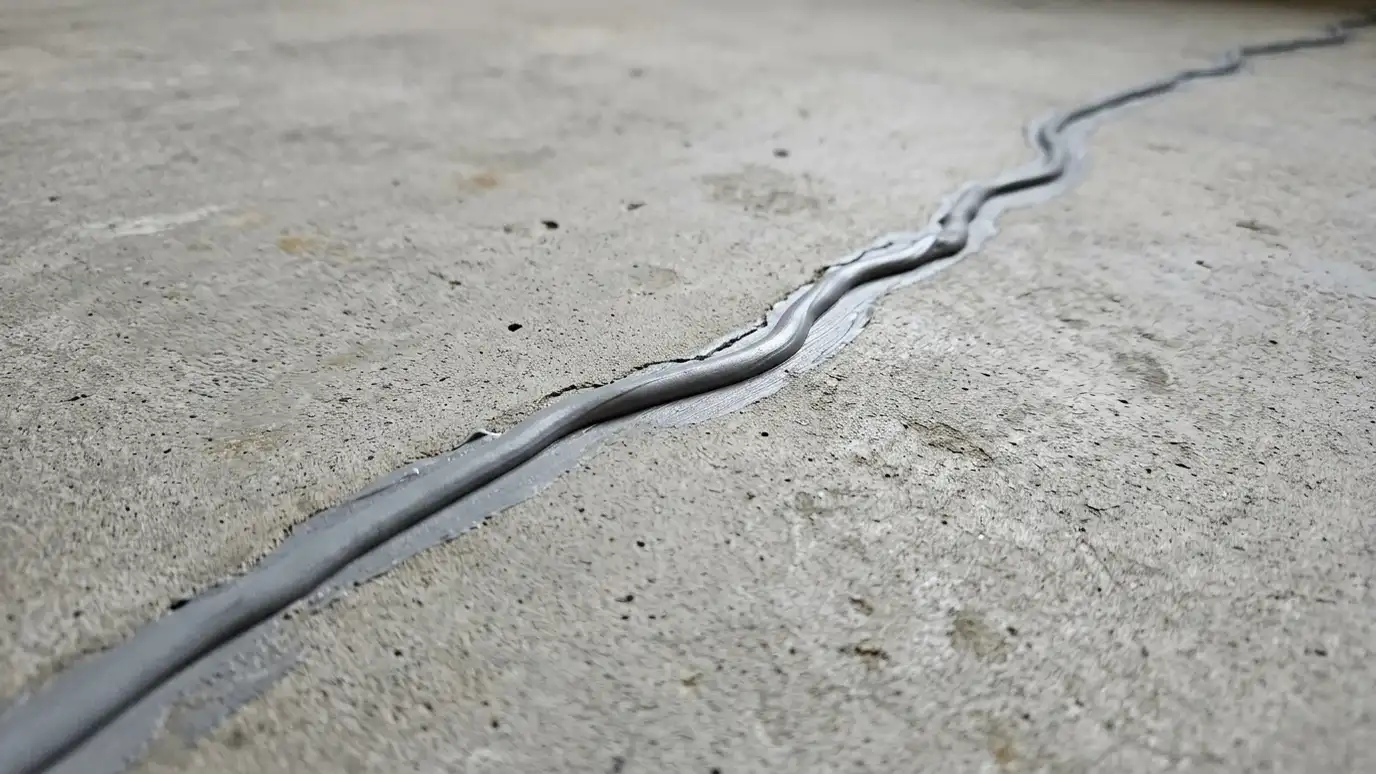 Basement Floor Crack RepairBasement floor crack repair that seals shrinkage and settlement cracks with flexible sealants or injection, after checking for…Explore
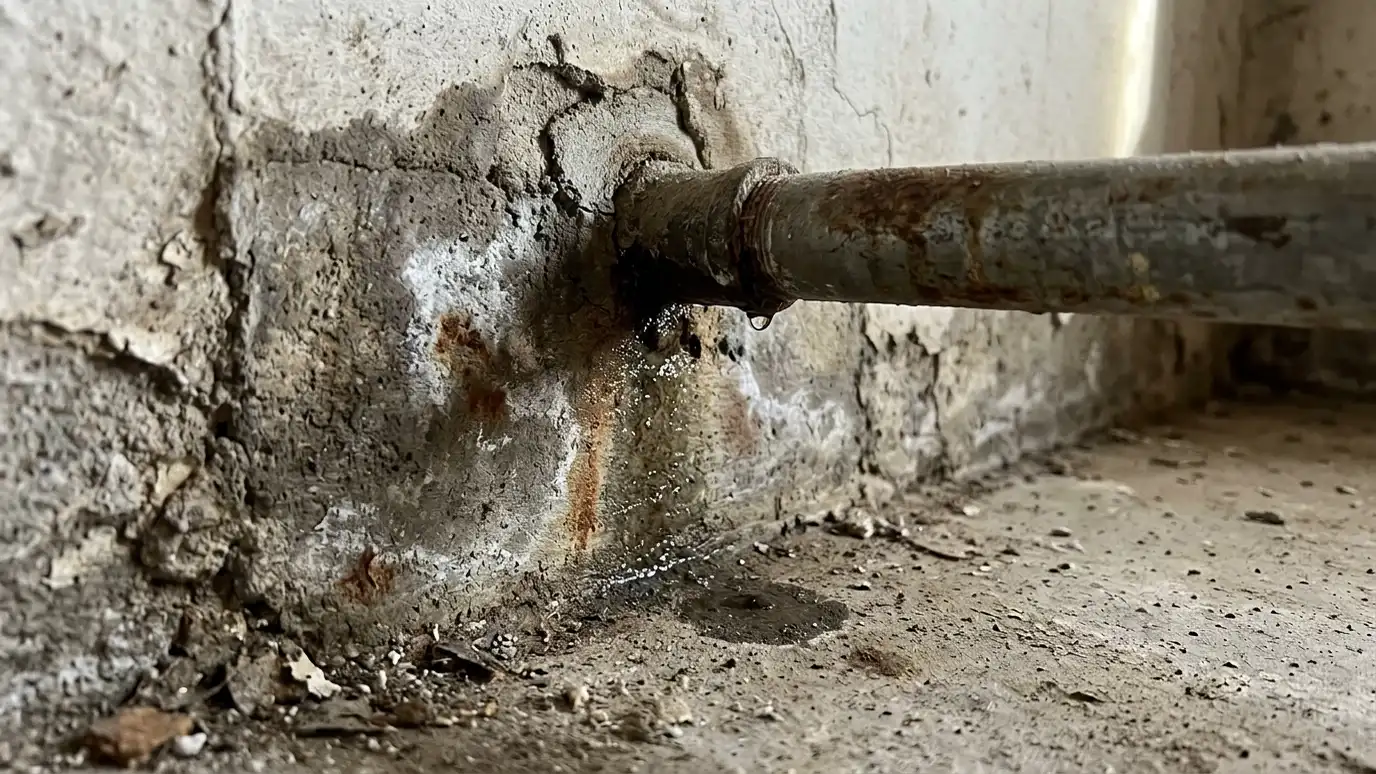 Basement Leak RepairBasement leak repair for drips at pipe penetrations, window wells, cracks and wall joints, with fast sealing and…Explore
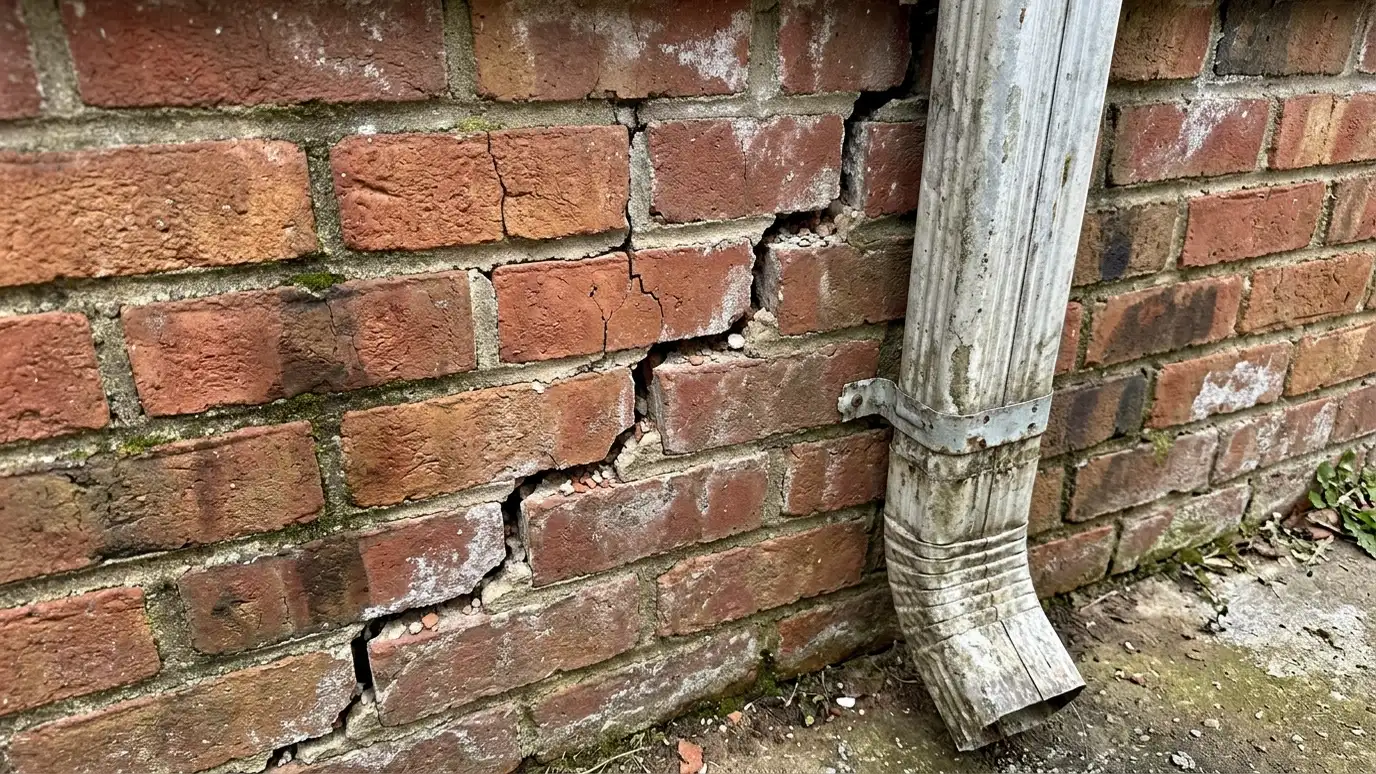 Foundation Crack RepairFoundation crack repair that reads the pattern of each crack, seals the ones that are stable and flags…Explore
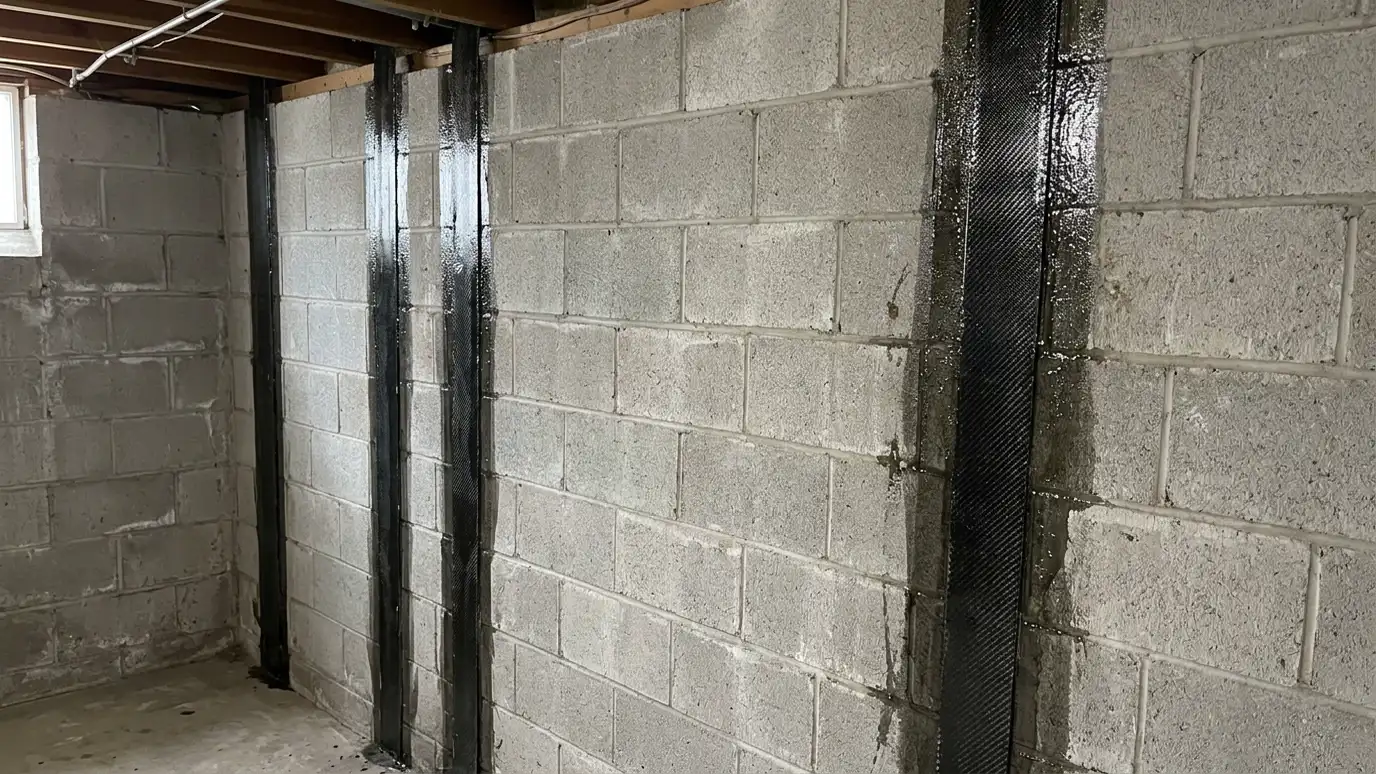 Wall Anchors and Carbon Fiber StrapsWall anchors and carbon fiber straps that stabilize leaning basement walls by tying them to stronger soil or…Explore
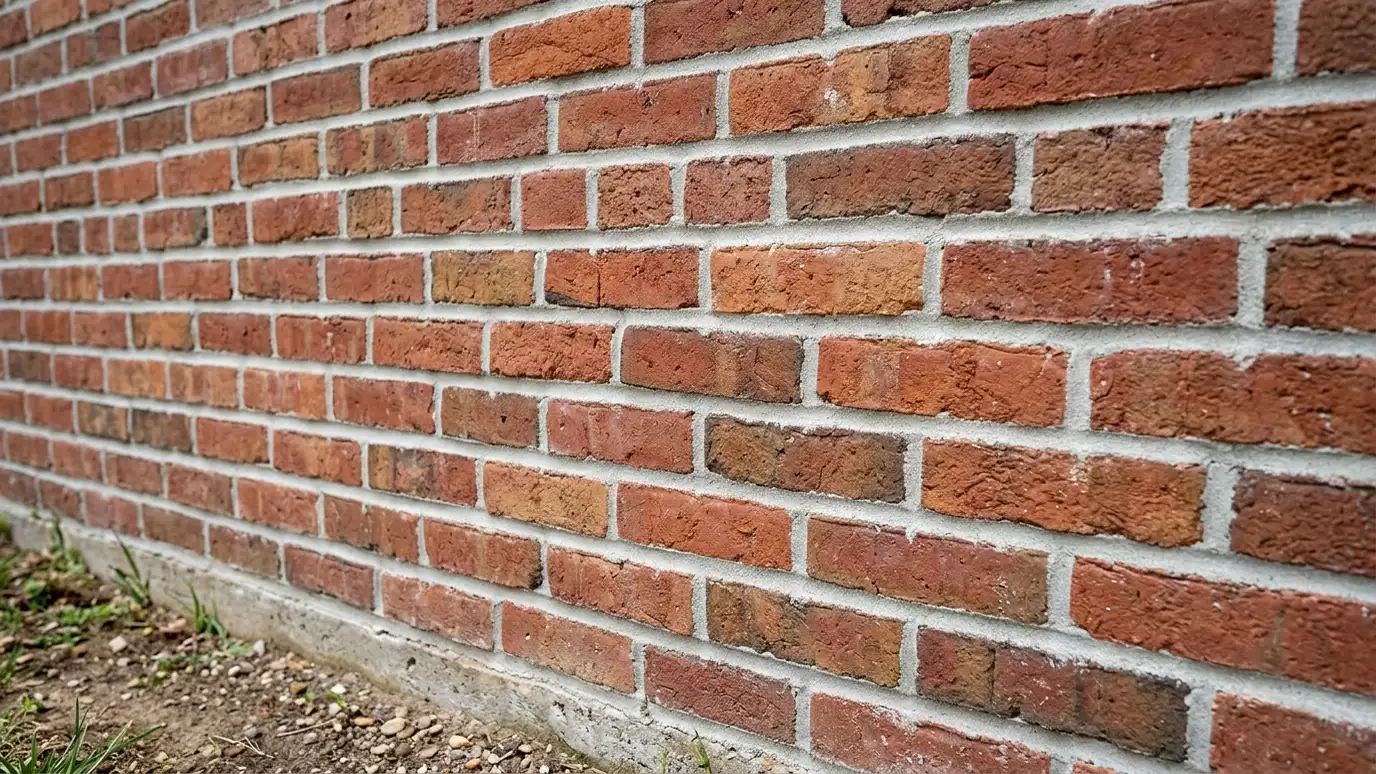 Block and Brick Foundation RepairBlock and brick foundation repair that rebuilds failing mortar joints, replaces damaged units and seals walls so water…Explore
Size a pump, check your home or ballpark a budget.
 Sump Pump and Dehumidifier Sizing CalculatorEnter floor area, lift, pipe run, ceiling height and dampness to see a planning pump flow or dehumidifier capacity for a basement or crawl space.Try it
 Basement Dryness Checker: How Ready Is Your Home?Pick the area, set the condition and tick what applies to see what to check, service or inspect before the next heavy rain.Try it
 Waterproofing Budget PlannerPick a drain, pump, repair, crawl space or drainage project, set the size and add allowances to see a ballpark planning range. Placeholder values only.Try it
Many can, but a crack that is still moving needs its cause addressed too.
It depends on the crack. Reading it first is the key step.
No. A leaning wall needs stabilization, not only crack filler.
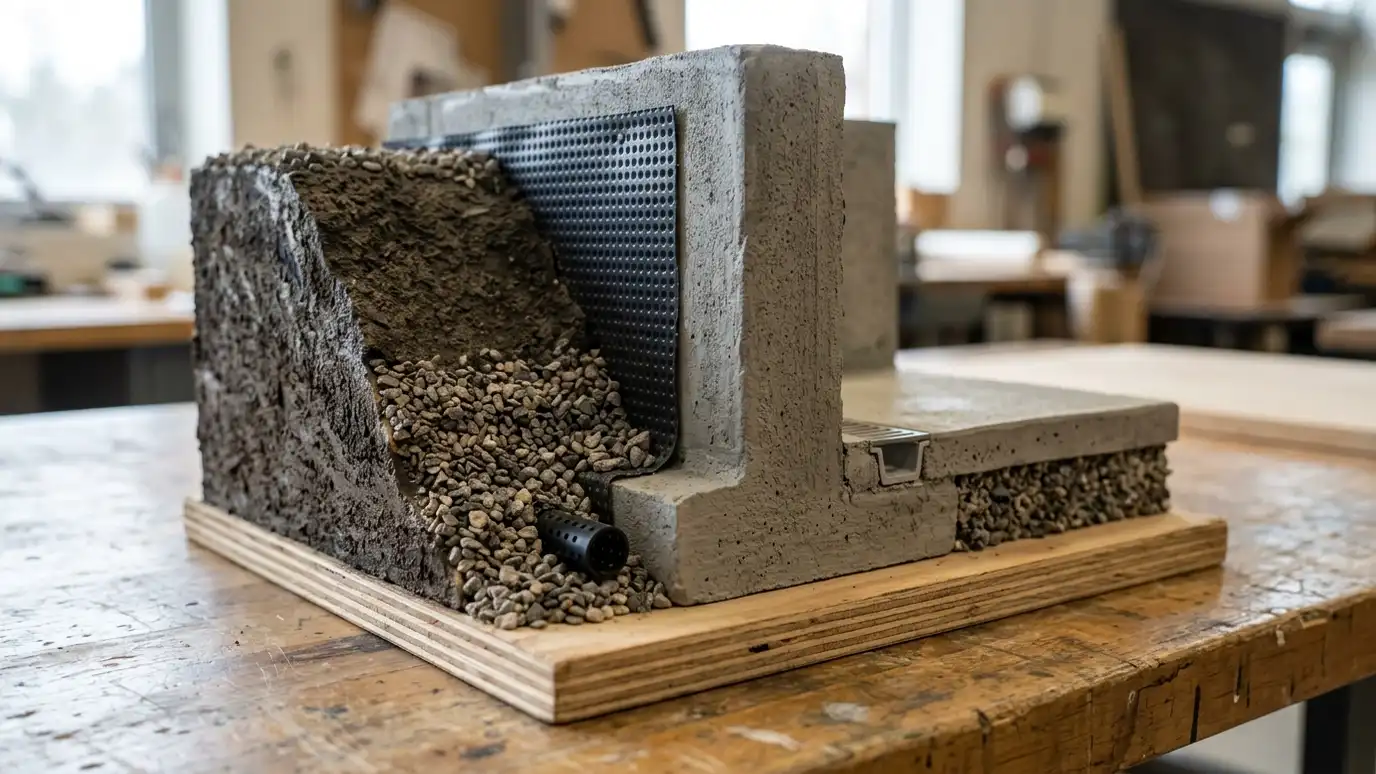 Comparison guideInterior vs ExteriorHow interior drains and exterior membranes differ in where they work, how much digging they need and what…Learn more
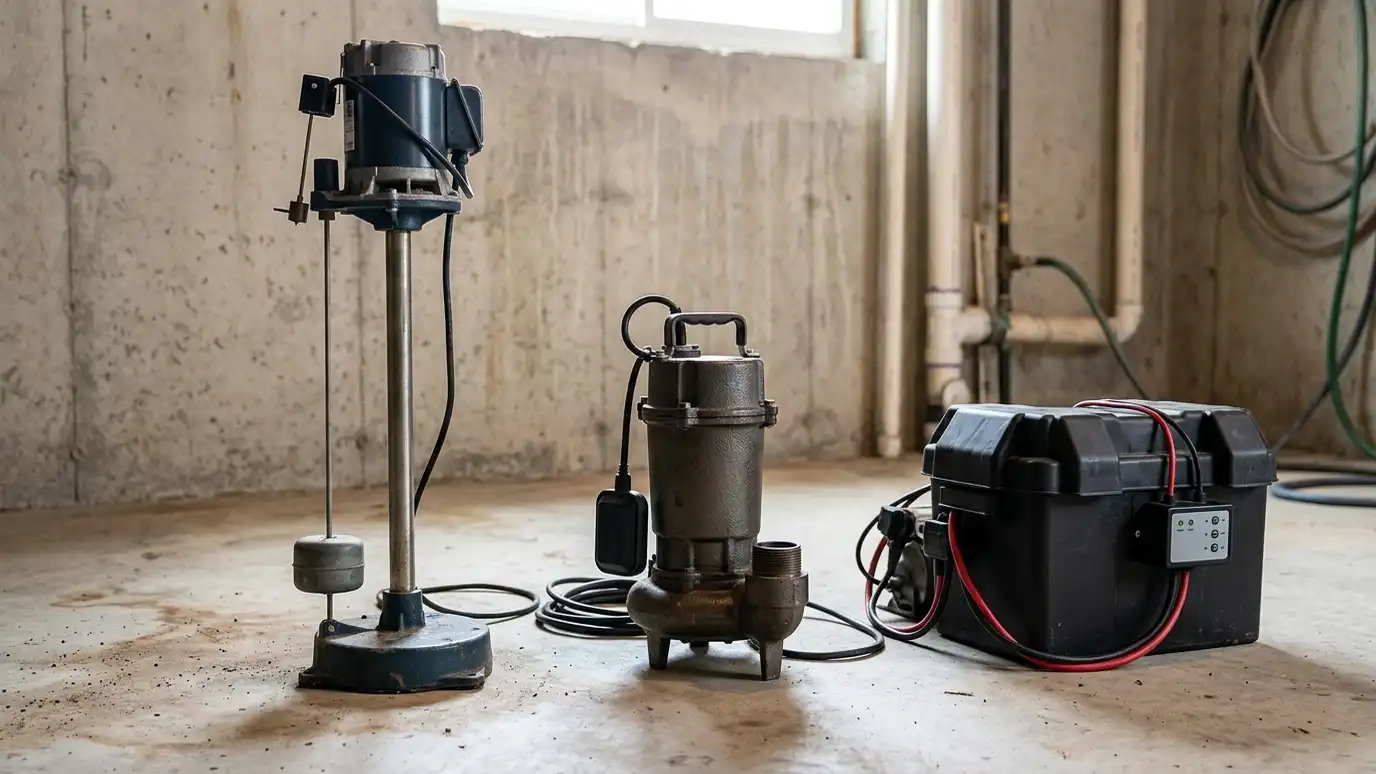 Comparison guideSump Pump TypesHow submersible, pedestal, battery backup and water-powered pumps differ in noise, life, cost to run and what happens…Learn more
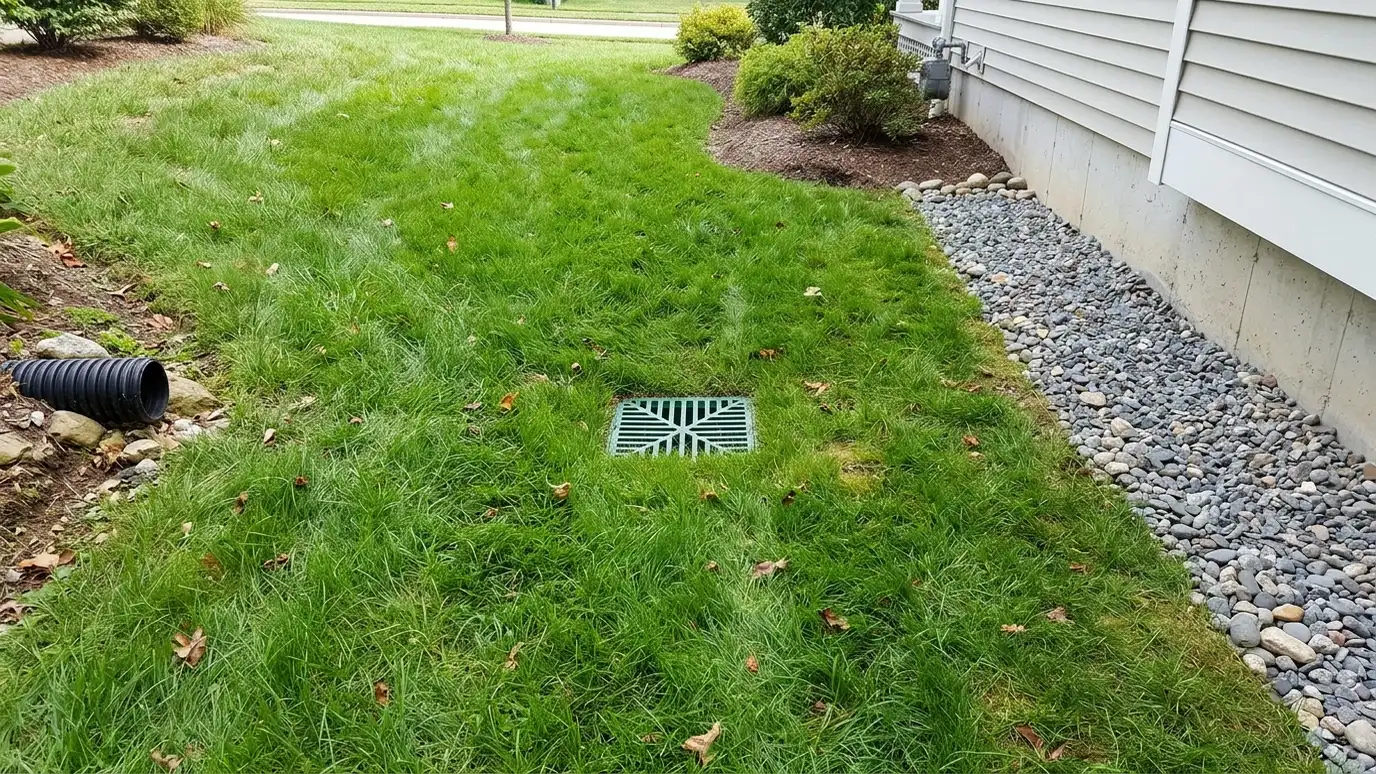 Comparison guideFrench Drain TypesHow interior, exterior footing, curtain and surface drains differ in where they collect water and where it goes.Learn more
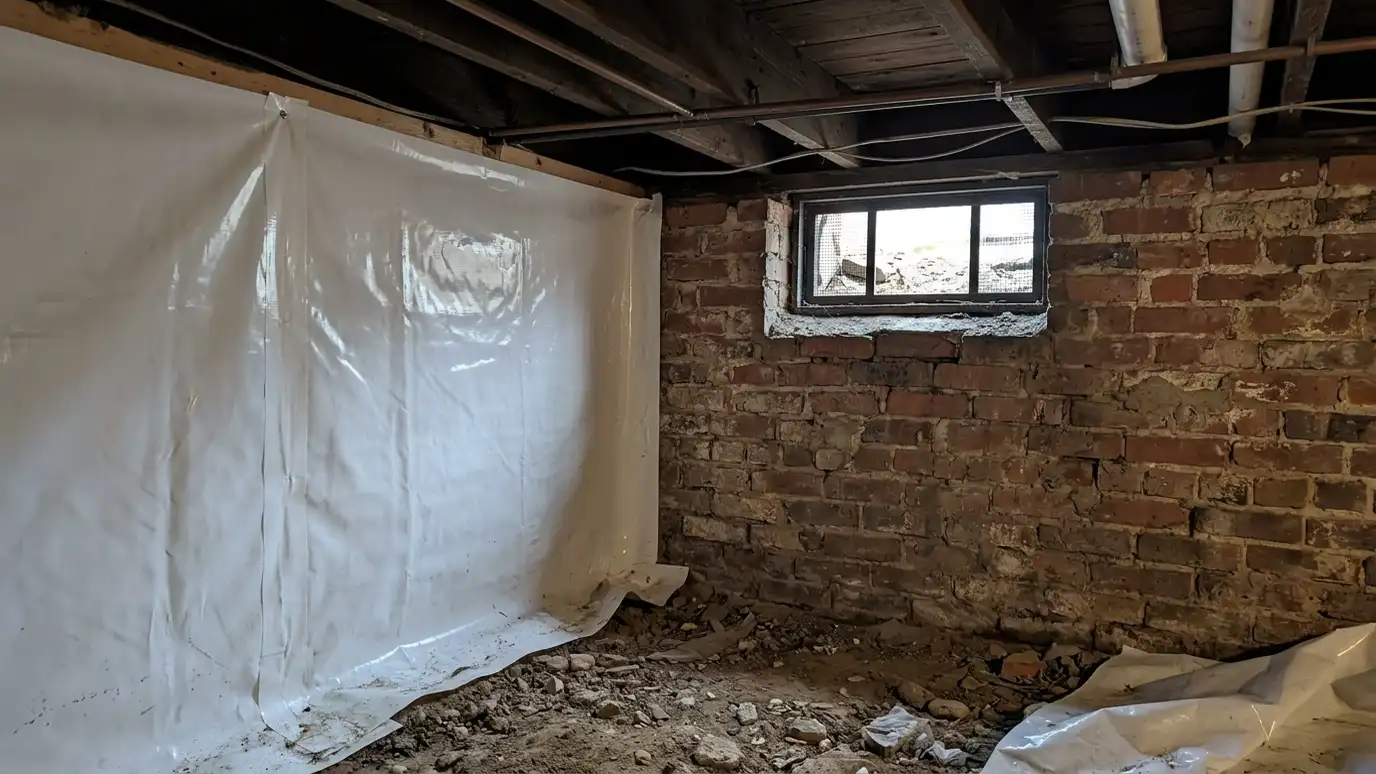 Comparison guideEncapsulation vs VentsHow a sealed, controlled crawl space differs from a vented one in moisture, air movement, insulation and upkeep.Learn more
Call us and describe what you have seen. We will visit, find the source of the water and give you a clear written plan.