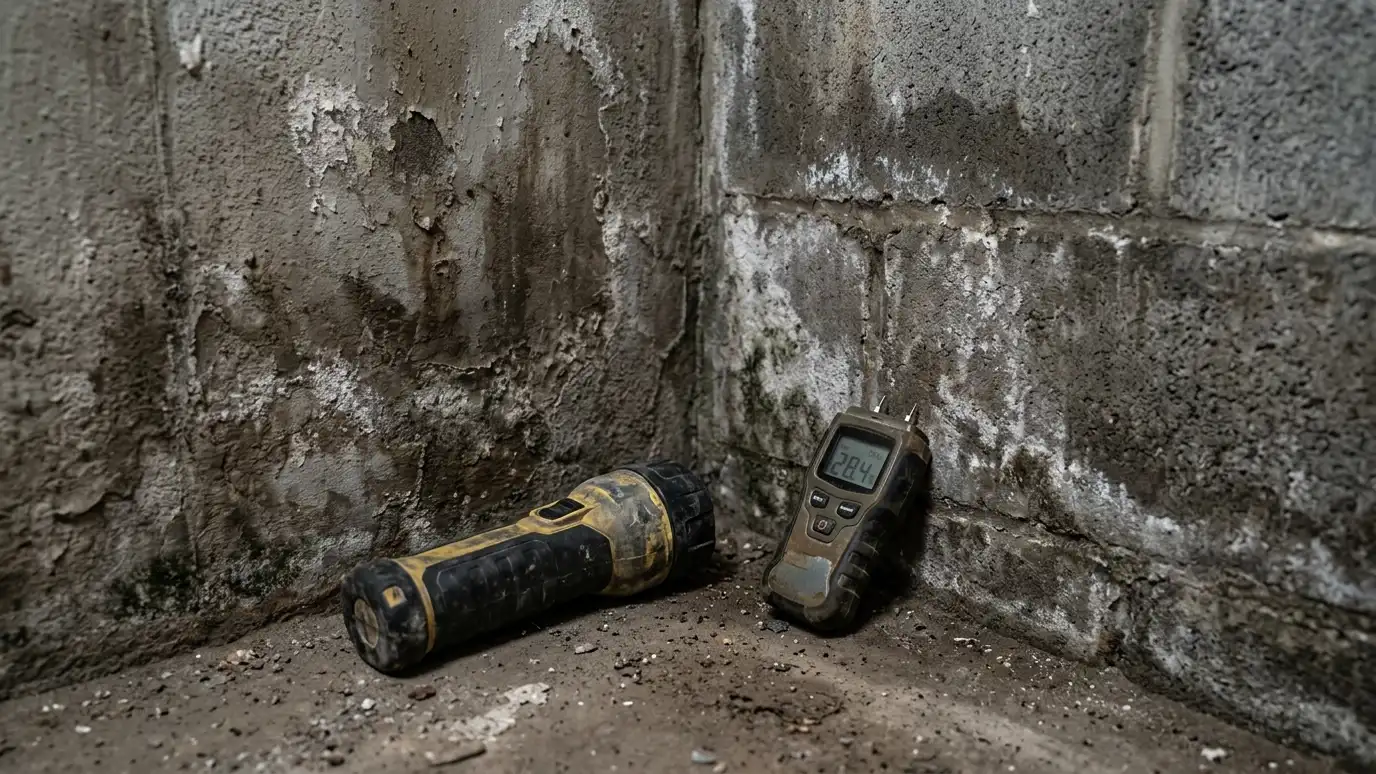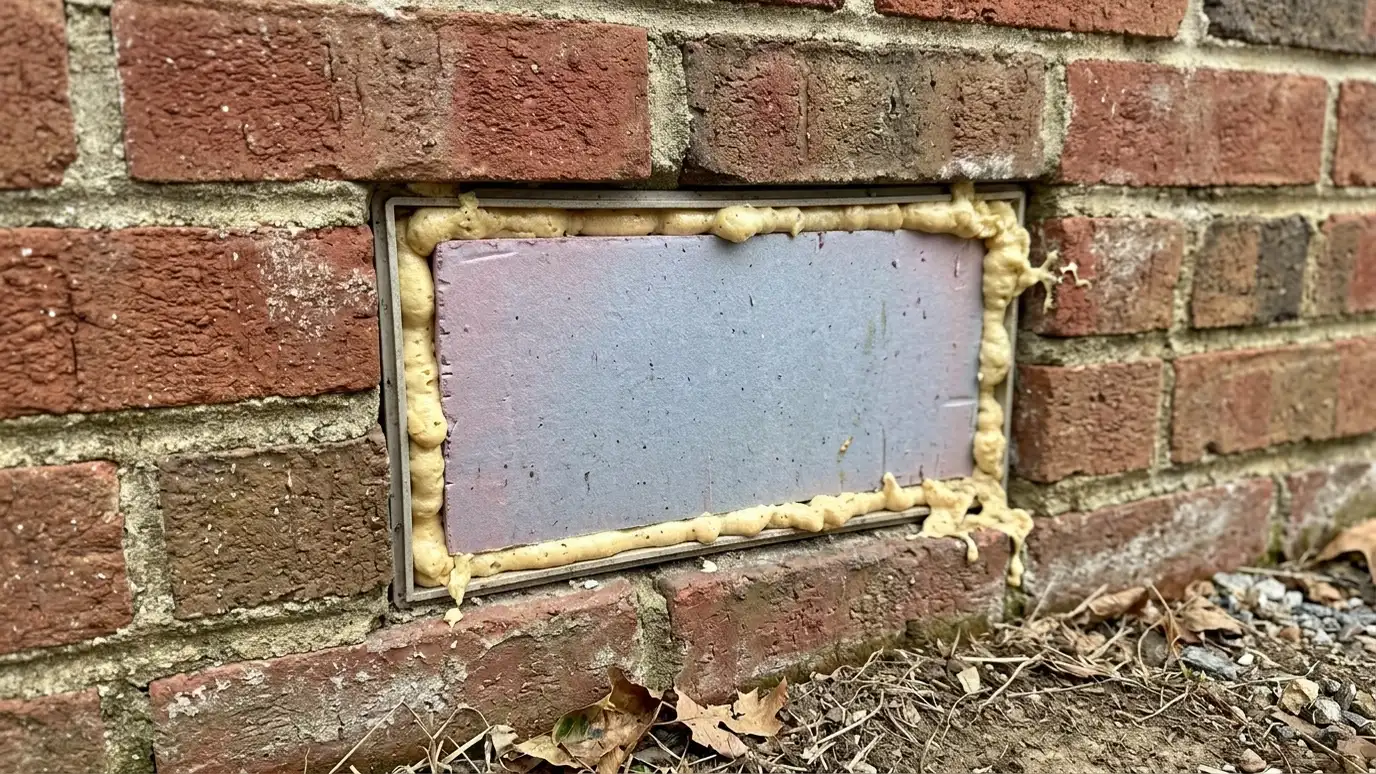
Crawl space vent sealing and closing with rigid foam, vent covers or framed infill, done as part of a sealed crawl space with moisture control.
Crawl space vents were once standard because people believed outside air would dry the space. In humid summers the opposite often happens: warm, damp air comes in through the vents, meets cool surfaces and leaves moisture behind. Closing vents is a common step in controlled crawl spaces, but it should be done with a plan for humidity, because sealing without control can trap damp air. Houses around Nashville show this tradeoff clearly in the heat of August.
We count and measure the vents, check for old pipes or wires passing through and look at the condition of the walls and the floor. We seal vents with rigid foam cut to fit, secured and caulked, or with insulated covers or masonry infill depending on the look and the budget. We keep a path for pest screening where needed, and we explain how sealed vents work with the vapor barrier, the dehumidifier and the insulation. If code or an appliance requires combustion air or an opening, we respect that. Sealing is rarely a stand-alone fix, and we explain what should go with it.
In humid months, outside air can leave moisture on cool surfaces.
Sealing vents works best with a vapor barrier and humidity control.
Combustion air and code openings are left as required.
Foam and covers can be removed if your situation changes.
We find every vent, door and gap in the foundation.
The seal is chosen to look right and last.
Closing vents goes together with dehumidification.
Combustion air needs are not blocked.
Screens and seals keep animals out.
Local rules about crawl space ventilation are discussed.
Every topic has its own page with what to expect and how we approach it.
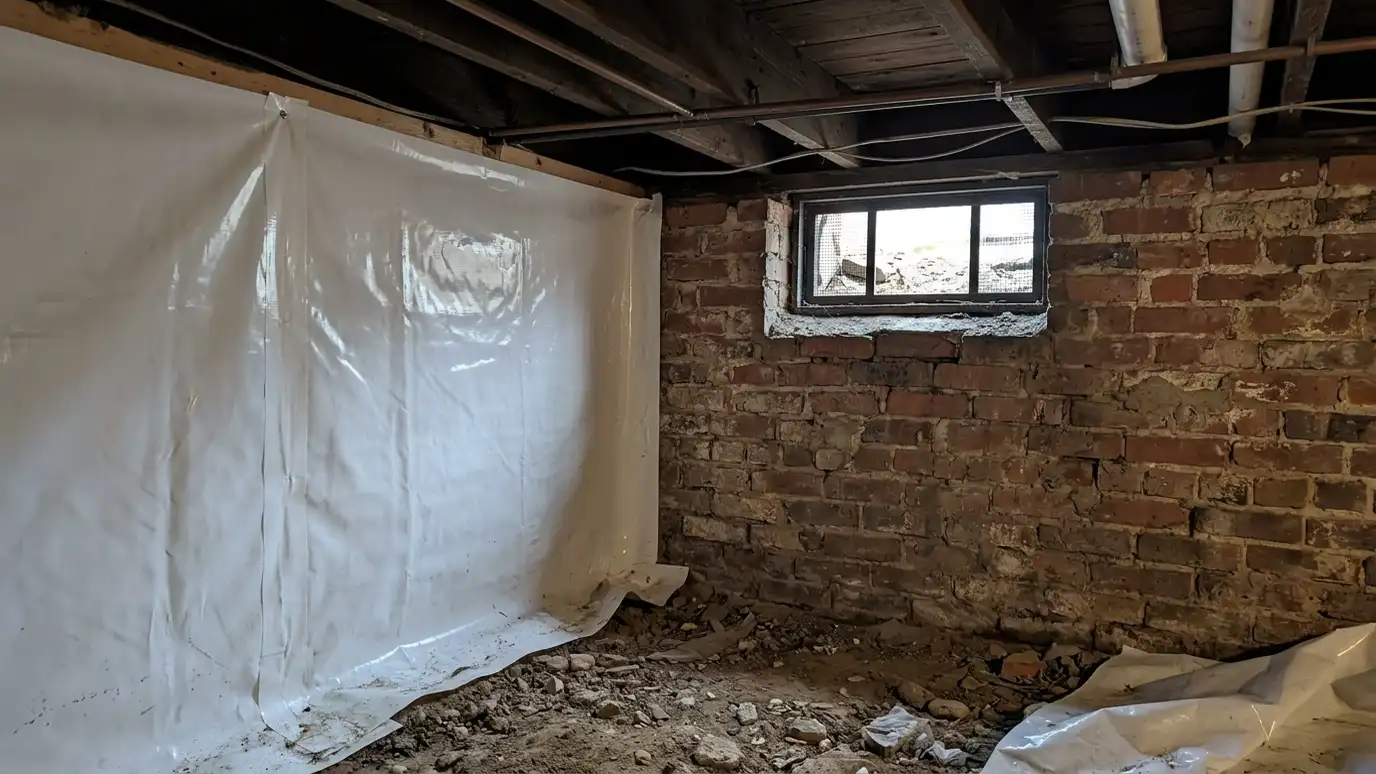 Comparison guideEncapsulation vs VentsHow a sealed, controlled crawl space differs from a vented one in moisture, air movement, insulation and upkeep.Learn more
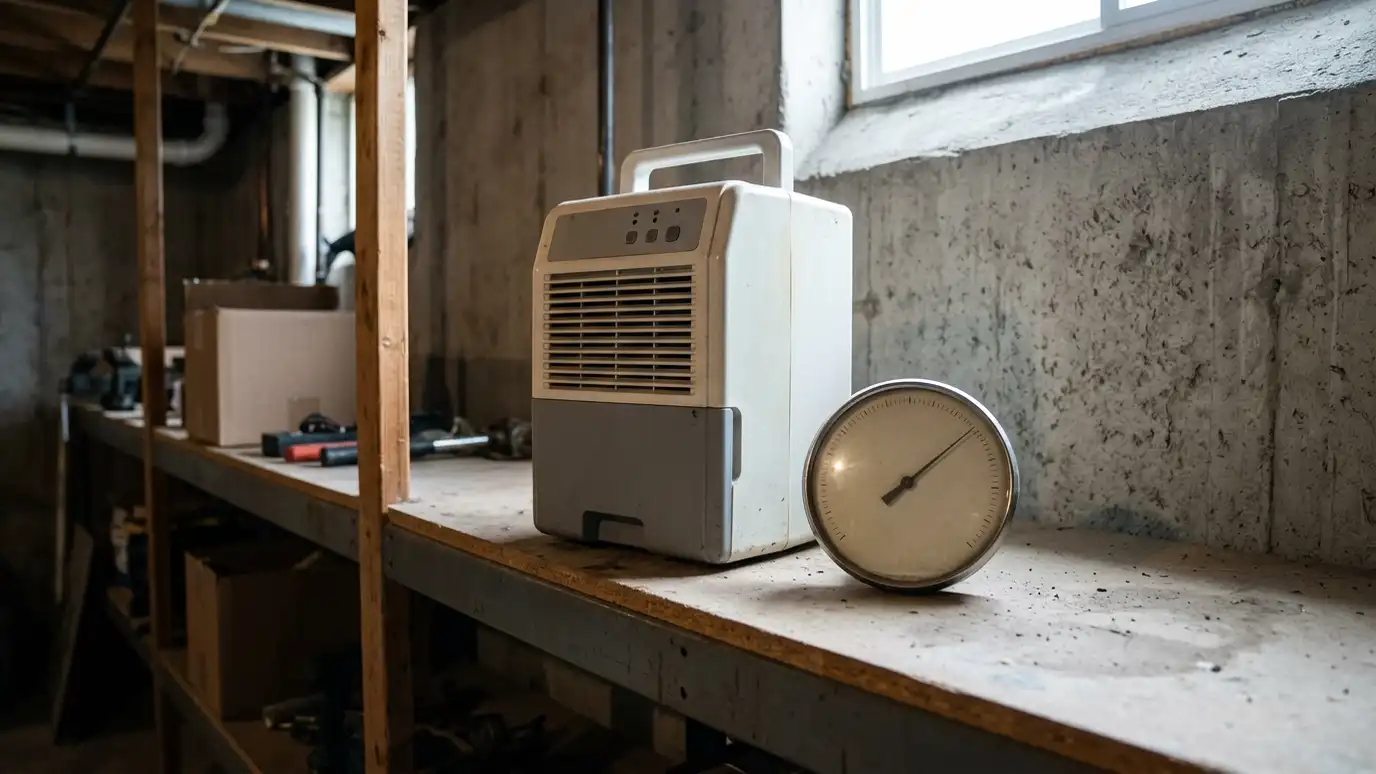 Comparison guideDehumidifier SizingHow room size, dampness and sealing decide the dehumidifier you need, and how drains, monitors and airflow help.Learn more
 ResourceMetro CodesThe Metro Nashville department that handles building permits, inspections and code questions.Learn more
Enter floor area, lift, pipe run, ceiling height and dampness to see a planning pump flow or dehumidifier capacity for a basement or crawl space.
You tell us what you have seen, where and when, and we set a visit that fits your day.
We walk the outside and inside with a moisture meter, take photos, measure slopes and call for utility marking.
You review the cause, the options and a plain written scope with every line and the schedule before anything is ordered.
We handle permits, protect your property and prepare the work area, from the floor edge to the trench.
We install drains, pumps, liners or repairs, restore floors and lawns and test every system with water.
We walk the job with you, share a care guide and schedule a first checkup.
In many Middle Tennessee homes a controlled, sealed crawl space works better, with humidity control. We explain the tradeoffs.
Yes, if the space is damp and has no humidity control. That is why we plan it as a system.
Rules vary. We explain what to ask your local office.
Foam and covers can be removed if needed.
It helps, along with screening and sealing gaps.
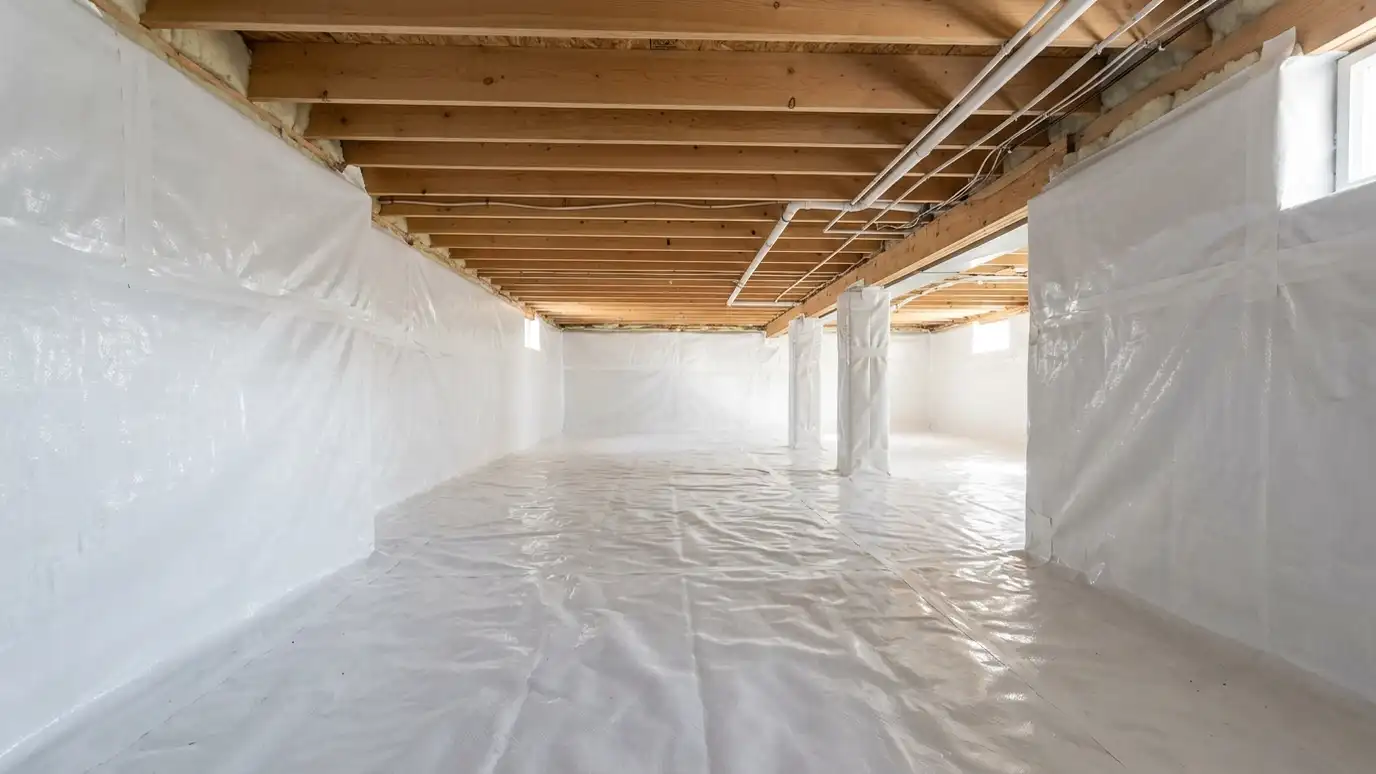 Crawl Space EncapsulationCrawl space encapsulation that seals the floor, walls and vents with a heavy liner and controls humidity, so…Explore
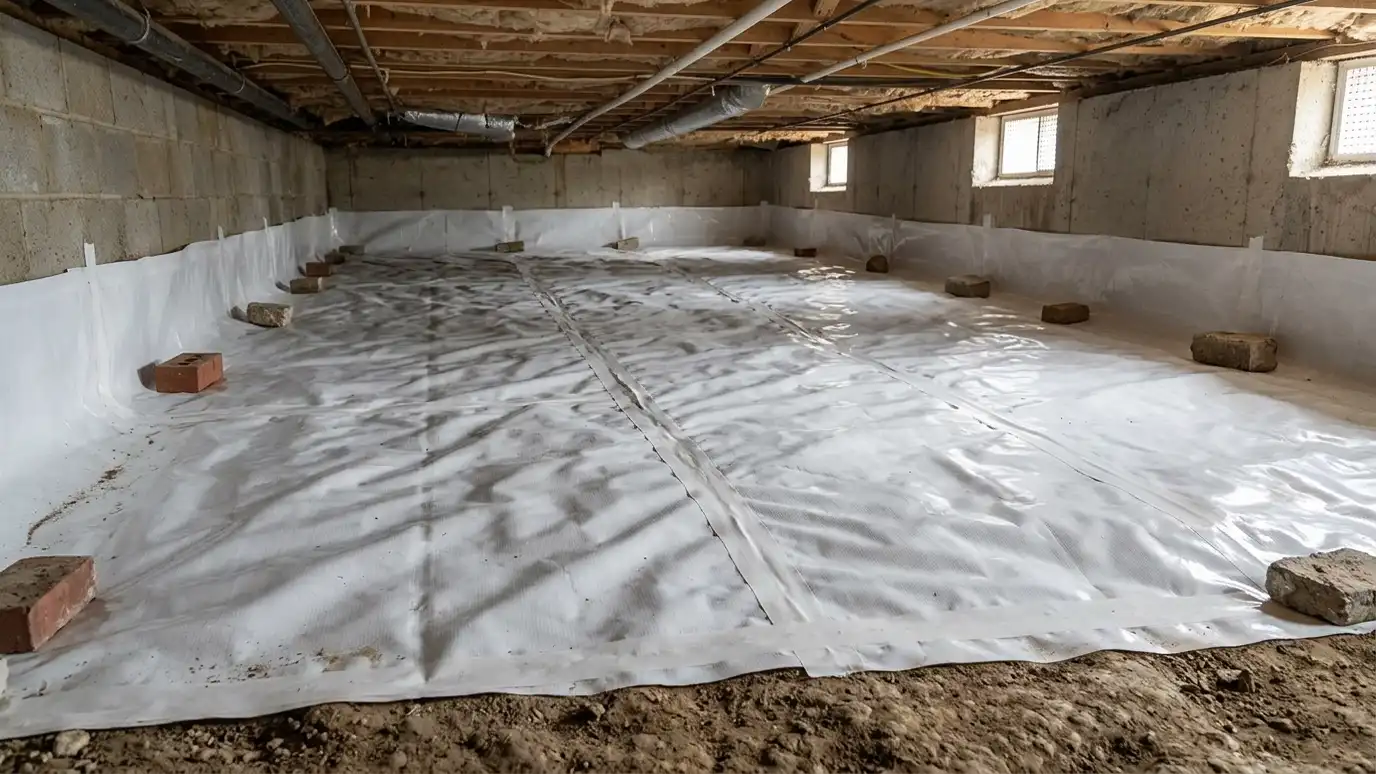 Crawl Space Vapor Barrier InstallationCrawl space vapor barrier installation with heavy poly sheeting that covers the dirt floor, overlaps and tapes at…Explore
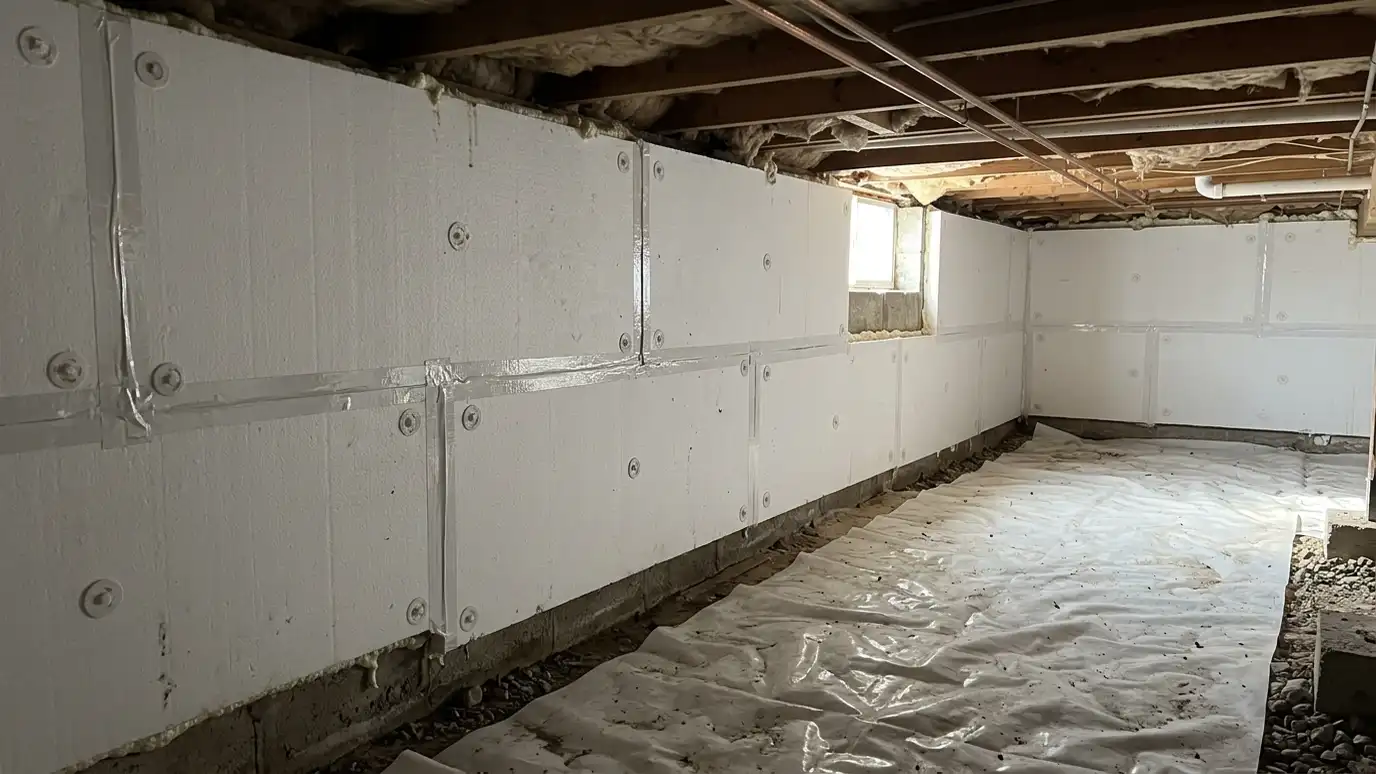 Crawl Space InsulationCrawl space insulation with foam board or spray foam on the foundation walls, or batts in the floor…Explore
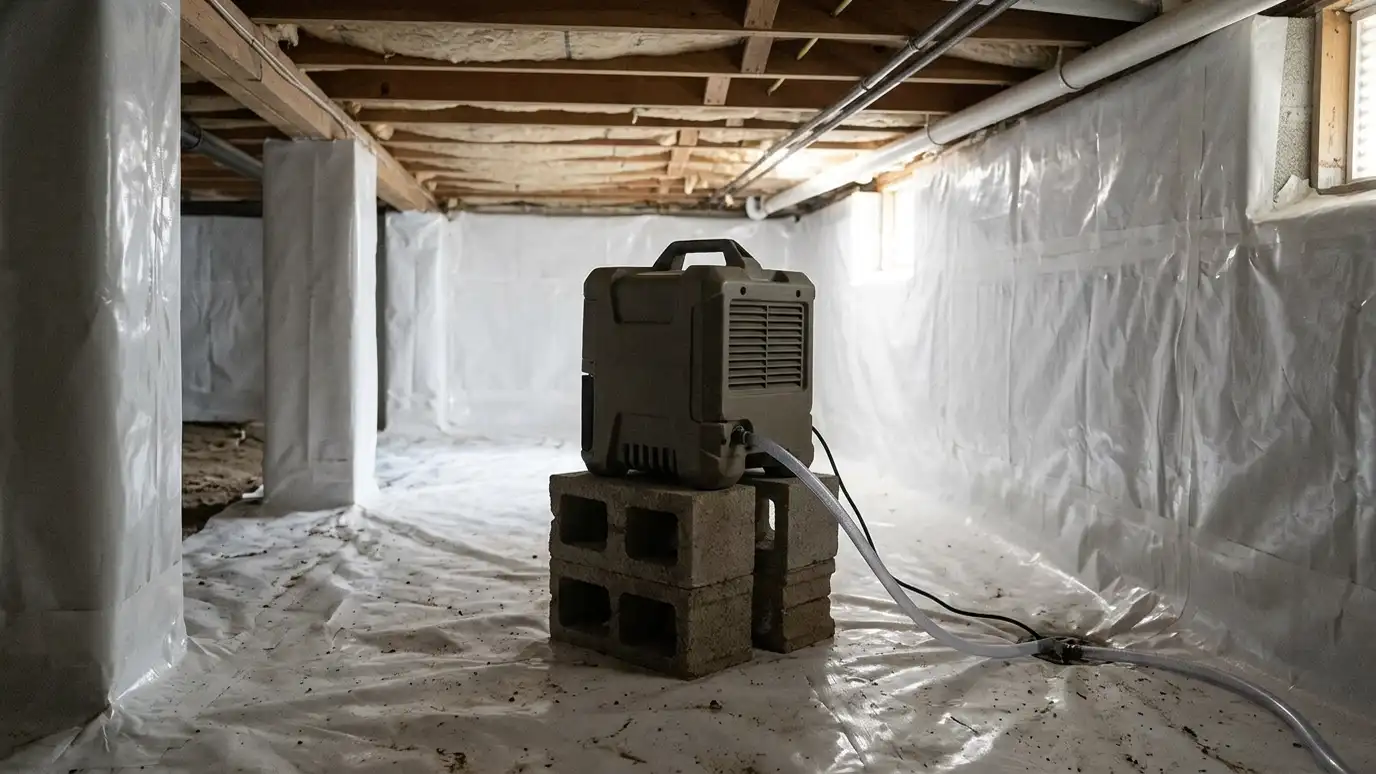 Crawl Space DehumidifiersCrawl space dehumidifiers sized for the area and the moisture load, with a drain line to a pump…Explore
Tell us about your property and we will call you back to set up a visit.
Or call (615) 357-7797 to talk now.