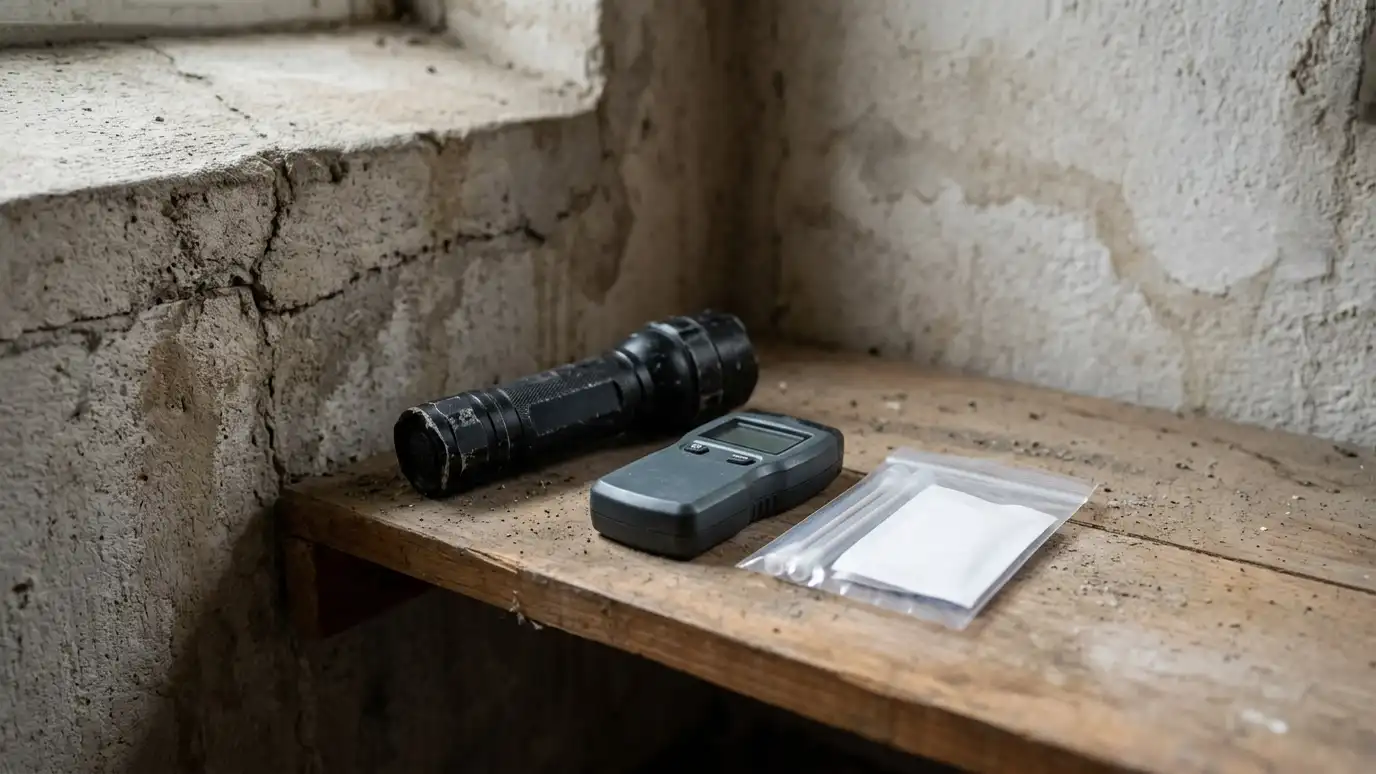
How mold grows in damp basements, why moisture control matters most and what cleanup looks like.
Mold is a living thing that needs moisture, food and time. Basements offer plenty of all three: damp air, dust, paper, wood and drywall. Mold can appear as fuzzy spots, dark stains or a musty smell. The most important step is to control the moisture, because cleaning without fixing the water leads to regrowth. Public health agencies describe moisture control as the key to mold control.
In Nashville, humid summers and wet springs make moisture the main issue in many lower levels. Fixing liquid water comes first, then humidity control, then cleanup of what can be saved and removal of what cannot. We follow EPA guidance, encourage you to read it and suggest a mold specialist for large areas or health concerns. We do not make health claims, and we keep our advice practical.
Water and humidity are what allow mold to grow.
Wood, paper, fabric and drywall feed mold.
Stains, fuzzy spots and musty smells are common clues.
Keeping humidity in range slows growth.
Hard surfaces can be cleaned, and porous materials may need removal.
Drainage, dehumidification and checks keep it from returning.
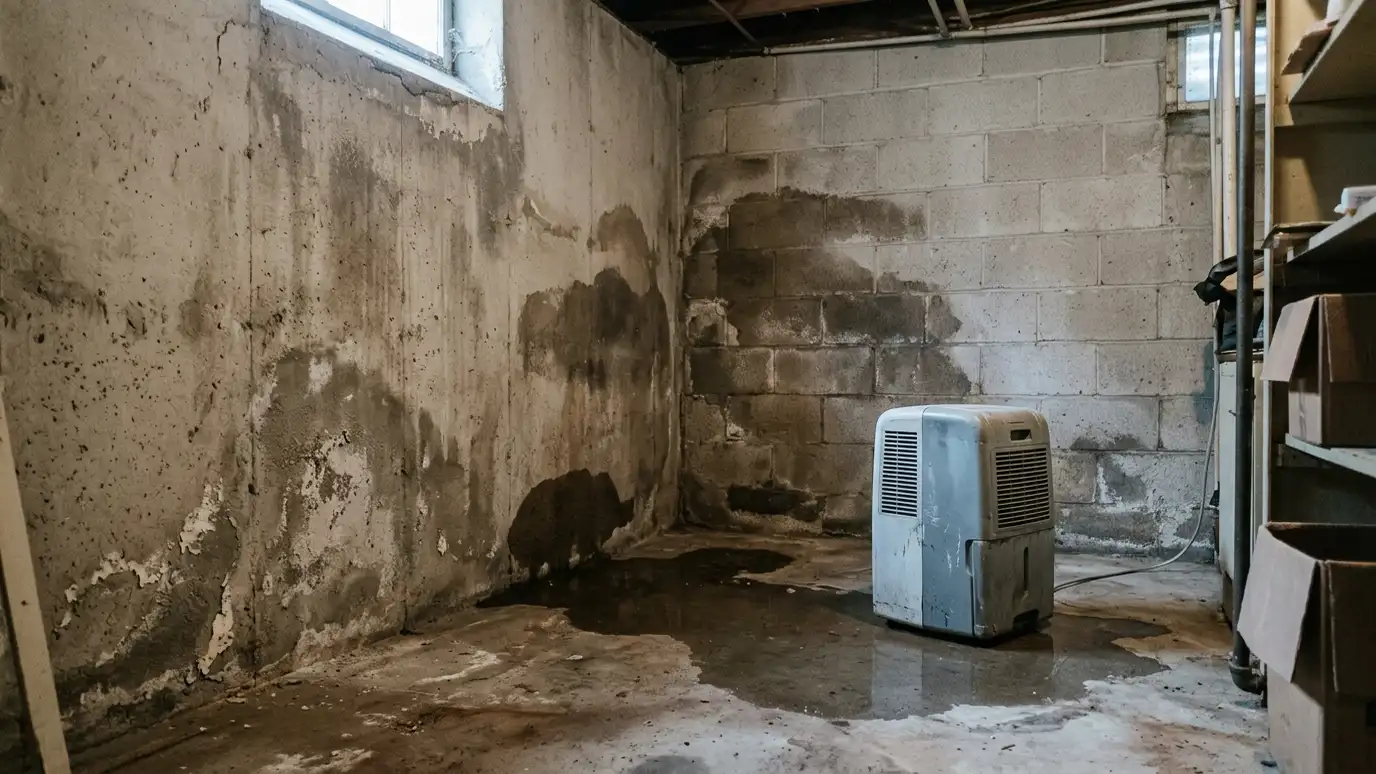 Wet Basement RepairWet basement repair that finds where the water comes from, from wall seepage and floor joint leaks to…Explore
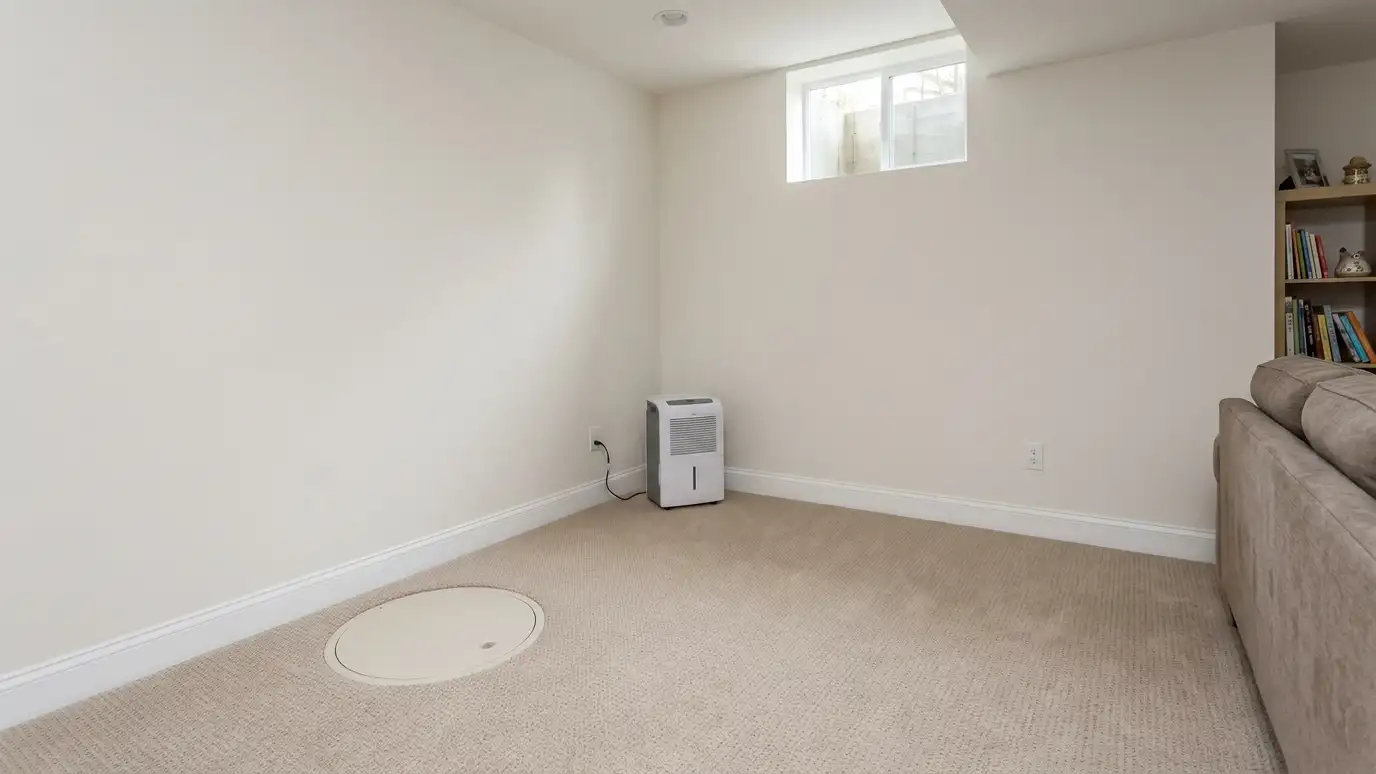 Finished Basement Water Damage ProtectionFinished basement water damage protection with drainage, sump pumps, alarms and smart choices of materials, so the rooms…Explore
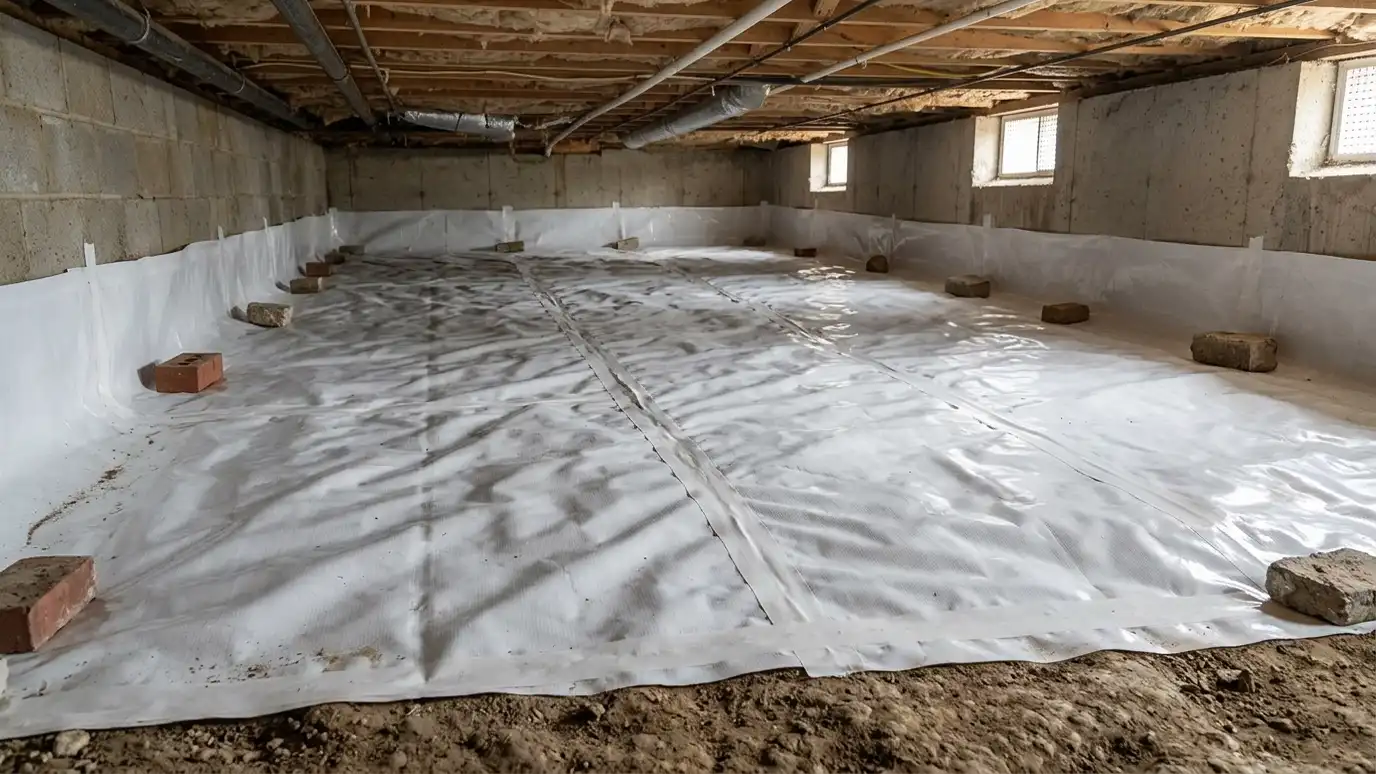 Crawl Space Vapor Barrier InstallationCrawl space vapor barrier installation with heavy poly sheeting that covers the dirt floor, overlaps and tapes at…Explore
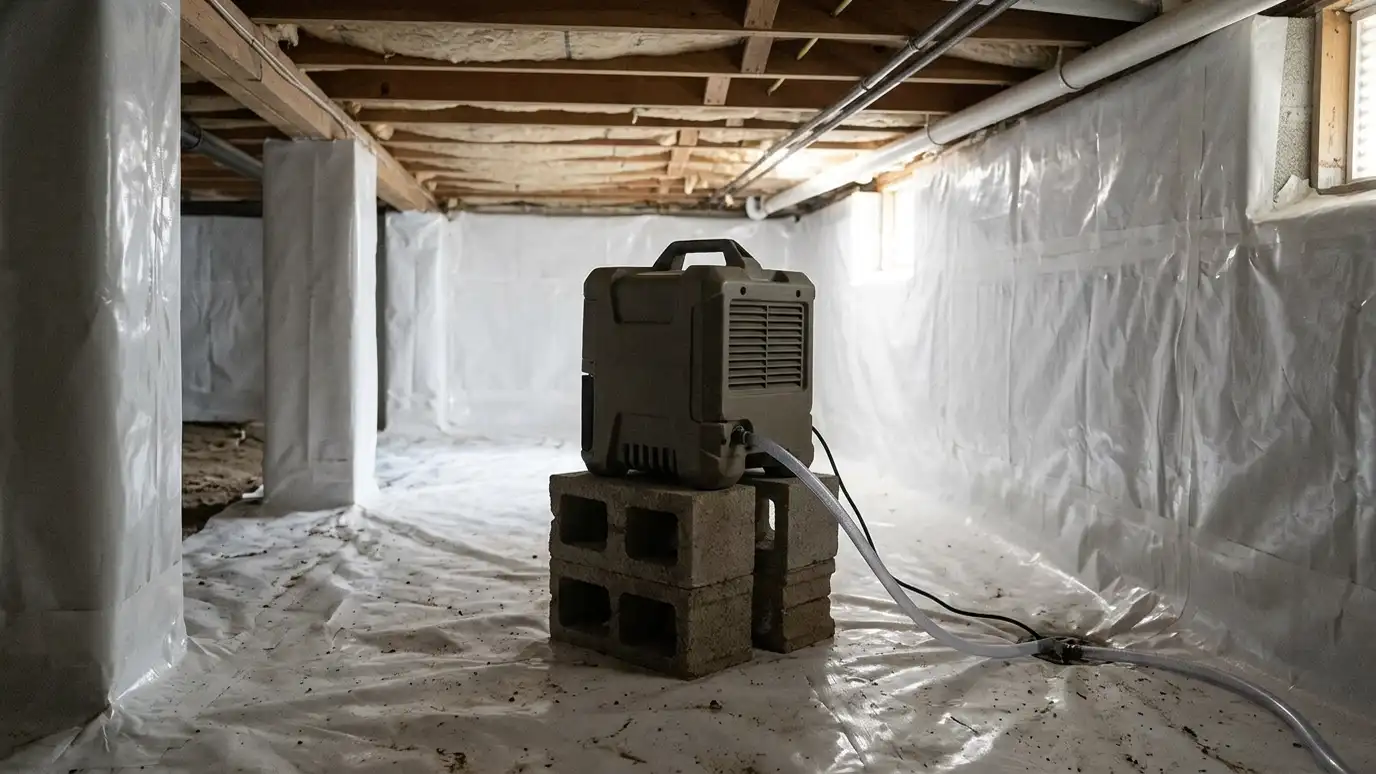 Crawl Space DehumidifiersCrawl space dehumidifiers sized for the area and the moisture load, with a drain line to a pump…Explore
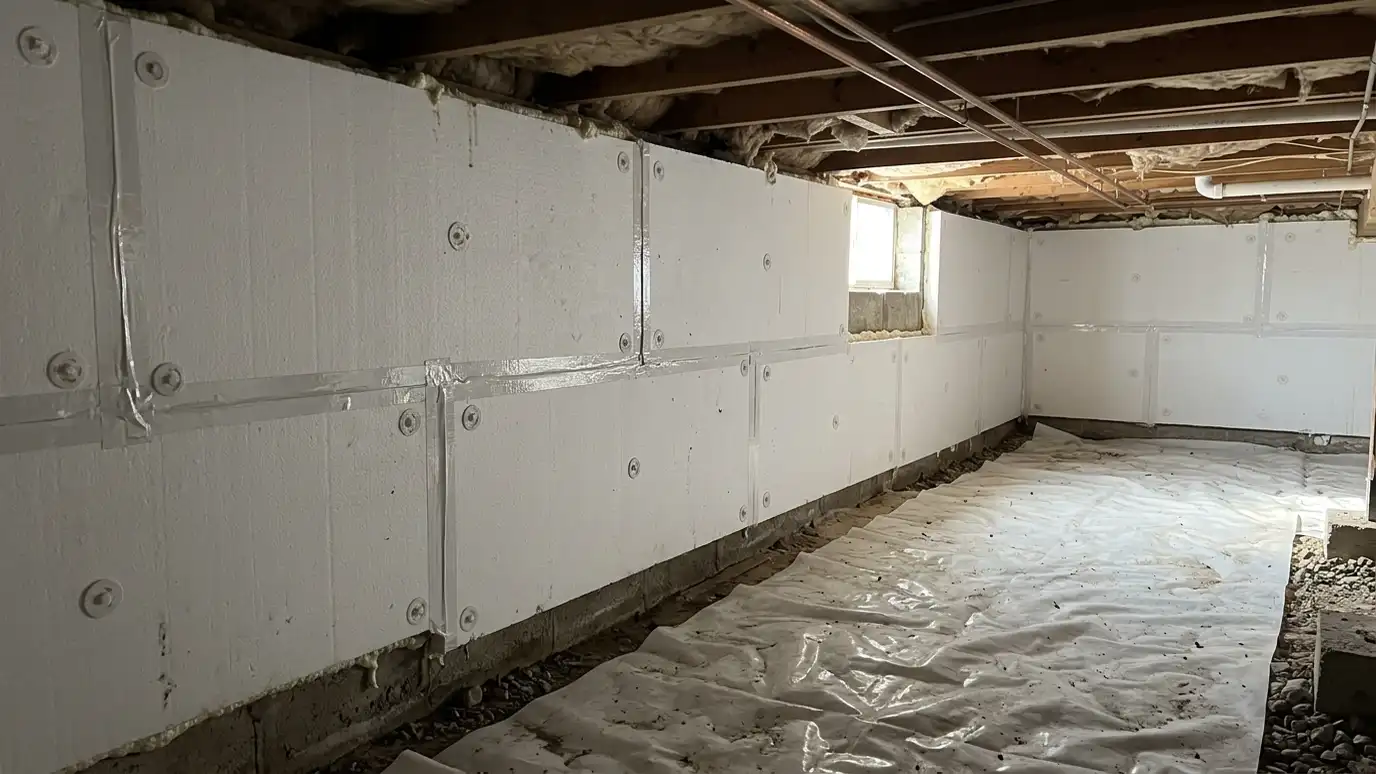 Crawl Space InsulationCrawl space insulation with foam board or spray foam on the foundation walls, or batts in the floor…Explore
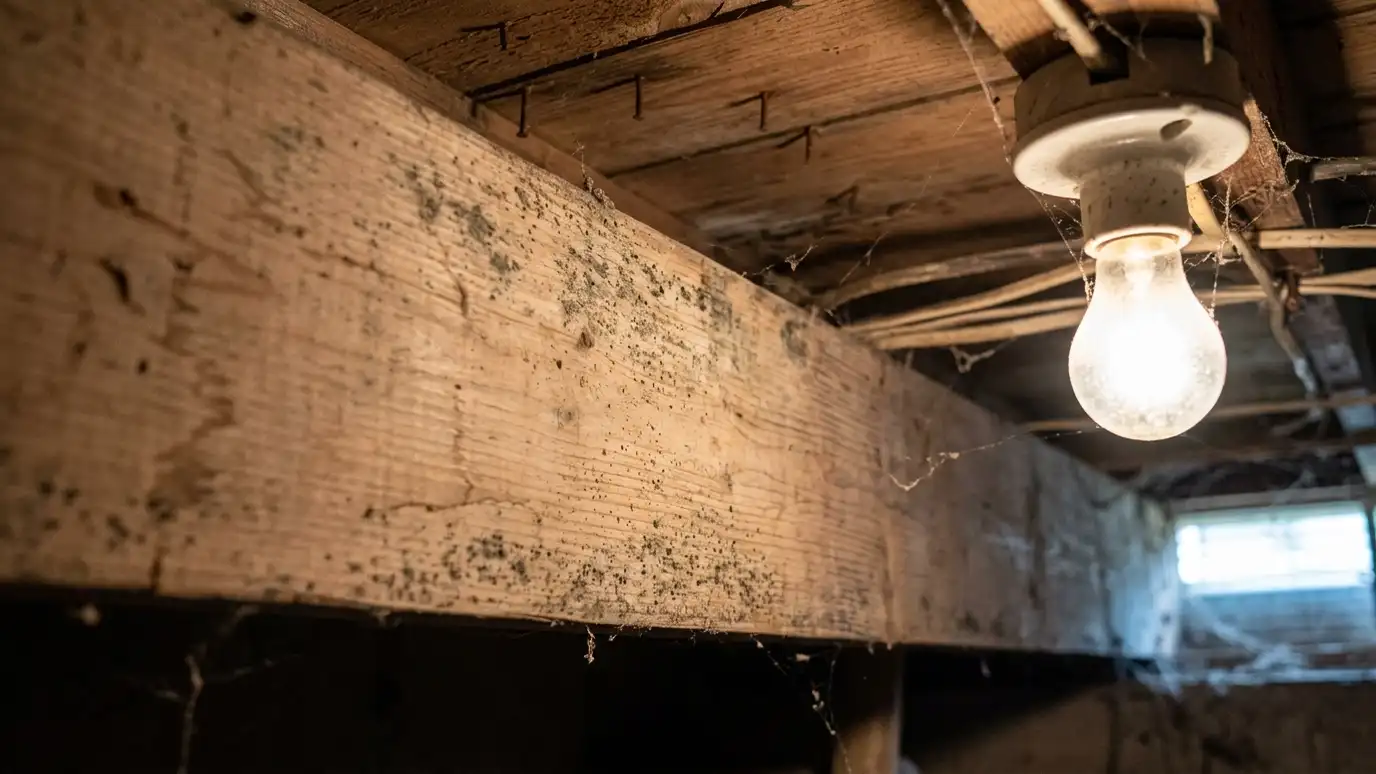 Crawl Space Mold and Moisture CleanupCrawl space mold and moisture cleanup that removes damaged material, treats surfaces and fixes the moisture source so…Explore
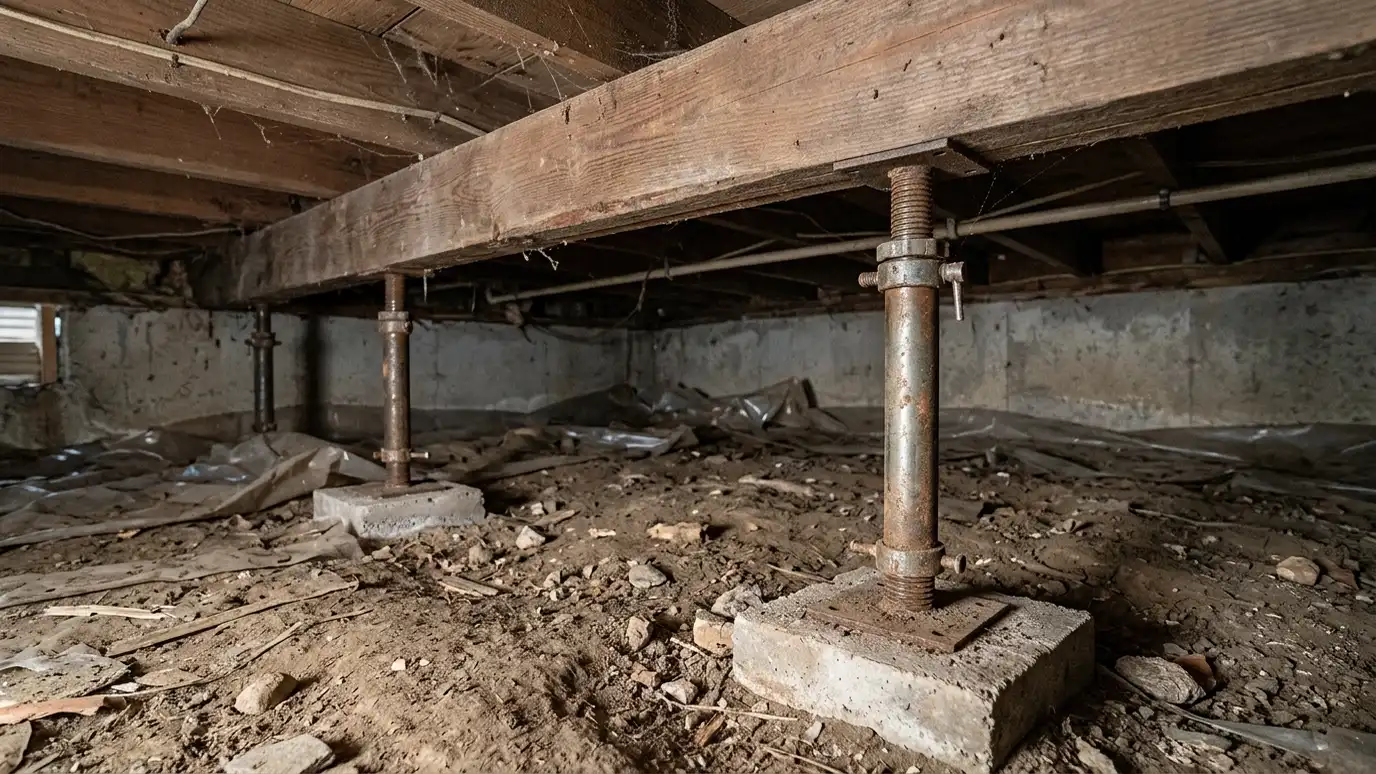 Crawl Space Support Posts and Sagging FloorsCrawl space support posts and sagging floor repair with adjustable steel posts, concrete footings and sister beams that…Explore
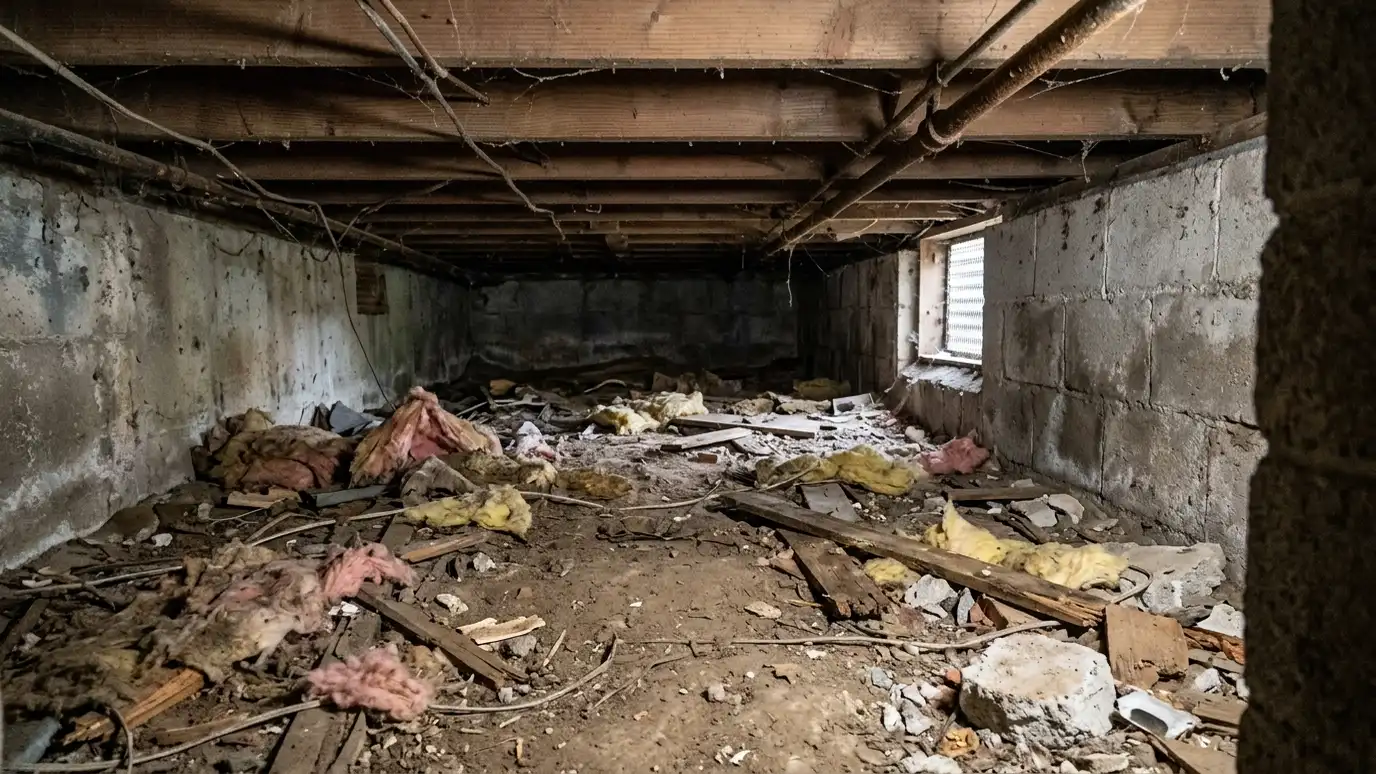 Crawl Space Cleanout and Debris RemovalCrawl space cleanout and debris removal that clears old insulation, trash, wood scraps and animal waste so the…Explore
Size a pump, check your home or ballpark a budget.
 Sump Pump and Dehumidifier Sizing CalculatorEnter floor area, lift, pipe run, ceiling height and dampness to see a planning pump flow or dehumidifier capacity for a basement or crawl space.Try it
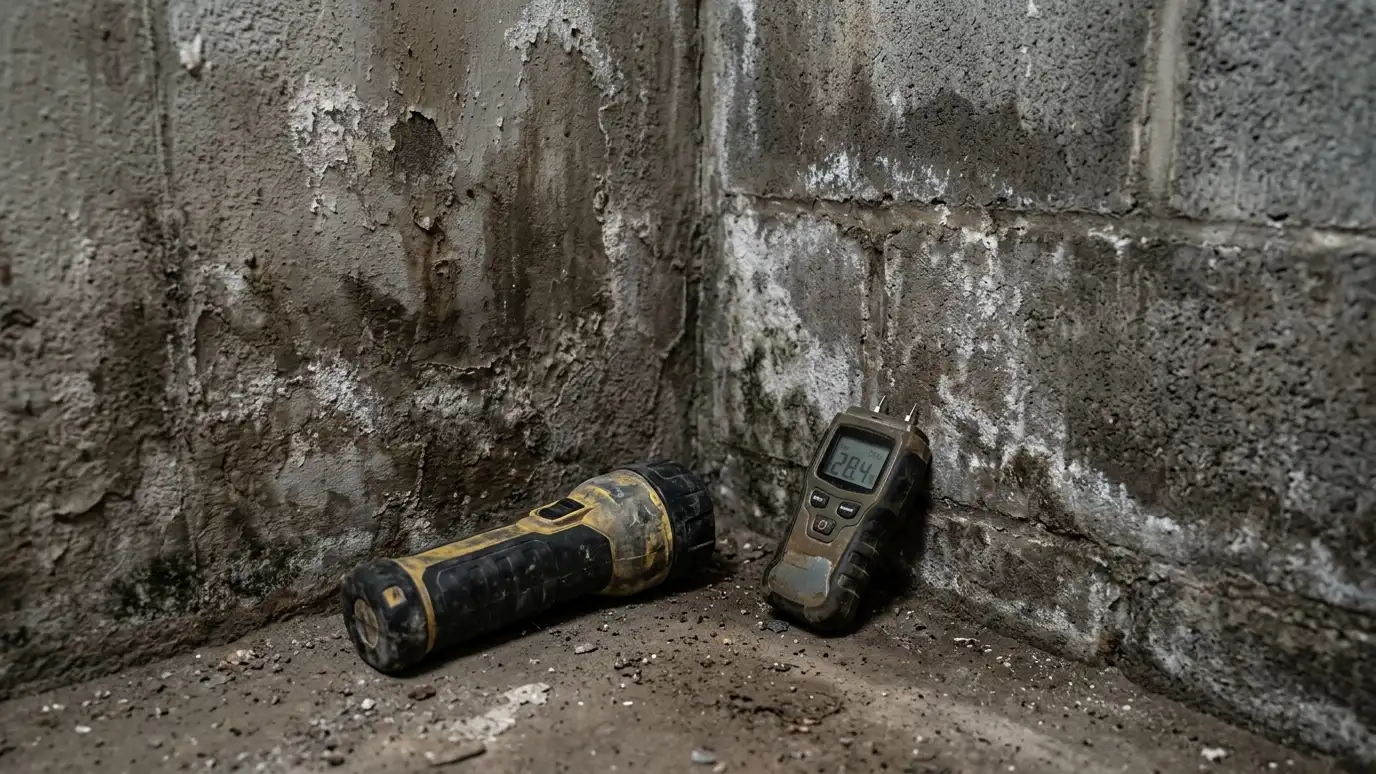 Basement Dryness Checker: How Ready Is Your Home?Pick the area, set the condition and tick what applies to see what to check, service or inspect before the next heavy rain.Try it
 Waterproofing Budget PlannerPick a drain, pump, repair, crawl space or drainage project, set the size and add allowances to see a ballpark planning range. Placeholder values only.Try it
Not always. Fixing the moisture and cleaning visible growth come first.
Not usually. We use methods that suit the surface, and EPA guidance explains more.
It can if moisture returns. Control of water and humidity is the best prevention.
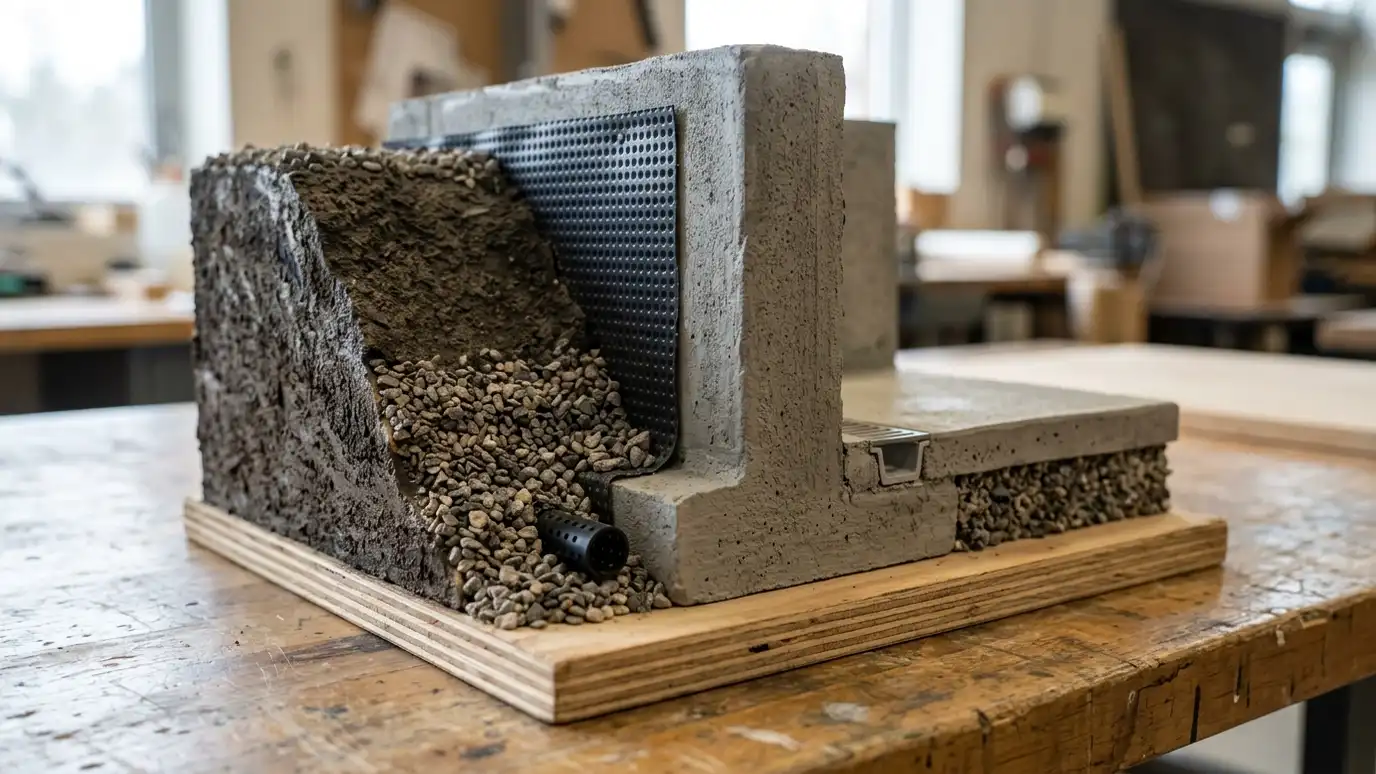 Comparison guideInterior vs ExteriorHow interior drains and exterior membranes differ in where they work, how much digging they need and what…Learn more
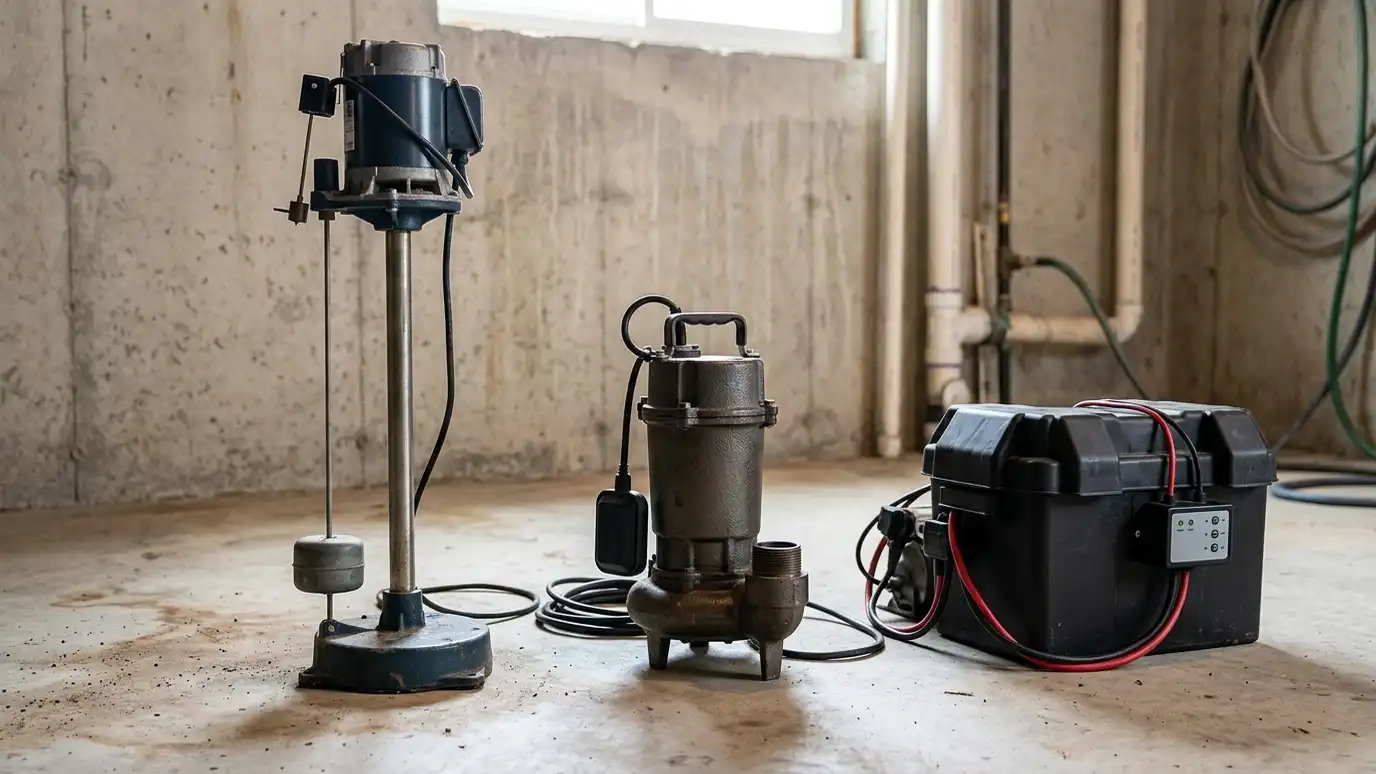 Comparison guideSump Pump TypesHow submersible, pedestal, battery backup and water-powered pumps differ in noise, life, cost to run and what happens…Learn more
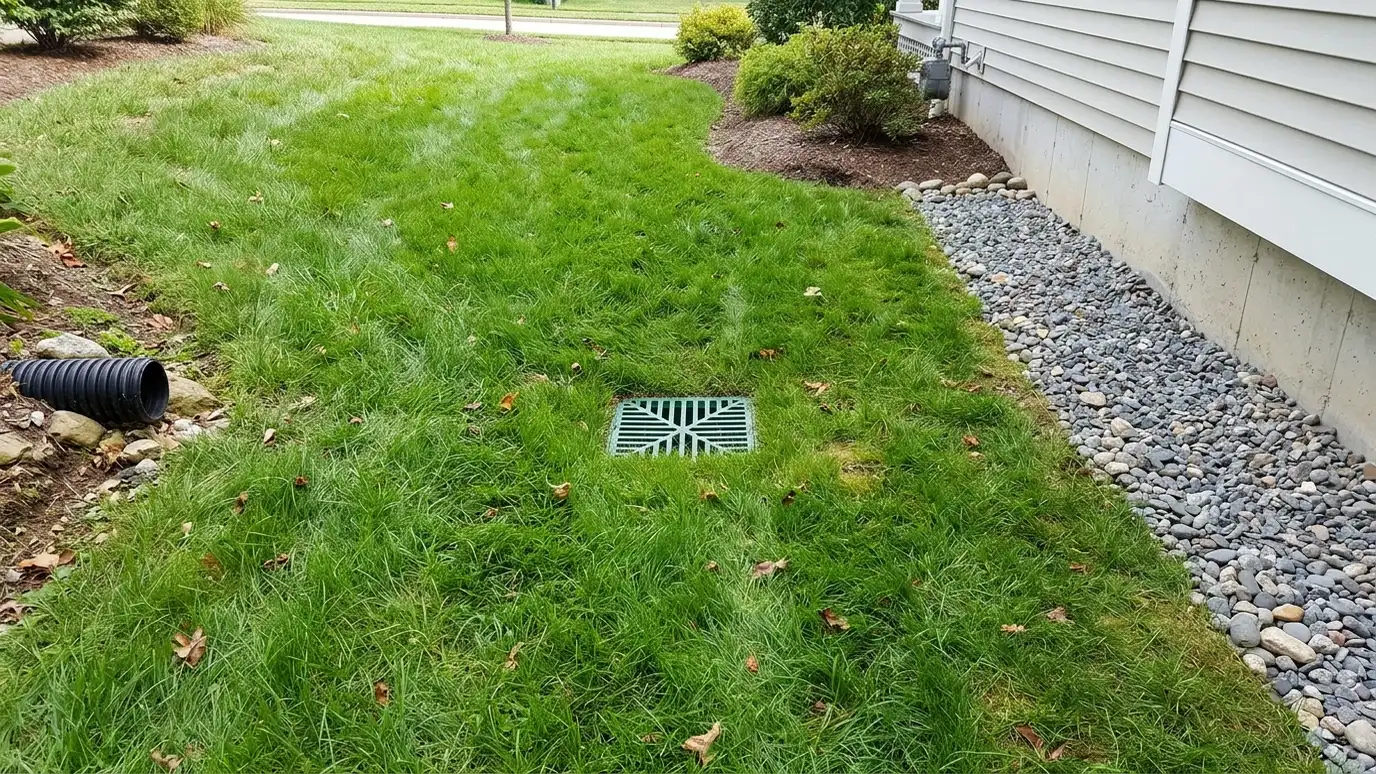 Comparison guideFrench Drain TypesHow interior, exterior footing, curtain and surface drains differ in where they collect water and where it goes.Learn more
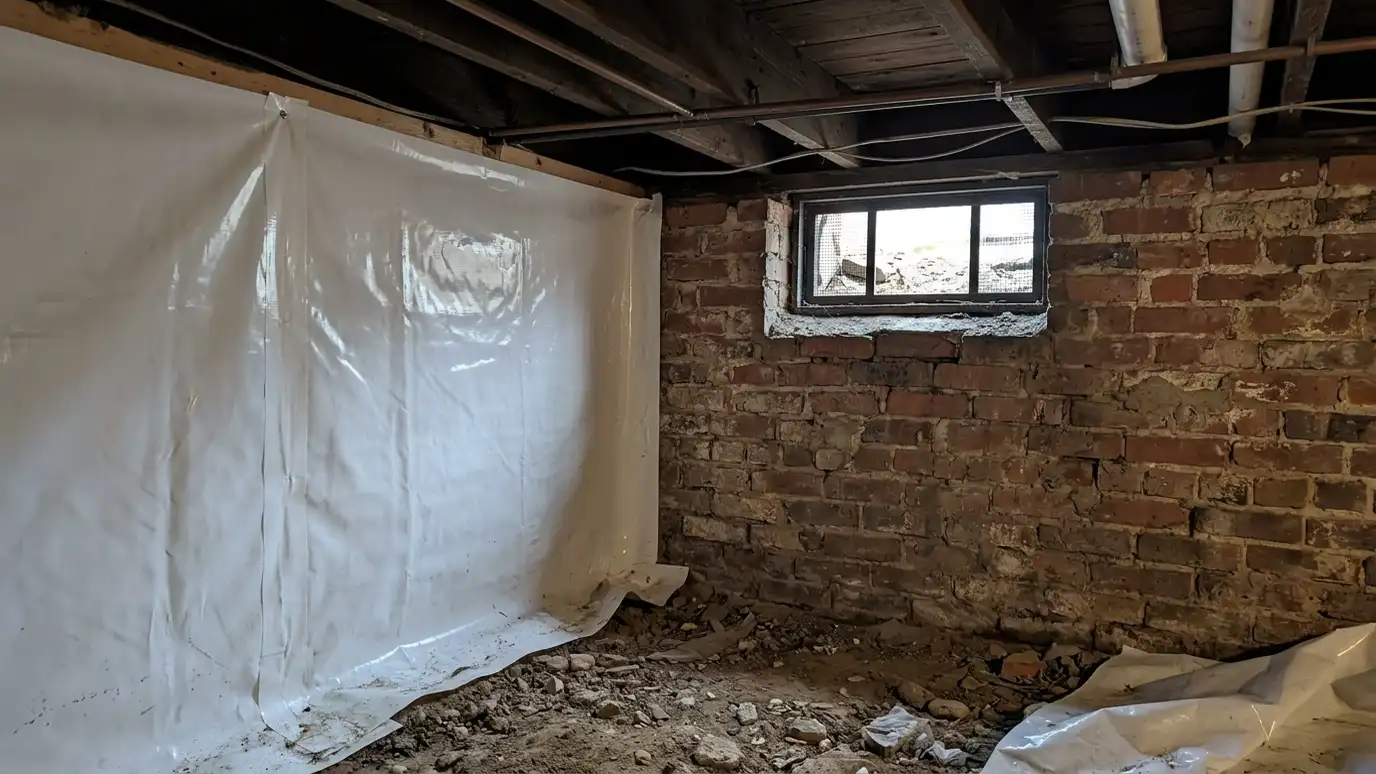 Comparison guideEncapsulation vs VentsHow a sealed, controlled crawl space differs from a vented one in moisture, air movement, insulation and upkeep.Learn more
Call us and describe what you have seen. We will visit, find the source of the water and give you a clear written plan.