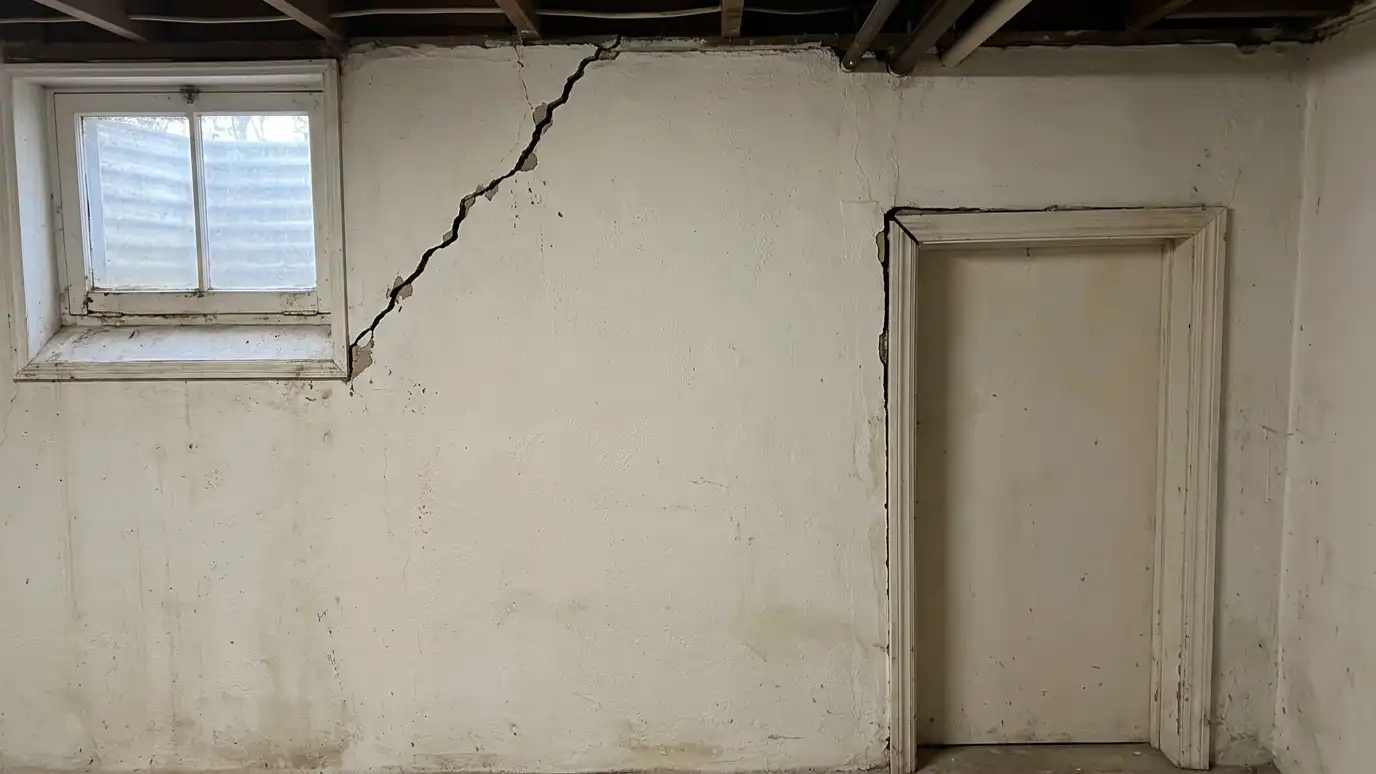
How to read cracks, sticking doors, sloping floors and gaps, and which signs call for a closer look.
Foundations move a little in every house, and most movement is minor. A few signs call for a closer look: a crack that is wider at one end, a stair-step crack in brick or block, a horizontal crack in a basement wall, doors and windows that stick or no longer latch, floors that slope or bounce and gaps between walls and ceilings. One sign alone may mean little, but several together deserve attention.
Soil is the main cause. Clay shrinks in dry spells and swells after rain, and water that collects near the foundation can wash soil out or soften it. Around Nashville, owners often notice signs after a drought followed by heavy rain. A visit measures what you have, and when needed, a structural engineer reviews it. We never promise to know the cause from a photo, but photos and notes are a good start.
Direction, width and offset suggest shrinkage, settlement or pressure.
Doors and windows that bind can point to movement.
A marble or level shows slope you can feel.
Gaps at trim, brick or ceilings may show shifting.
Stains and mineral deposits show where water is moving.
Marks and gauges turn worry into data.
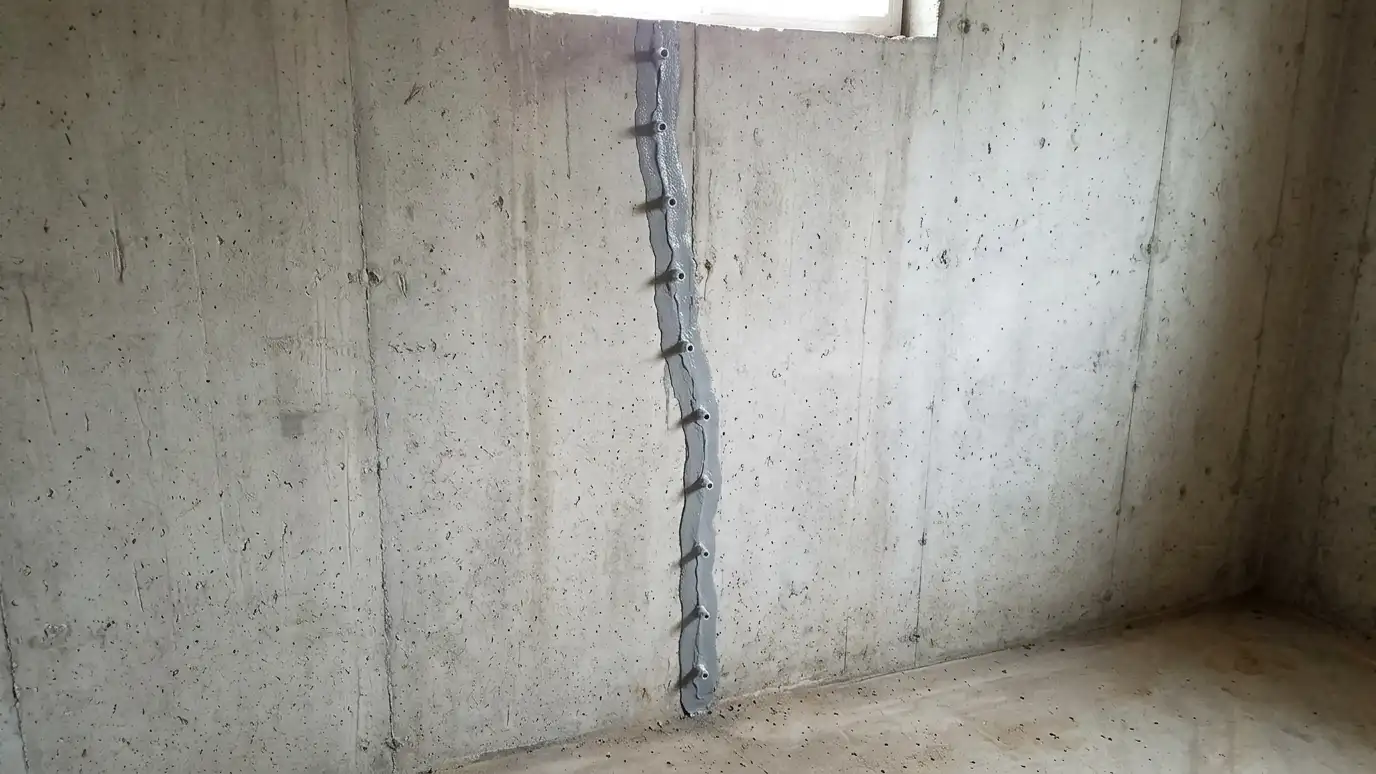 Basement Wall Crack RepairBasement wall crack repair that identifies why the wall cracked, then seals vertical, diagonal and horizontal cracks with…Explore
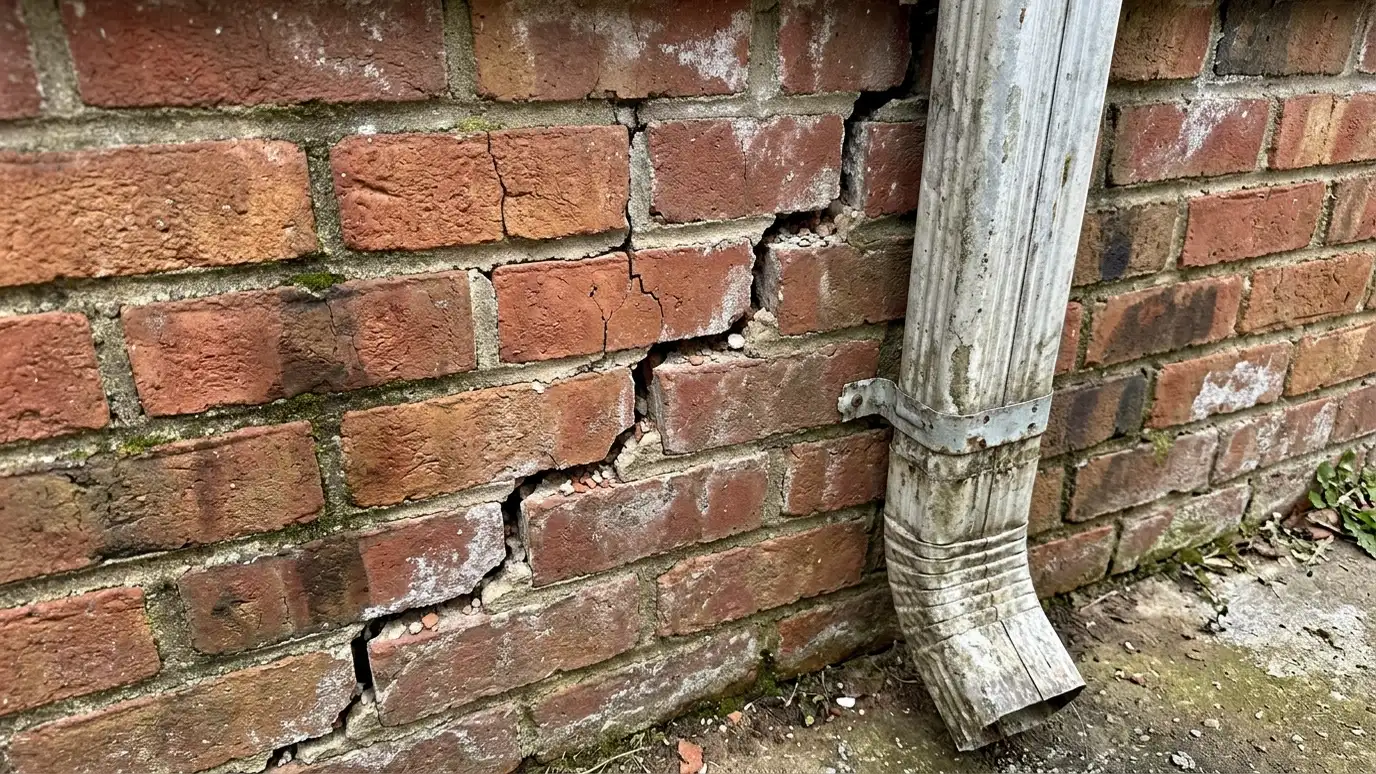 Foundation Crack RepairFoundation crack repair that reads the pattern of each crack, seals the ones that are stable and flags…Explore
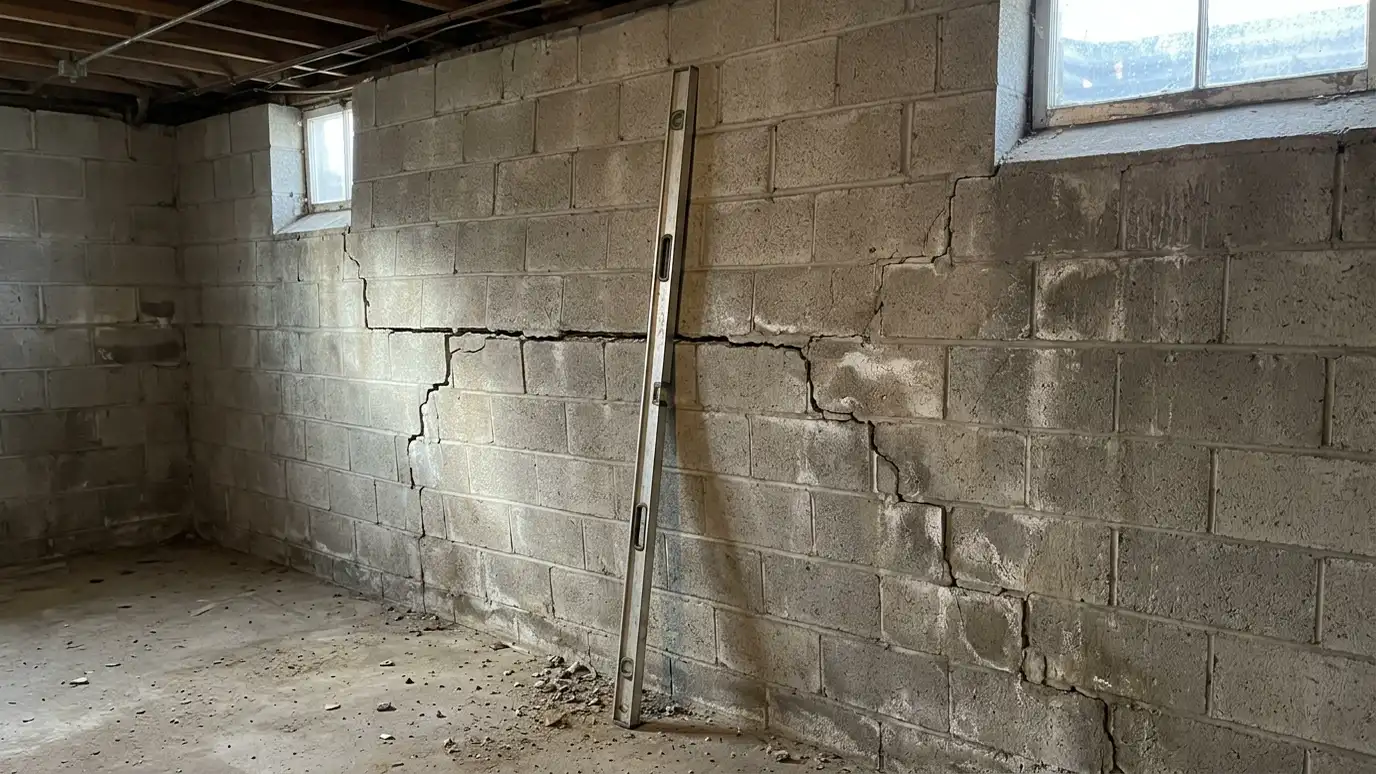 Bowing Wall RepairBowing wall repair that measures how far a foundation wall leans, finds the pressure behind it and recommends…Explore
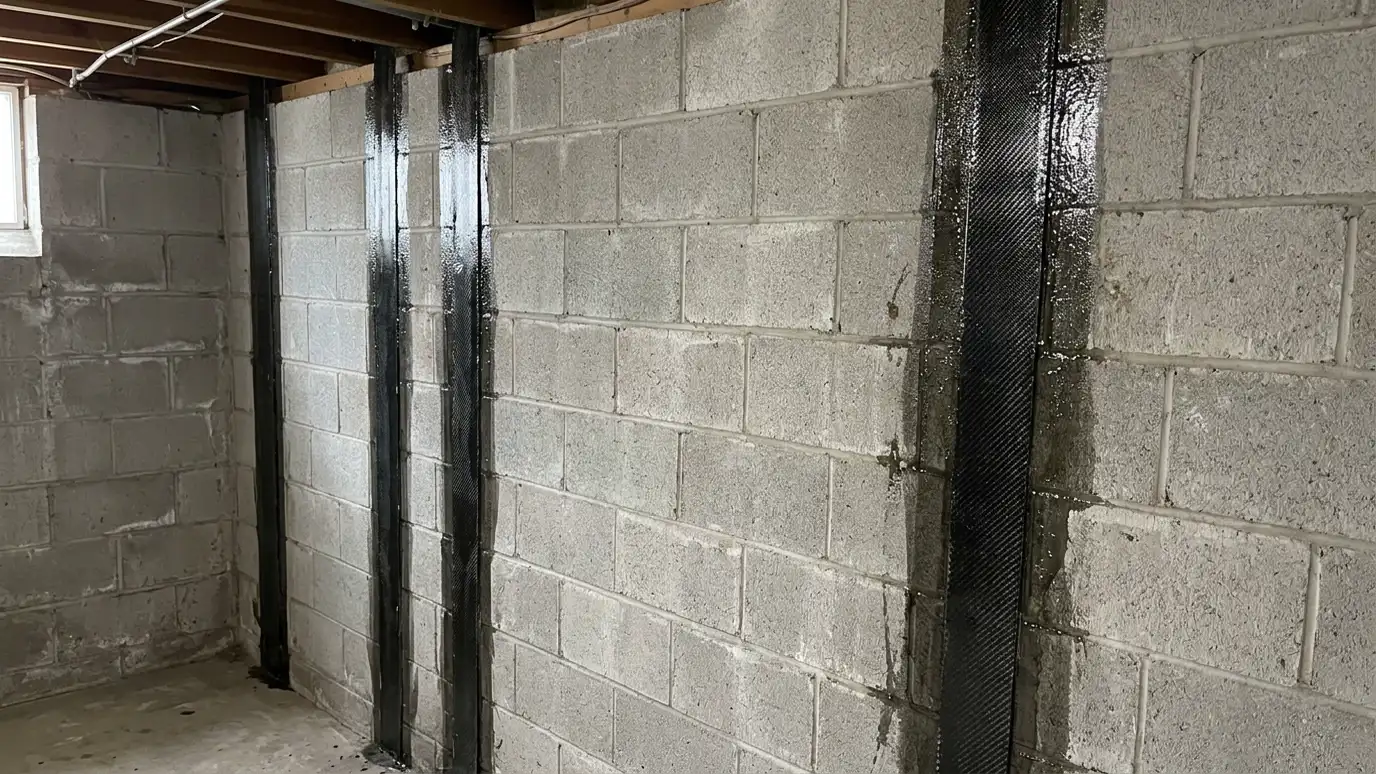 Wall Anchors and Carbon Fiber StrapsWall anchors and carbon fiber straps that stabilize leaning basement walls by tying them to stronger soil or…Explore
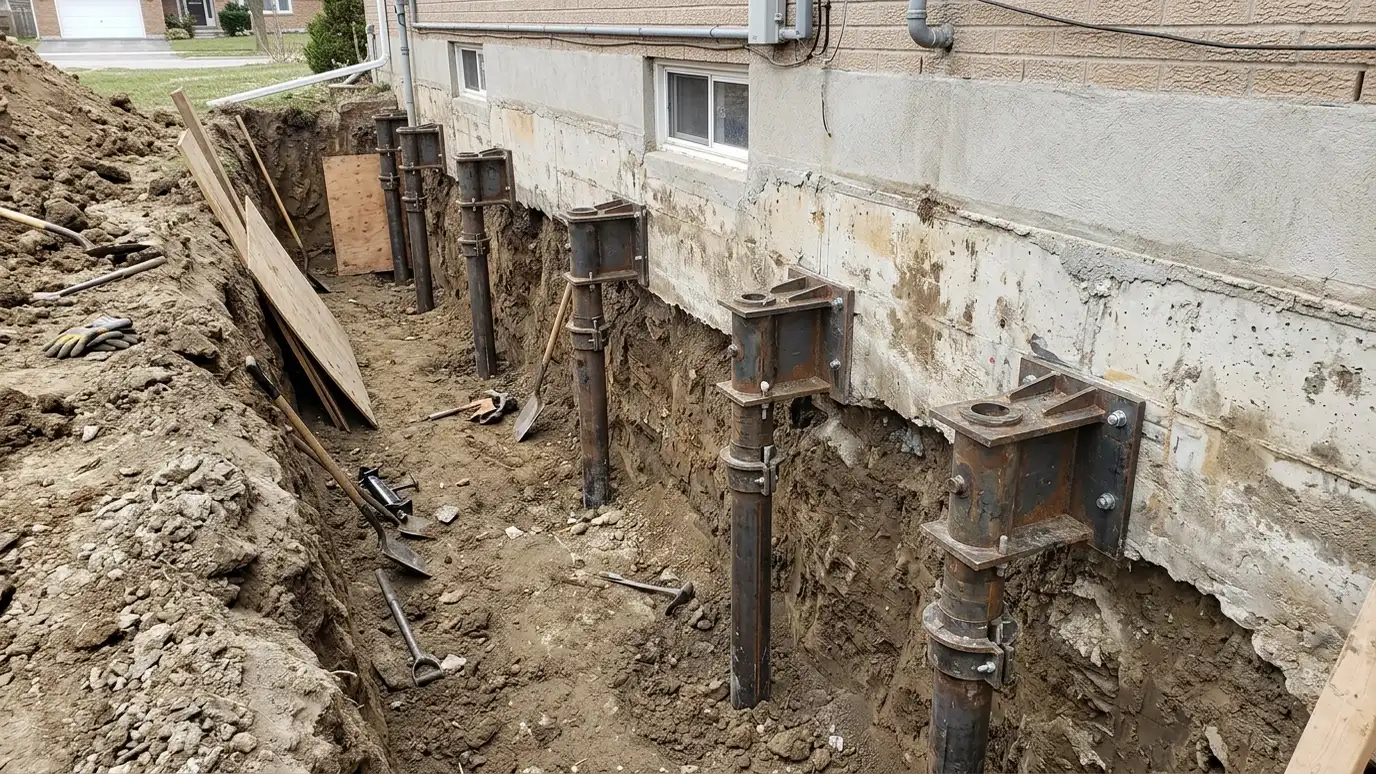 Foundation Piers and UnderpinningFoundation piers and underpinning that transfer a settling house onto deeper, more stable soil or rock, with engineered…Explore
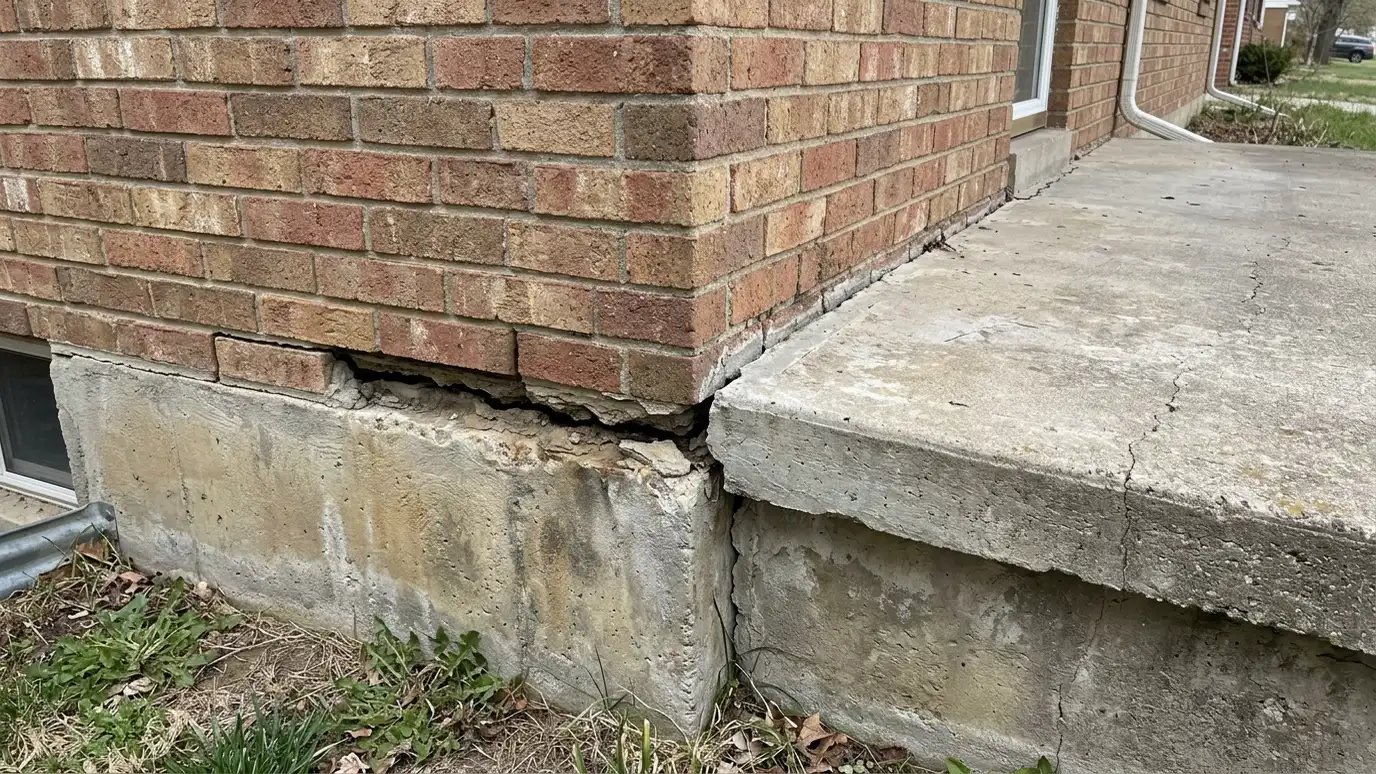 Settling Foundation and Sinking Slab RepairSettling foundation and sinking slab repair that finds why soil gave way, then stabilizes the ground or the…Explore
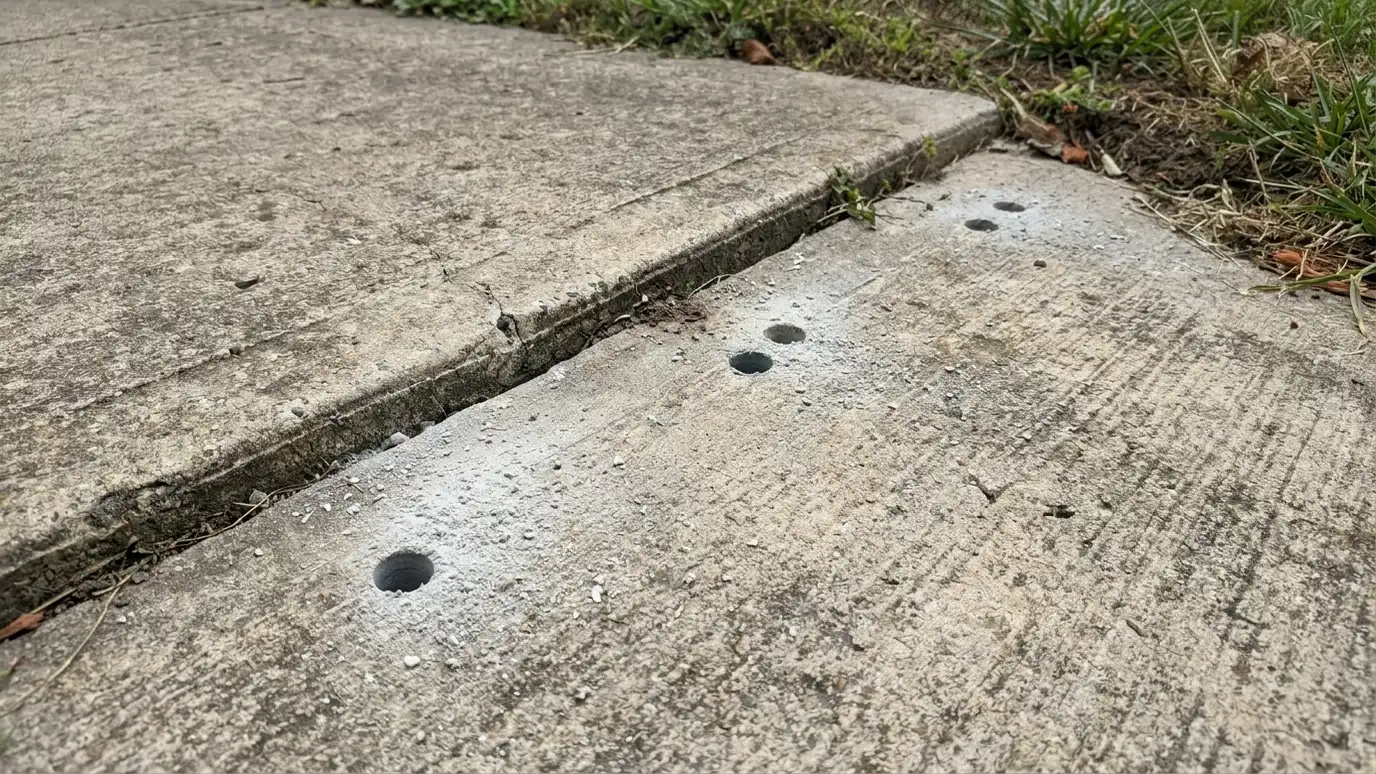 Slab Lifting and LevelingSlab lifting and leveling for sunken driveways, patios, walkways and garage floors, using injected foam or grout to…Explore
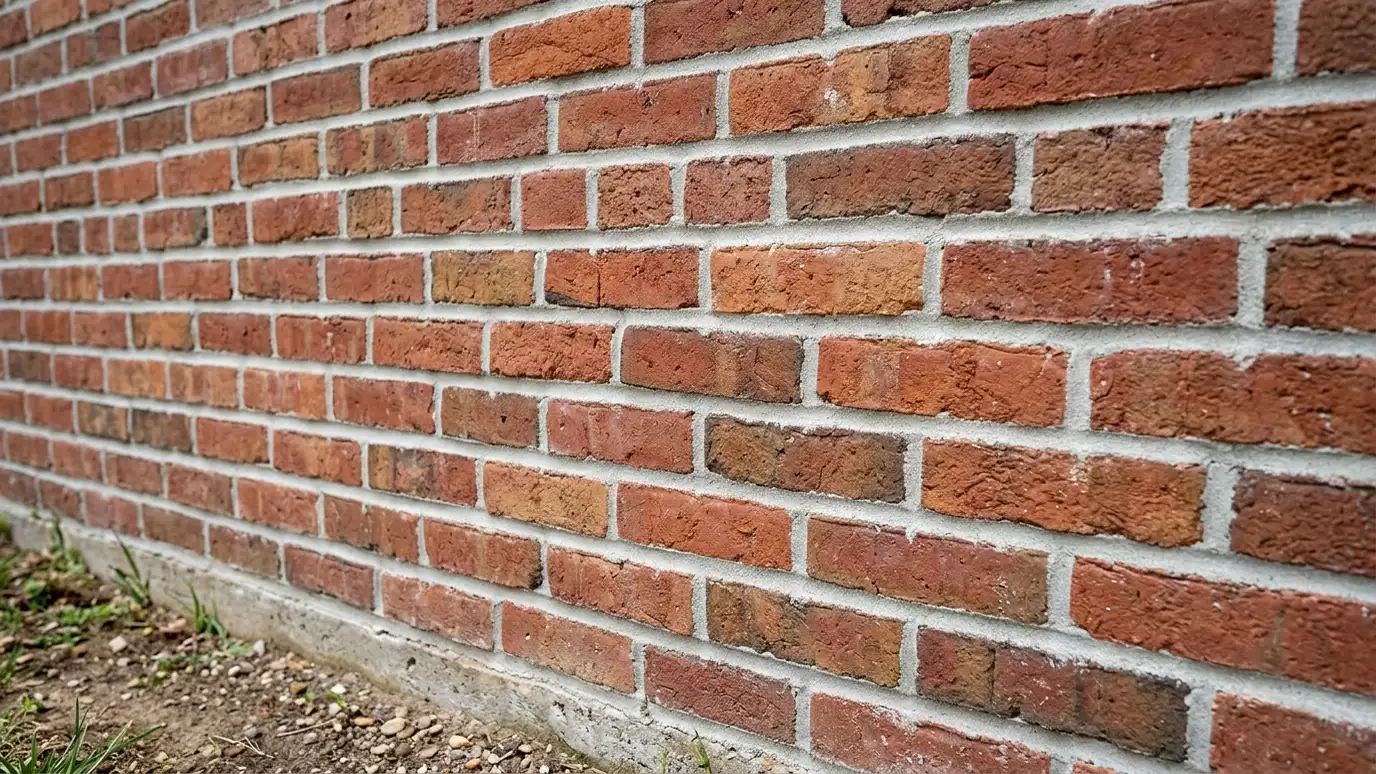 Block and Brick Foundation RepairBlock and brick foundation repair that rebuilds failing mortar joints, replaces damaged units and seals walls so water…Explore
Size a pump, check your home or ballpark a budget.
 Sump Pump and Dehumidifier Sizing CalculatorEnter floor area, lift, pipe run, ceiling height and dampness to see a planning pump flow or dehumidifier capacity for a basement or crawl space.Try it
 Basement Dryness Checker: How Ready Is Your Home?Pick the area, set the condition and tick what applies to see what to check, service or inspect before the next heavy rain.Try it
 Waterproofing Budget PlannerPick a drain, pump, repair, crawl space or drainage project, set the size and add allowances to see a ballpark planning range. Placeholder values only.Try it
No. Many are cosmetic. Width, direction and change over time matter.
For larger movement or any doubt, yes. We can refer you and work to their plan.
Yes. Mark the ends and date them. We can also place a gauge.
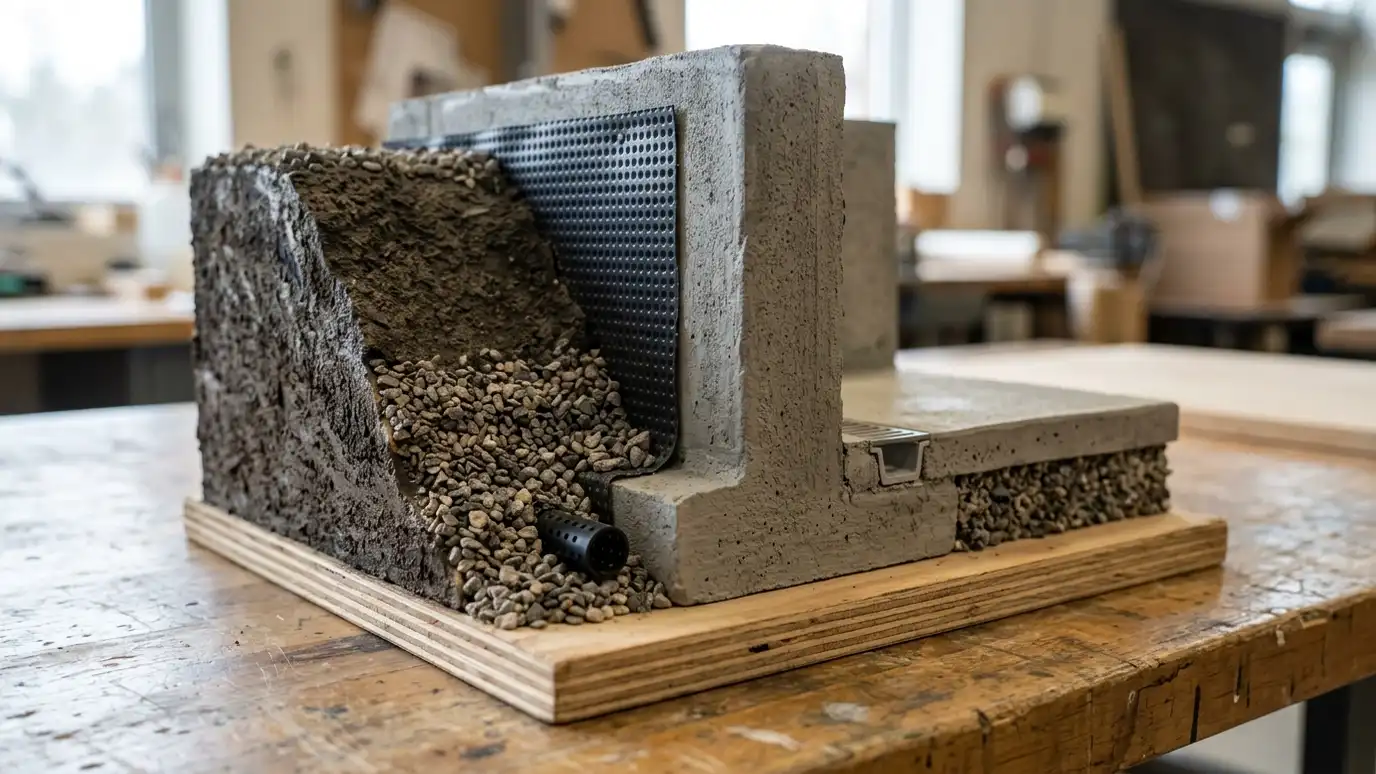 Comparison guideInterior vs ExteriorHow interior drains and exterior membranes differ in where they work, how much digging they need and what…Learn more
 Comparison guideSump Pump TypesHow submersible, pedestal, battery backup and water-powered pumps differ in noise, life, cost to run and what happens…Learn more
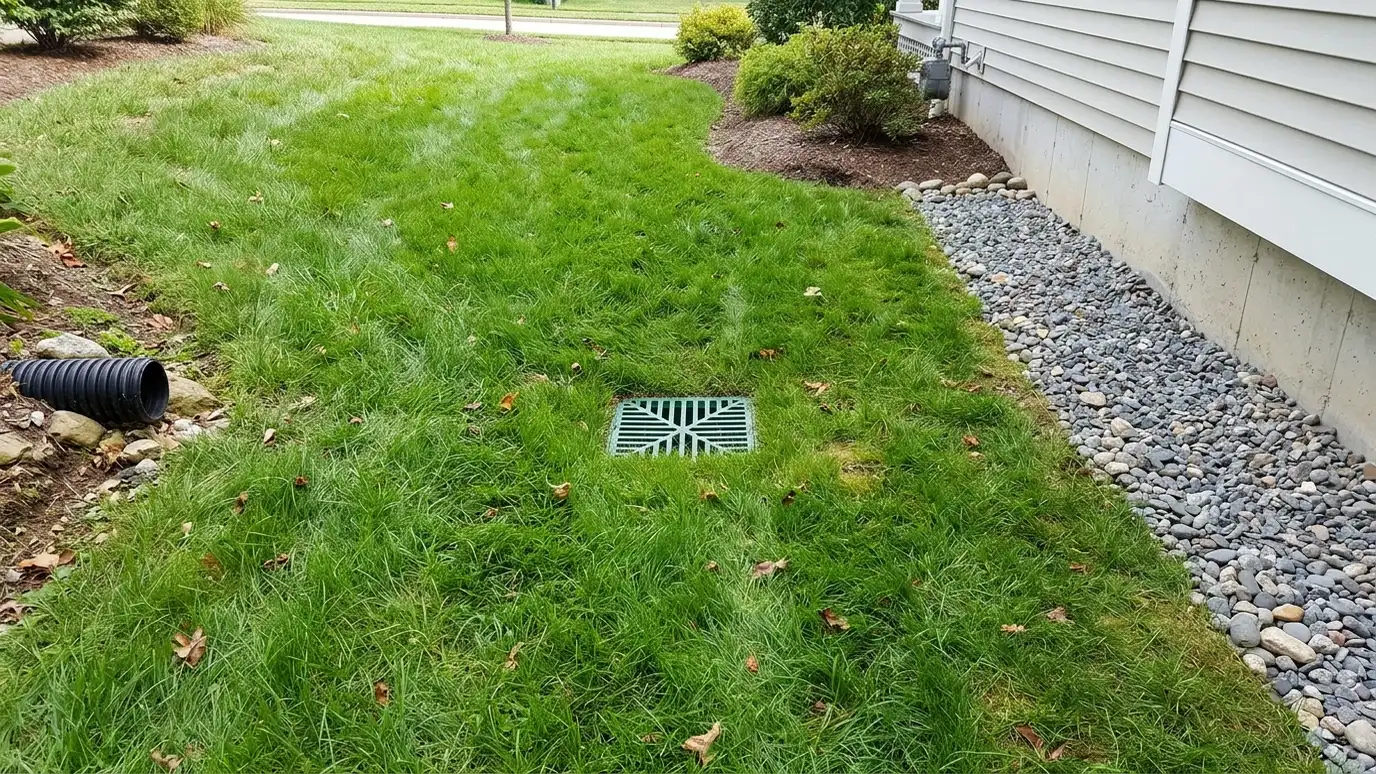 Comparison guideFrench Drain TypesHow interior, exterior footing, curtain and surface drains differ in where they collect water and where it goes.Learn more
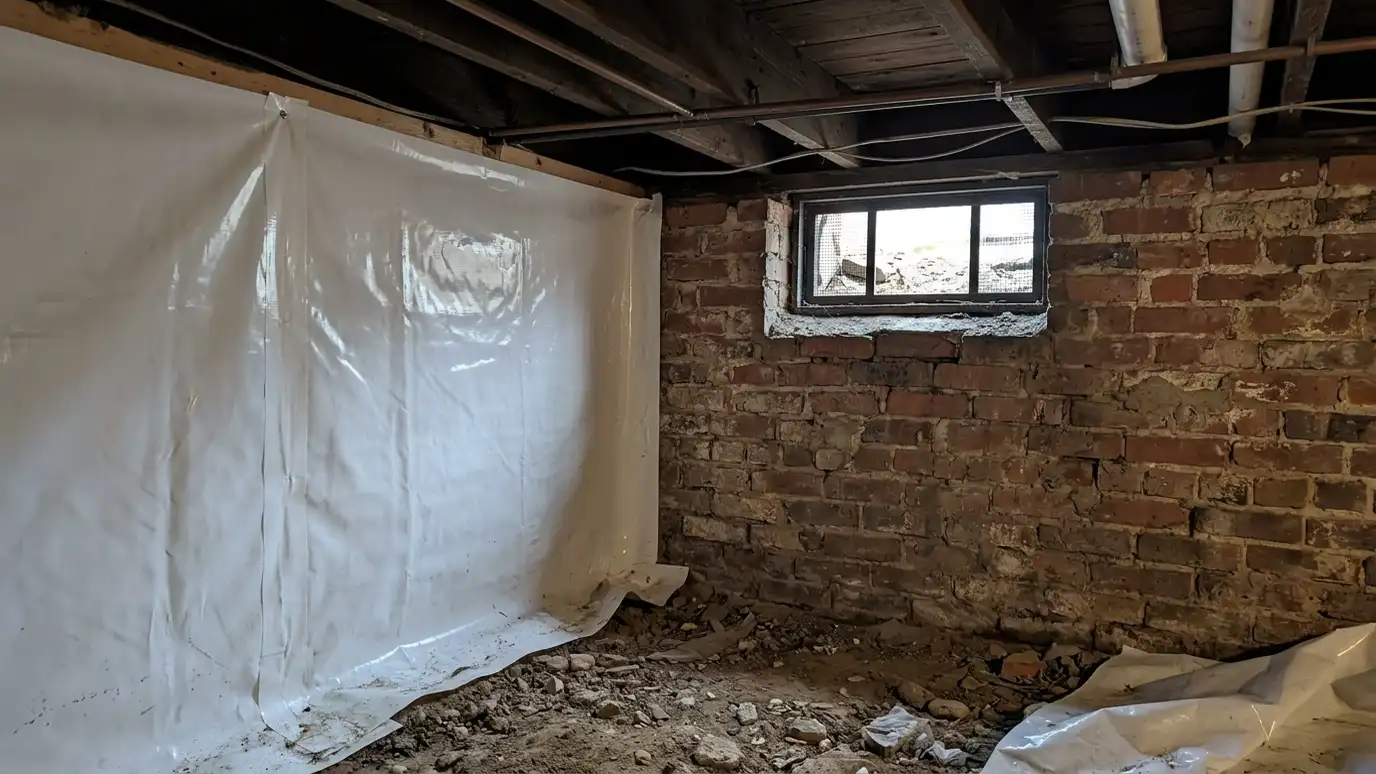 Comparison guideEncapsulation vs VentsHow a sealed, controlled crawl space differs from a vented one in moisture, air movement, insulation and upkeep.Learn more
Call us and describe what you have seen. We will visit, find the source of the water and give you a clear written plan.