Basement dehumidifiers and humidity control with the right size, a drain line and a humidity monitor, so damp summer air does not turn your basement musty.
Even a dry basement can feel clammy in a Middle Tennessee summer. Warm, humid air comes in, meets cool concrete and leaves moisture on the walls, the boxes and the carpet. A dehumidifier removes that water from the air, and humidity control protects stored items, finished rooms and your nose. The trouble is choosing a unit that is big enough, built for the conditions and drained properly. Many Nashville basements run a tiny unit that cannot keep up and needs emptying every day.
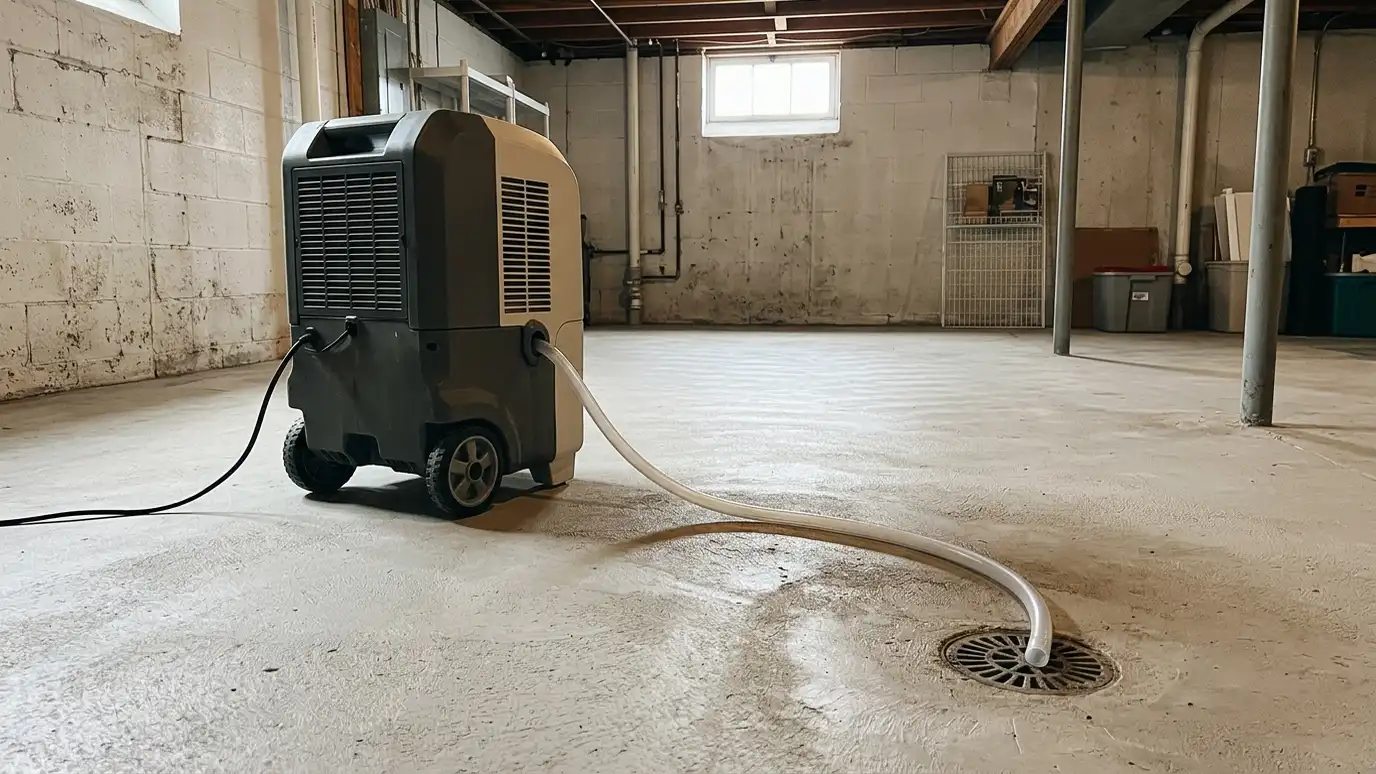
We measure the basement, note how well it is sealed and how wet it feels and choose a dehumidifier sized for the space. We place it where air can circulate, connect a drain line to a floor drain, a pump or the sump pit and install a humidity monitor you can read. We discuss closing air leaks, running a fan, keeping dryer vents clear and fixing any liquid water first, because a dehumidifier cannot cope with a leak. We show you how to set the target humidity, clean the filter and check the drain.
A small unit in a big, damp basement runs constantly and still loses.
A drain line or pump means no daily emptying.
A dehumidifier handles damp air, not liquid water entering the room.
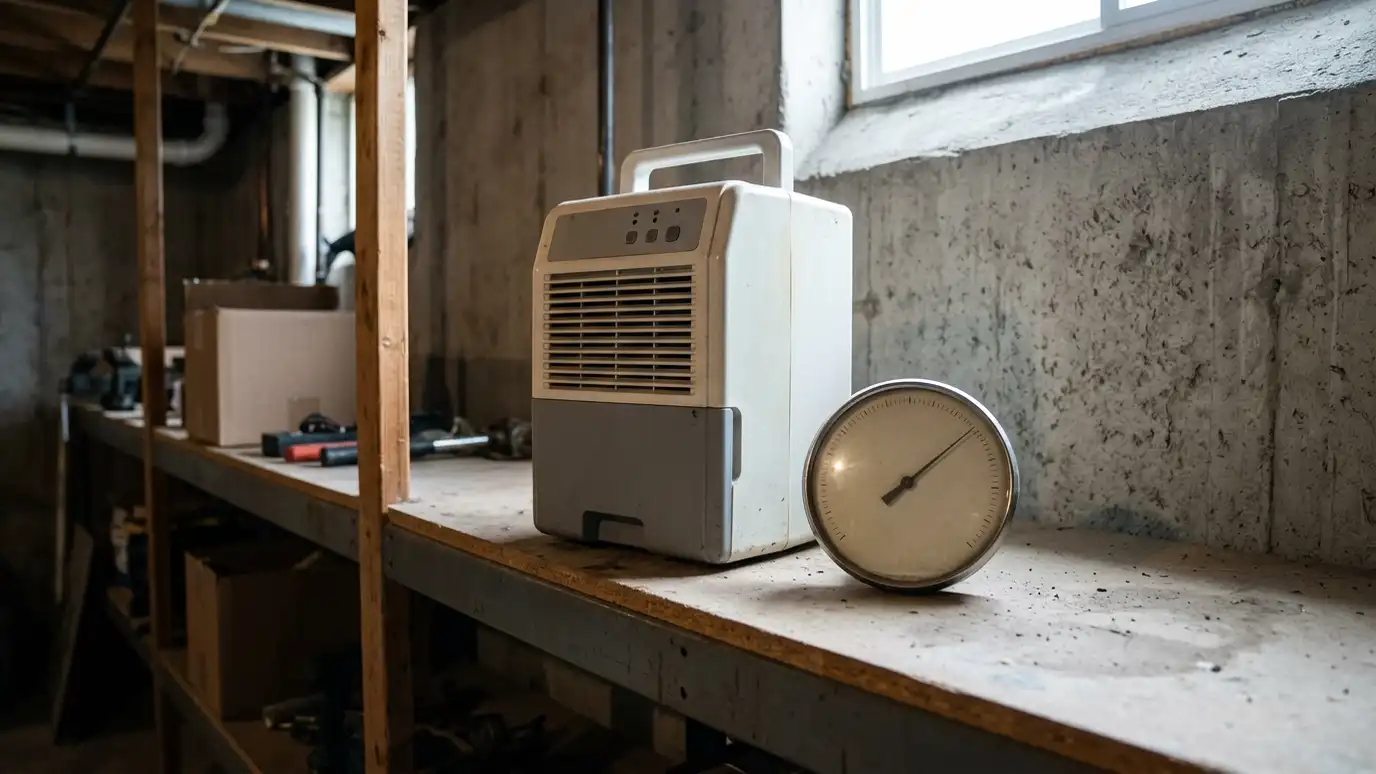
A humidity monitor tells you how the room is doing at a glance.
We match capacity to volume and moisture load.
A drain line removes water without daily emptying.
A humidity gauge shows how the room is doing.
Small fixes help the unit work less.
We fix leaks before relying on a dehumidifier.
You learn filter cleaning and settings.
Every topic has its own page with what to expect and how we approach it.
 Comparison guideDehumidifier SizingHow room size, dampness and sealing decide the dehumidifier you need, and how drains, monitors and airflow help.Learn more
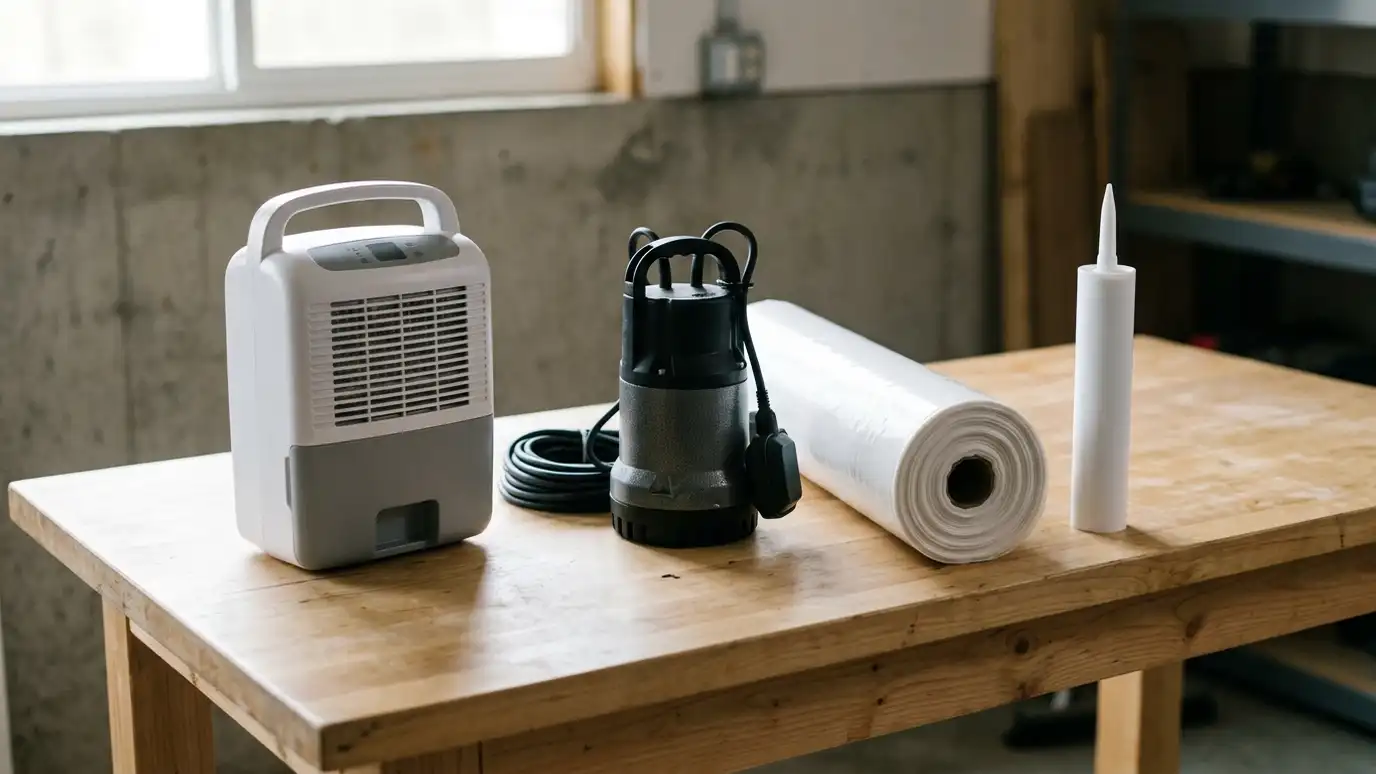 ResourceAprilaireA maker of whole-home dehumidifiers, humidifiers, air cleaners and ventilation products.Learn more
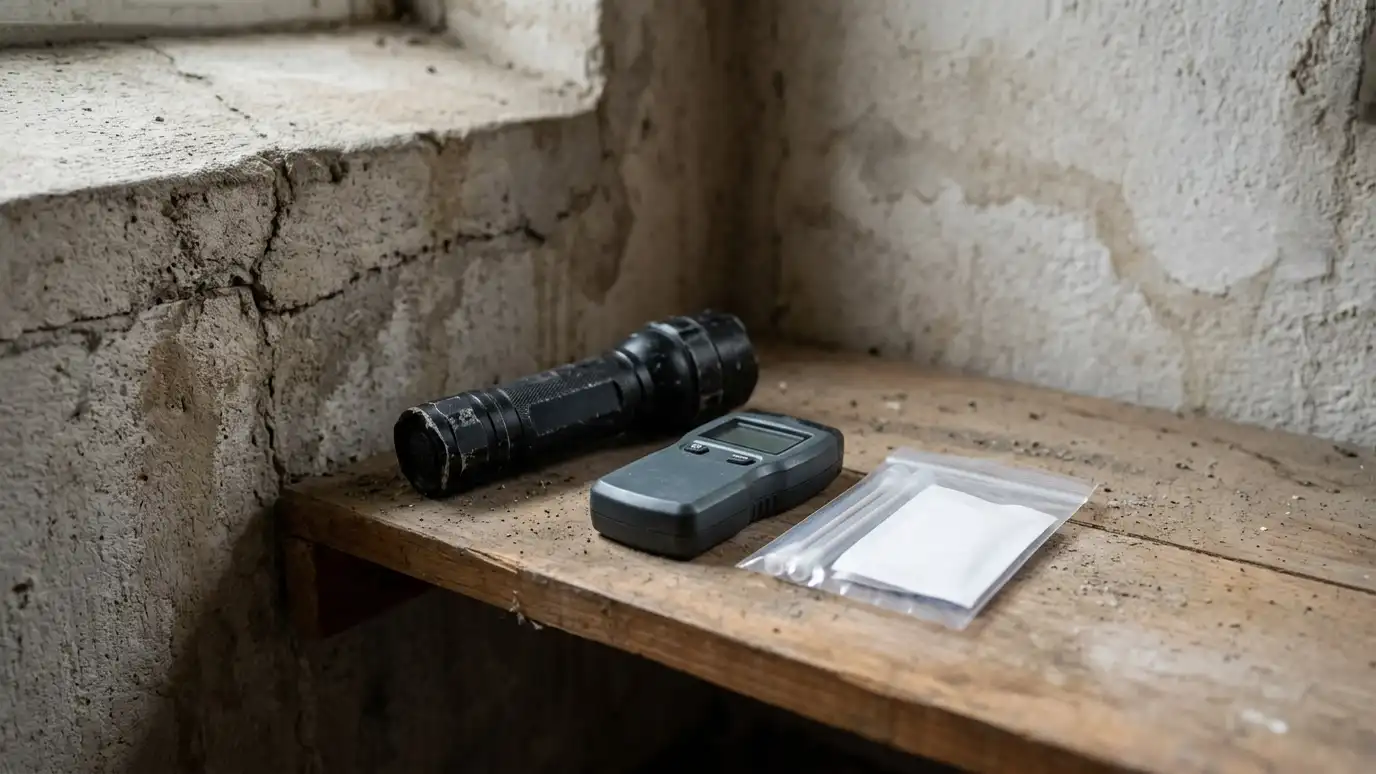 Comparison guideMold and MoistureHow mold grows in damp basements, why moisture control matters most and what cleanup looks like.Learn more
Enter floor area, lift, pipe run, ceiling height and dampness to see a planning pump flow or dehumidifier capacity for a basement or crawl space.
You tell us what you have seen, where and when, and we set a visit that fits your day.
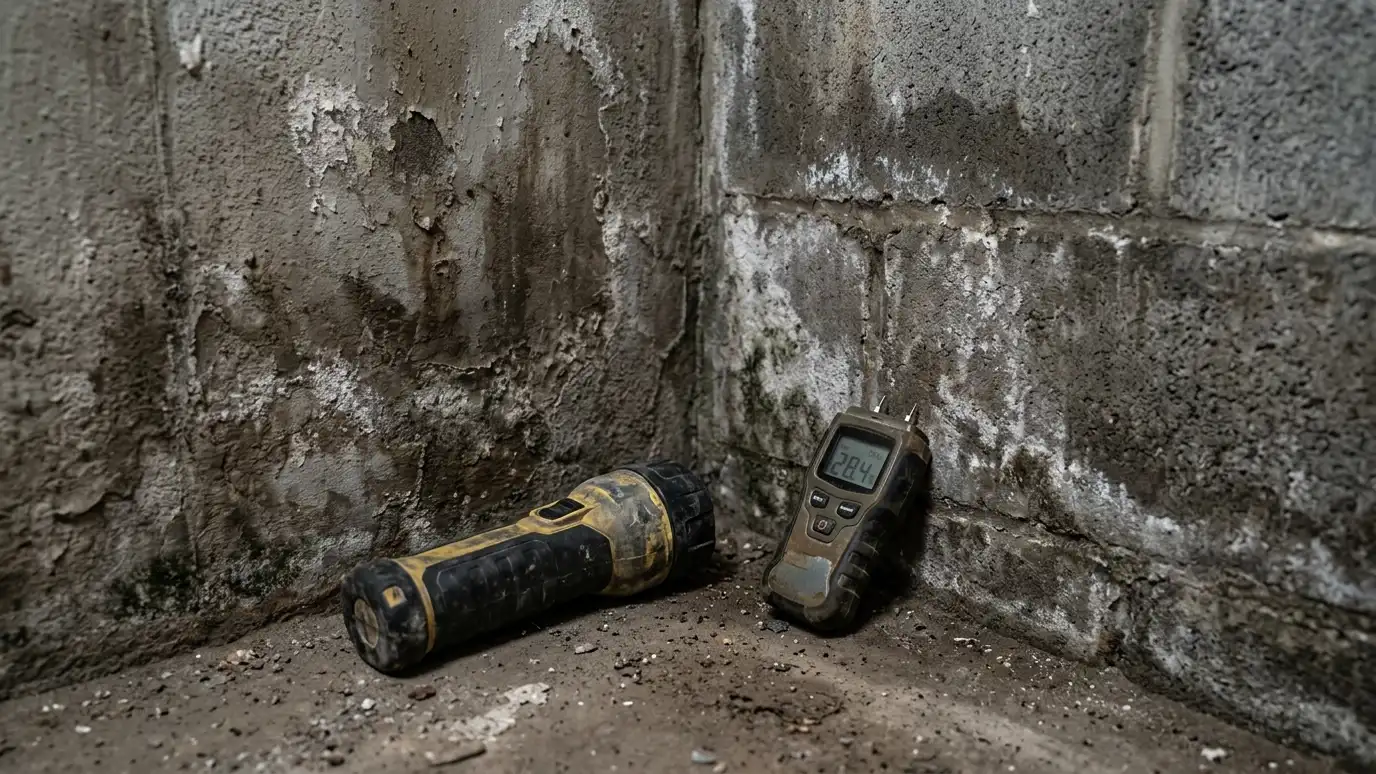
We walk the outside and inside with a moisture meter, take photos, measure slopes and call for utility marking.
You review the cause, the options and a plain written scope with every line and the schedule before anything is ordered.
We handle permits, protect your property and prepare the work area, from the floor edge to the trench.
We install drains, pumps, liners or repairs, restore floors and lawns and test every system with water.
We walk the job with you, share a care guide and schedule a first checkup.
Many guides suggest keeping indoor humidity moderate. We explain our target for your space.
It depends on area and dampness. Our sizing page and tool help.
No. It handles damp air, not liquid water entering.
To a floor drain, pump or sump pit through a drain line.
It uses power as it runs, and a drier, tighter basement runs it less.
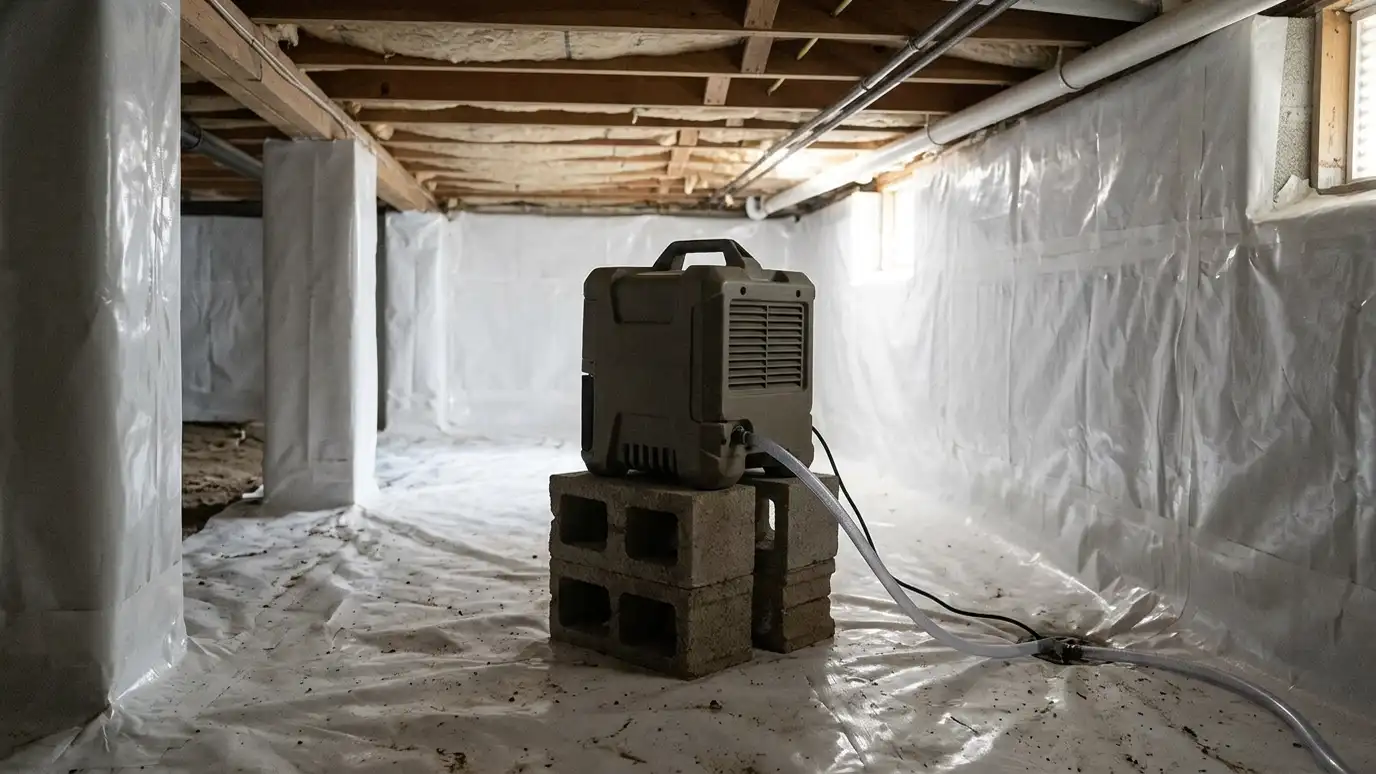 Crawl Space DehumidifiersCrawl space dehumidifiers sized for the area and the moisture load, with a drain line to a pump…Explore
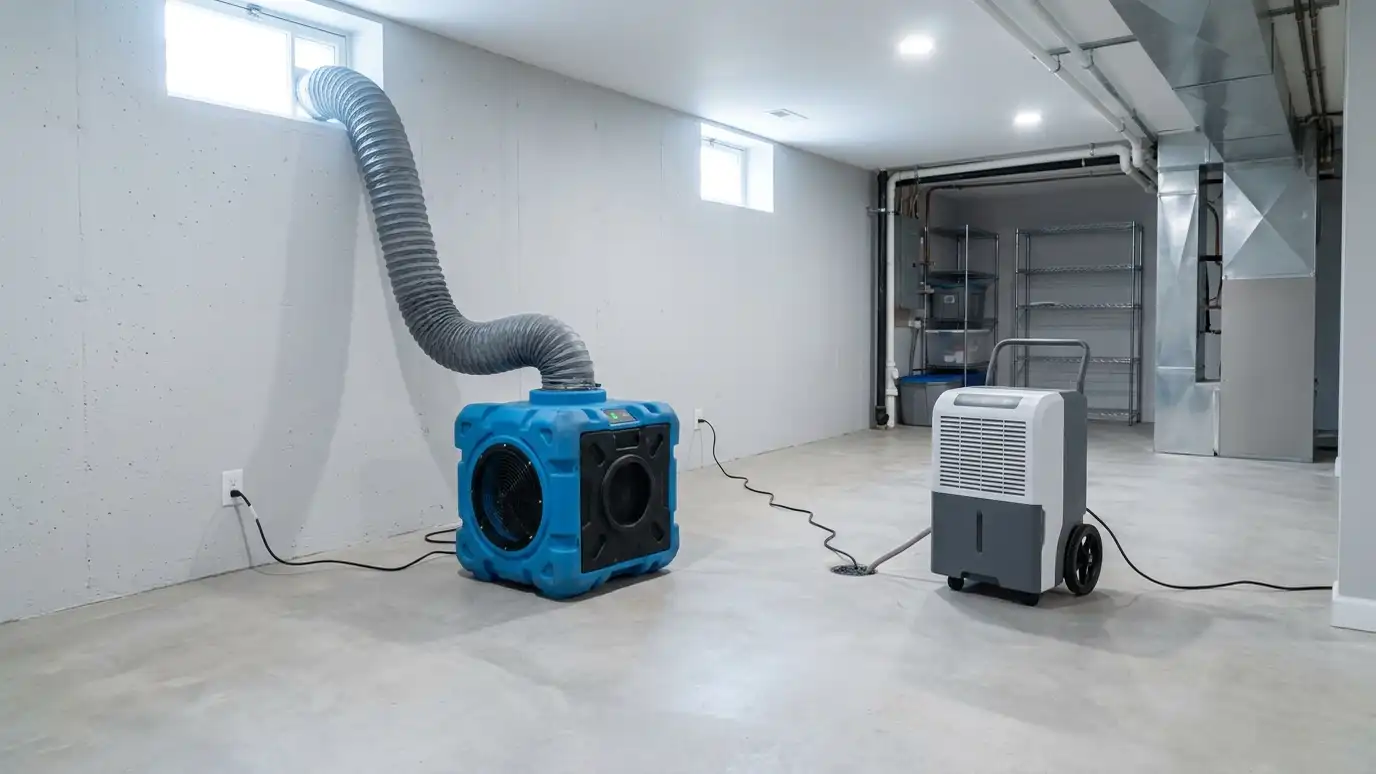 Musty Odor RemovalMusty odor removal that traces smells to damp materials, hidden moisture or stale air, then fixes the cause…Explore
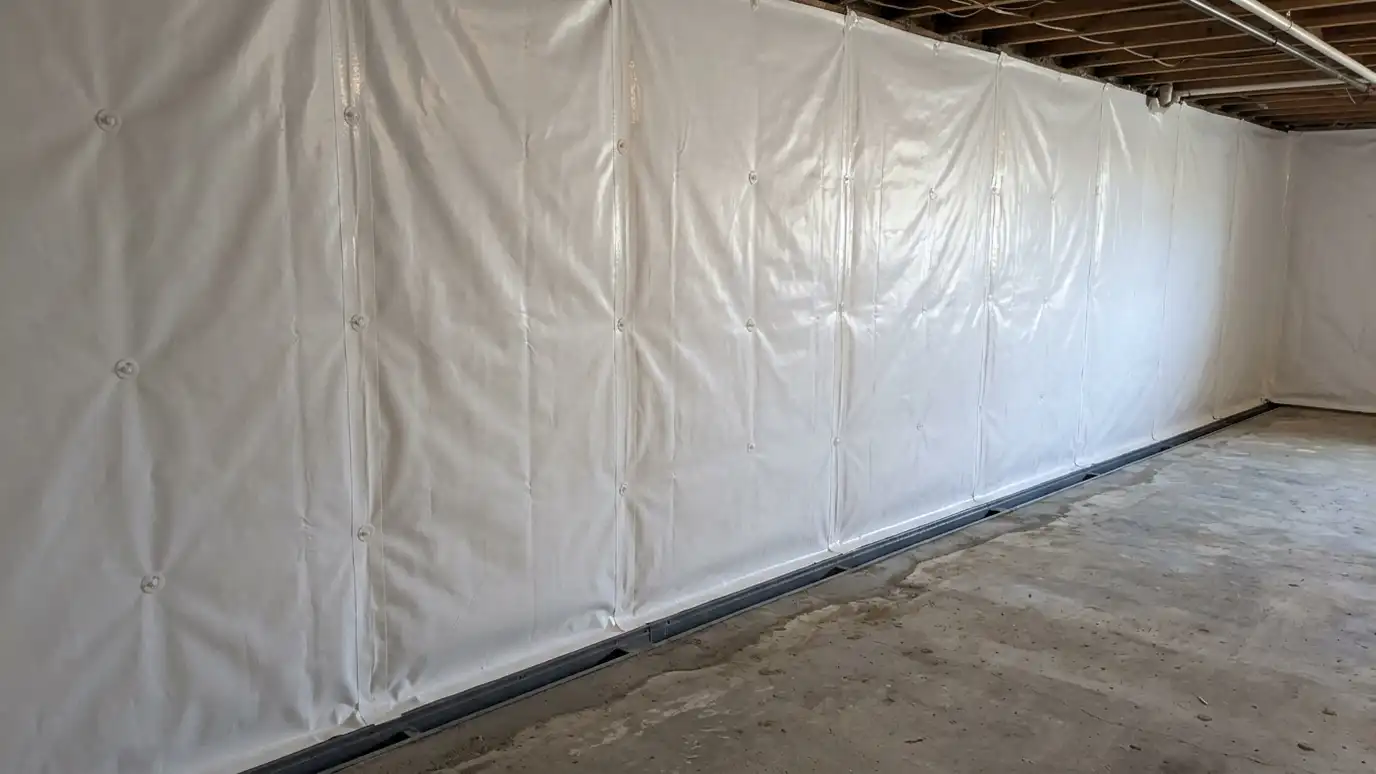 Vapor Barriers and Basement Wall LinersVapor barriers and basement wall liners that block moisture vapor and guide seepage down to a floor drain…Explore
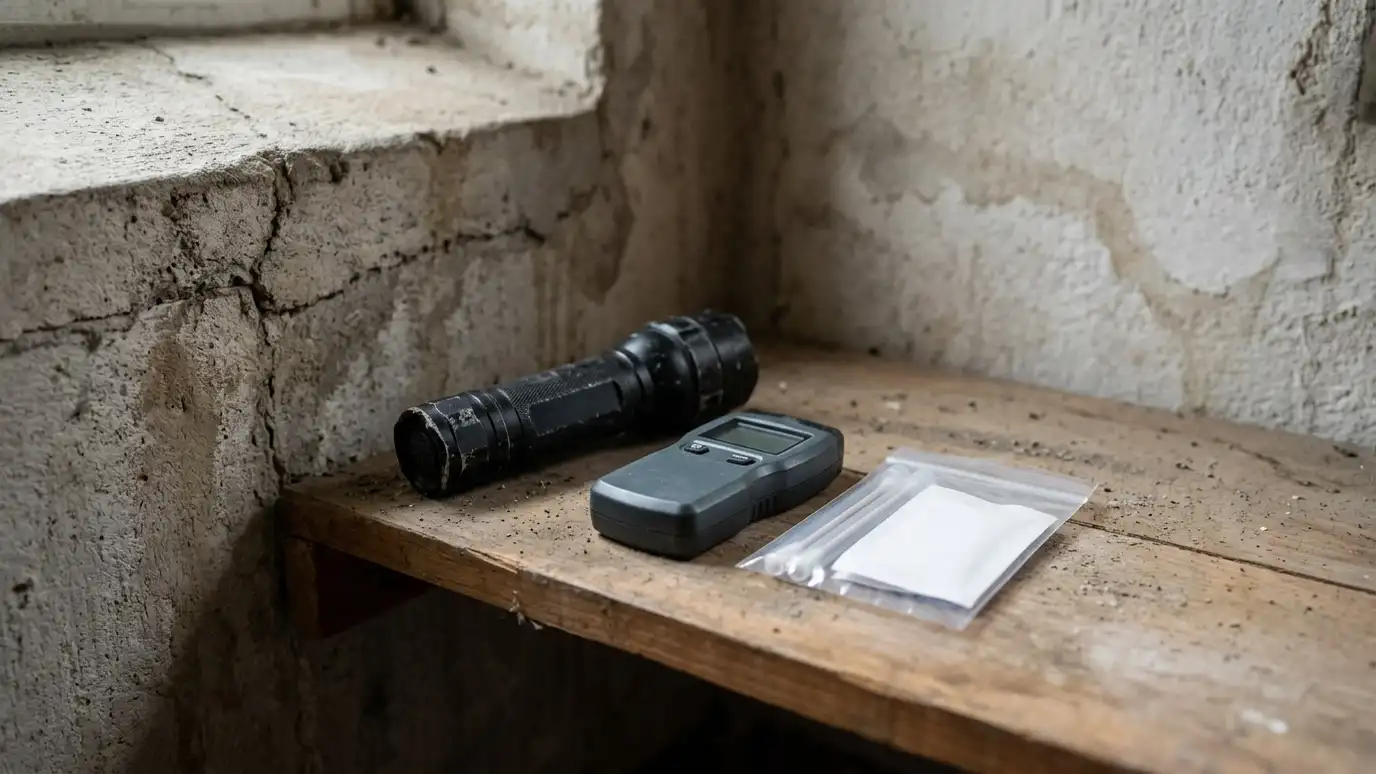 Mold Inspection and TestingMold inspection and testing that finds visible growth and hidden moisture, with photos, moisture readings and advice on…Explore
Tell us about your property and we will call you back to set up a visit.
Or call (615) 357-7797 to talk now.