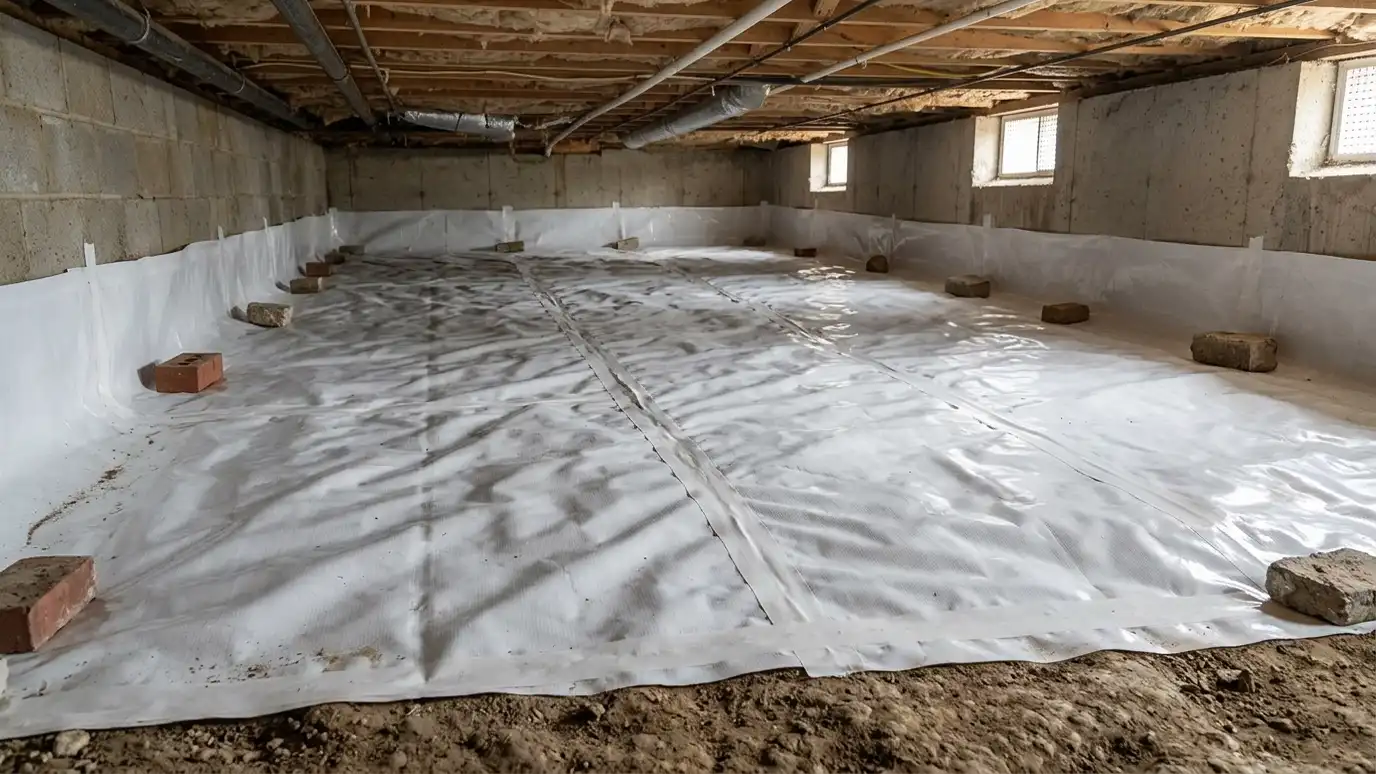
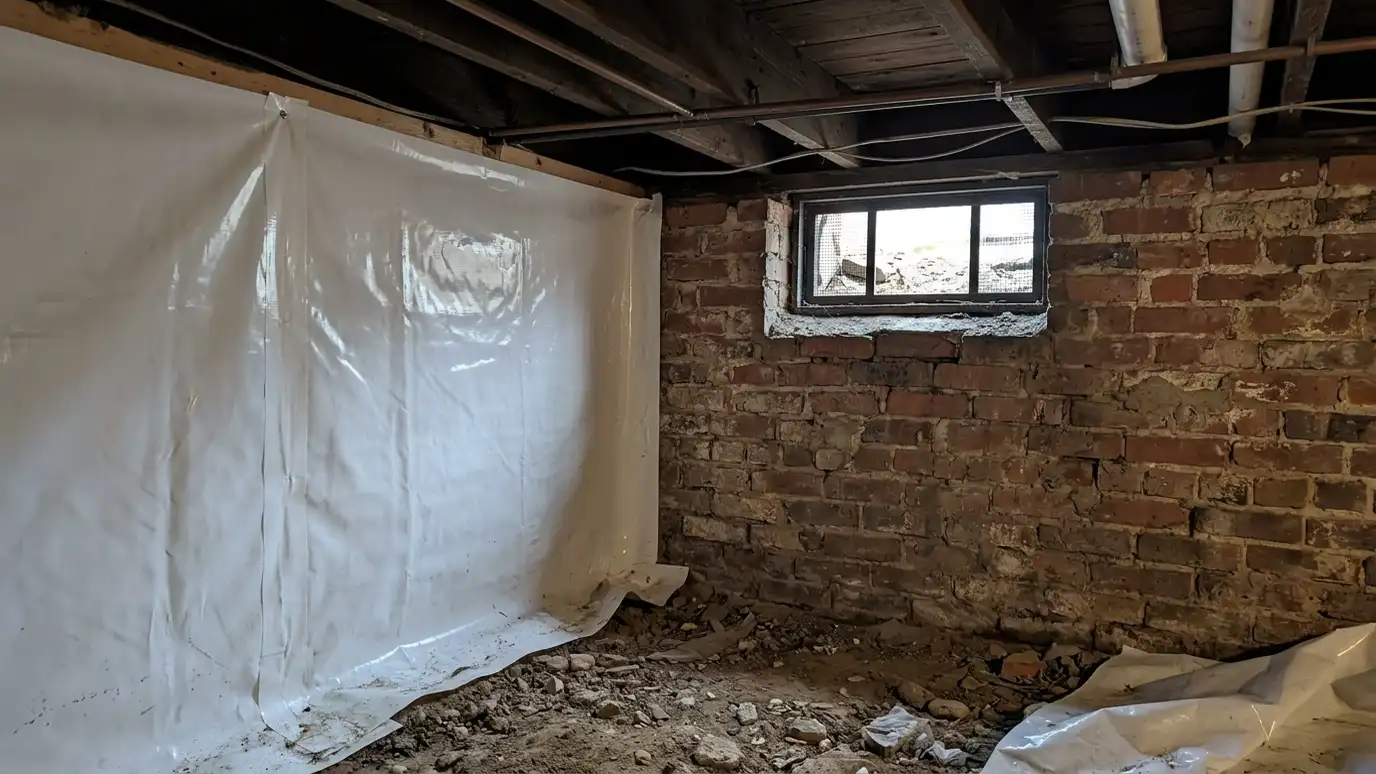
Crawl space vapor barrier installation with heavy poly sheeting that covers the dirt floor, overlaps and tapes at the seams and seals at piers and walls.
Bare soil under a house gives off moisture all year. A vapor barrier covers it, so the water vapor stays in the ground and out of the air and the wood framing above. A thin, torn sheet does little, but a heavy, well-sealed barrier makes a big difference to humidity. Many homes in and around Nashville have an old thin sheet or none at all, and replacing it is a straightforward project that can stand alone or lead into full encapsulation.
We clear the floor of debris and sharp objects, level any high spots and lay a heavy polyethylene barrier over the soil. Sheets overlap by a generous margin and are taped at every seam, and we fasten the barrier to the walls and wrap it around piers and pipes. We add weights or fasteners to keep it in place and leave a clear path for access. We explain how the barrier works with the ventilation and drainage already in the crawl space, and whether a dehumidifier or full encapsulation would help.
A thick barrier resists tears when people crawl through the space.
Overlaps are taped, and the edges are sealed to piers and walls.
The barrier is one part of a plan that may include drainage and a dehumidifier.
A clear path protects the barrier during future inspections.
Debris and sharp objects are removed so the barrier is not punctured.
A thick barrier resists tears when people work in the space.
Every seam is overlapped and sealed.
The barrier is cut and taped around piers, pipes and posts.
The edges are fastened so air cannot get beneath them.
A clear path helps future inspection and service.
Every topic has its own page with what to expect and how we approach it.
 Comparison guideEncapsulation vs VentsHow a sealed, controlled crawl space differs from a vented one in moisture, air movement, insulation and upkeep.Learn more
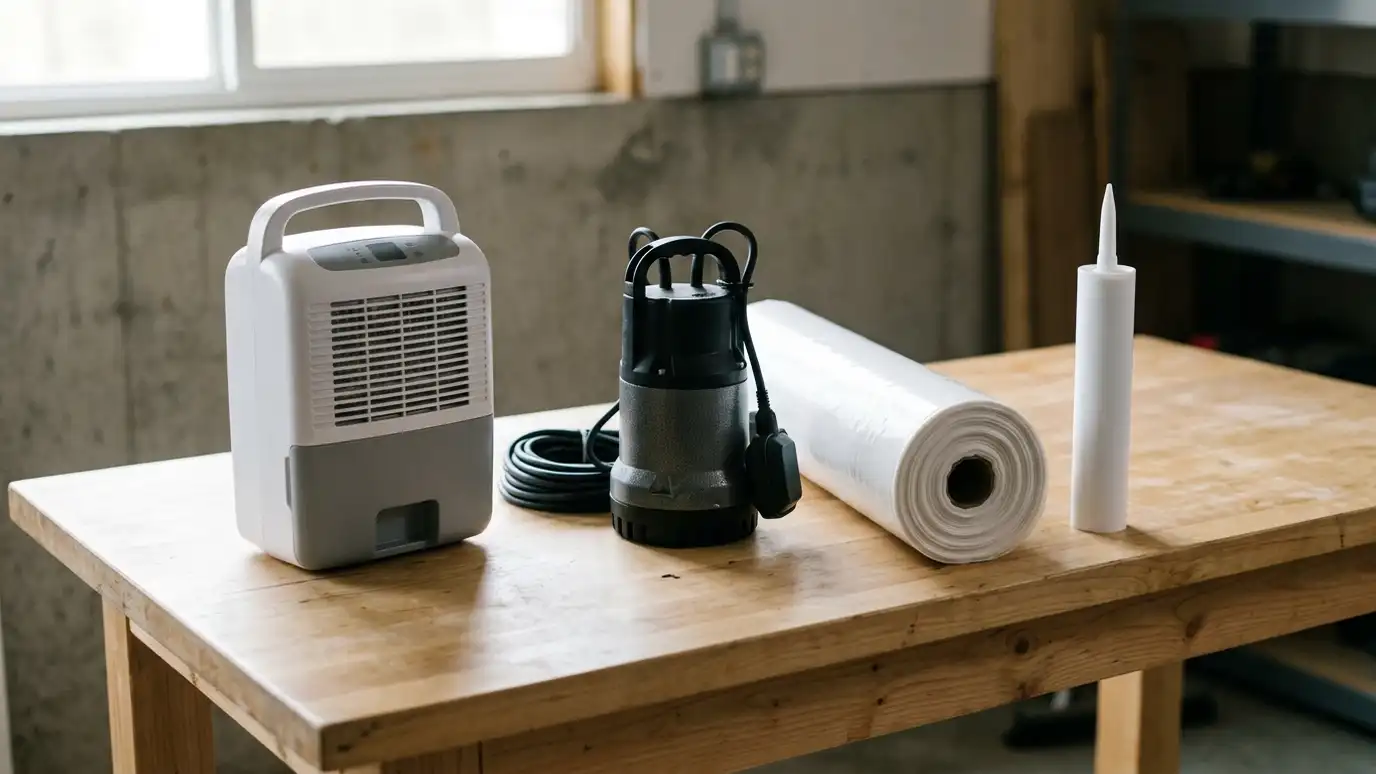 ResourceStegoA maker of vapor barriers and wraps for slabs, crawl spaces and below-grade walls.Learn more
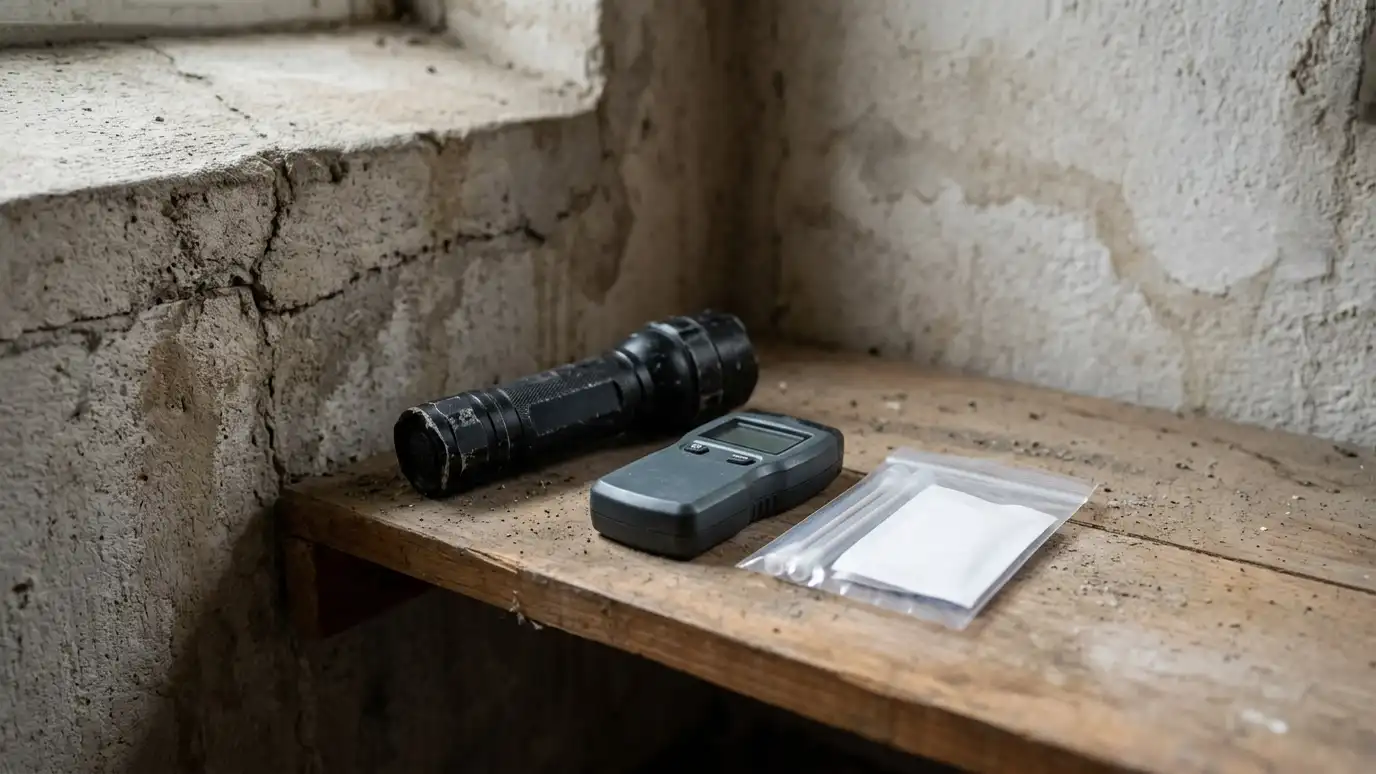 Comparison guideMold and MoistureHow mold grows in damp basements, why moisture control matters most and what cleanup looks like.Learn more
Pick a drain, pump, repair, crawl space or drainage project, set the size and add allowances to see a ballpark planning range. Placeholder values only.
You tell us what you have seen, where and when, and we set a visit that fits your day.
We walk the outside and inside with a moisture meter, take photos, measure slopes and call for utility marking.
You review the cause, the options and a plain written scope with every line and the schedule before anything is ordered.
We handle permits, protect your property and prepare the work area, from the floor edge to the trench.
We install drains, pumps, liners or repairs, restore floors and lawns and test every system with water.
We walk the job with you, share a care guide and schedule a first checkup.
It stops moisture vapor from rising out of the soil into the crawl space air.
Thin sheets tear easily and often leave gaps. A heavy, taped barrier works better.
For full control, yes. That is the step toward encapsulation.
Yes, lightly. We suggest a path of pavers or boards for regular access.
No. Standing water needs drainage first.
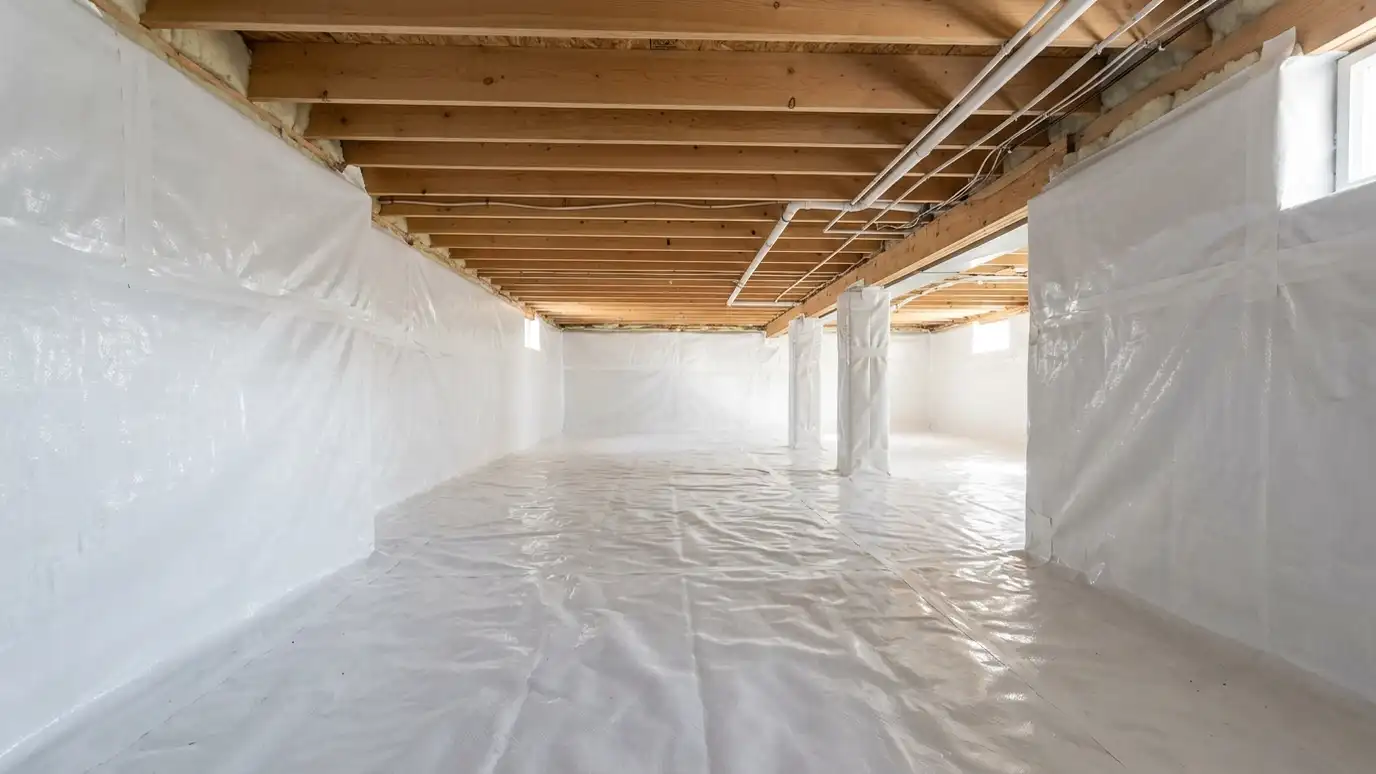 Crawl Space EncapsulationCrawl space encapsulation that seals the floor, walls and vents with a heavy liner and controls humidity, so…Explore
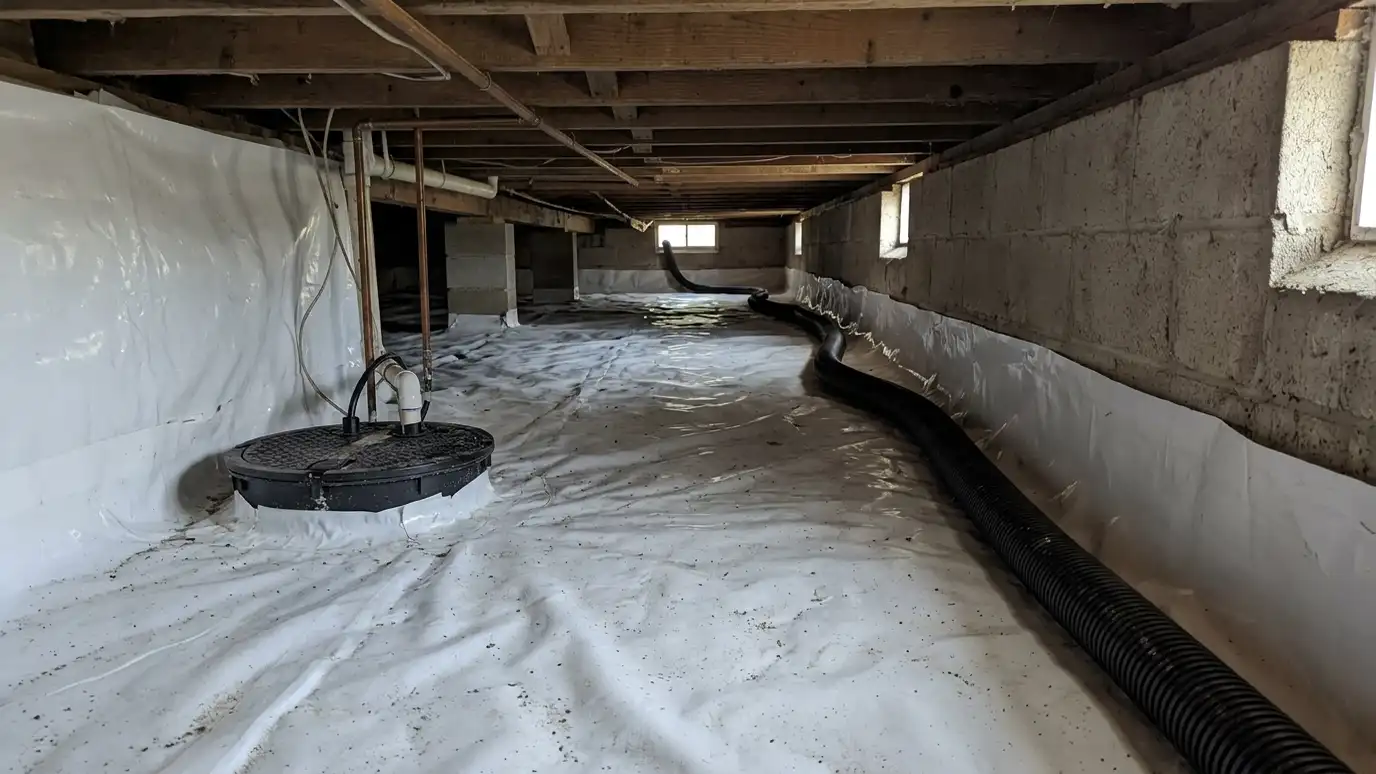 Crawl Space Drainage and Sump PumpsCrawl space drainage and sump pumps that collect standing water and seepage in a sealed pit and send…Explore
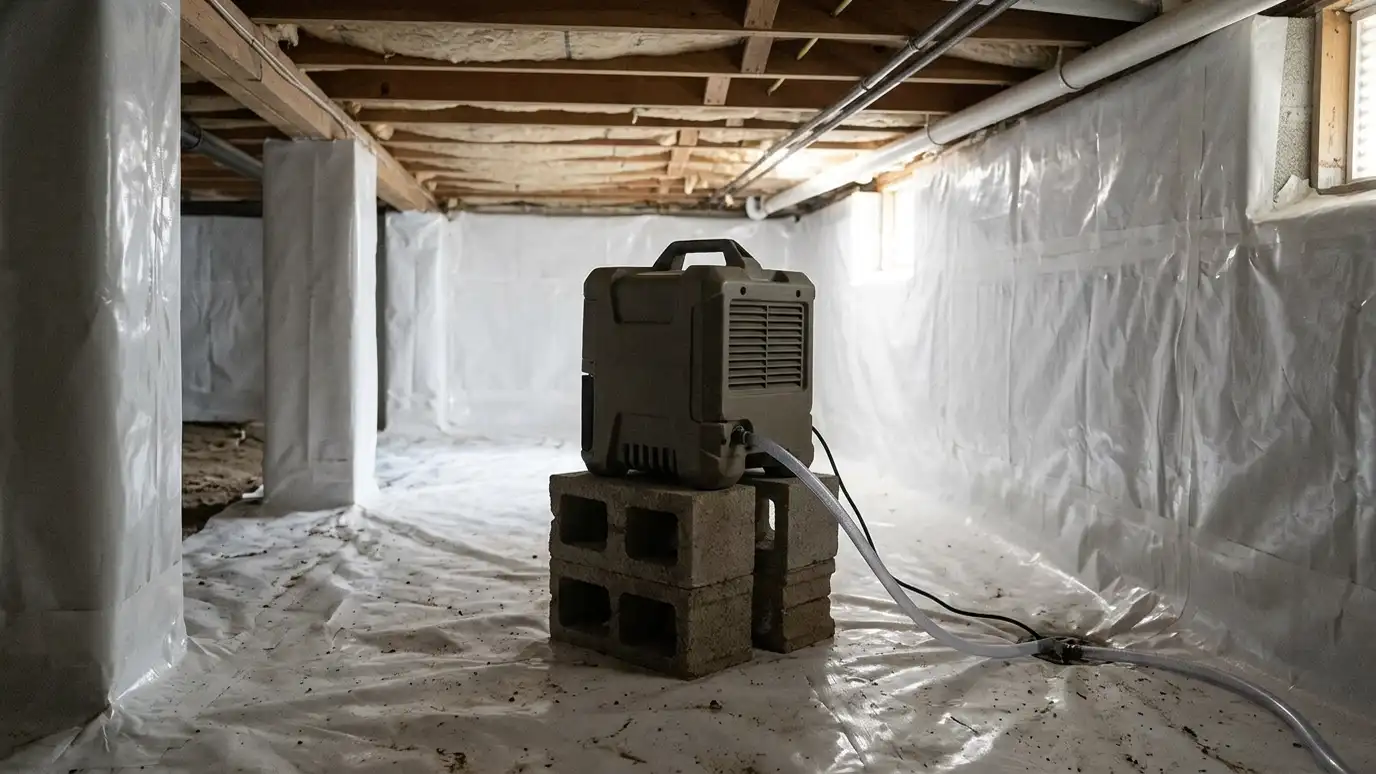 Crawl Space DehumidifiersCrawl space dehumidifiers sized for the area and the moisture load, with a drain line to a pump…Explore
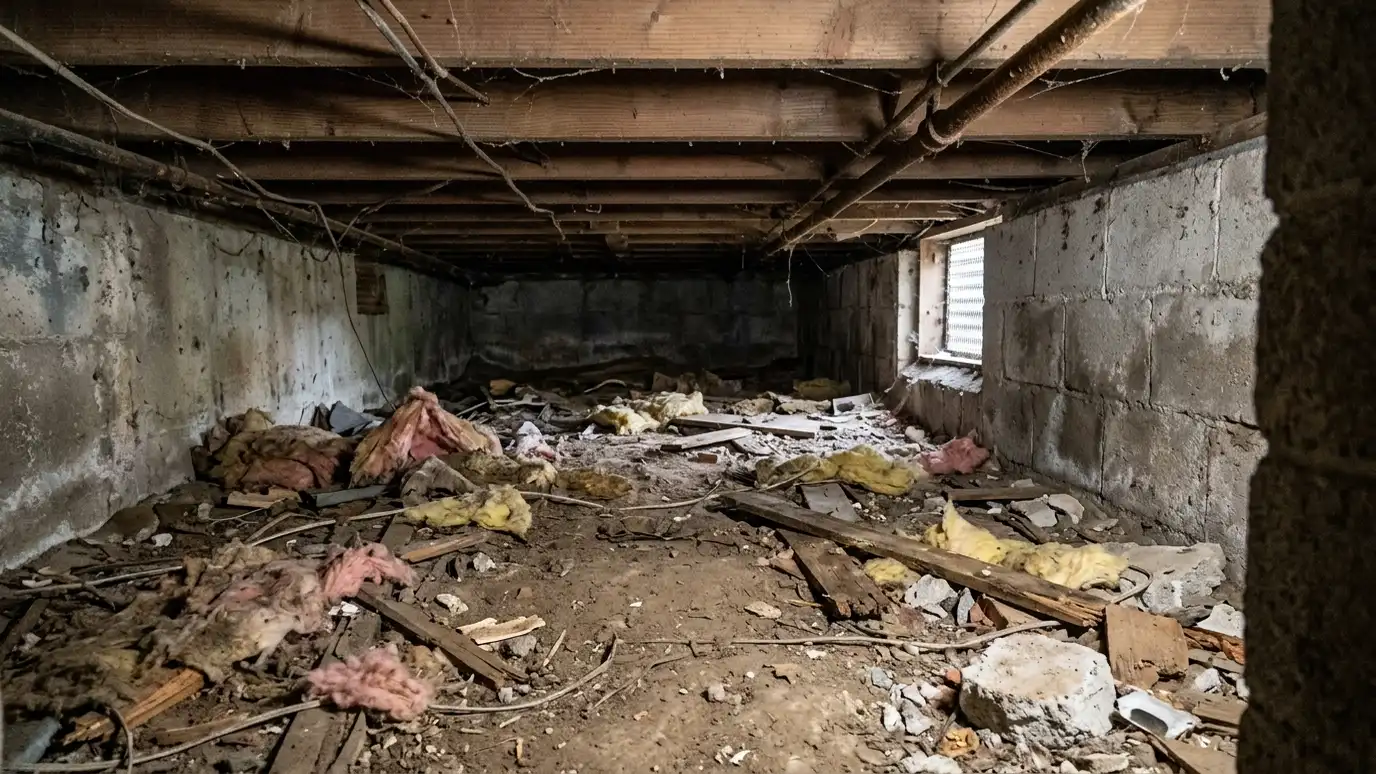 Crawl Space Cleanout and Debris RemovalCrawl space cleanout and debris removal that clears old insulation, trash, wood scraps and animal waste so the…Explore
Tell us about your property and we will call you back to set up a visit.
Or call (615) 357-7797 to talk now.