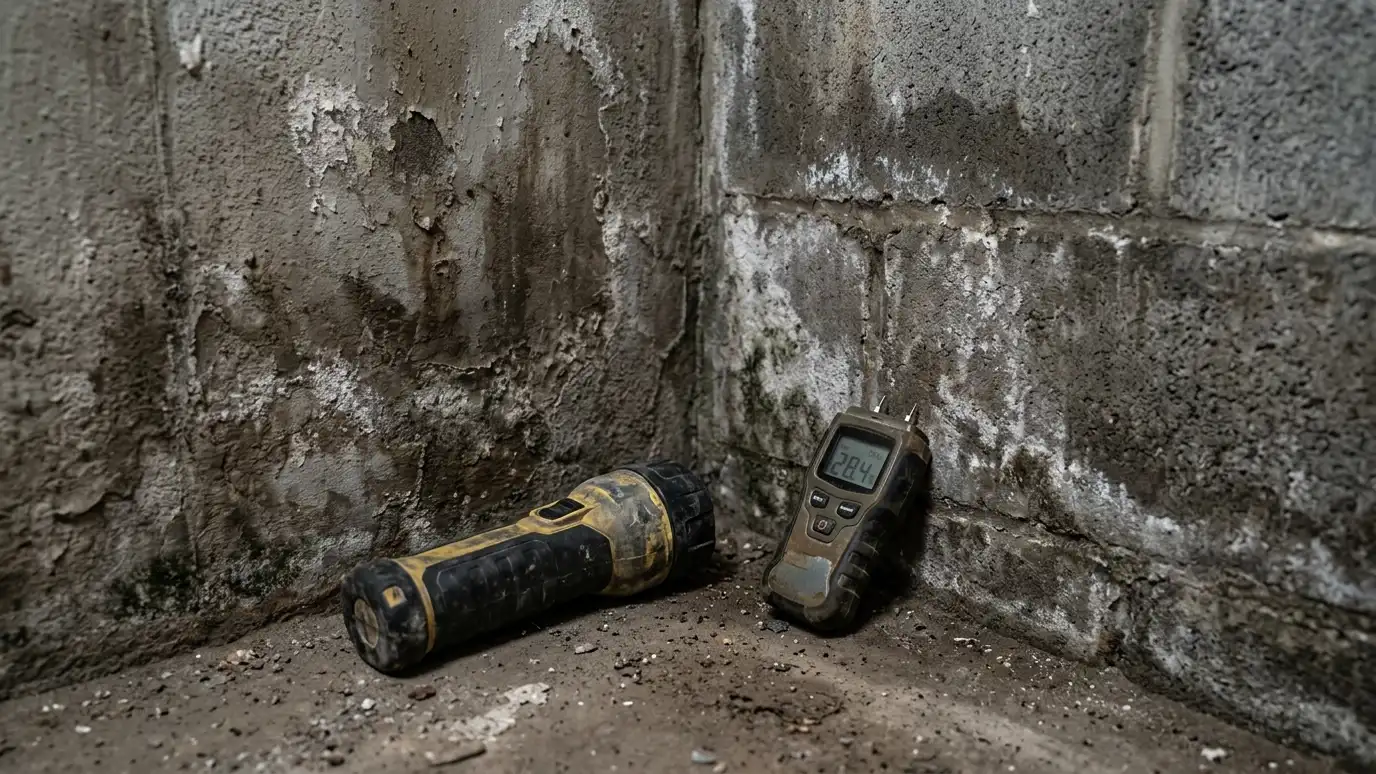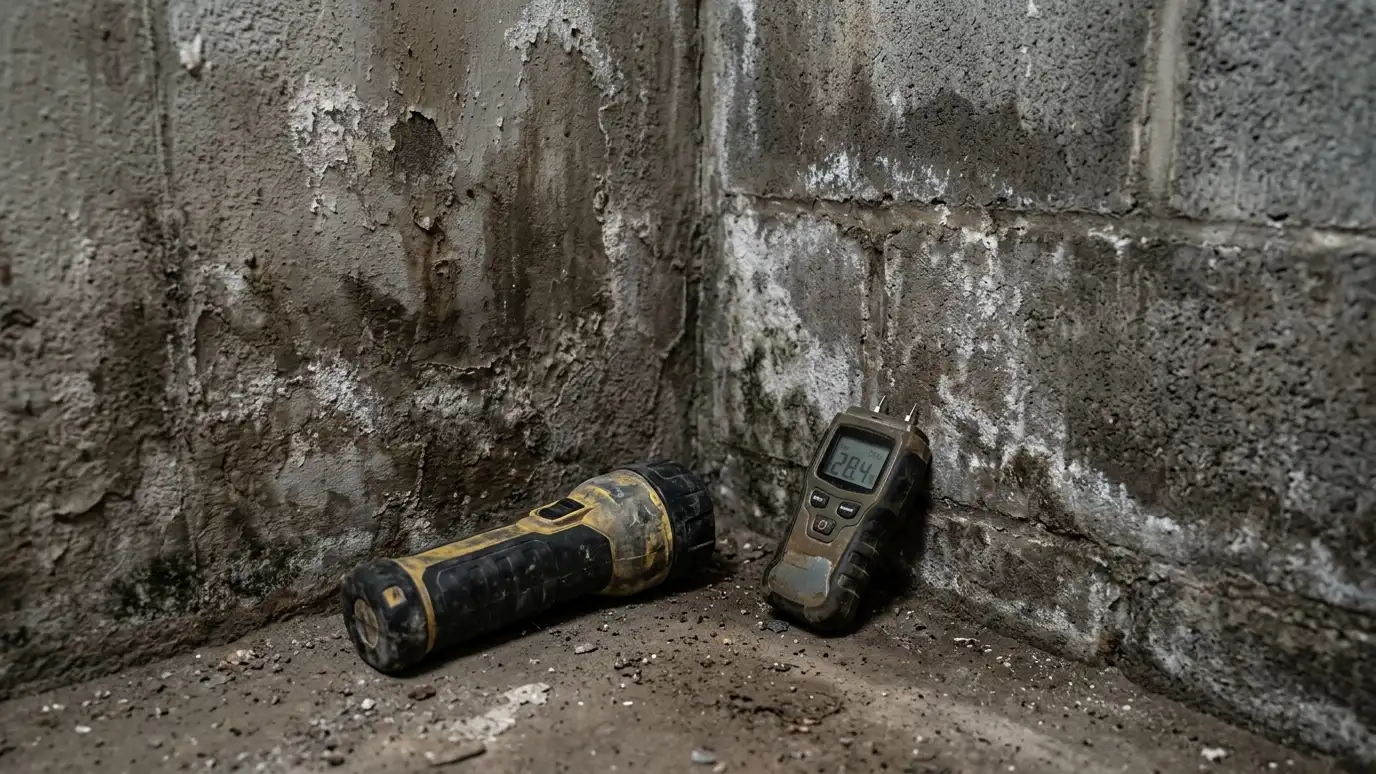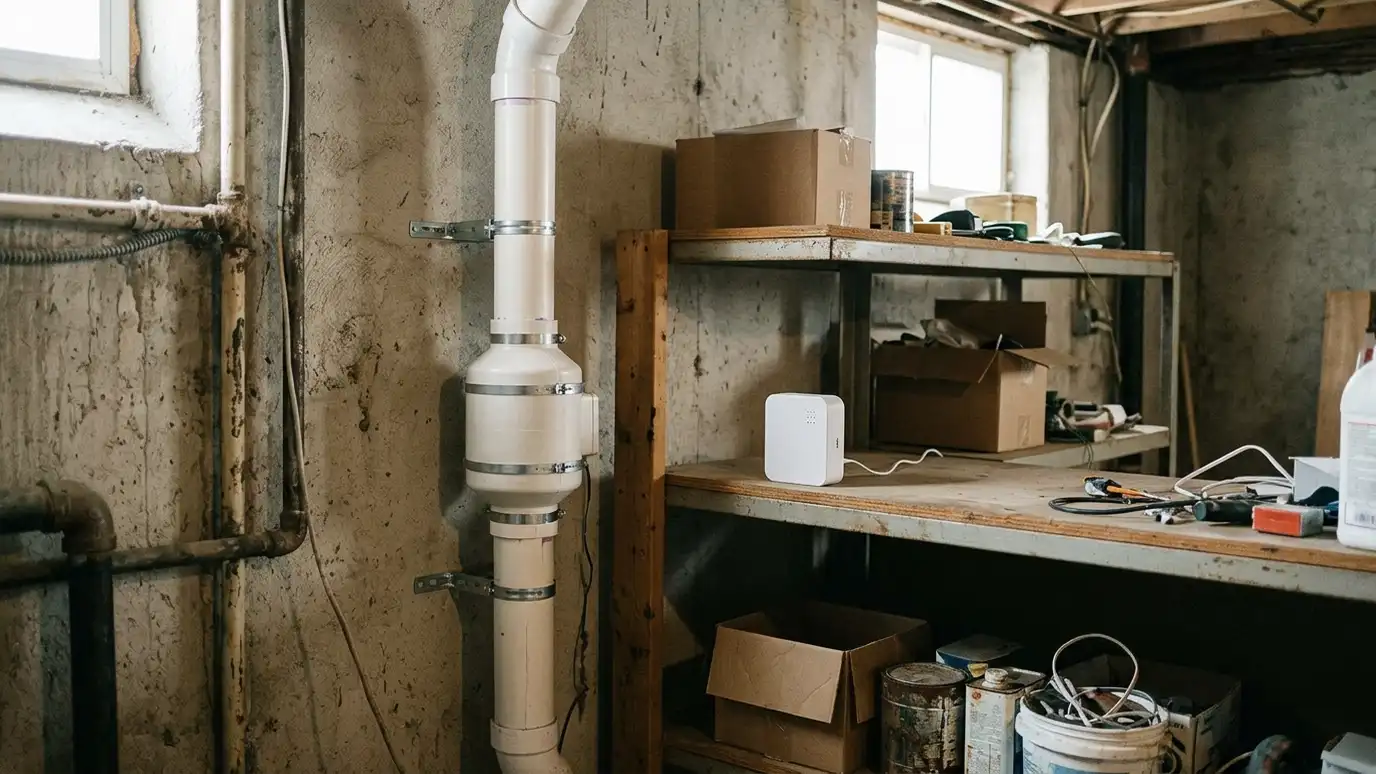
Radon testing and mitigation coordination that explains short and long tests, helps you place them and coordinates qualified radon professionals when levels call for action.
Radon is a natural gas that comes from the ground and can collect in homes, especially basements and crawl spaces. It has no smell or color, so the only way to know is to test. Public health agencies recommend testing every home and fixing a problem when levels are high. Middle Tennessee has areas where radon is more common than others, and wet basement work often touches the same cracks and sump pits that soil gas uses.
We explain the main types of tests, short-term and long-term, where to place them and how long to run them, and we point you to test kits from public health sources. If your results show elevated radon, we coordinate with qualified radon professionals who install mitigation systems, and we make sure our waterproofing work and their work fit together. That includes sealing sump lids, cracks and penetrations so the system can draw air from the soil. We do not diagnose health risk, and we encourage you to read the EPA guidance and talk with your doctor with any concerns. Nashville and the counties around it have homes with a wide range of radon levels, so a test tells you far more than a map does.
Radon has no smell or color, so testing is the only way to know.
Each has a place, and we explain where to put them.
Mitigation is done by radon professionals, and we coordinate with them.
Sump lids, cracks and penetrations are sealed so the system can work.
Short and long tests have different uses and timing.
Tests belong in the lowest lived-in level, away from drafts.
We point you to EPA guidance on action levels.
We coordinate with qualified radon mitigation companies.
Sump lids and cracks are sealed to support mitigation.
We share resources and leave medical questions to your doctor.
Every topic has its own page with what to expect and how we approach it.
 ResourceEPAU.S. Environmental Protection Agency guidance on testing homes for radon and fixing a problem when levels are high.Learn more
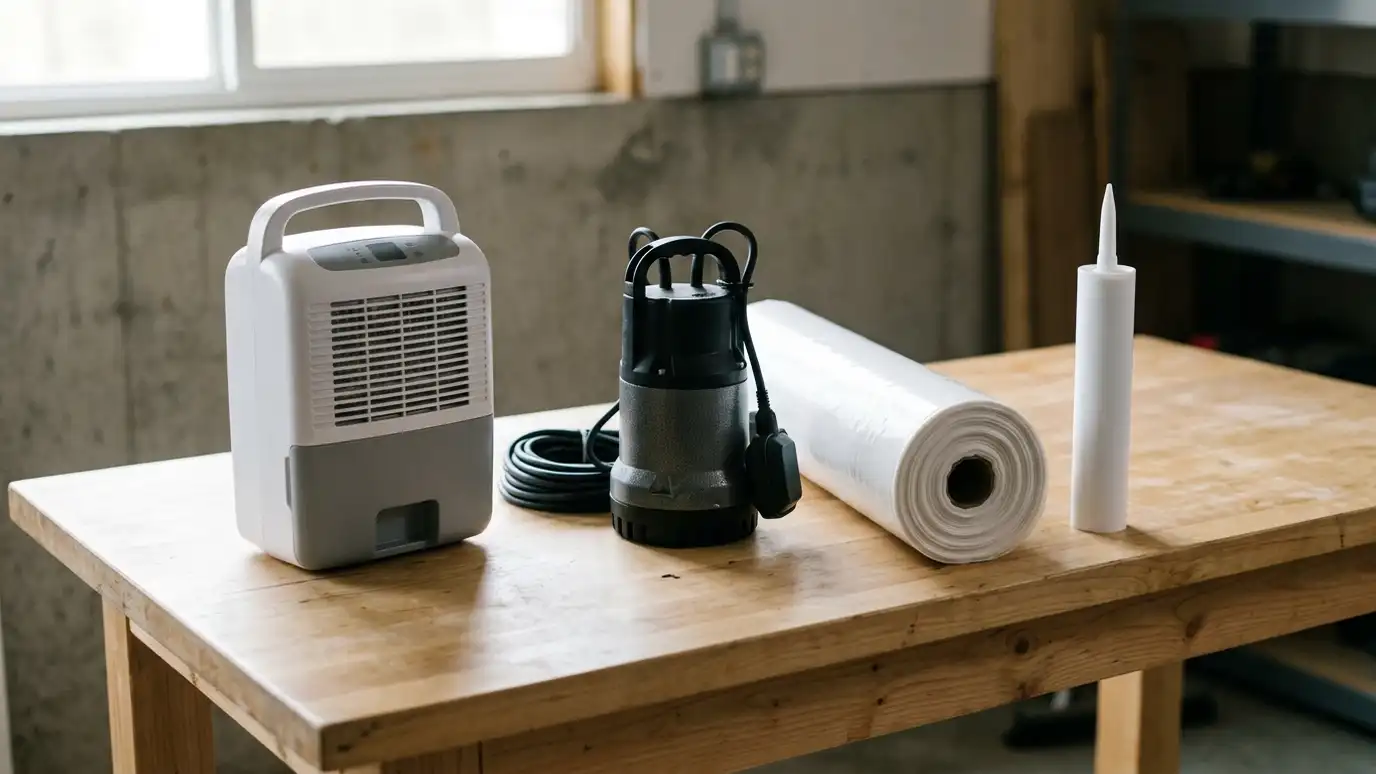 ResourceAprilaireA maker of whole-home dehumidifiers, humidifiers, air cleaners and ventilation products.Learn more
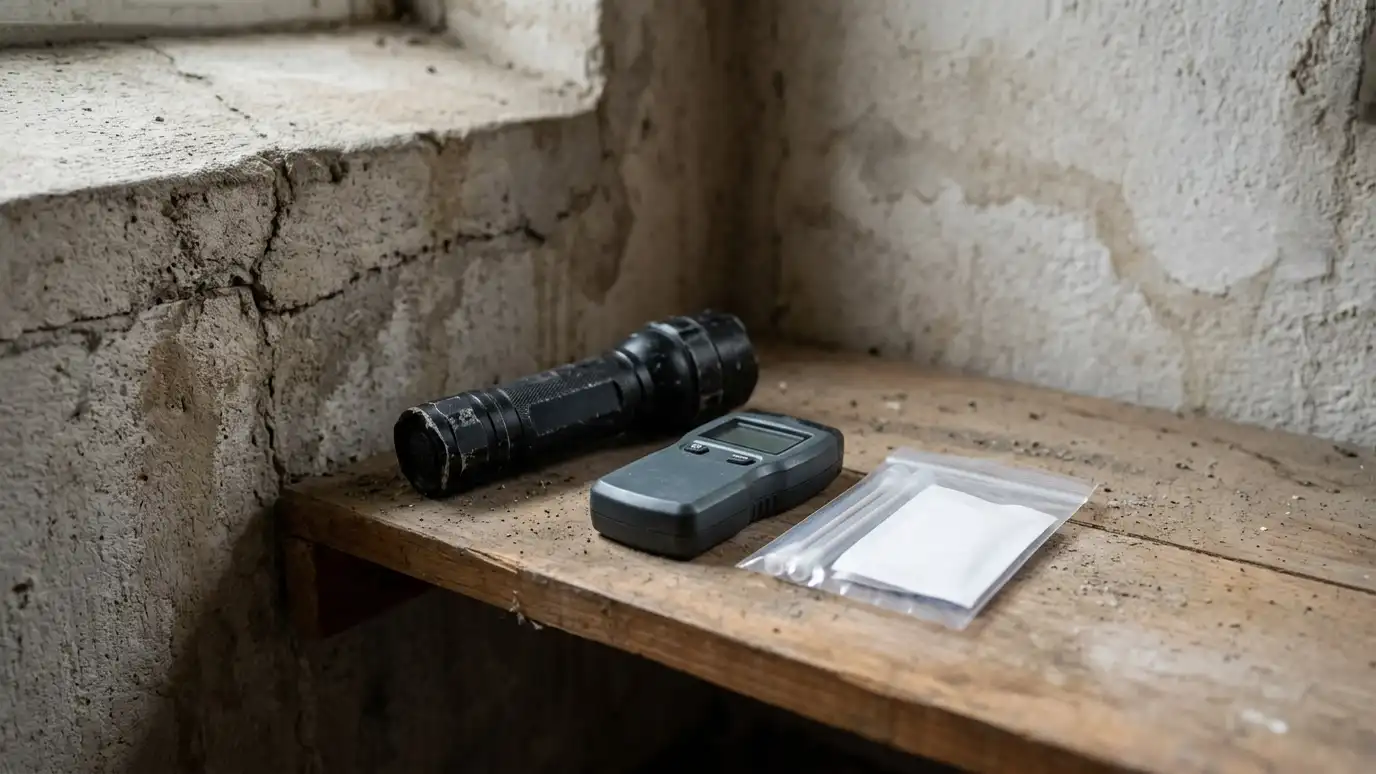 Comparison guideMold and MoistureHow mold grows in damp basements, why moisture control matters most and what cleanup looks like.Learn more
Enter floor area, lift, pipe run, ceiling height and dampness to see a planning pump flow or dehumidifier capacity for a basement or crawl space.
You tell us what you have seen, where and when, and we set a visit that fits your day.
We walk the outside and inside with a moisture meter, take photos, measure slopes and call for utility marking.
You review the cause, the options and a plain written scope with every line and the schedule before anything is ordered.
We handle permits, protect your property and prepare the work area, from the floor edge to the trench.
We install drains, pumps, liners or repairs, restore floors and lawns and test every system with water.
We walk the job with you, share a care guide and schedule a first checkup.
Public health agencies recommend testing all homes. It is the only way to know.
Not necessarily, but the same cracks and sumps can be paths for soil gas.
We coordinate with qualified radon professionals who install them.
EPA guidance explains action levels. Ask a radon professional about yours.
Sealing helps, but a mitigation system is usually the main fix.
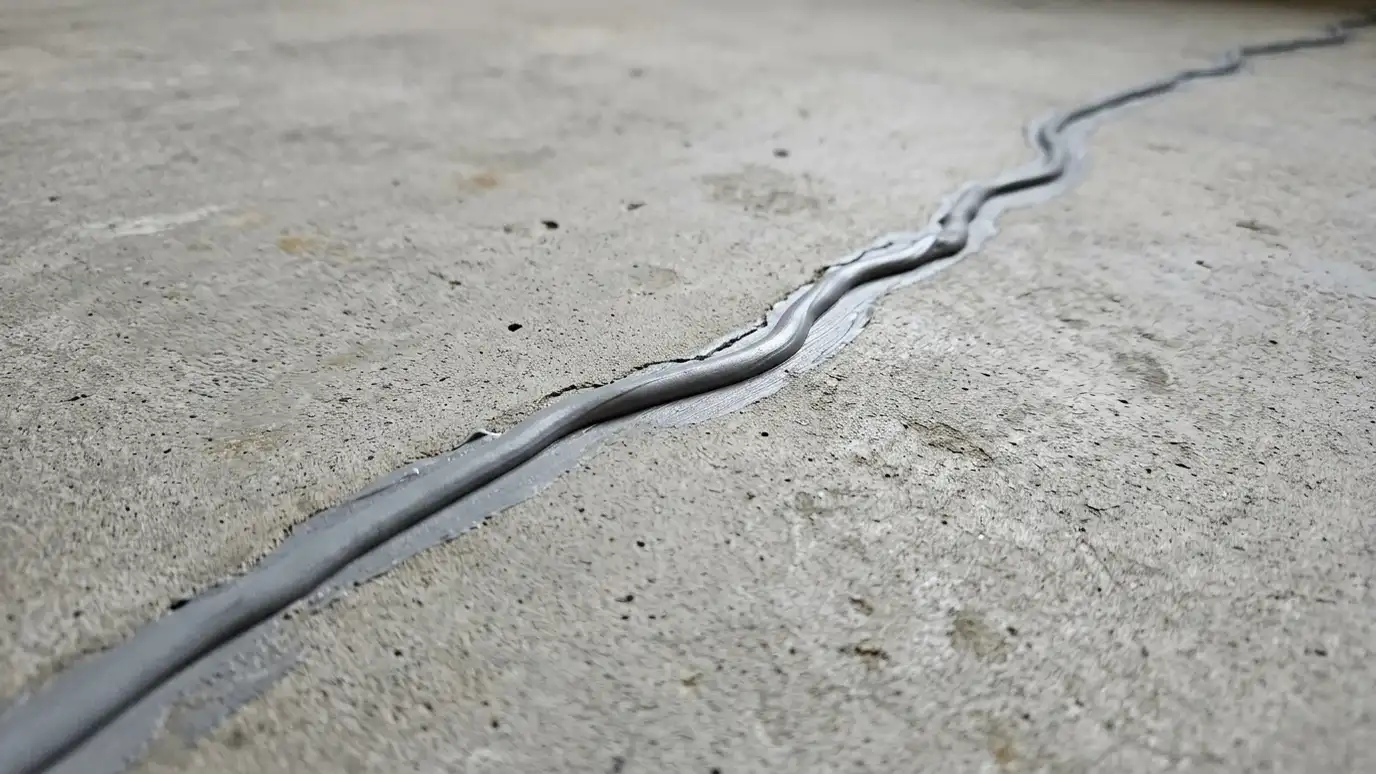 Basement Floor Crack RepairBasement floor crack repair that seals shrinkage and settlement cracks with flexible sealants or injection, after checking for…Explore
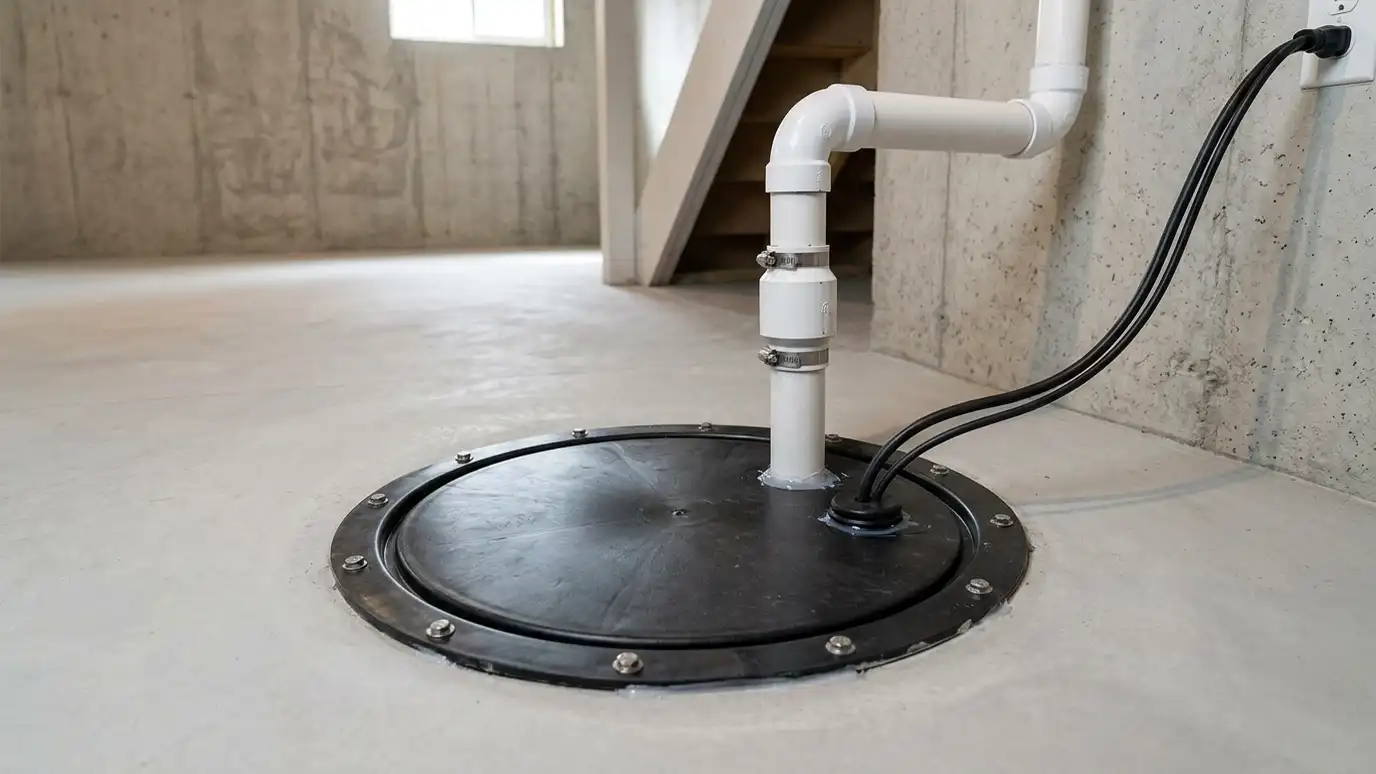 Sump Pump InstallationSump pump installation with a properly sized pit, a quality pump, a check valve, a sealed lid and…Explore
 Indoor Air Quality and VentilationIndoor air quality and ventilation upgrades for basements and crawl space homes, including fresh air supply, exhaust fans…Explore
 Mold Inspection and TestingMold inspection and testing that finds visible growth and hidden moisture, with photos, moisture readings and advice on…Explore
Tell us about your property and we will call you back to set up a visit.
Or call (615) 357-7797 to talk now.