Most cracks are small
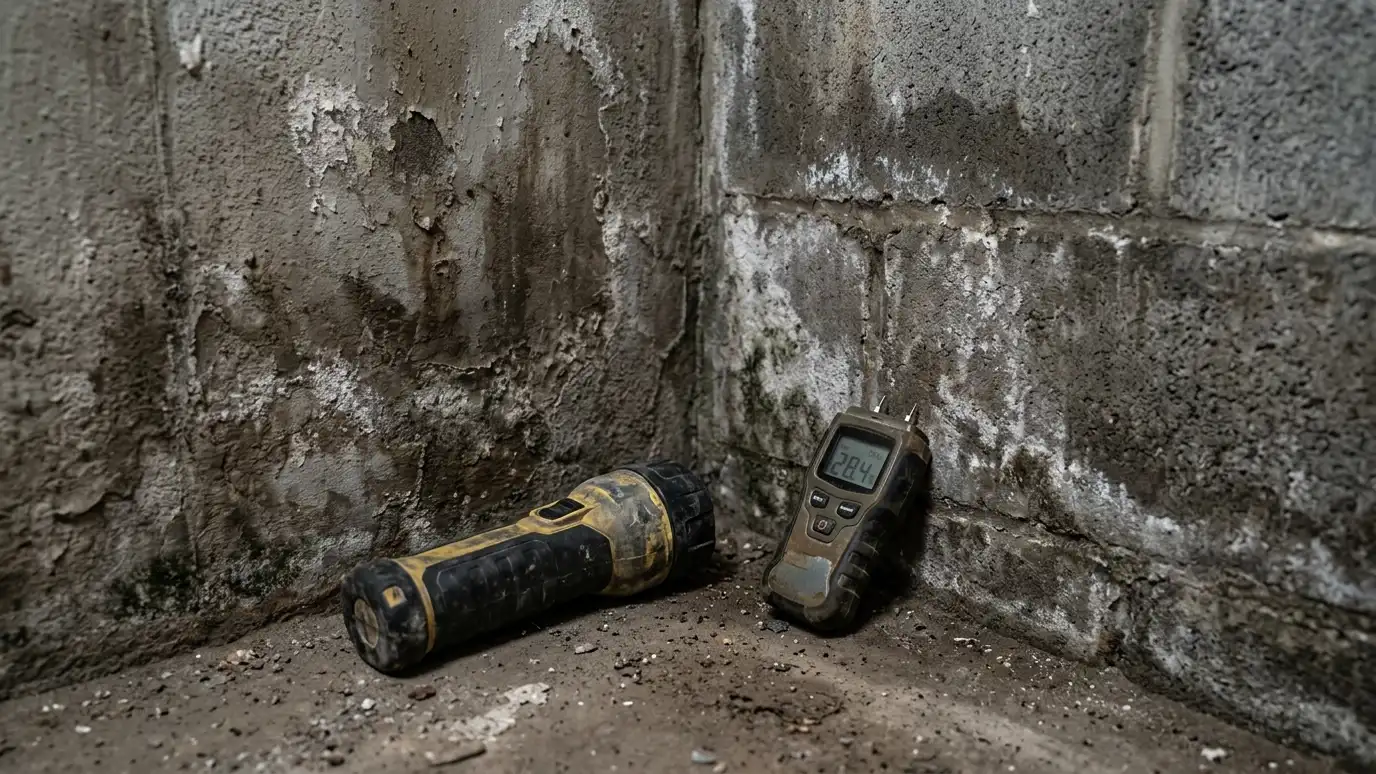
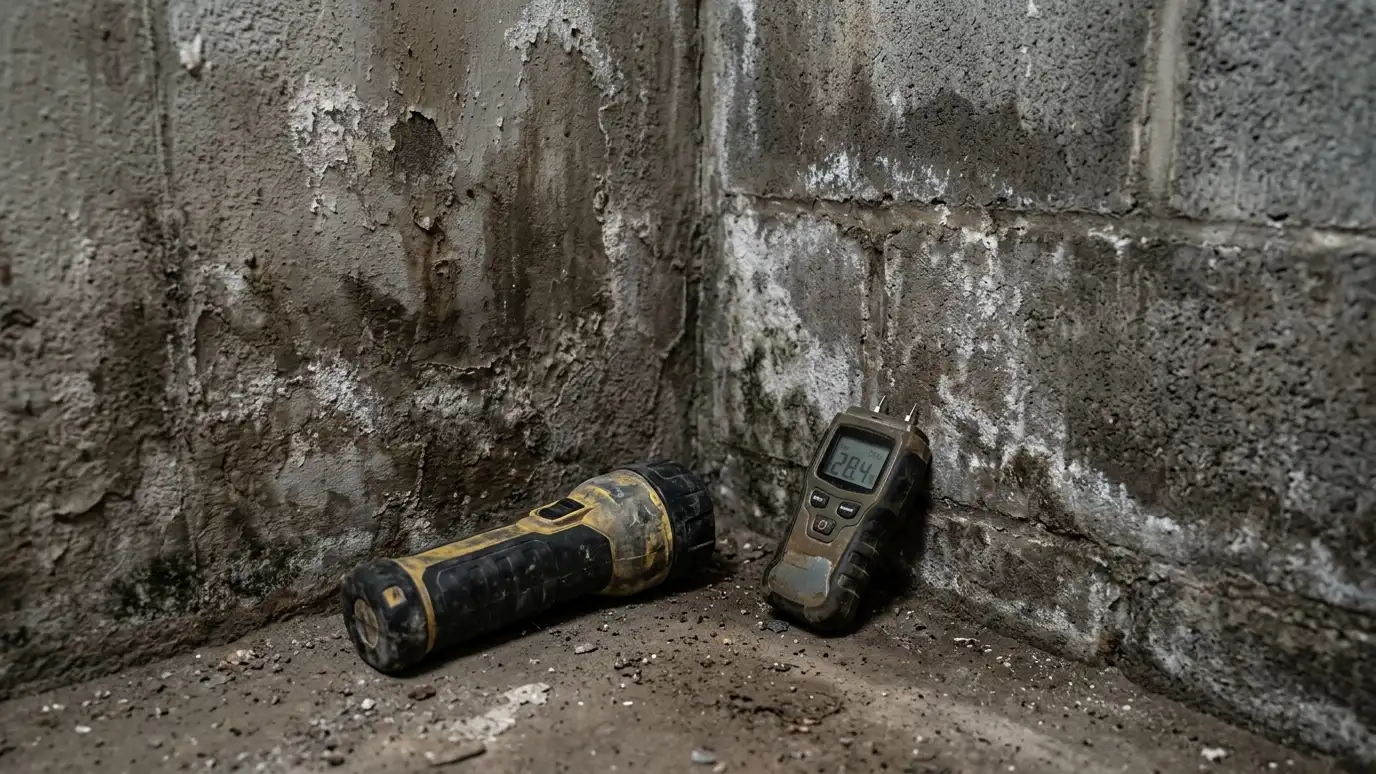
Concrete shrinks as it cures, and houses settle a little. Thin vertical cracks are common and often harmless.
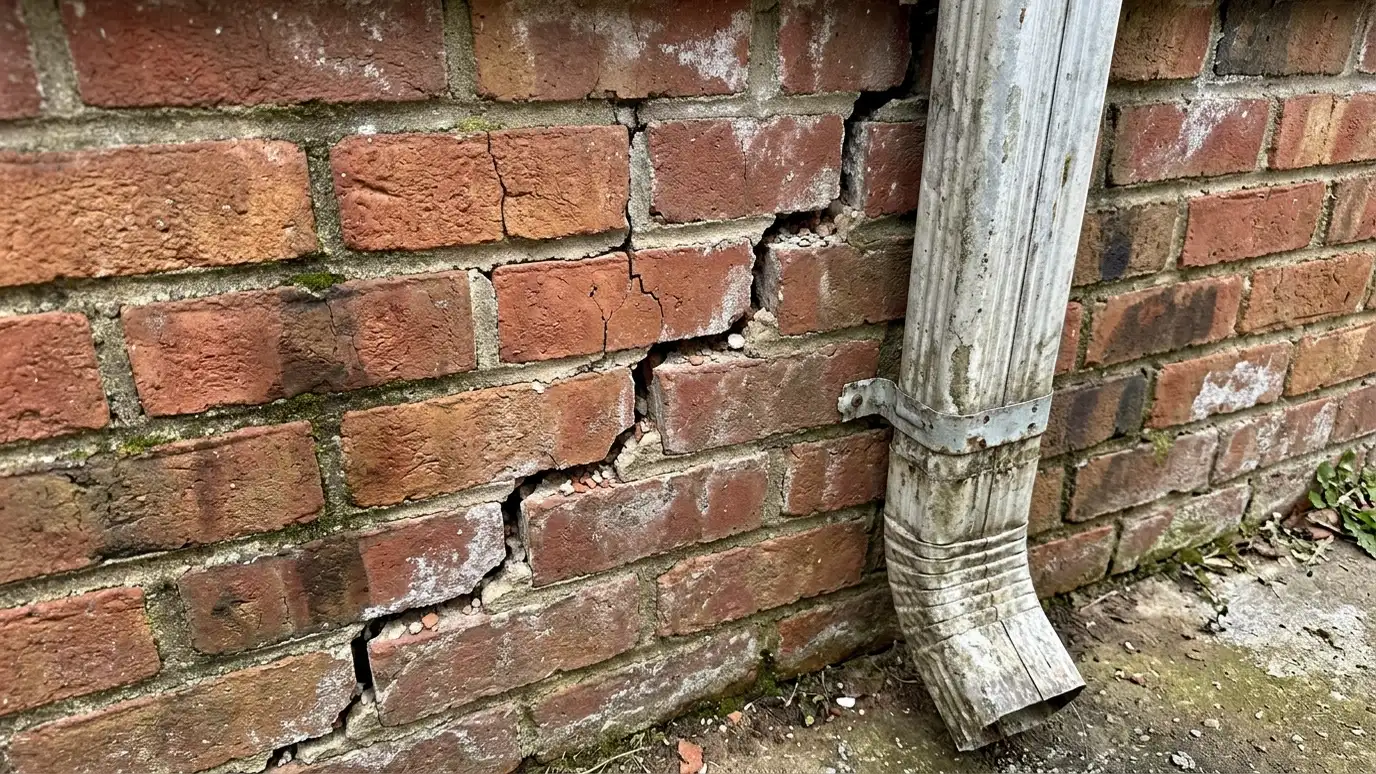
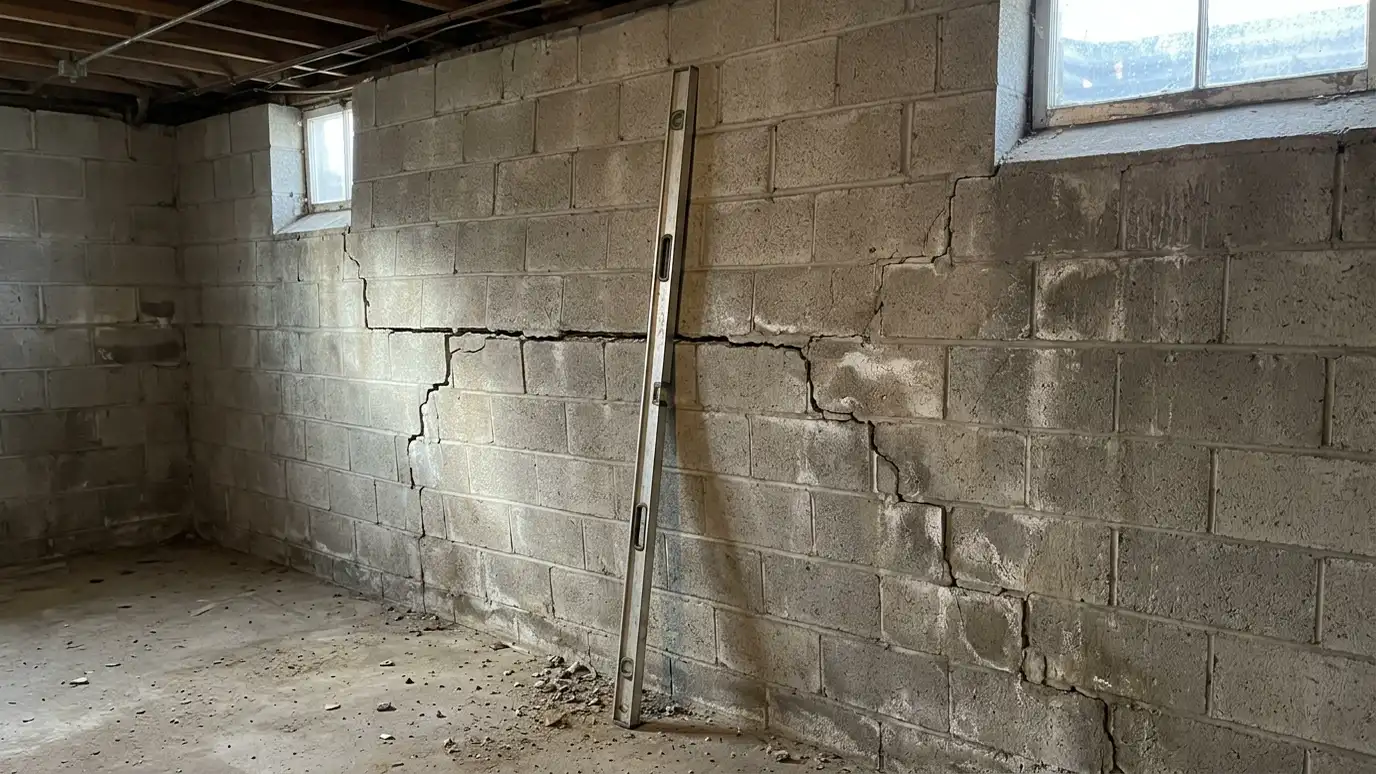
A crack that is wider at one end, stair-steps across block or runs horizontally deserves a closer look.
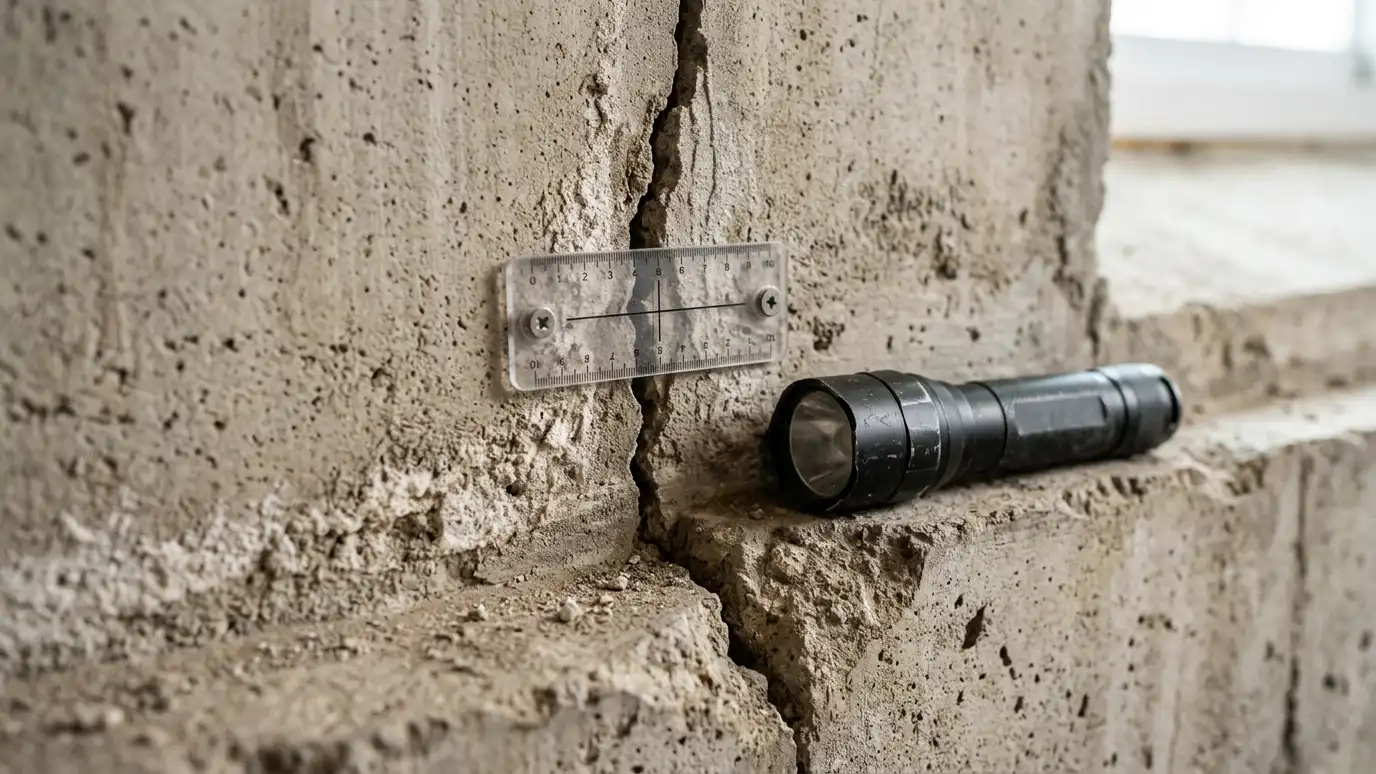
Photos and dates let you track change.
Signs beyond cracks
Doors that stick, windows that bind, floors that slope, gaps at trim and brick that cracks all add to the picture.
One sign may mean little. Several together call for a visit.
Mark them, measure them and watch.
Soil is the driver
Clay swells when wet and shrinks when dry. In Nashville, a dry summer followed by heavy rain can stress foundations.
Washed-out soil, leaking pipes and roots add to the movement.
Knowing the soil helps choose the repair.
Water makes it worse
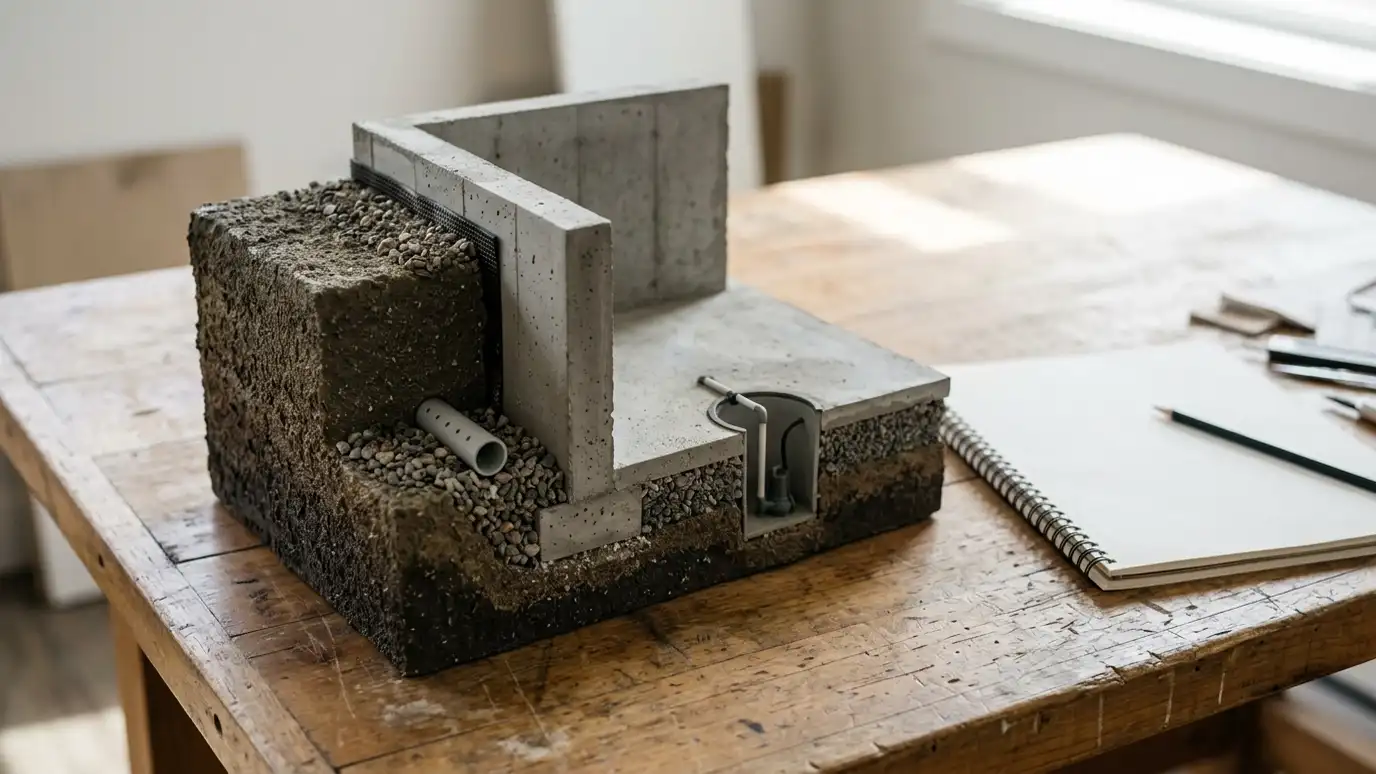
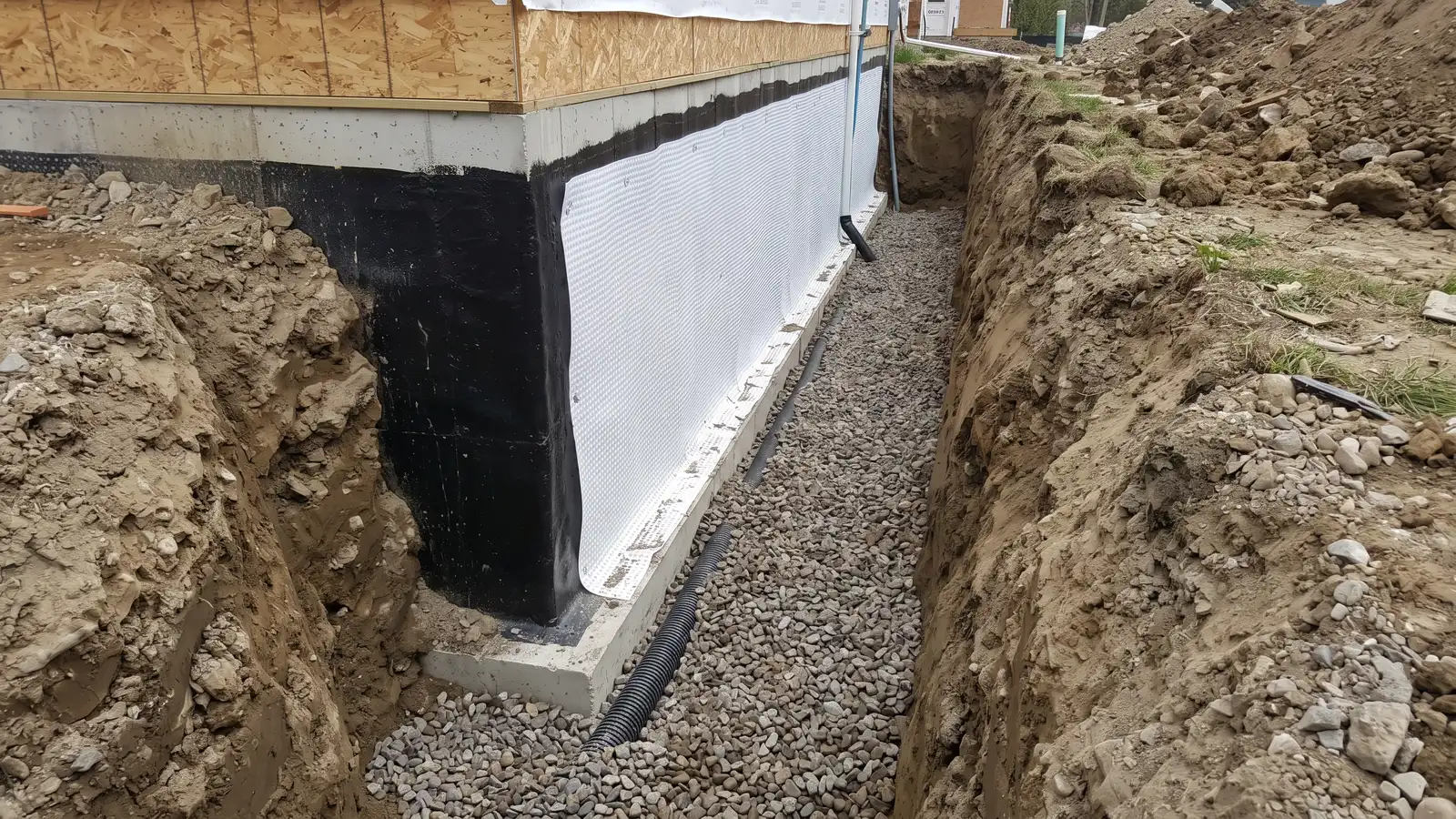
Gutters, grading and drains control how much water reaches the foundation. Fixing them often slows movement.
A repair that ignores water often fails.
We always look at drainage with foundation concerns.
Repair options
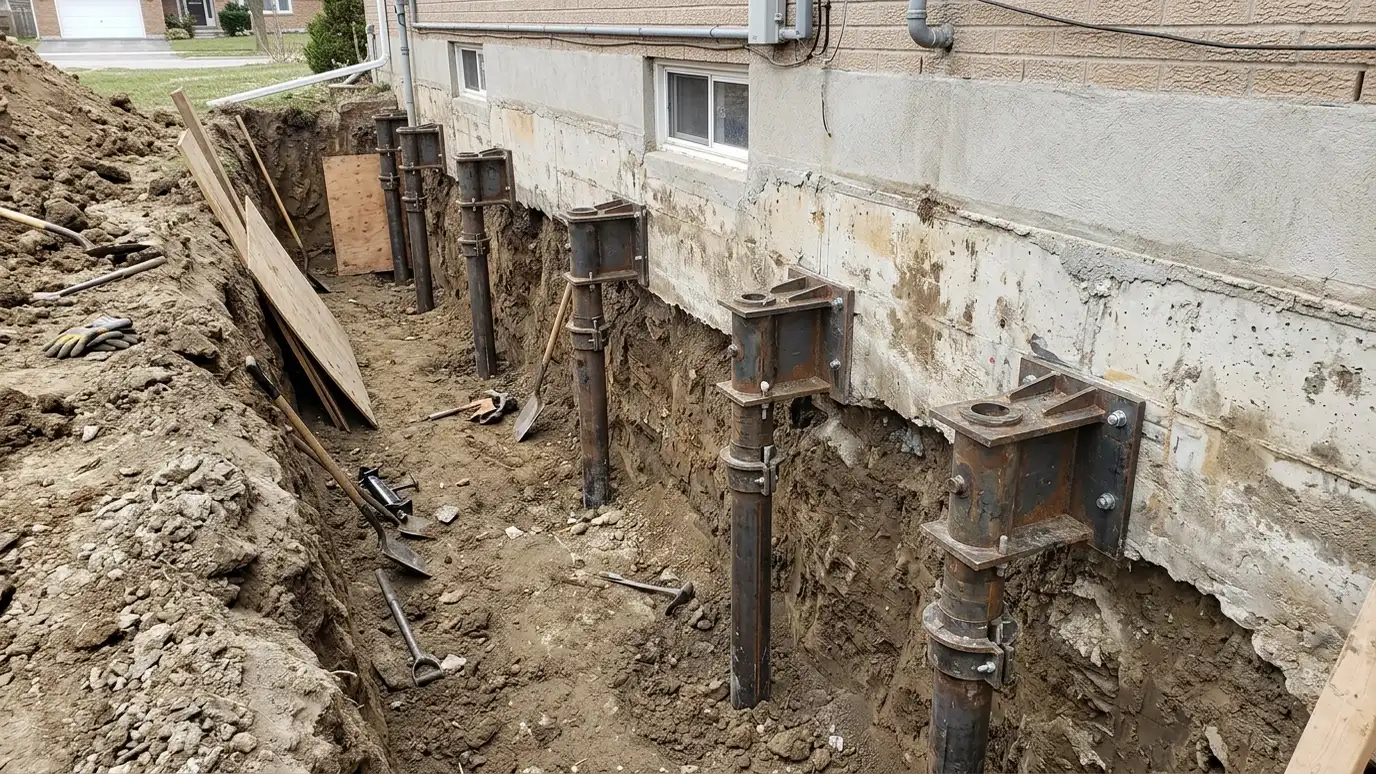
Cracks can be injected. Leaning walls can be braced, anchored or strapped. Settled areas can be supported with piers or lifted with foam or grout.
Each option fits certain causes and sizes.
We explain what each does and does not do.
When to call an engineer
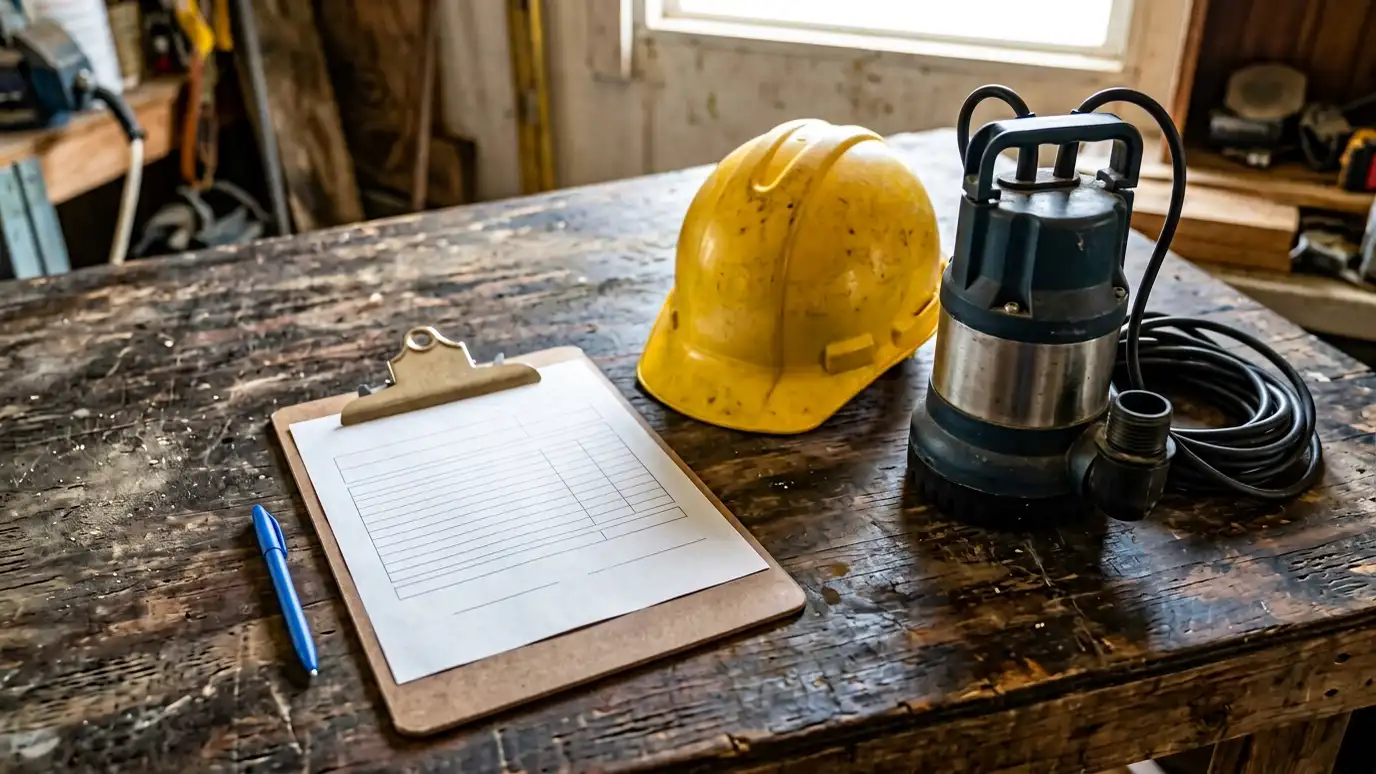
For larger movement, fast change or any doubt, a structural engineer gives a professional opinion and a plan.
We can refer you and build to their plan.
We are not engineers, and we say so.
Measure, photograph and control the water, and call an engineer when the movement is large or changing.