Why crawl spaces get damp
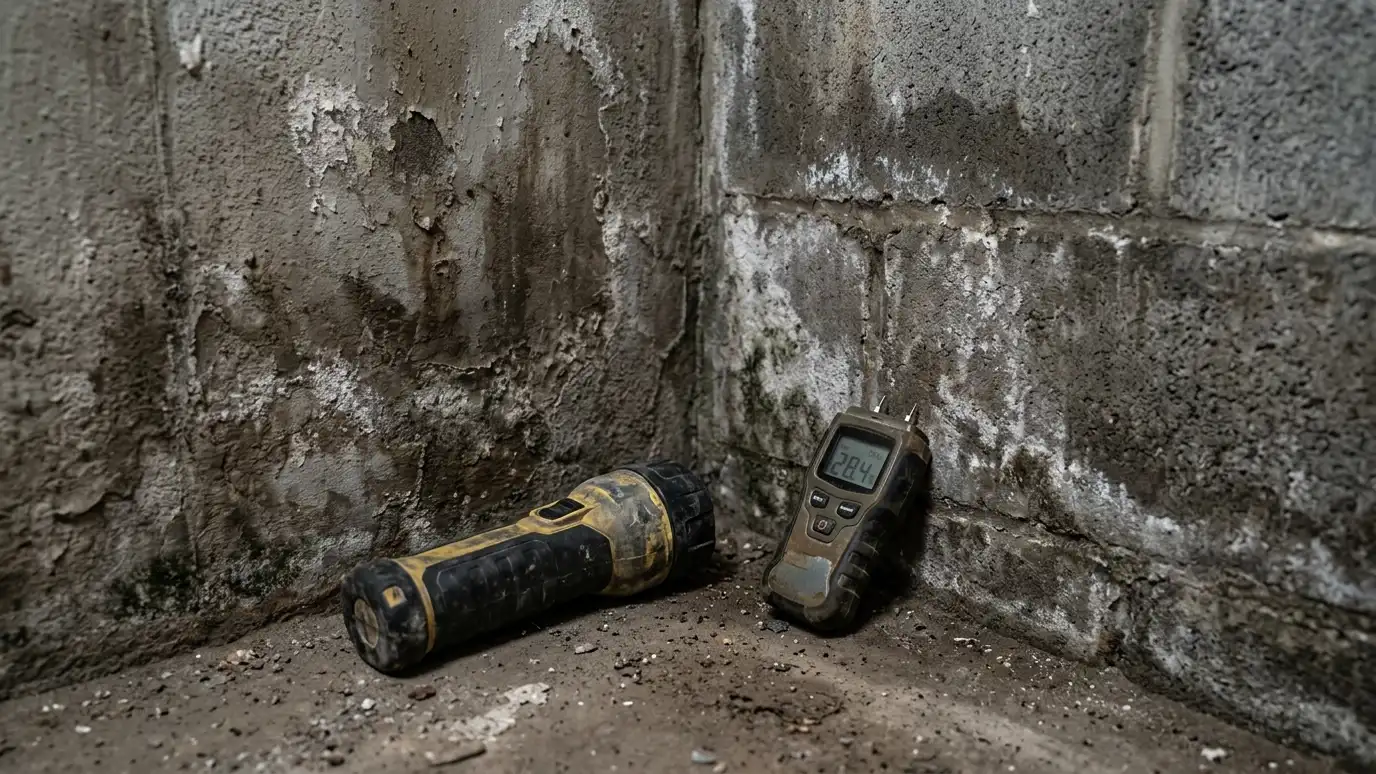
Soil gives off moisture all year. Outside air in humid months carries more. Leaky ducts, pipes and downspouts add to it.
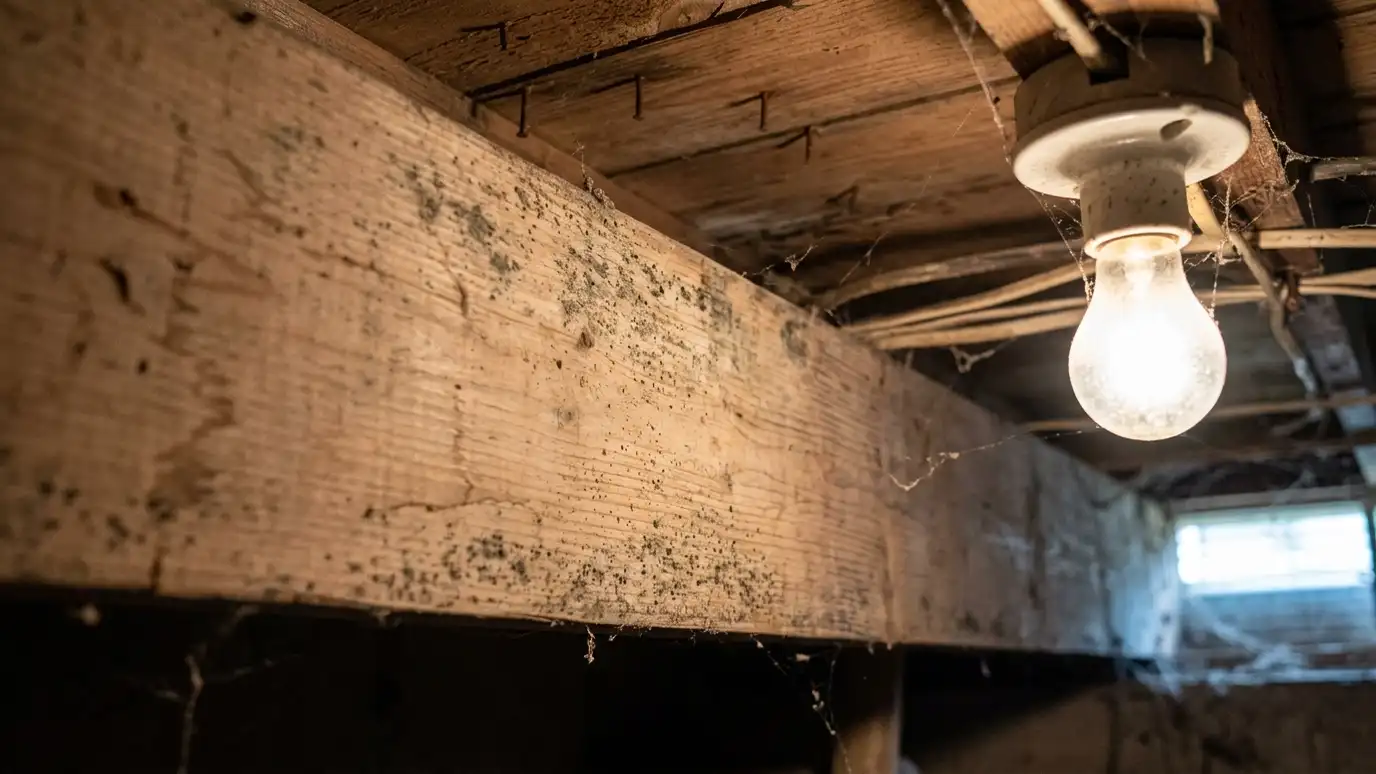
A damp crawl space can feed mold, rot and pests.
In Nashville summers, a vented space can have humid air for weeks.
The stack effect
Warm air rises through your house and pulls air up from below. A musty crawl space can send its air into your living space.
Sealing and controlling the crawl space can improve the air upstairs.
Keep your own ducts and appliances in mind.
Vapor barriers and liners
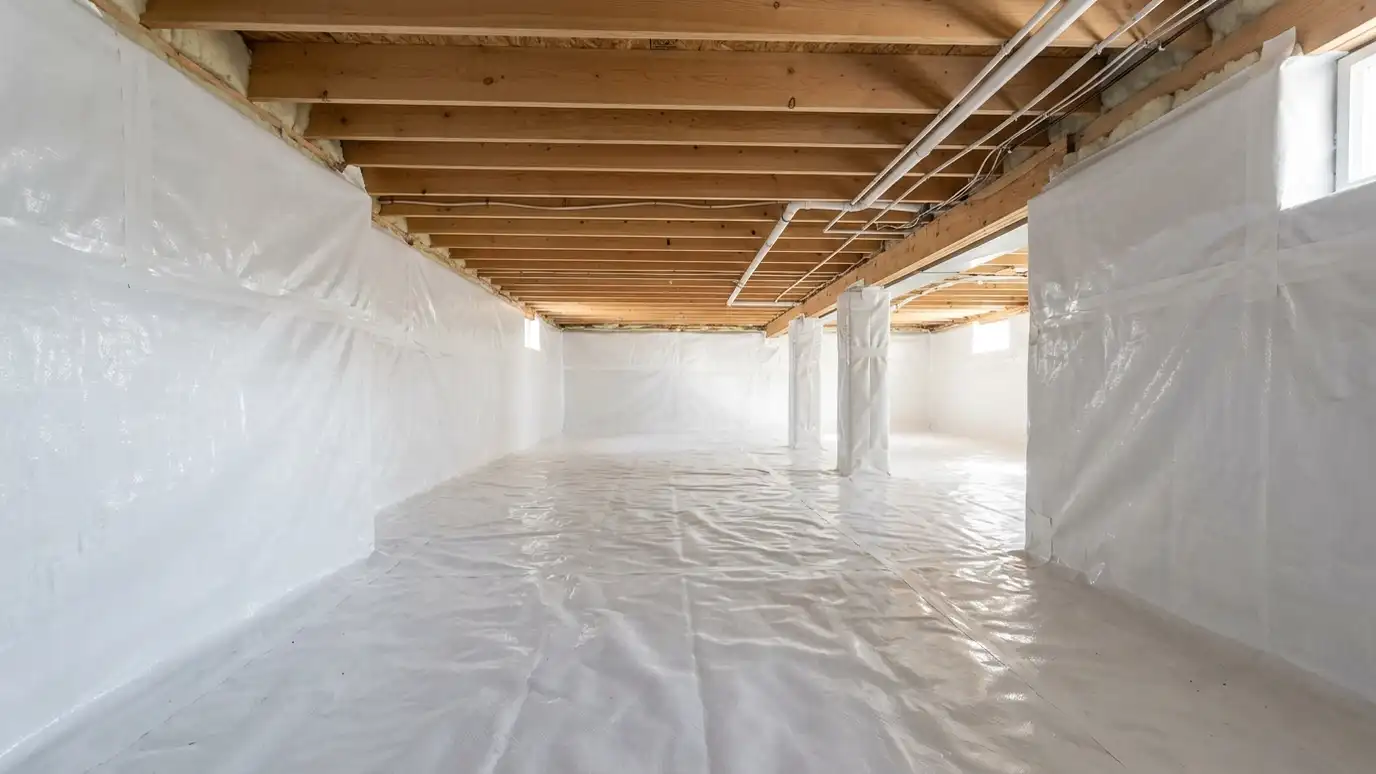
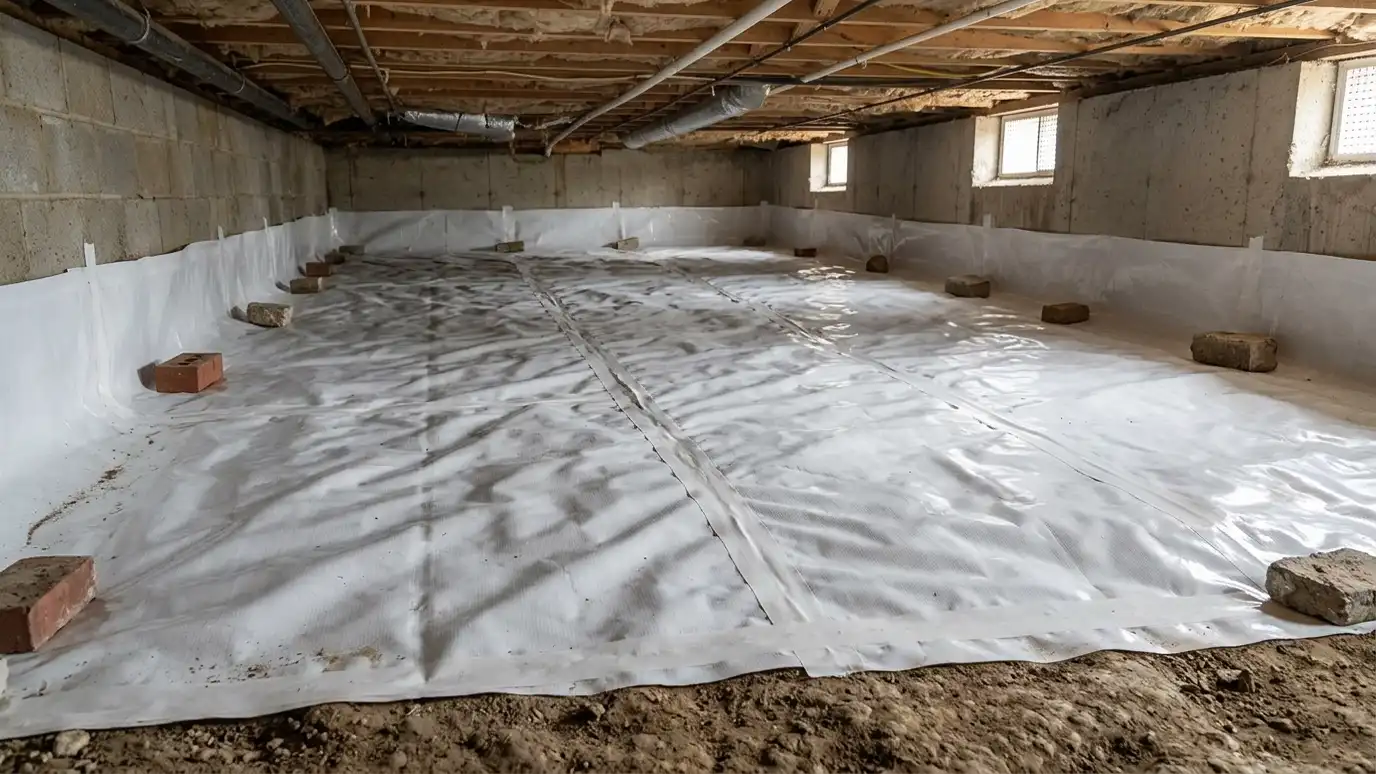
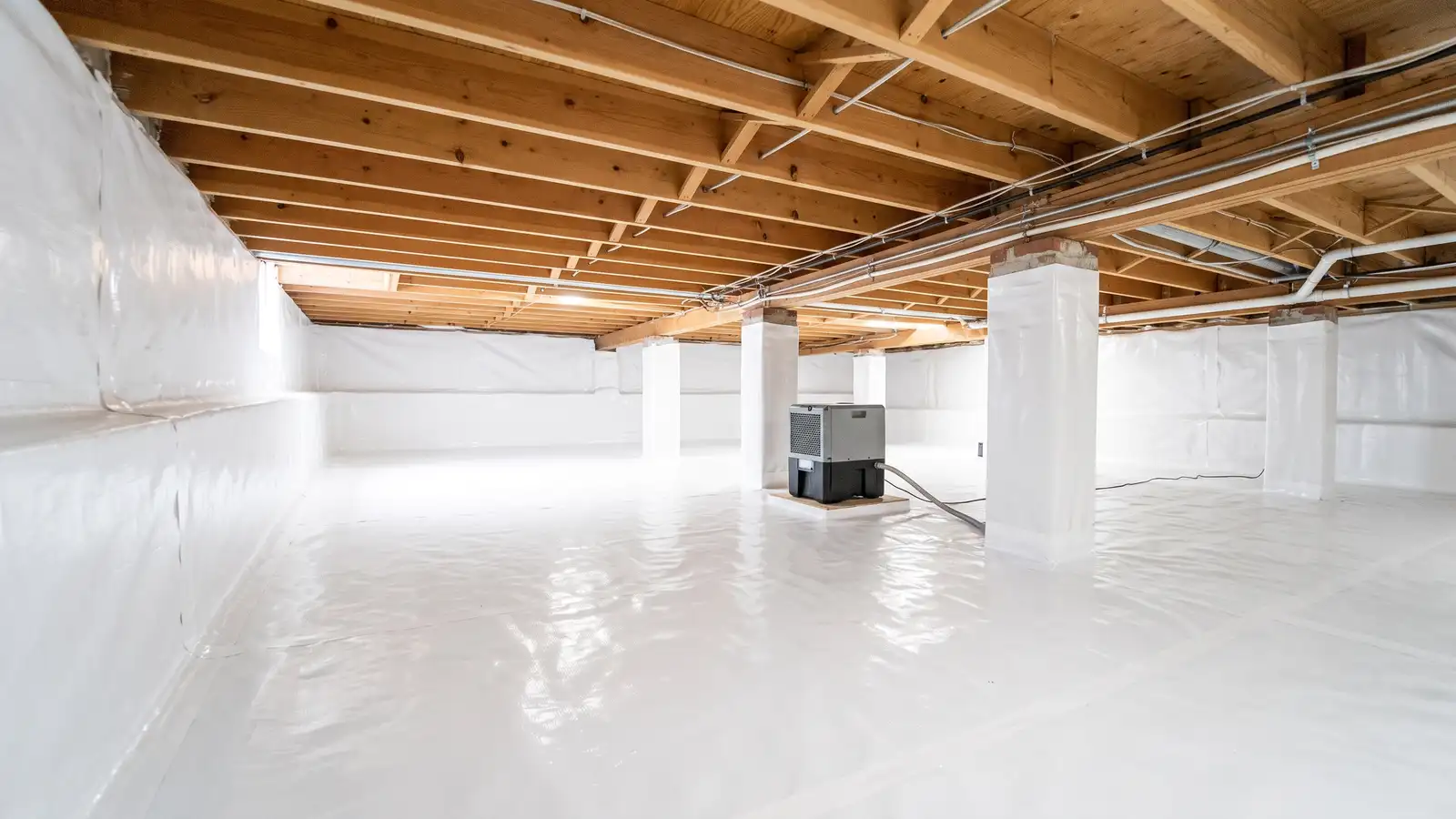
A heavy plastic liner on the floor keeps soil moisture out of the air. Walls can be covered too.
Seams need to be taped and edges sealed to work well.
A liner alone does not fix standing water.
Vents and insulation
Vented spaces insulate the floor. Sealed spaces insulate the walls. Closing vents without humidity control can trap damp air.
Local code and appliances may affect your choices.
We explain the trade-offs for your home.
Dehumidifiers and drainage
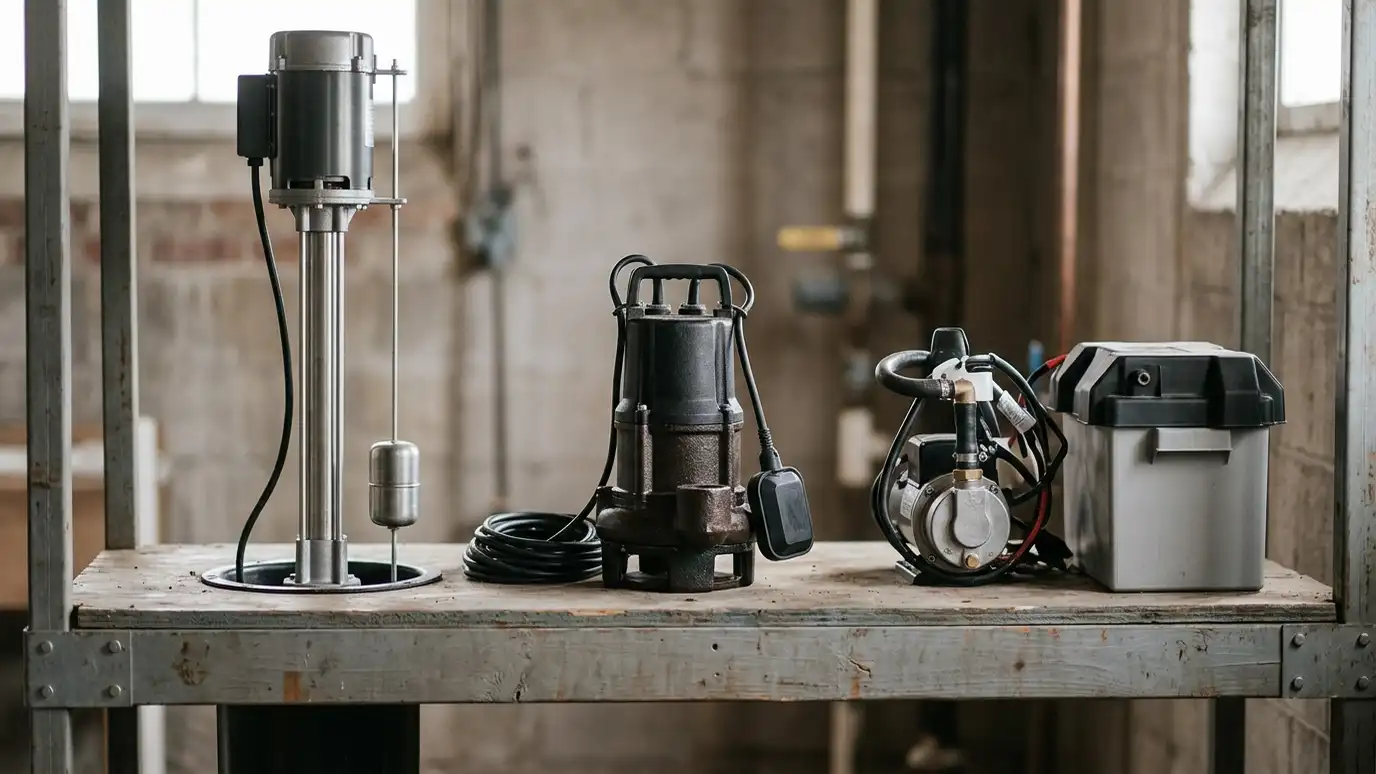
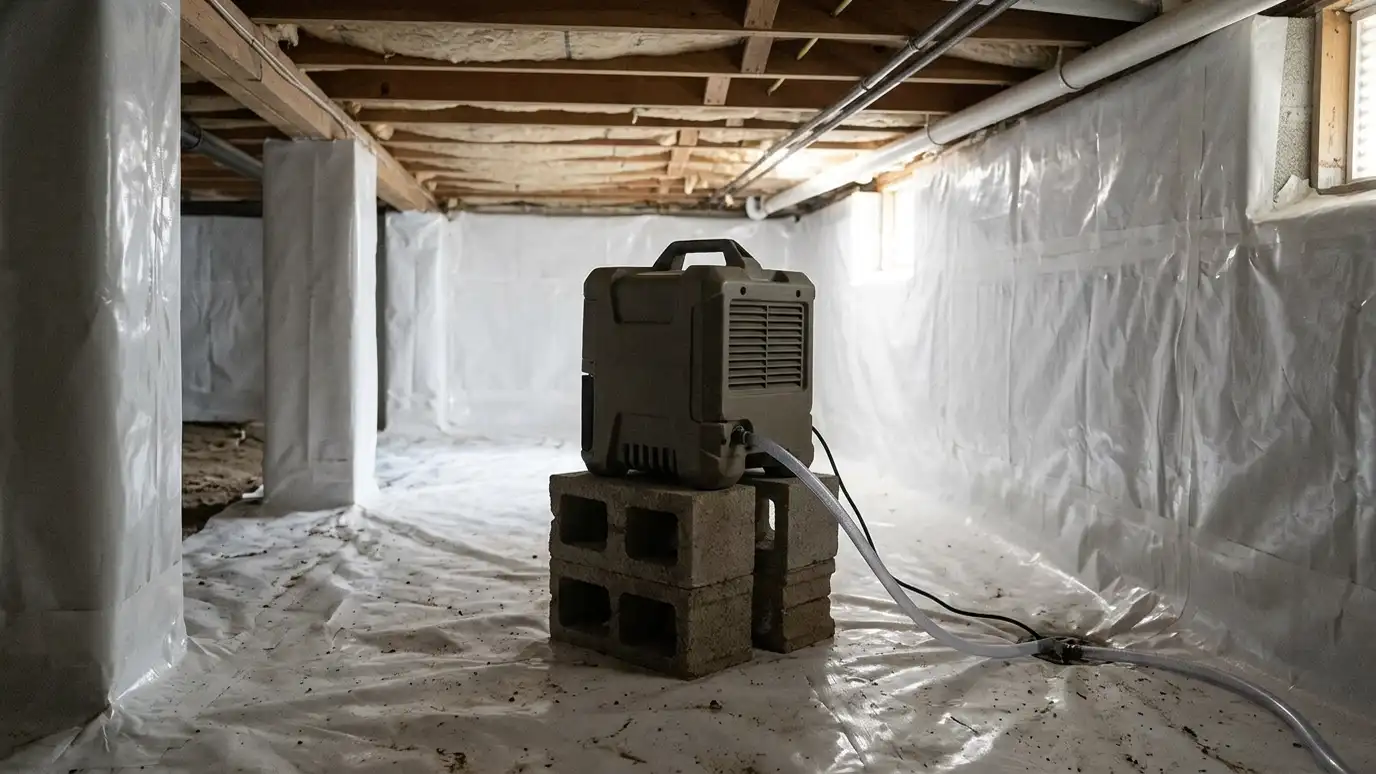
A crawl space unit with a drain removes moisture automatically. If water stands in the space, a drain and pump may be needed first.
A humidity monitor shows the real number.
We tune the plan to your site.
Care and checks
Look at the crawl space a few times a year. Check the liner, the drain, the dehumidifier and any signs of pests or damp.
Keep access doors sealed and clear.
A yearly inspection catches small things early.
Control water first, then seal and manage humidity, and check the space every season.