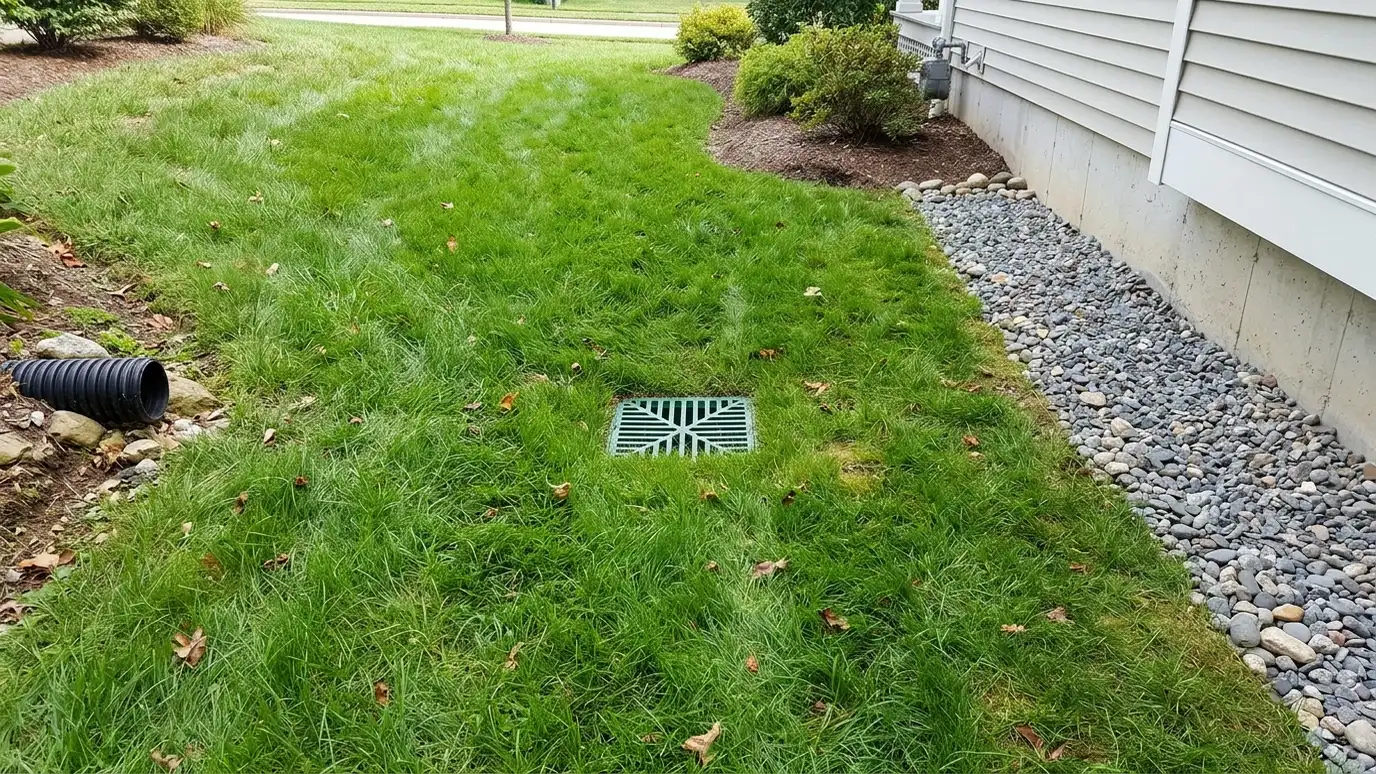
How interior, exterior footing, curtain and surface drains differ in where they collect water and where it goes.
The words French drain cover several different things. An interior drain sits under the basement floor edge and collects water that gets in. A footing drain sits outside, beside the foundation, and carries water away from the wall. A curtain drain sits on a slope above the house and intercepts water on its way. A surface drain or catch basin collects water from the top of the ground. All of them need slope and an outlet.
The right choice depends on where the water comes from. Hillside lots around Nashville often benefit from a curtain drain, flat clay yards from surface drains and grading, and older basements from interior drains tied to a sump. Sometimes a house uses two or three of these types together. We map the water first, so the drain goes where it will help.
Collects water under the floor edge and sends it to a sump or outlet.
Sits beside the foundation and carries water away from the wall.
Intercepts hillside water uphill of the house.
Catch basins and channels collect water from the surface.
Every drain needs a steady fall and a safe place to send water.
Access points make future flushing possible.
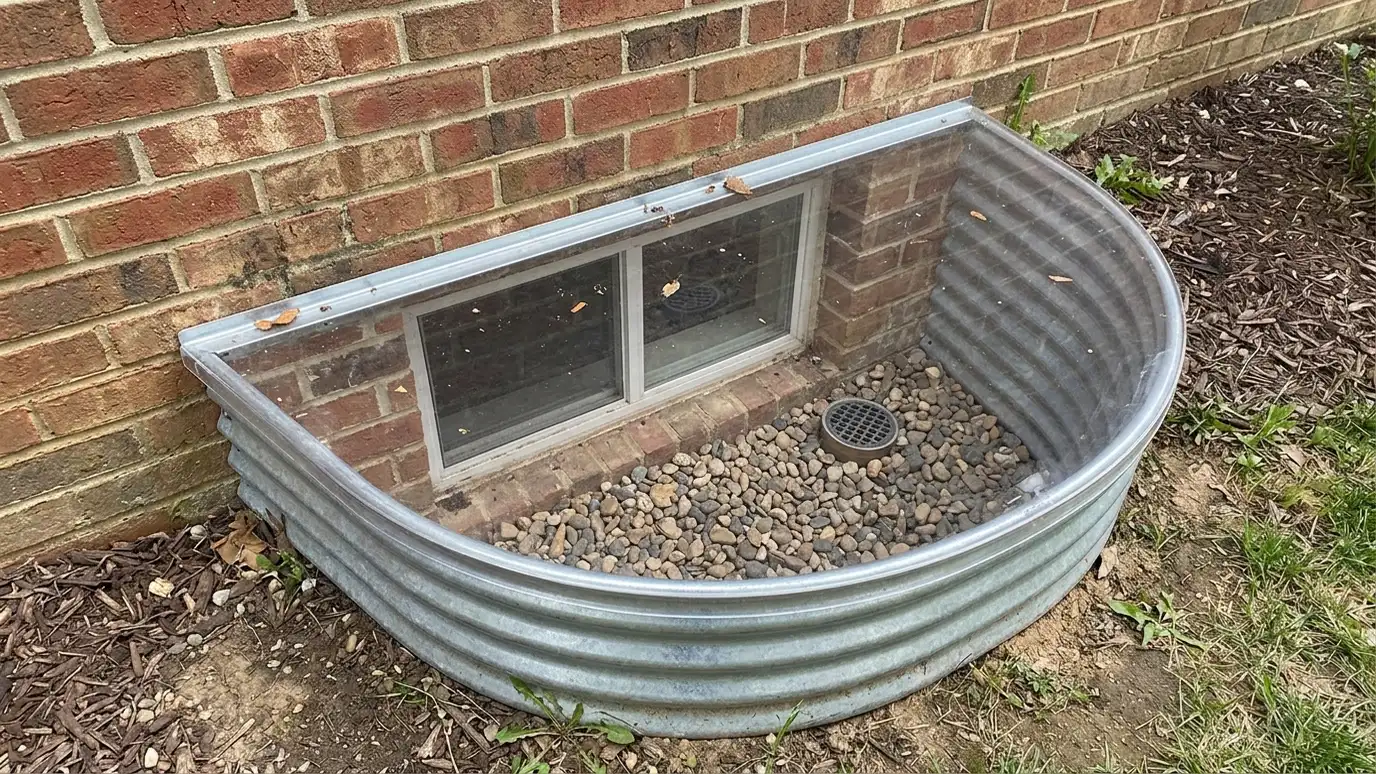 Basement Window Well and Egress DrainageBasement window well and egress drainage with clear covers, gravel and drains that stop water from pooling against…Explore
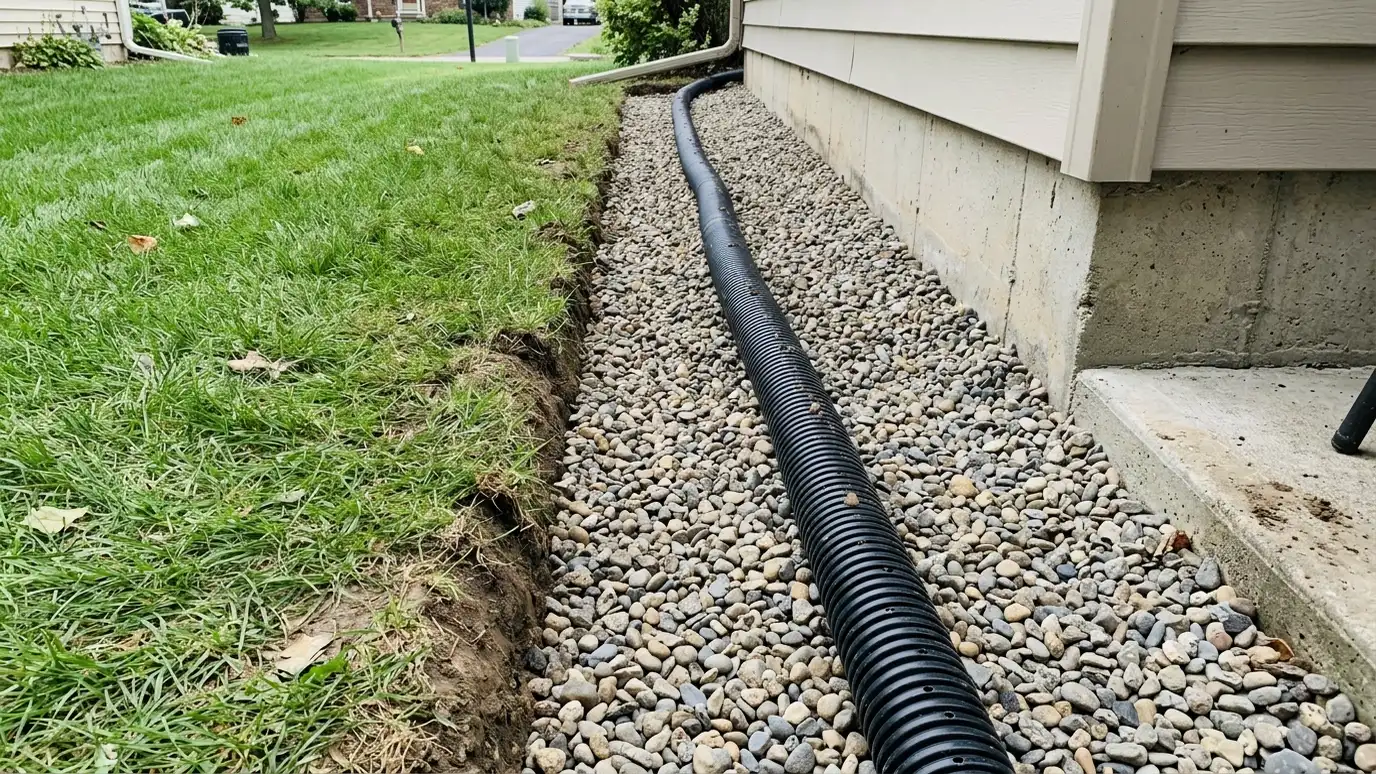 French Drain InstallationFrench drain installation with a sloped trench, fabric, washed stone and perforated pipe that collects soggy yard water…Explore
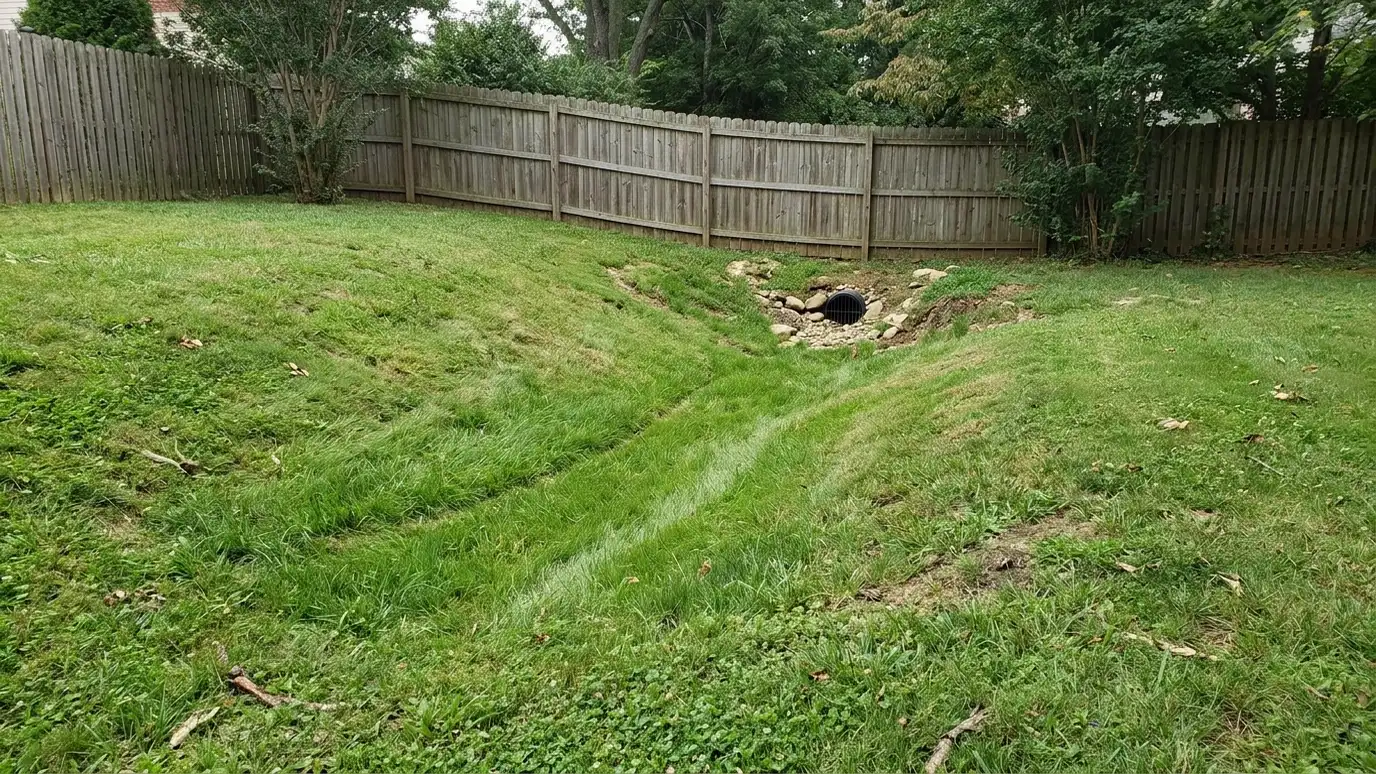 Yard Drainage SolutionsYard drainage solutions that combine grading, drains, swales and outlets into one plan for lawns and gardens that…Explore
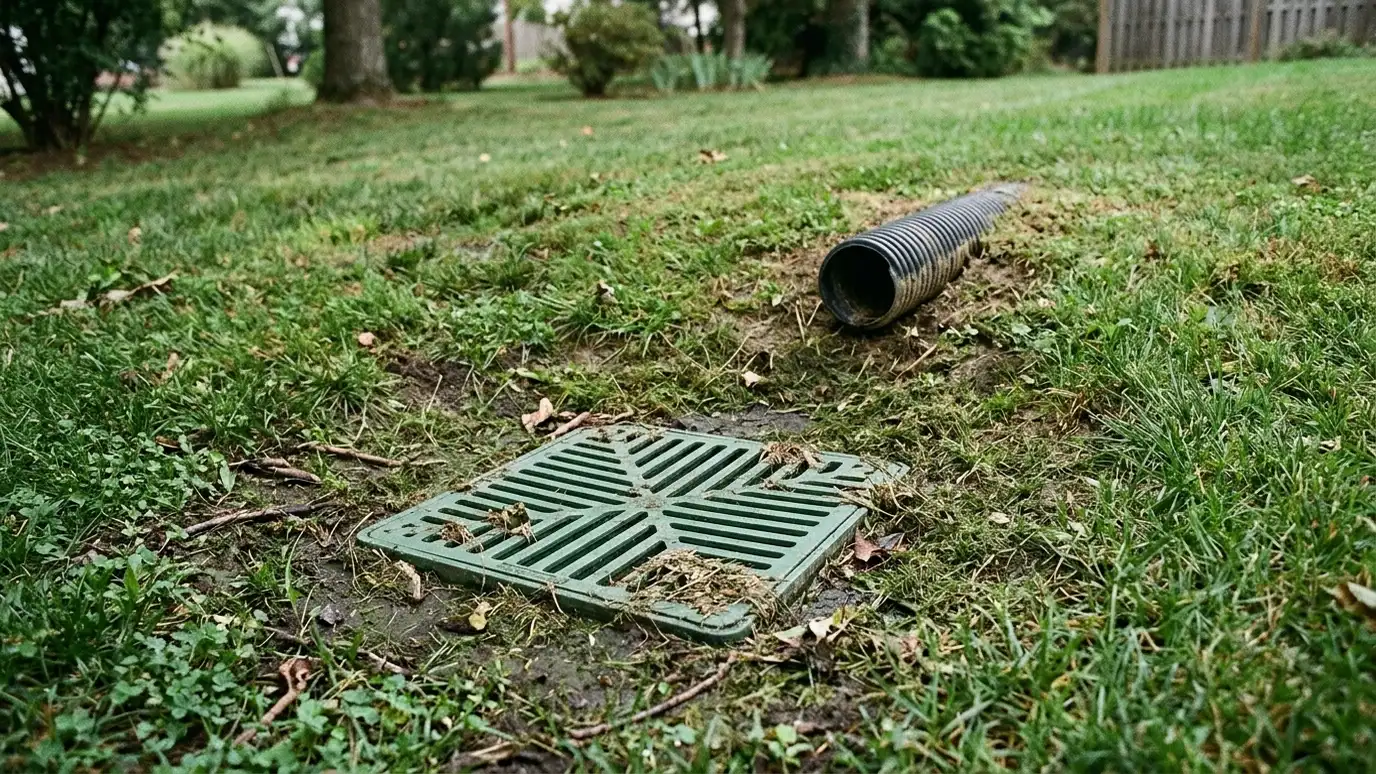 Surface Drains and Catch BasinsSurface drains and catch basins that gather water in low spots and pipe it to an outlet, with…Explore
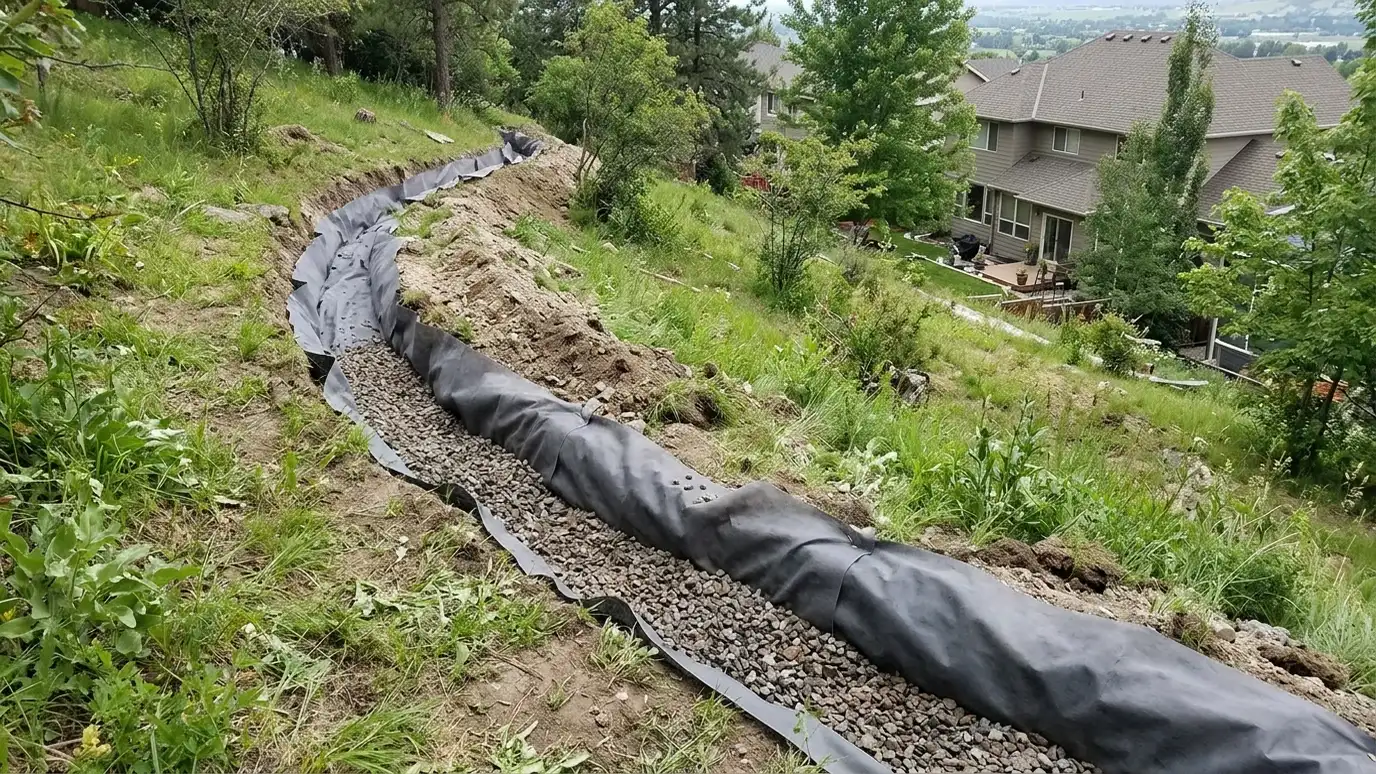 Curtain DrainsCurtain drains that intercept water on a slope before it reaches your house, using a curved trench of…Explore
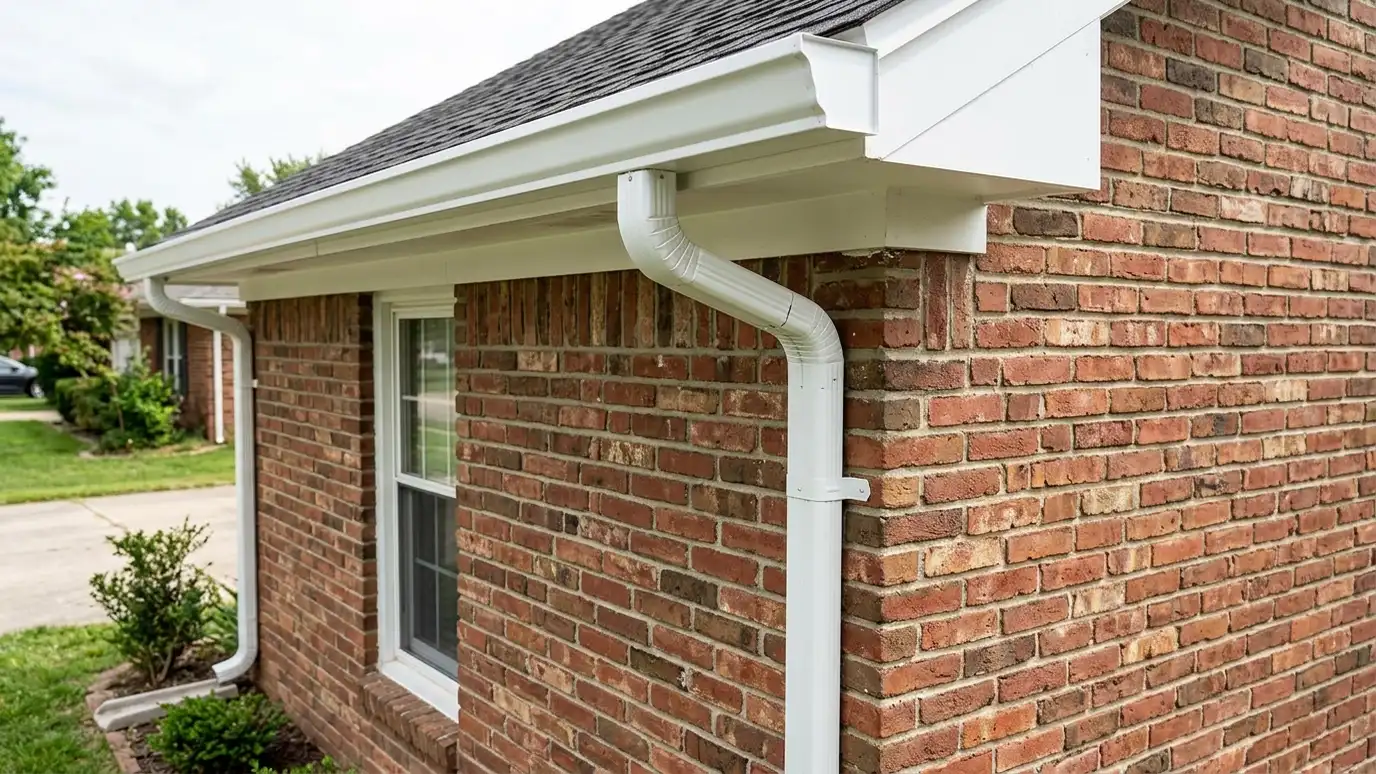 Gutter Installation and RepairGutter installation and repair with seamless gutters, correct slope, solid hangers and properly sized downspouts that move roof…Explore
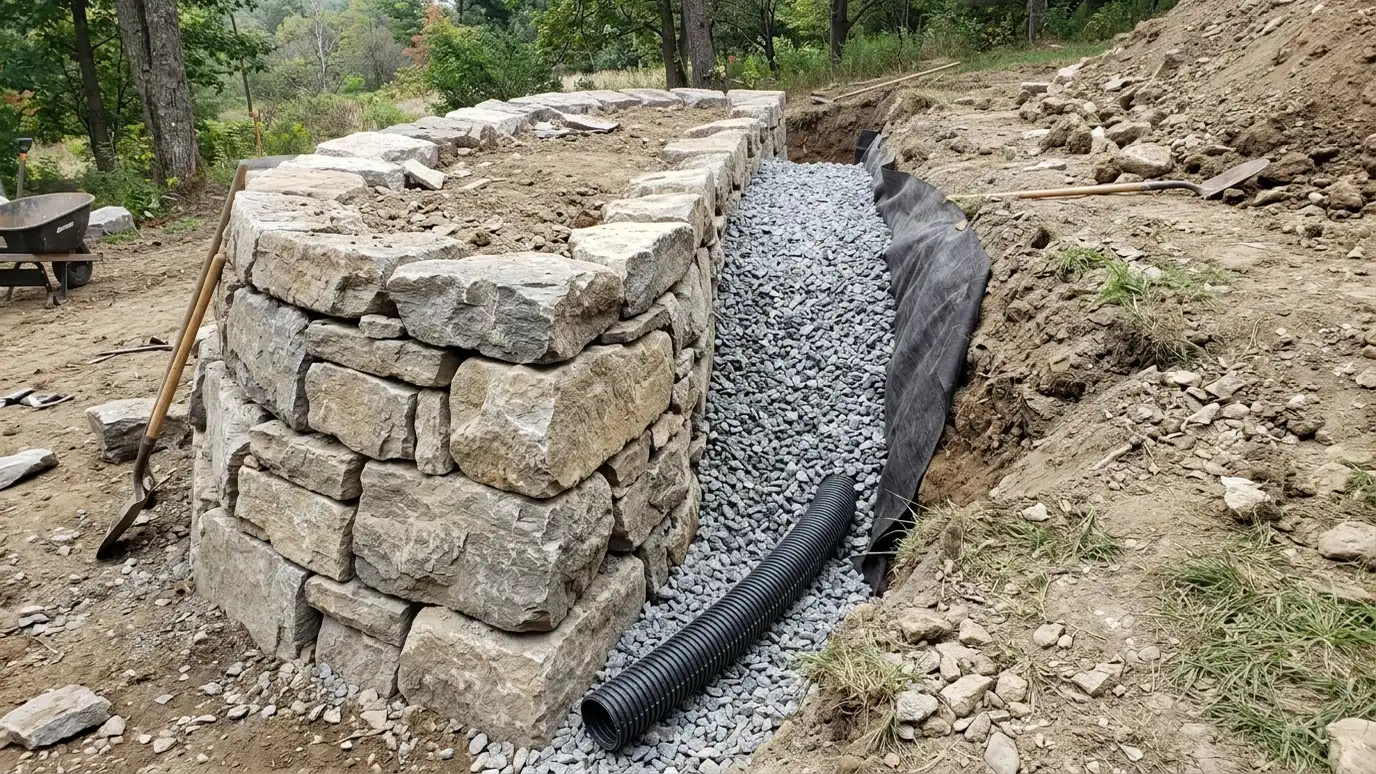 Retaining Wall DrainageRetaining wall drainage with gravel backfill, filter fabric, weep pipes and outlets that relieve water pressure behind walls…Explore
Size a pump, check your home or ballpark a budget.
 Sump Pump and Dehumidifier Sizing CalculatorEnter floor area, lift, pipe run, ceiling height and dampness to see a planning pump flow or dehumidifier capacity for a basement or crawl space.Try it
 Basement Dryness Checker: How Ready Is Your Home?Pick the area, set the condition and tick what applies to see what to check, service or inspect before the next heavy rain.Try it
 Waterproofing Budget PlannerPick a drain, pump, repair, crawl space or drainage project, set the size and add allowances to see a ballpark planning range. Placeholder values only.Try it
It depends on where the water comes from. A visit and a map of the flow show the answer.
Yes. Many sites use more than one type working together.
Silt and roots can clog them. Cleanouts, fabric and clean stone reduce the risk.
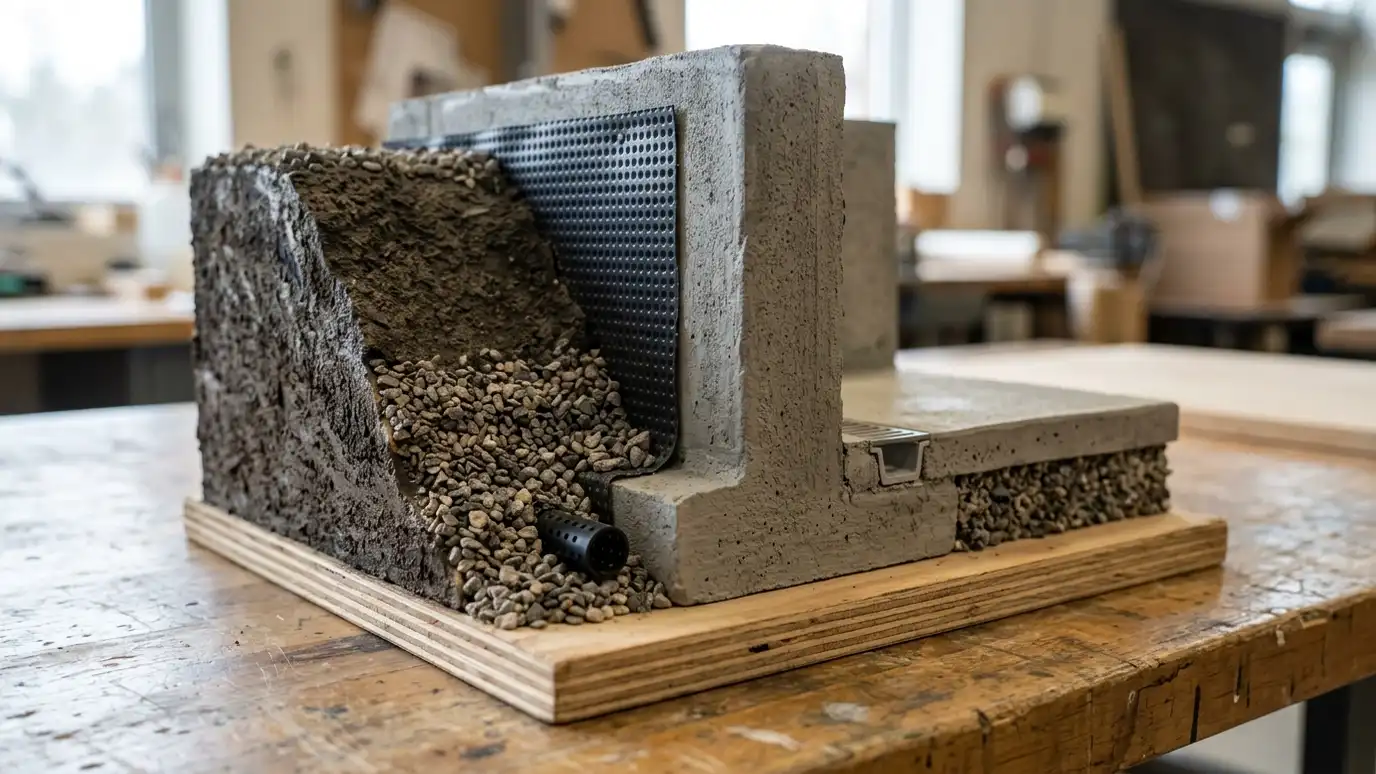 Comparison guideInterior vs ExteriorHow interior drains and exterior membranes differ in where they work, how much digging they need and what…Learn more
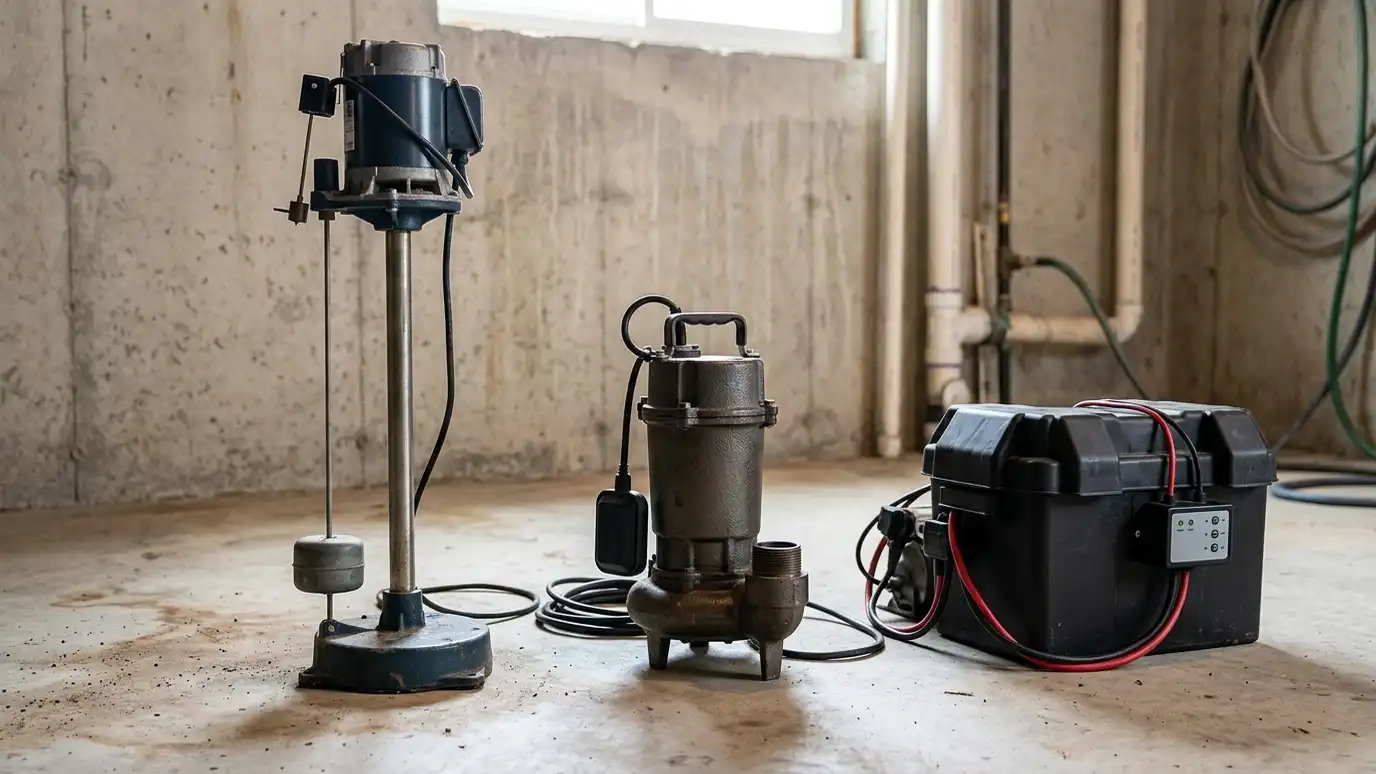 Comparison guideSump Pump TypesHow submersible, pedestal, battery backup and water-powered pumps differ in noise, life, cost to run and what happens…Learn more
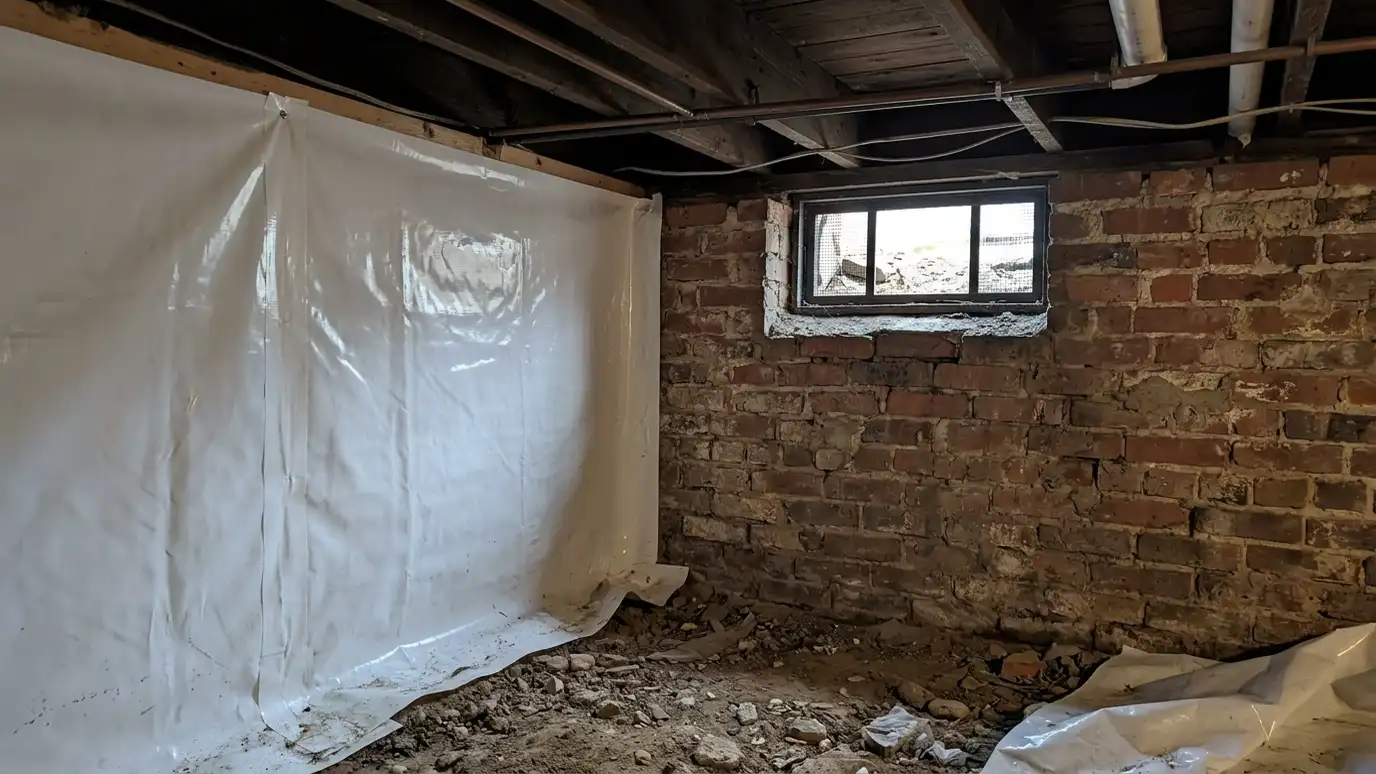 Comparison guideEncapsulation vs VentsHow a sealed, controlled crawl space differs from a vented one in moisture, air movement, insulation and upkeep.Learn more
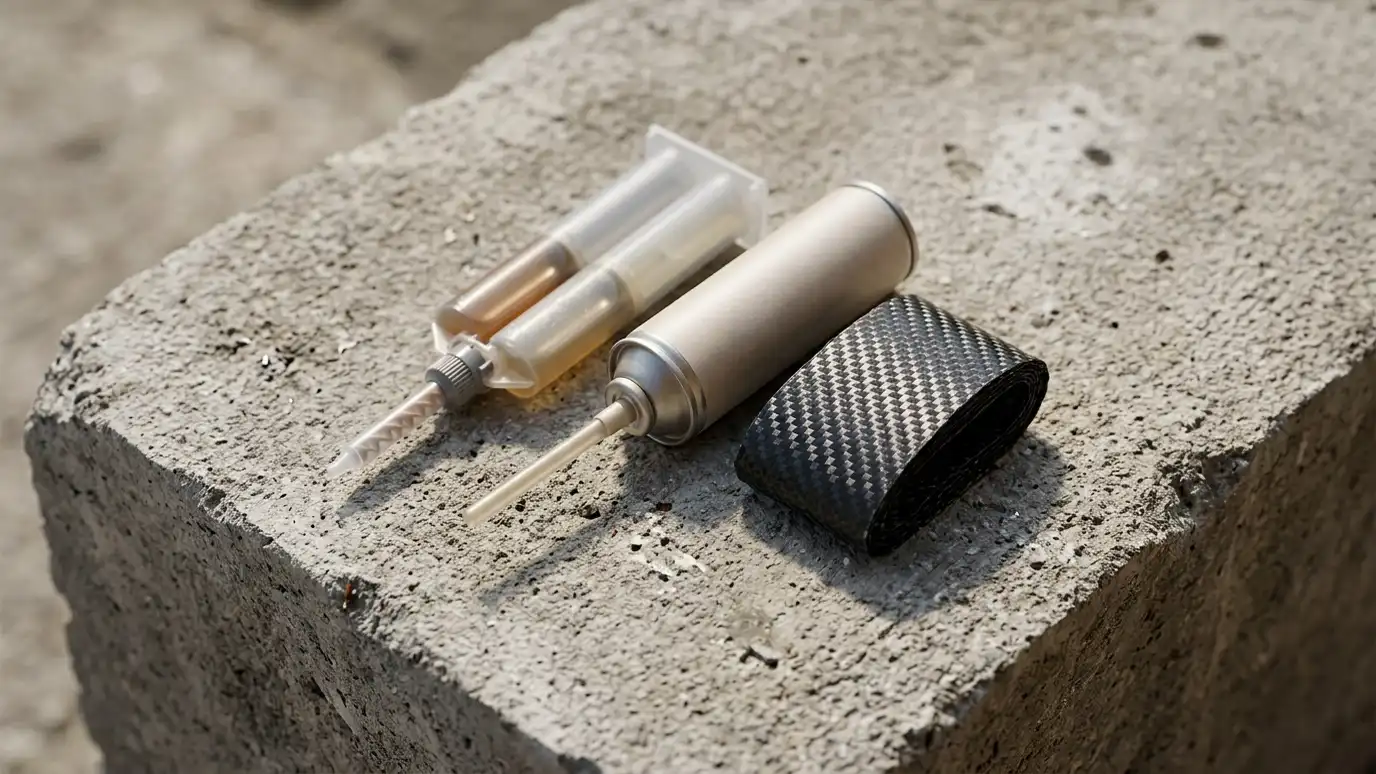 Comparison guideCrack Repair MethodsHow epoxy injection, polyurethane injection, hydraulic cement and carbon fiber straps differ in what they fix.Learn more
Call us and describe what you have seen. We will visit, find the source of the water and give you a clear written plan.