Look at the pattern
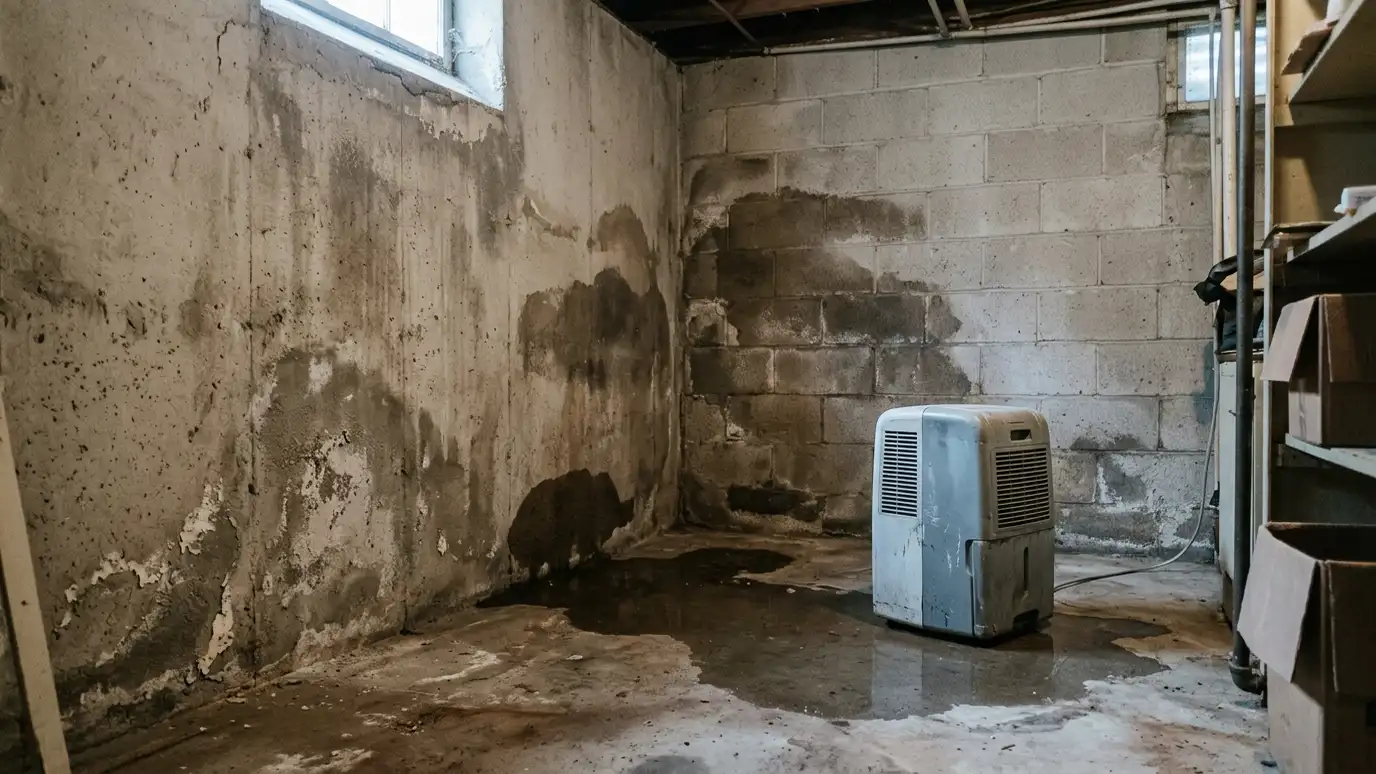
Water near one wall after rain suggests an outside cause. Dampness all over on humid days suggests condensation. A puddle near the water heater or washer suggests plumbing.
A stain with a rust ring may be from an old leak. A fresh puddle after rain is the water you have now.
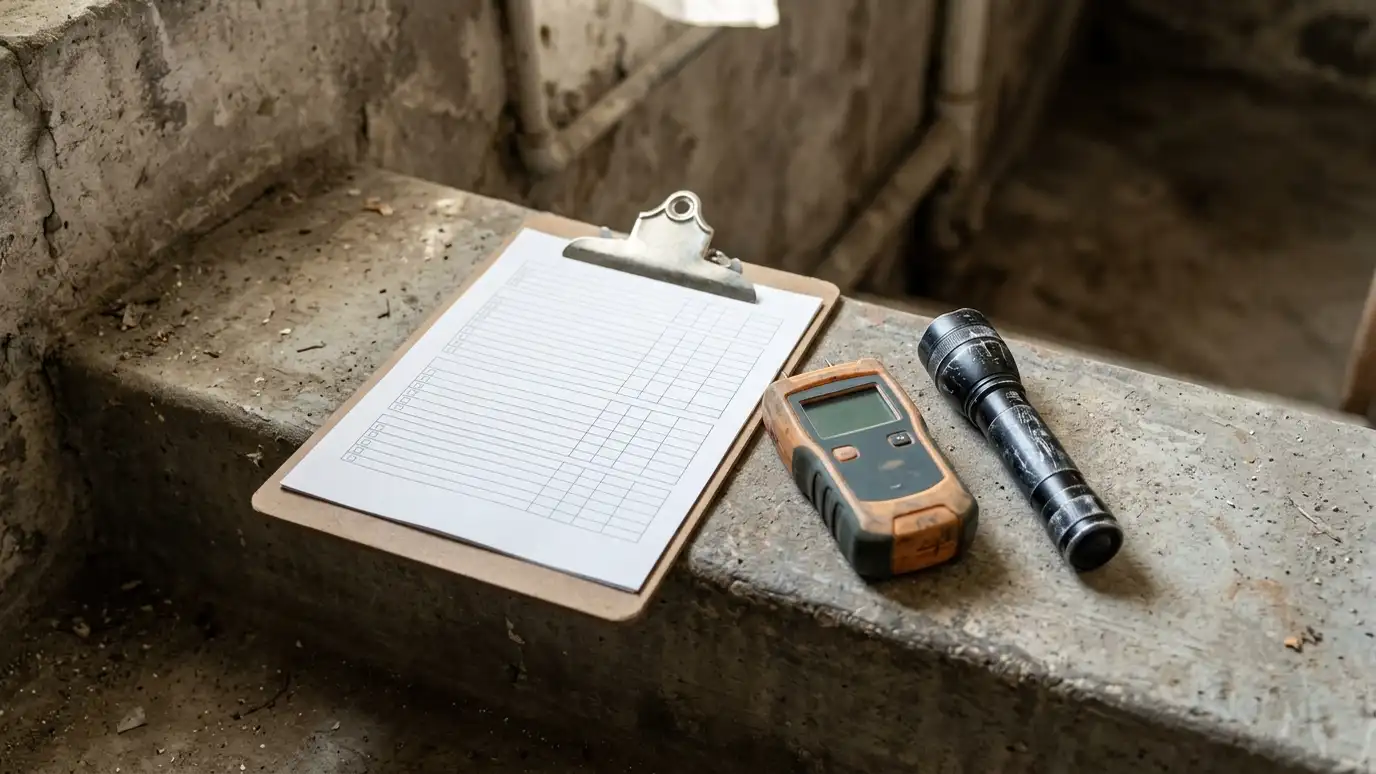
Write down where and when it shows up.
Try the plastic test
Tape a square of plastic wrap tightly to a dry-looking wall for a day or two. Moisture on the outside of the plastic points to humid air. Moisture under the plastic points to water coming through the wall.
This simple test avoids a lot of guessing.
It does not replace a visit, but it adds facts.
Check the outside
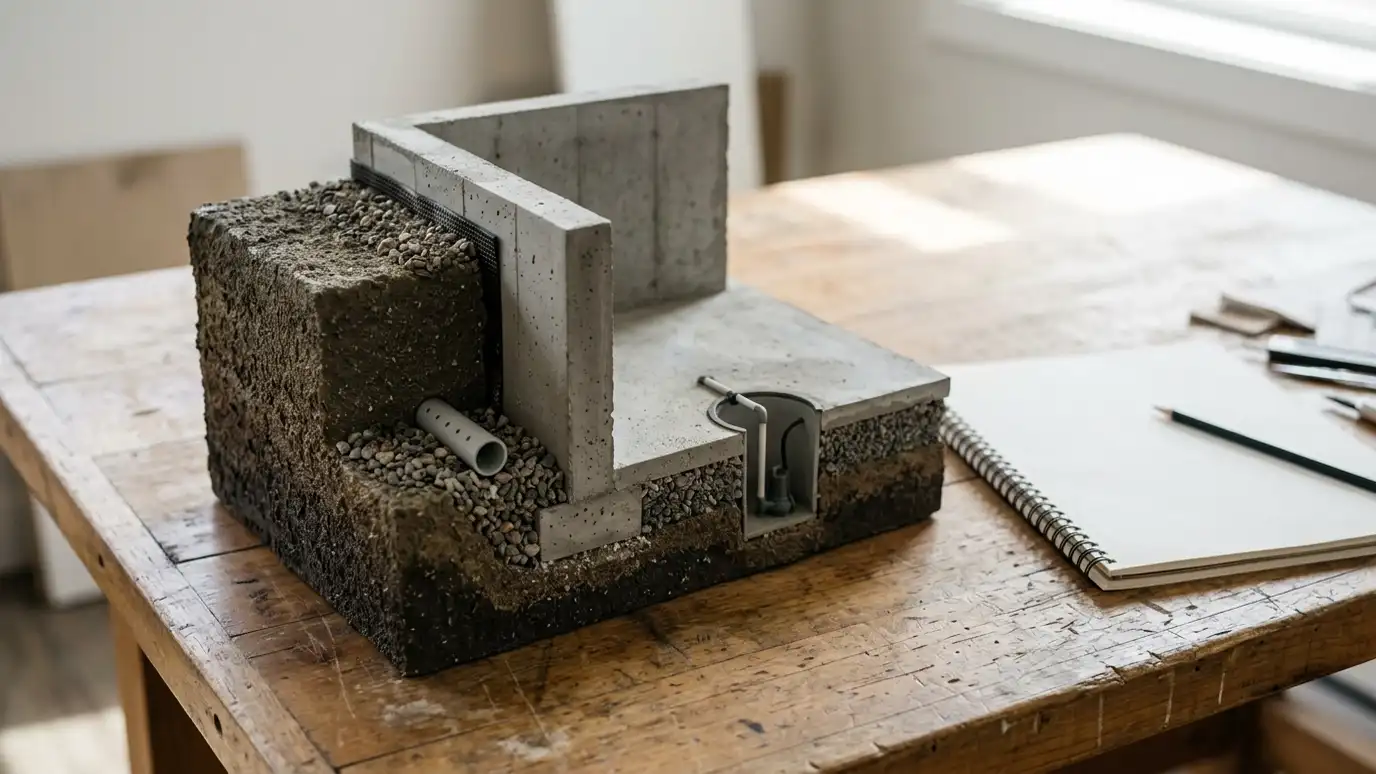
Walk around the house. Do gutters overflow, do downspouts dump at the wall, does soil slope toward the house, are window wells full? In Nashville, a short walk in the rain tells you a lot.
Fixing these parts often helps more than anything inside.
Take photos so you can compare later.
Check the inside
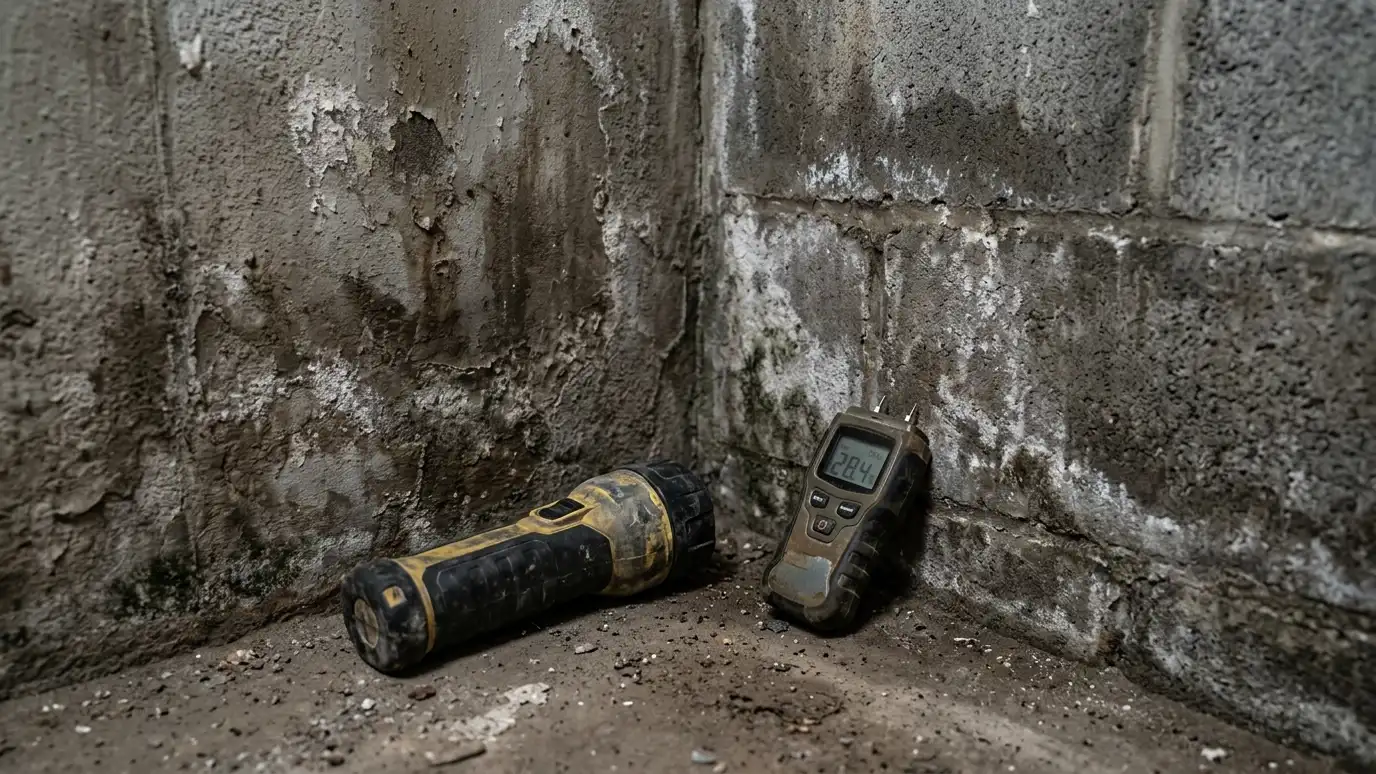
Look at the wall base, the floor joint, cracks, window frames, pipes and the sump. Feel for cold, damp spots and look for white powder, rust and mold.
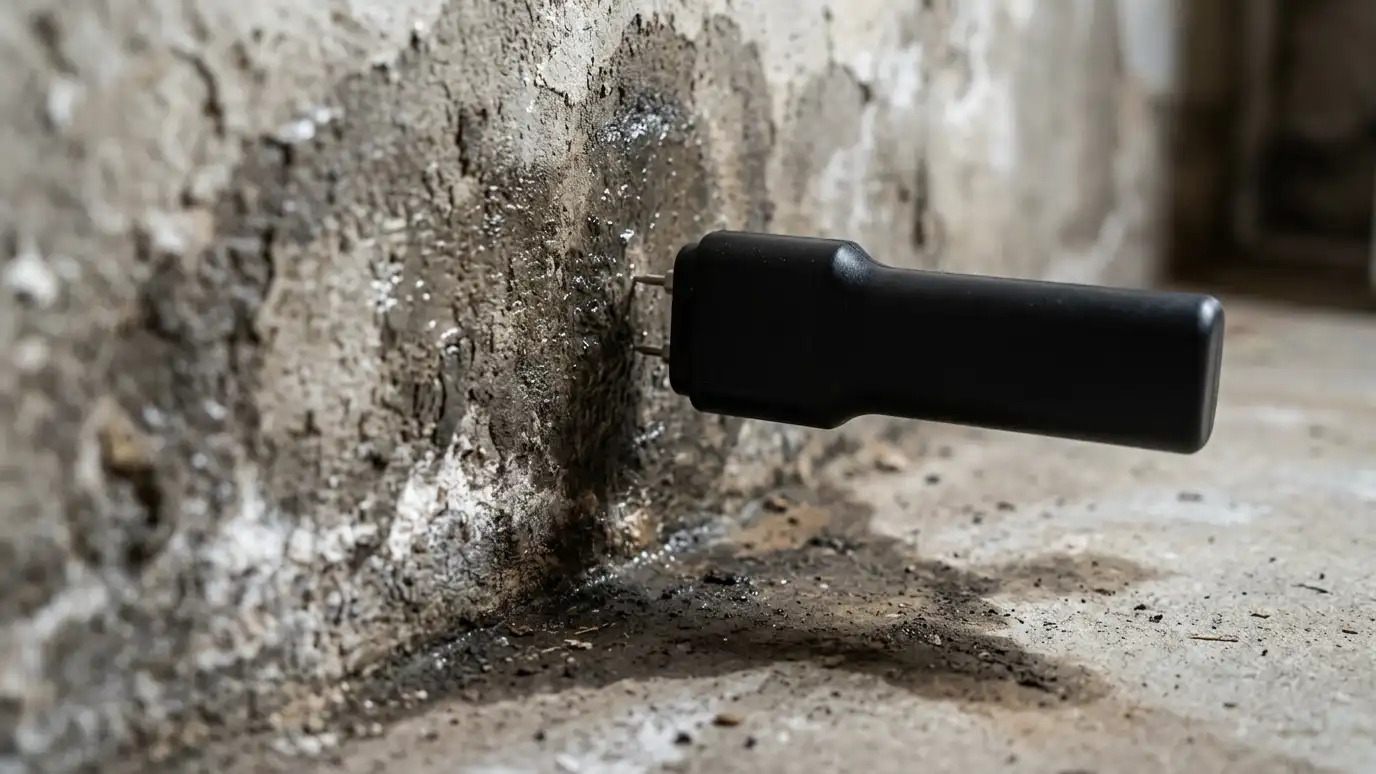
A moisture meter helps, and we bring one.
Notice smells, which can point to hidden damp.
Dry and protect
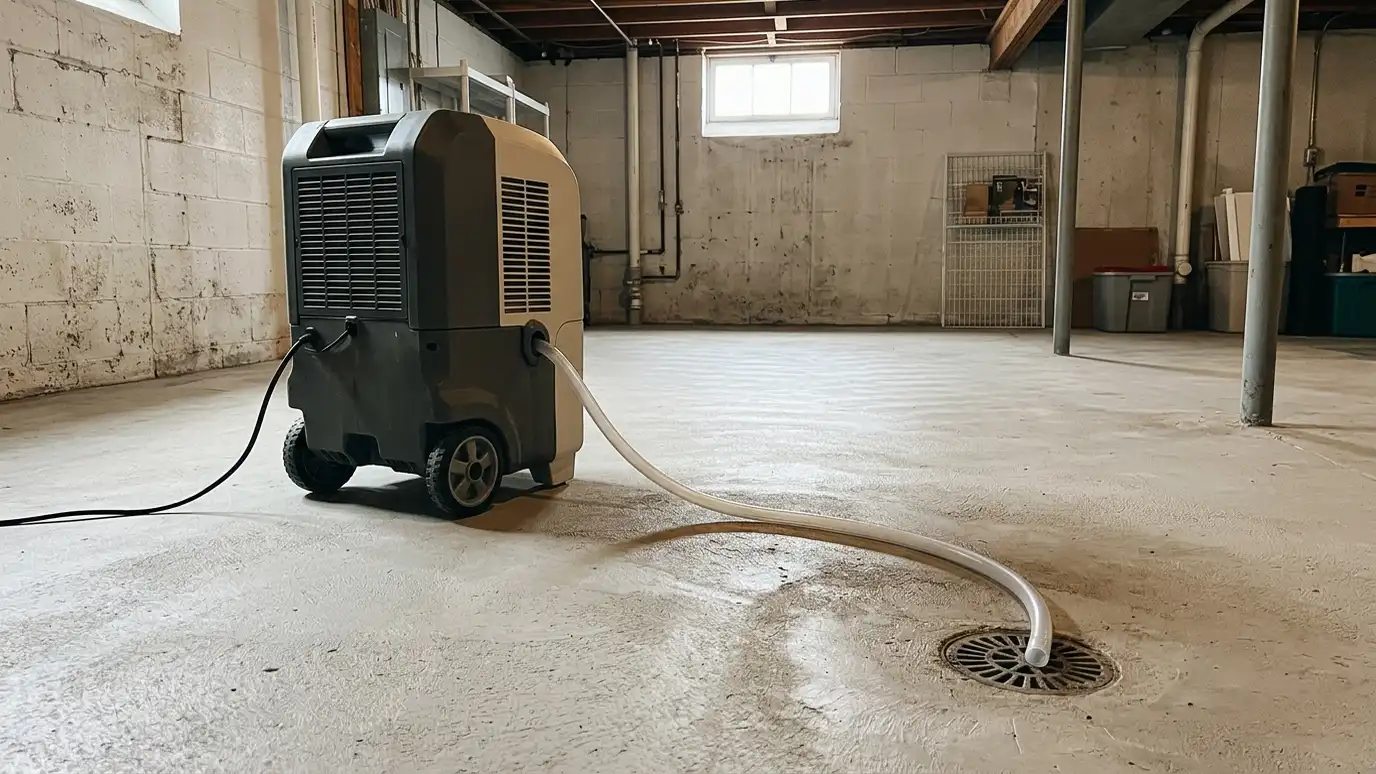
Use a dehumidifier for damp air, but do not rely on it for liquid water. Move belongings off the floor and away from walls.
Fix small leaks promptly. Clean and dry any damp material within a day or two to limit mold.
Large wet areas call for professional help.
When to call
If water keeps coming back, if walls have large cracks or lean, if the pump fails or if mold is spreading, call for a visit.
A clear diagnosis saves money by aiming repairs at the cause.
Our free waterproofing inspection is a good first step.
Find the source before you buy a fix: outside water, wall seepage, condensation and plumbing each need a different answer.