Foundation crack repair that reads the pattern of each crack, seals the ones that are stable and flags the ones that point to movement or water pressure.
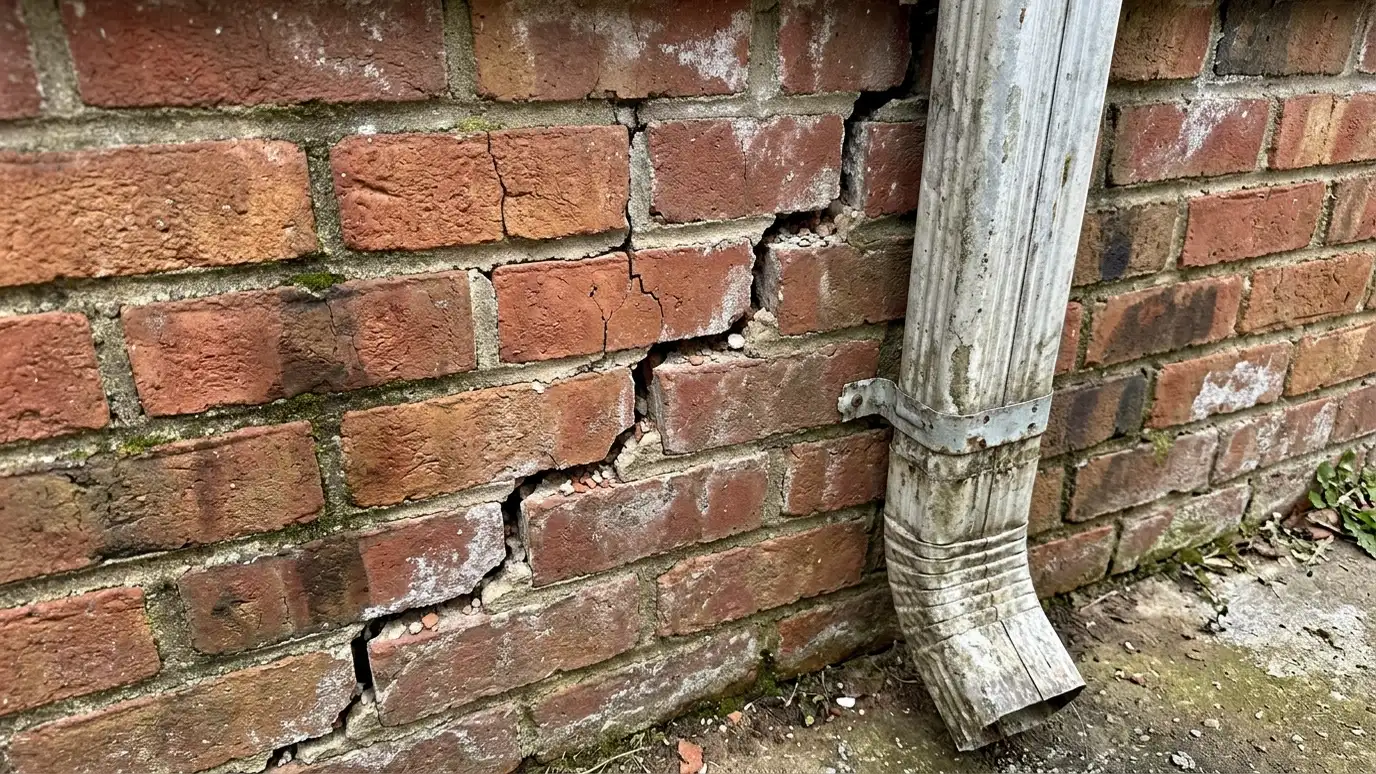
Every foundation cracks a little. Concrete shrinks as it cures, soil swells and dries and houses settle in their first years. The question is which cracks are quiet and which are telling you something. Hairline vertical cracks, stair-step cracks in block, horizontal cracks and cracks wider at one end all mean different things. Homes around Nashville sit on clay that moves with the seasons, so a good look is worth more than a quick fill.
We walk the outside and inside of the foundation and record each crack with photos, width, length and direction. We check doors, windows, brick and drywall for matching signs and look for water, stains or mineral deposits. Stable cracks get cleaned, injected or sealed with a material that suits the wall. Cracks that appear to be moving get a gauge and a plan, which may include drainage, wall stabilization or a structural engineer. You receive a plain summary that says which cracks are minor, which to watch and which need action.
Width, direction, offset and moisture point to shrinkage, settling or pressure, and we explain which one we think you have.
A stable crack may only need injection, while a moving crack needs its cause addressed.
Pencil marks, photos and gauges turn worry into measurements you can compare after the next season.
You get plain language on which cracks are minor, which to monitor and which need action.
We record what we see so you can compare after the next season.
Vertical, diagonal, stair-step and horizontal cracks each point to different causes.
Epoxy, polyurethane or masonry repair is chosen to suit the wall and the crack.
A small gauge shows if a crack is moving over time.
Drainage and gutters are checked because water drives many cracks.
You get a short report with photos and next steps.
Every topic has its own page with what to expect and how we approach it.
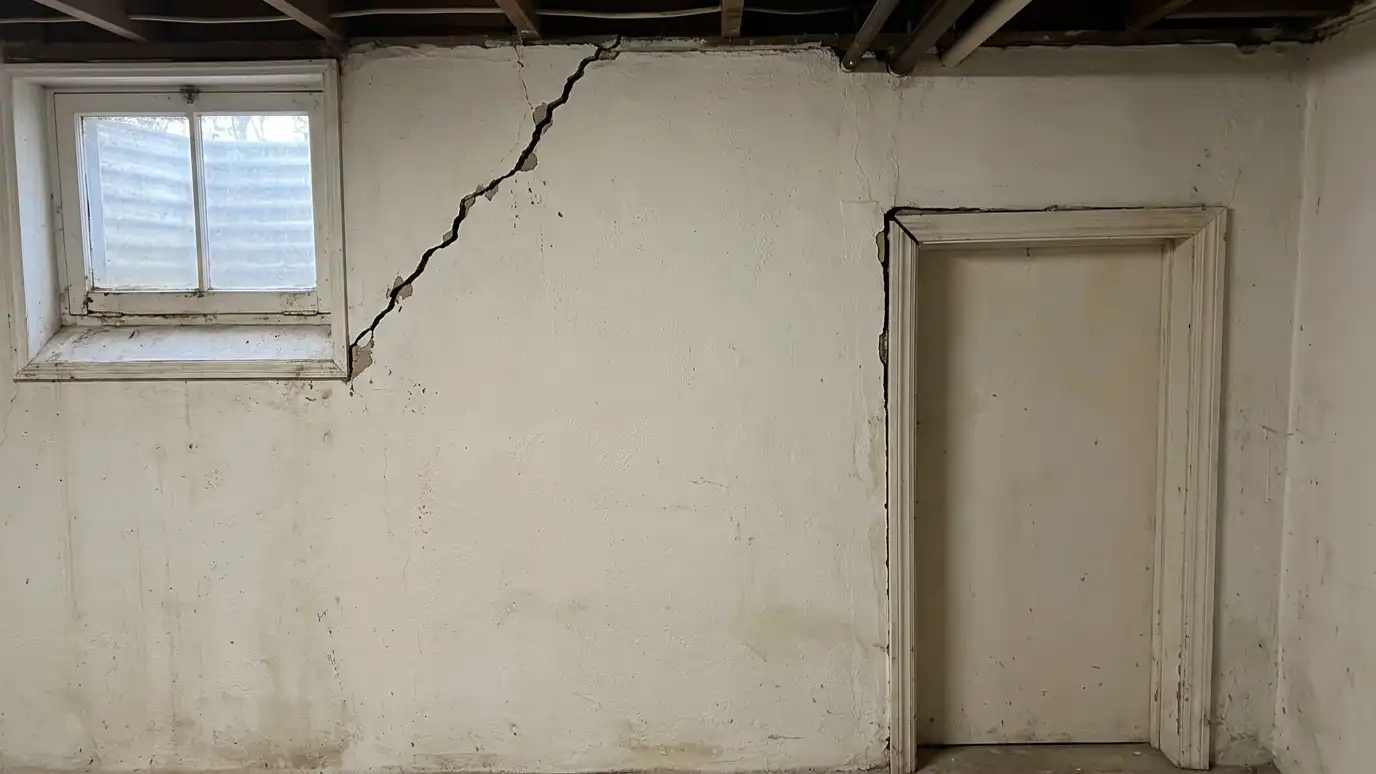 Comparison guideFoundation Warning SignsHow to read cracks, sticking doors, sloping floors and gaps, and which signs call for a closer look.Learn more
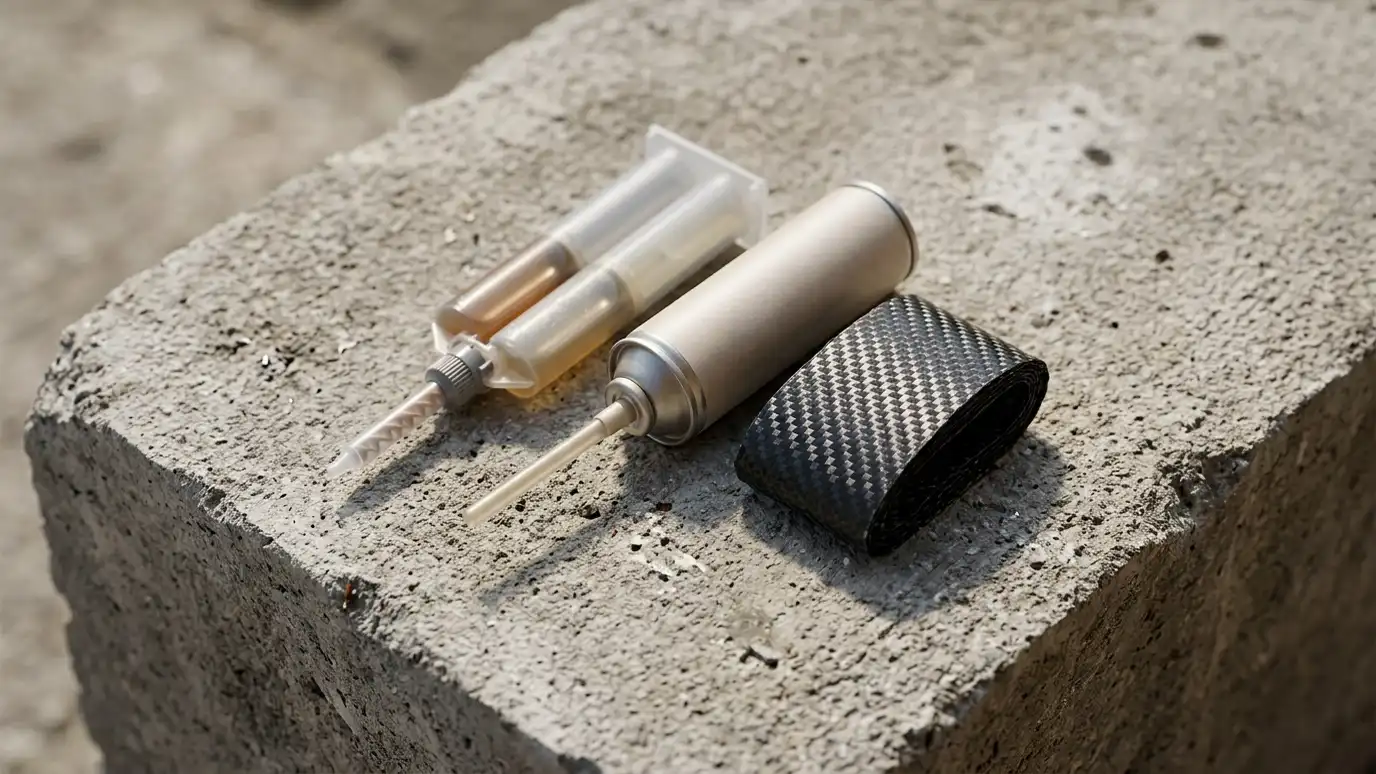 Comparison guideCrack Repair MethodsHow epoxy injection, polyurethane injection, hydraulic cement and carbon fiber straps differ in what they fix.Learn more
 ResourceASHIA professional association for home inspectors that publishes consumer information and a standard of practice.Learn more
Pick the area of concern, such as walls, floor, crawl space, yard or pump, to get likely causes, what to try first and the service page that fits.
You tell us what you have seen, where and when, and we set a visit that fits your day.
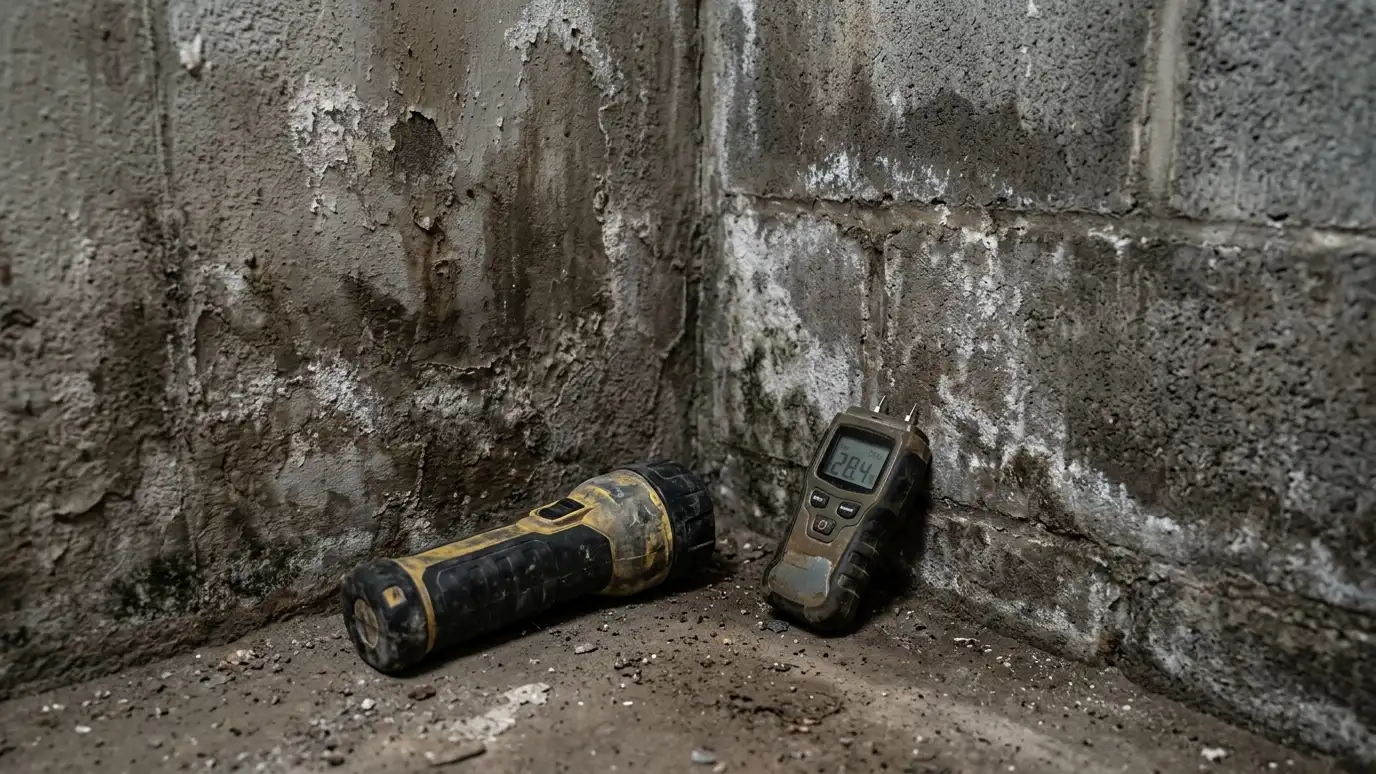
We walk the outside and inside with a moisture meter, take photos, measure slopes and call for utility marking.
You review the cause, the options and a plain written scope with every line and the schedule before anything is ordered.
We handle permits, protect your property and prepare the work area, from the floor edge to the trench.
We install drains, pumps, liners or repairs, restore floors and lawns and test every system with water.
We walk the job with you, share a care guide and schedule a first checkup.
No. Many are minor, but width, direction, offset and moisture help us tell.
A crack that follows mortar joints in block or brick, often tied to movement of the wall.
Not by itself. The cause has to be addressed too.
Yes. Mark the ends with a pencil and date it, and we can supply a gauge.
Yes, including exterior wall and slab edge cracks.
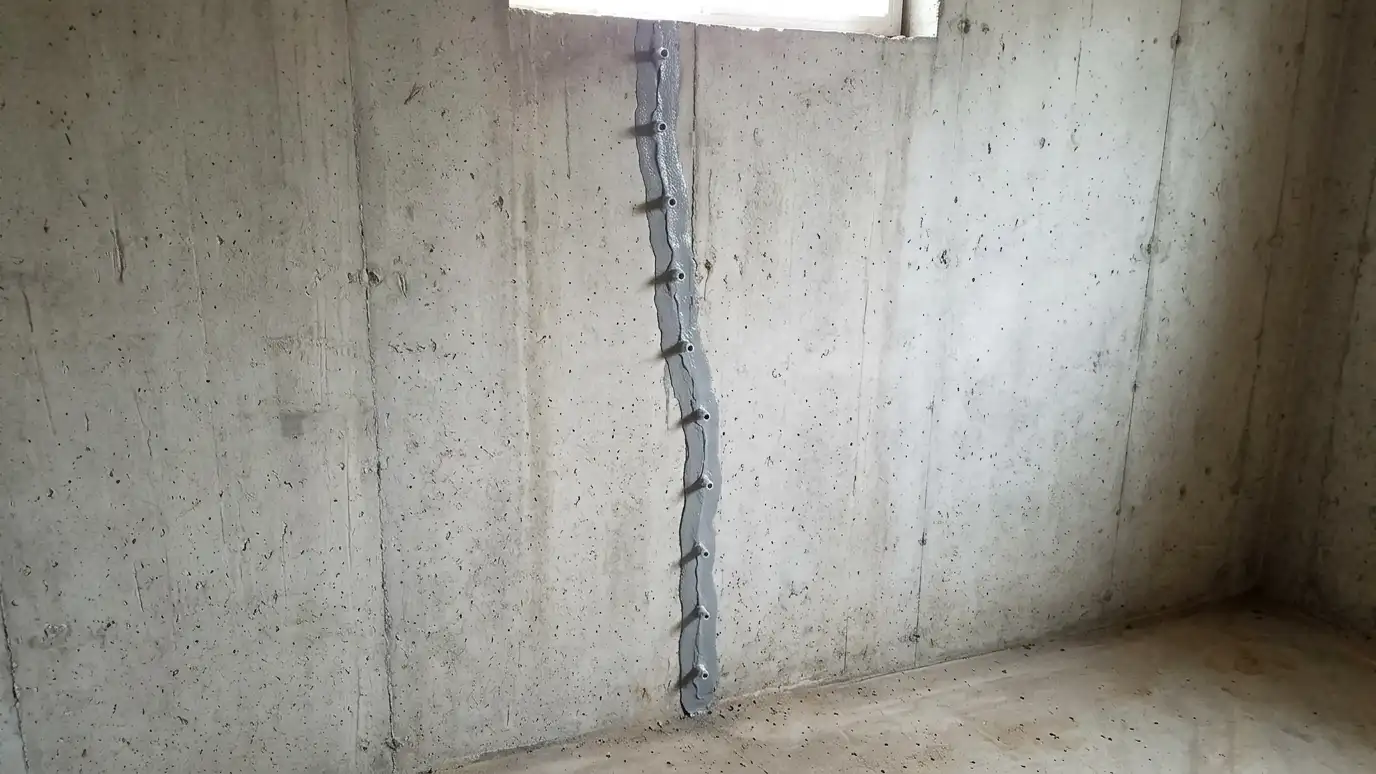 Basement Wall Crack RepairBasement wall crack repair that identifies why the wall cracked, then seals vertical, diagonal and horizontal cracks with…Explore
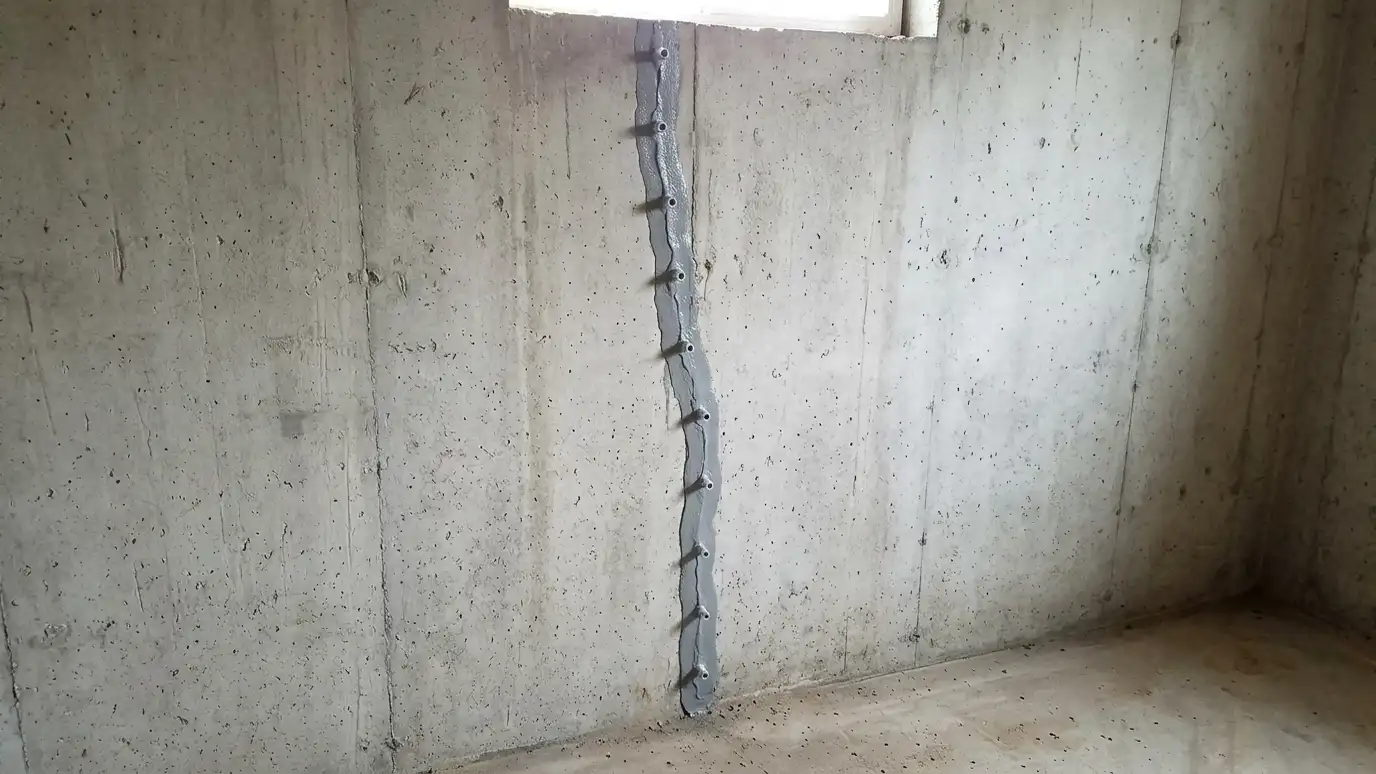 Foundation Crack InjectionFoundation crack injection with epoxy or polyurethane that fills a crack from the inside out, bonding the concrete…Explore
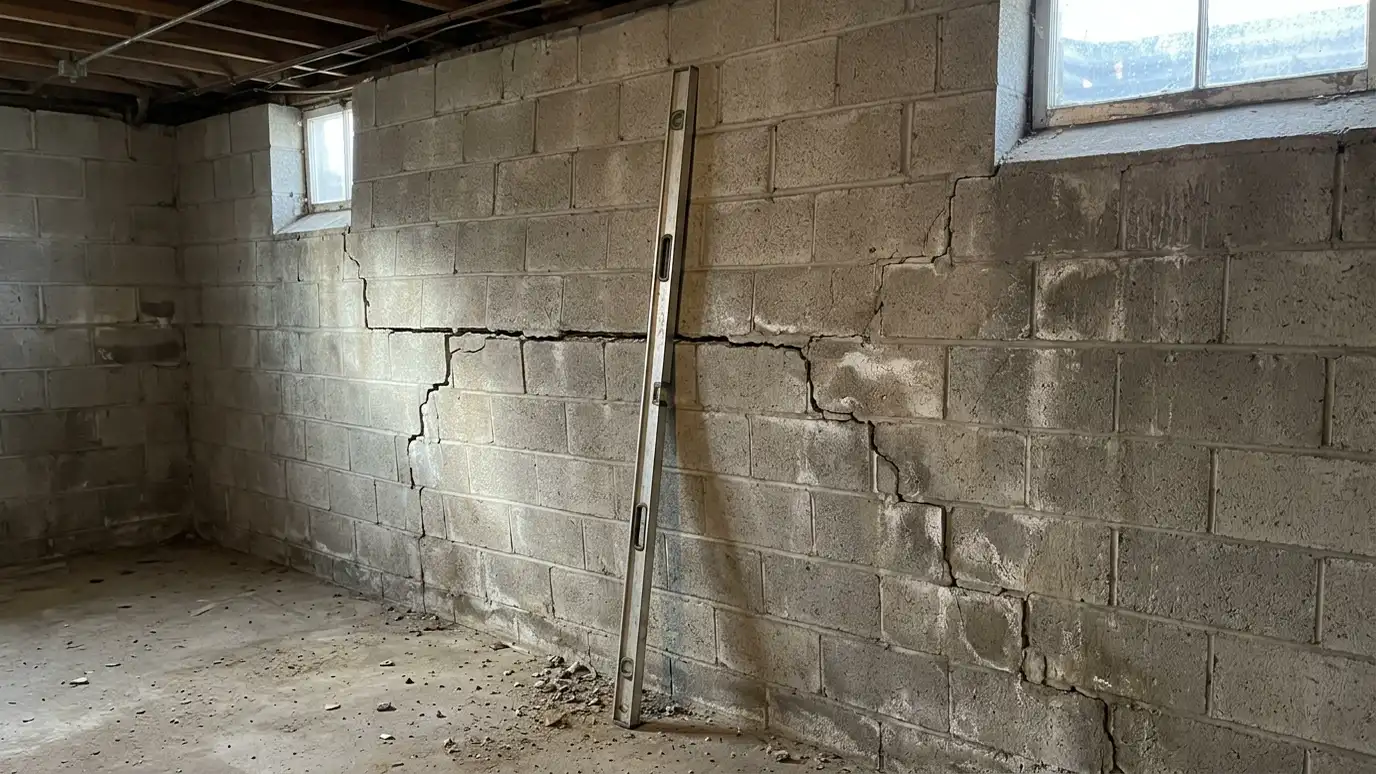 Bowing Wall RepairBowing wall repair that measures how far a foundation wall leans, finds the pressure behind it and recommends…Explore
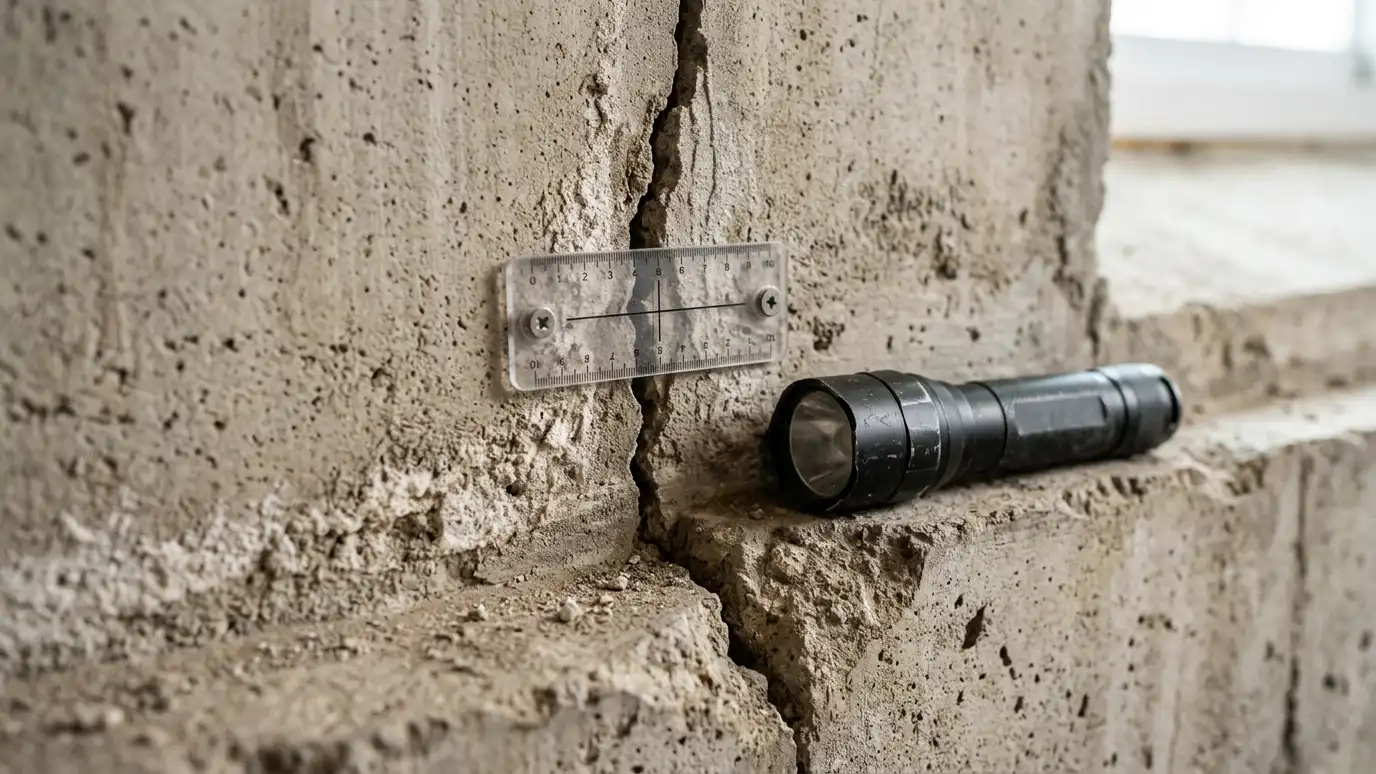 Foundation Inspection and Engineering ReferralsFoundation inspection and engineering referrals that document cracks, floors and drainage, then connect you with a structural engineer…Explore
Tell us about your property and we will call you back to set up a visit.
Or call (615) 357-7797 to talk now.