Driveway and patio drainage with trench drains, channel grates and regraded edges that move water off hard surfaces and away from garage doors and walls.
Hard surfaces shed water fast, and it has to go somewhere. A driveway that slopes toward the garage, a patio that drains against the house or a walkway that ponds at the door are all common sources of basement and garage water. A trench drain, a channel grate or a small regrade can take the water away. Around Nashville, many driveways were poured to slope toward the street but have settled over time, so water pools where it should not.
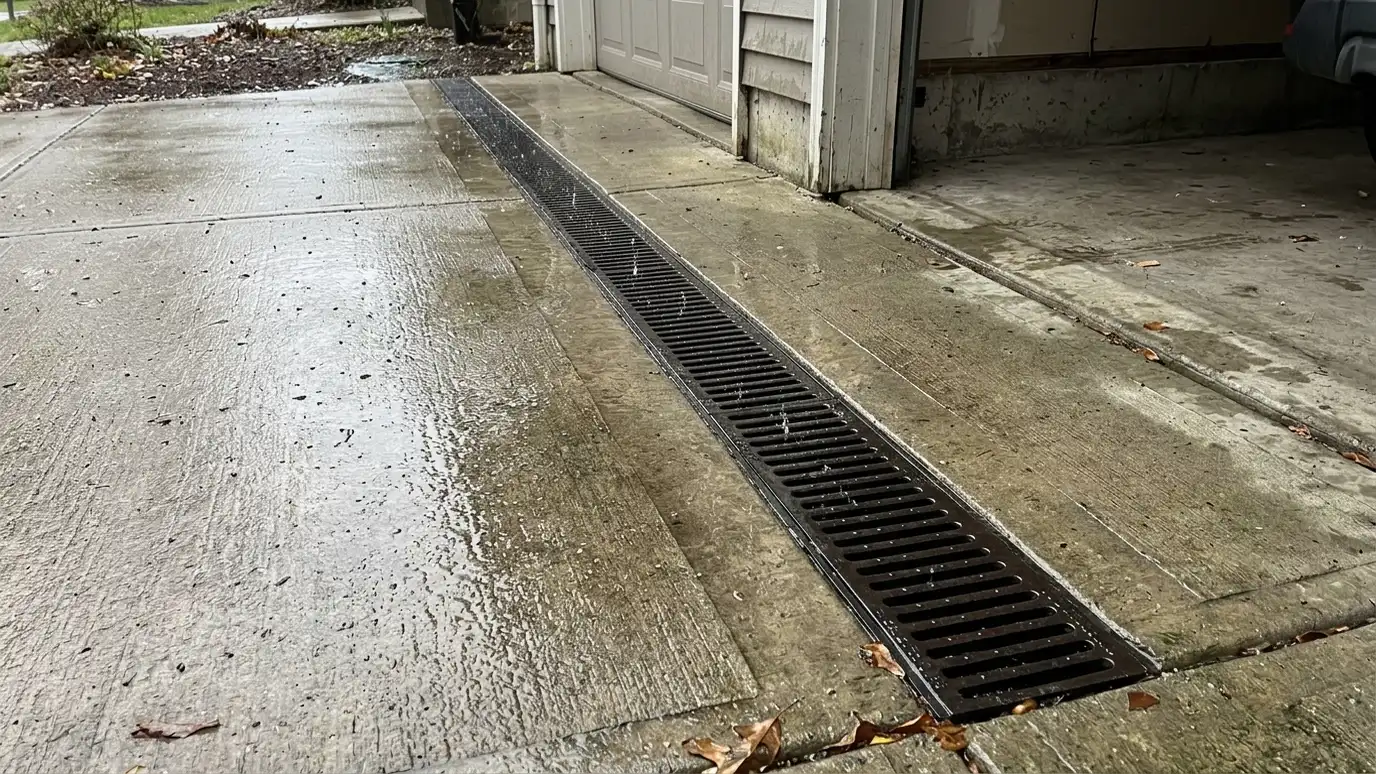
We watch how water travels across the surface and note where it collects, especially near garage doors, steps and basement windows. We cut or set a trench drain across the low point, connect it to a pipe and an outlet and choose a grate style rated for foot or vehicle loads. In other cases we add edge drains, regrade the soil next to the slab or lift a sunken slab. We seal the joint between the slab and the house where water can enter and show you how to keep the grate clear of leaves and grit.
Water moves quickly across concrete and has to go somewhere.
A channel across the low point catches water before it reaches the garage or door.
Walkers, cars or both decide the grate rating.
The seam between slab and house is sealed against water.
We see where it collects and where it should go.
A channel catches water across the surface.
Grates are chosen for walkers, cars or both.
The pipe goes to an outlet, a basin or a dry well.
Soil next to the slab is shaped to shed water.
The gap between slab and wall is sealed.
Every topic has its own page with what to expect and how we approach it.
 ResourceNDSA maker of catch basins, channel drains, grates, pipe fittings and other yard drainage products, now part of…Learn more
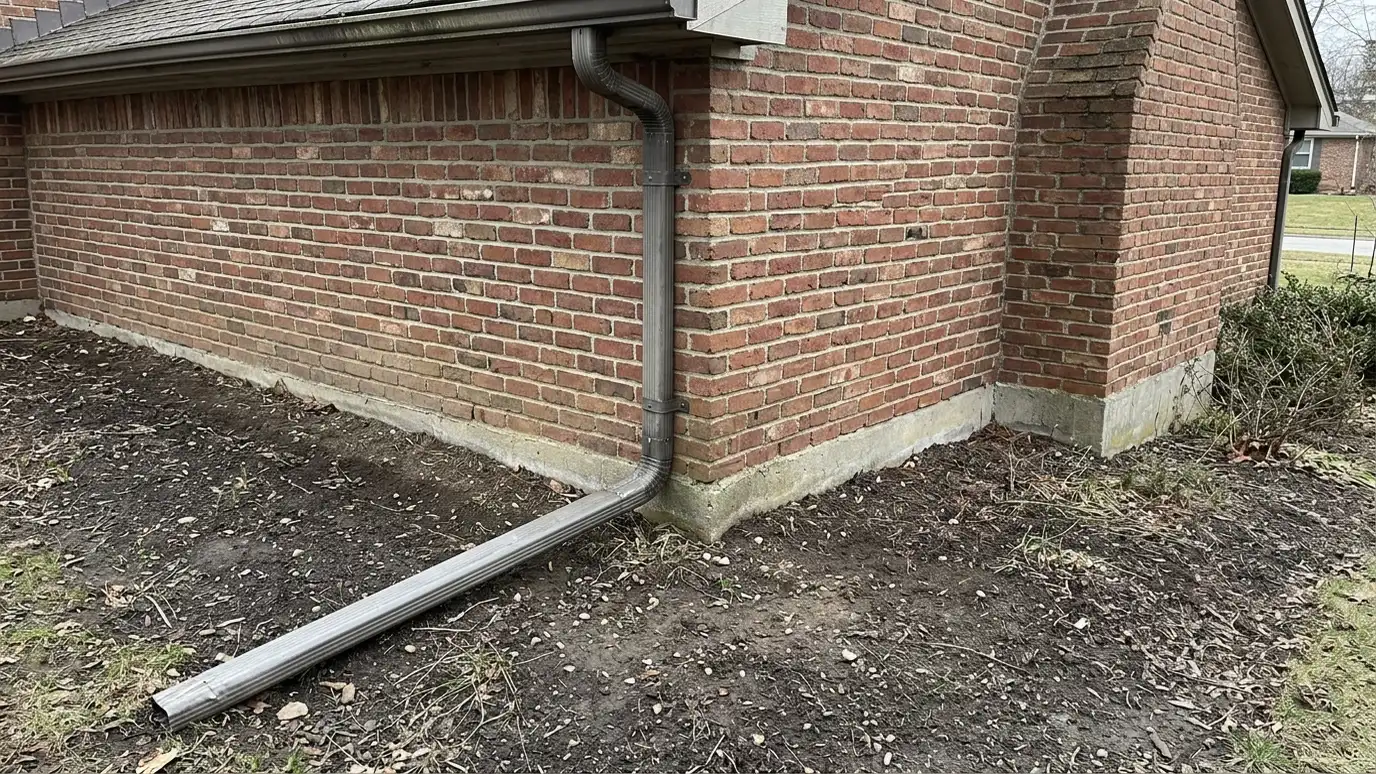 Comparison guideGutters and GradingHow gutters, downspout extensions and ground slope work together to keep roof and yard water away from your…Learn more
 ResourceMetro Water ServicesThe Metro Nashville stormwater program, which covers drainage questions, runoff rules and flood information.Learn more
Pick the project and options to see a typical sequence from visit and permits to site work, installation, testing and cleanup.
You tell us what you have seen, where and when, and we set a visit that fits your day.
We walk the outside and inside with a moisture meter, take photos, measure slopes and call for utility marking.
You review the cause, the options and a plain written scope with every line and the schedule before anything is ordered.
We handle permits, protect your property and prepare the work area, from the floor edge to the trench.
We install drains, pumps, liners or repairs, restore floors and lawns and test every system with water.
We walk the job with you, share a care guide and schedule a first checkup.
A narrow channel with a grate that collects water across a surface and sends it to a pipe.
Often, by lifting the slab and fixing the cause of the void.
To a pipe, a basin or a dry well, within local rules.
Sometimes. We explain what to ask.
Leaves and grit can. A quick clearing keeps it working.
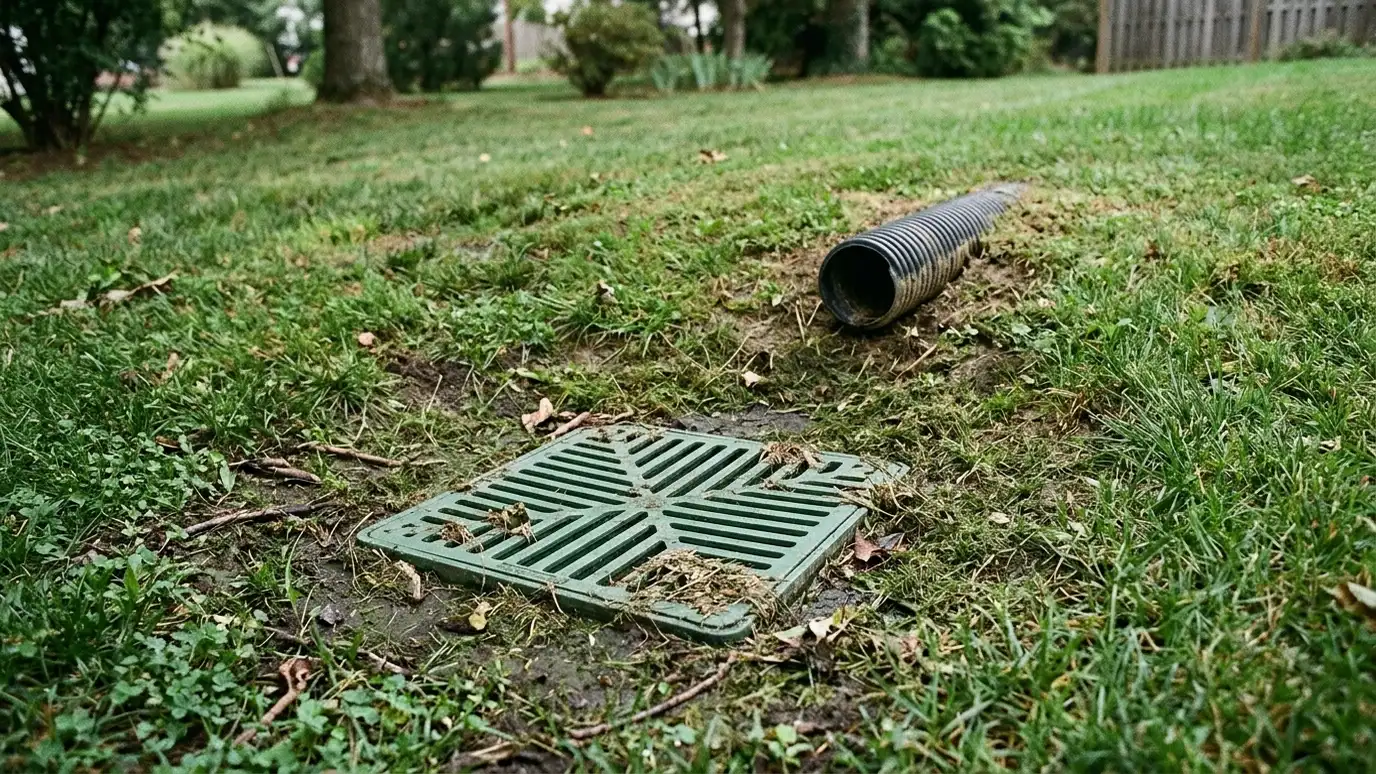 Surface Drains and Catch BasinsSurface drains and catch basins that gather water in low spots and pipe it to an outlet, with…Explore
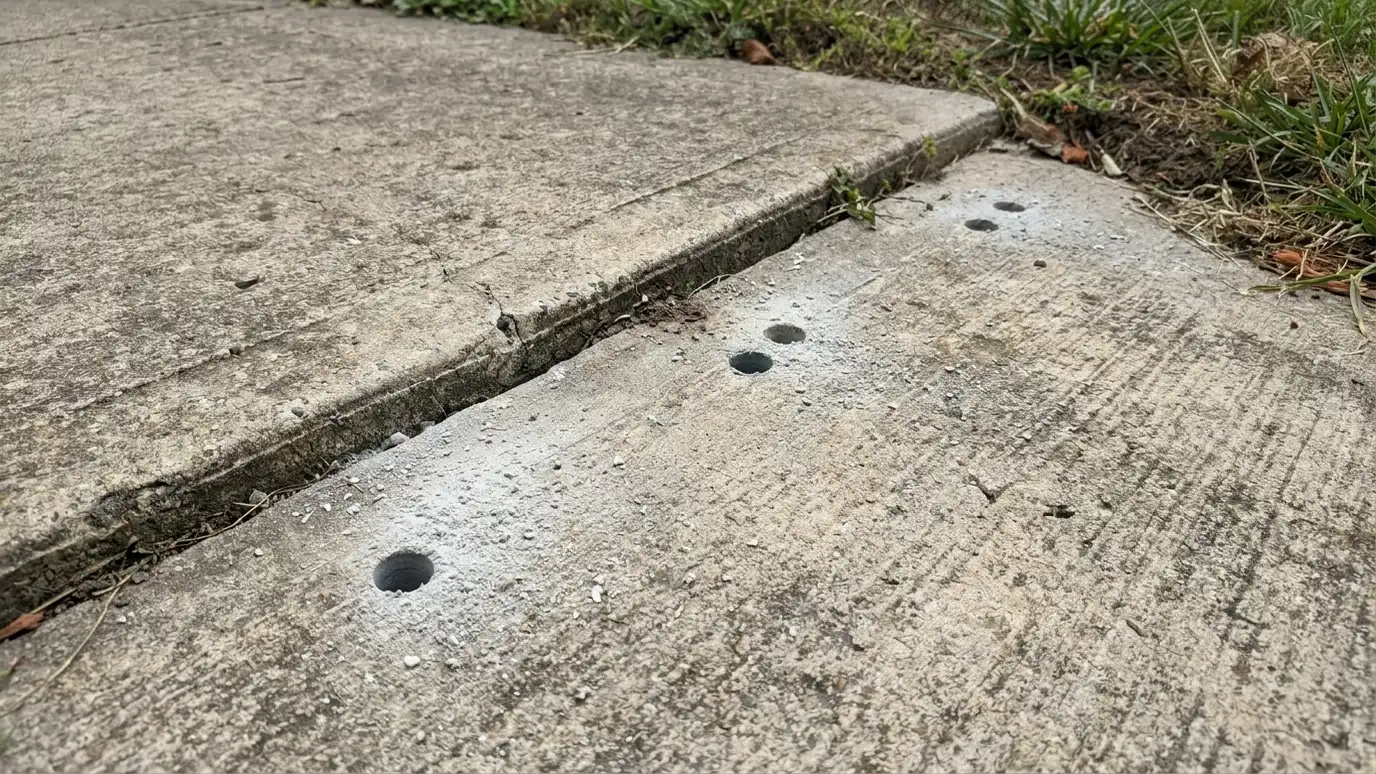 Slab Lifting and LevelingSlab lifting and leveling for sunken driveways, patios, walkways and garage floors, using injected foam or grout to…Explore
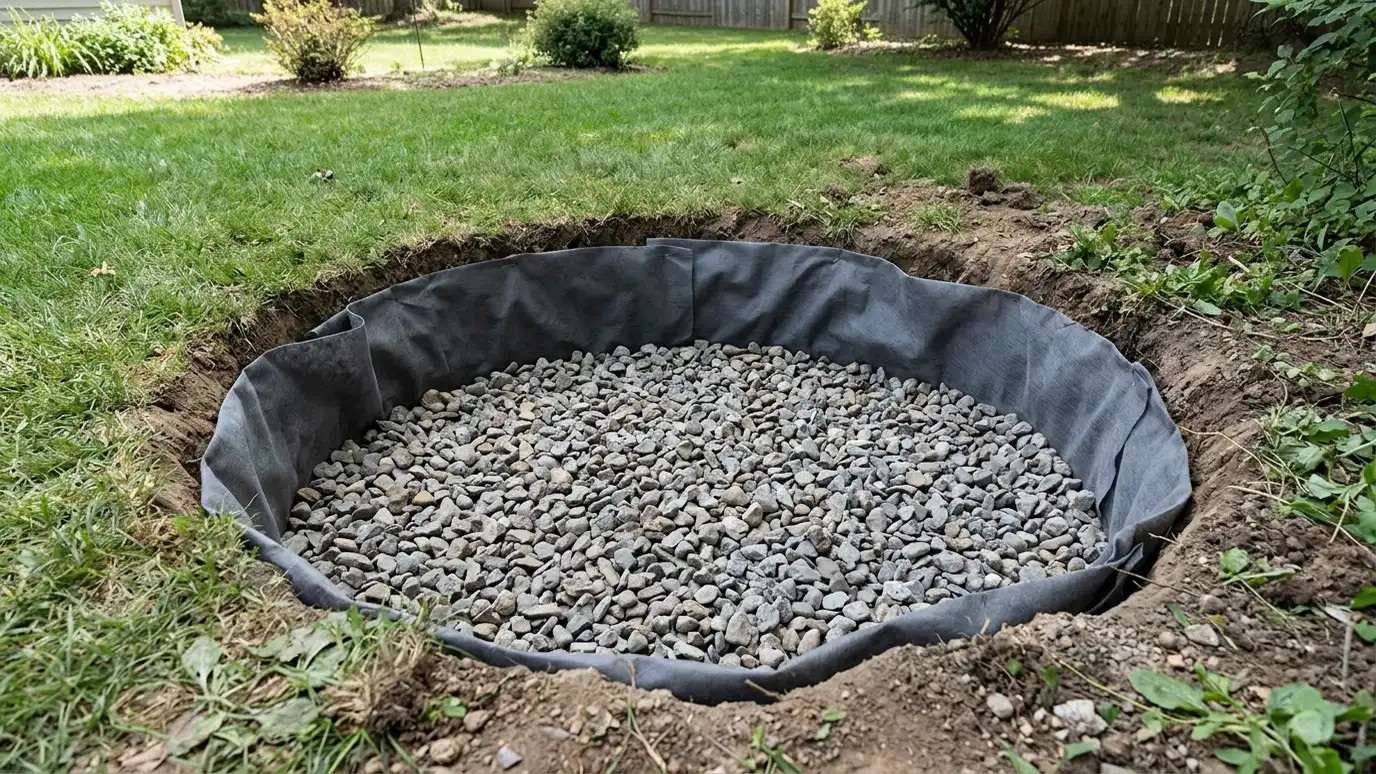 Dry Wells and Drainage BasinsDry wells and drainage basins that collect roof and yard water underground and let it soak into the…Explore
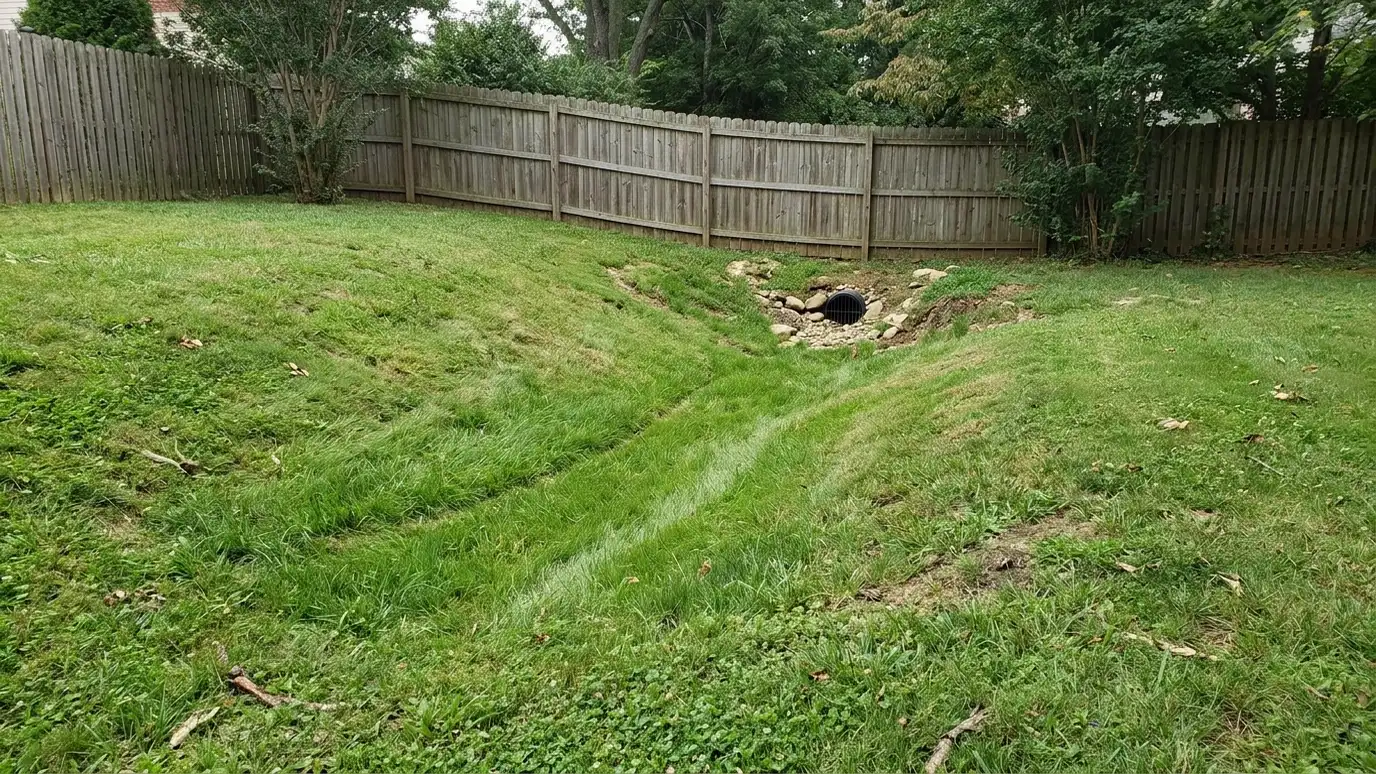 Yard Drainage SolutionsYard drainage solutions that combine grading, drains, swales and outlets into one plan for lawns and gardens that…Explore
Tell us about your property and we will call you back to set up a visit.
Or call (615) 357-7797 to talk now.