Know your risk
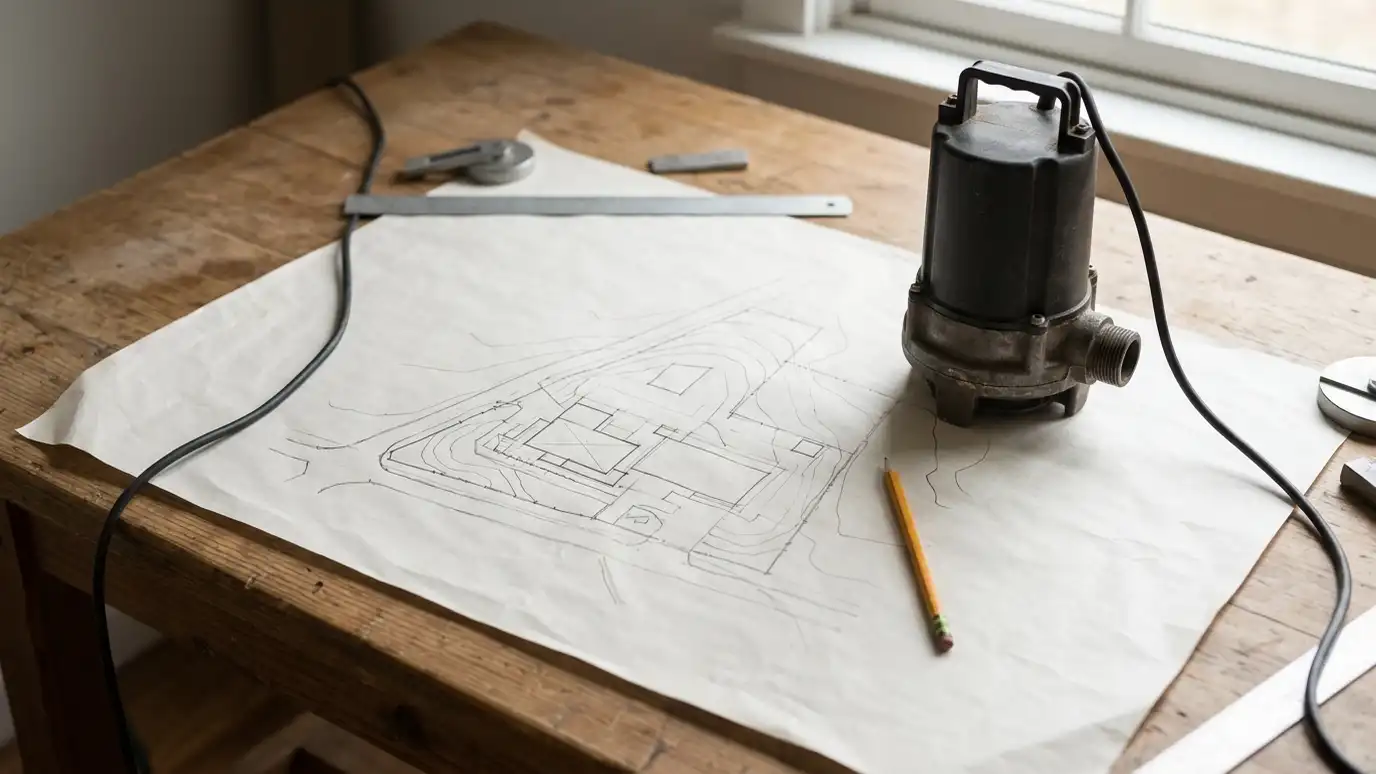
Look up your address on the FEMA flood map and check with local officials about creeks, rivers and drainage near your home. A map shows mapped flood hazard areas, not every kind of water problem.
Basements can also get water from groundwater and sewer backups.
Your insurance agent can explain what your policy covers.
Before the storm
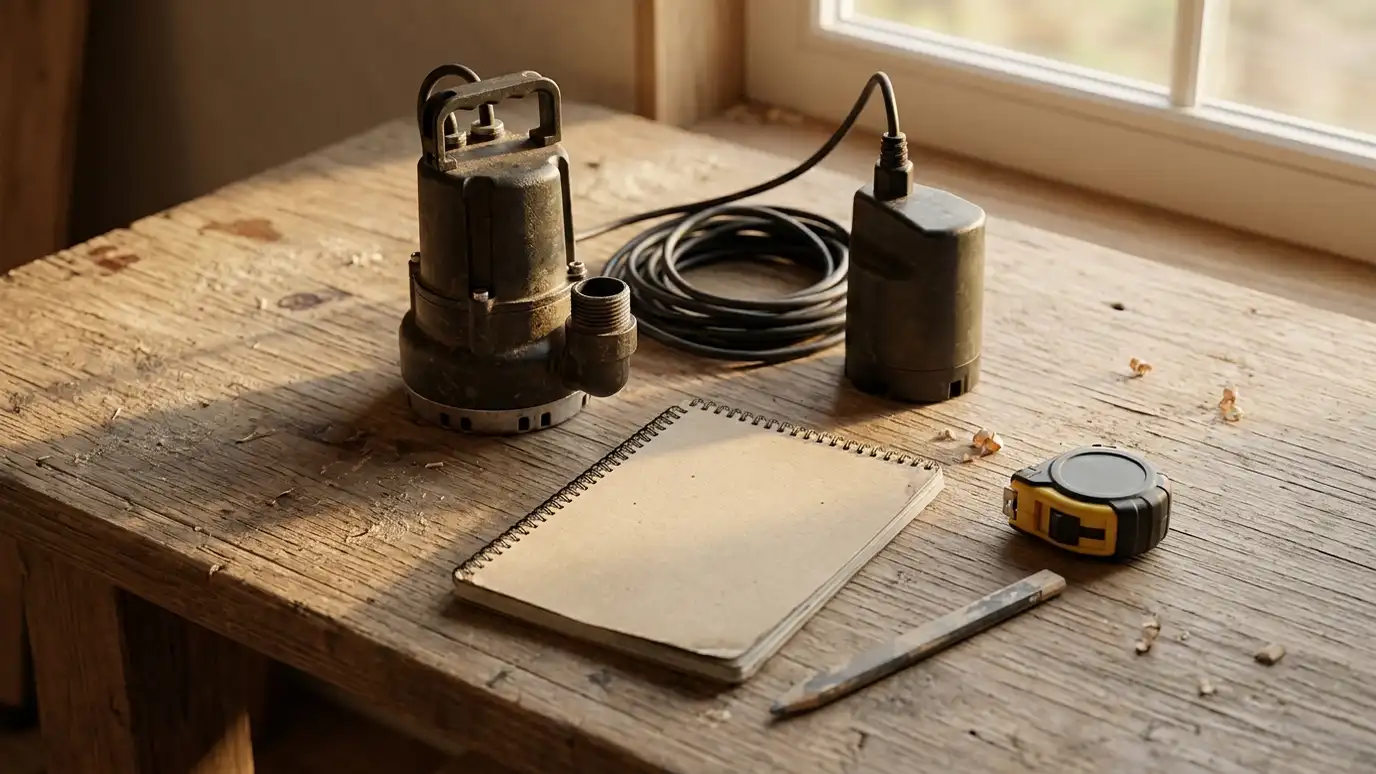
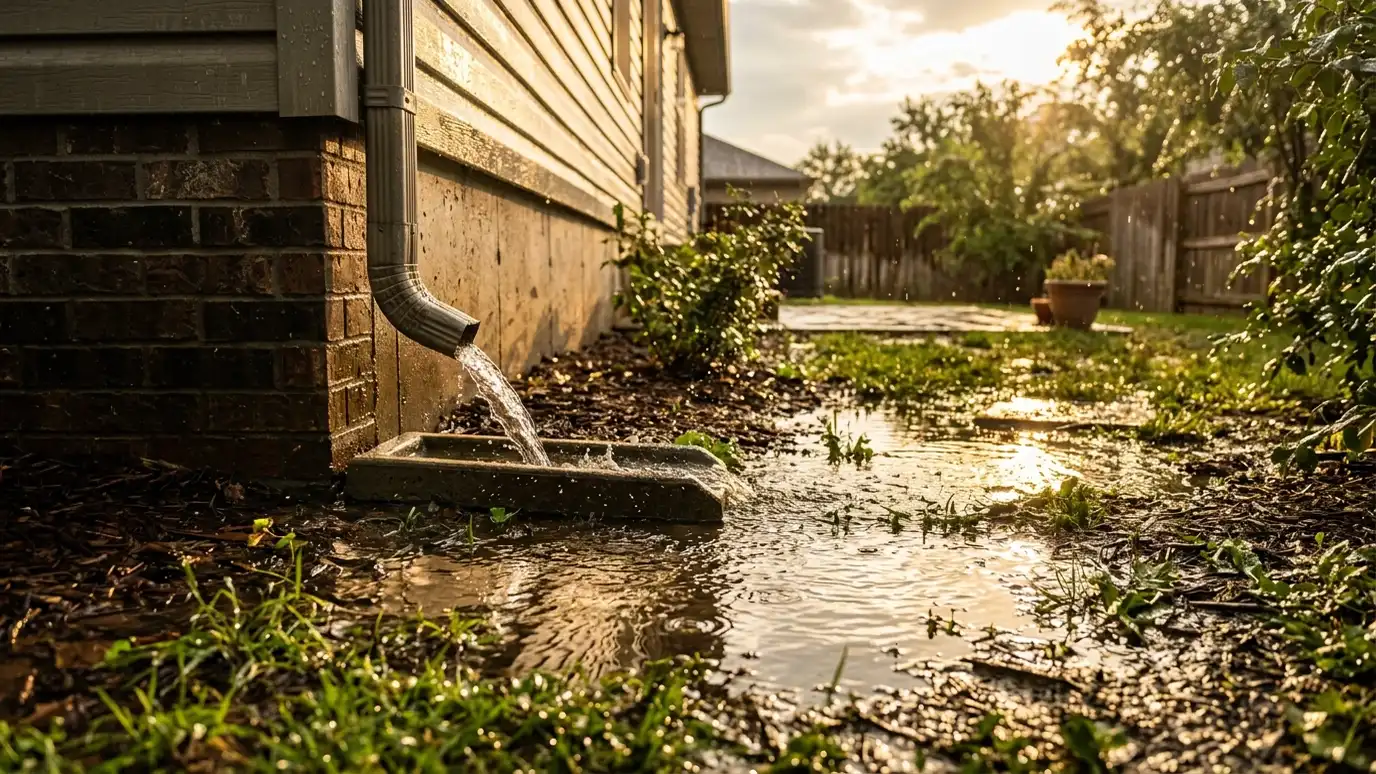
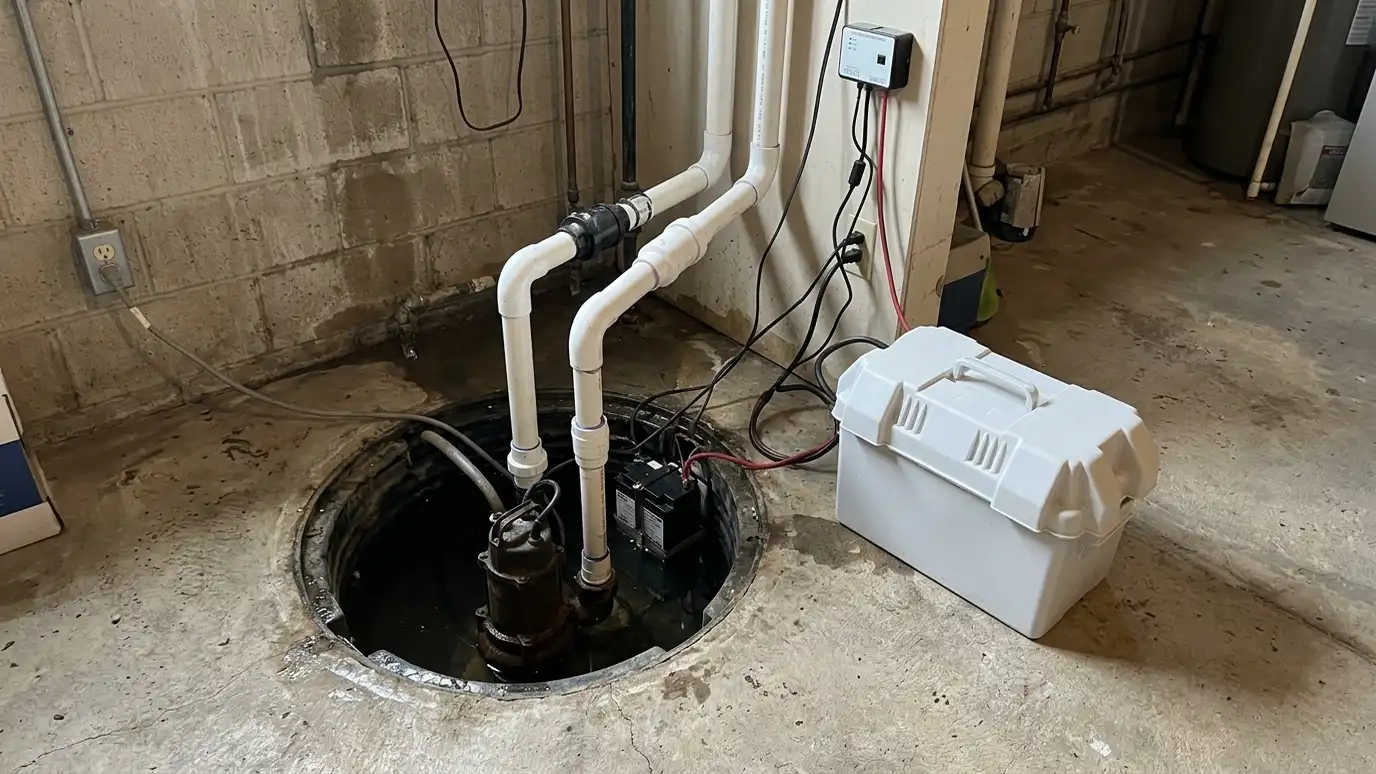
Clear gutters and downspouts and extend them away from the house. Check the sump pump by pouring water in the pit and make sure the discharge is clear.
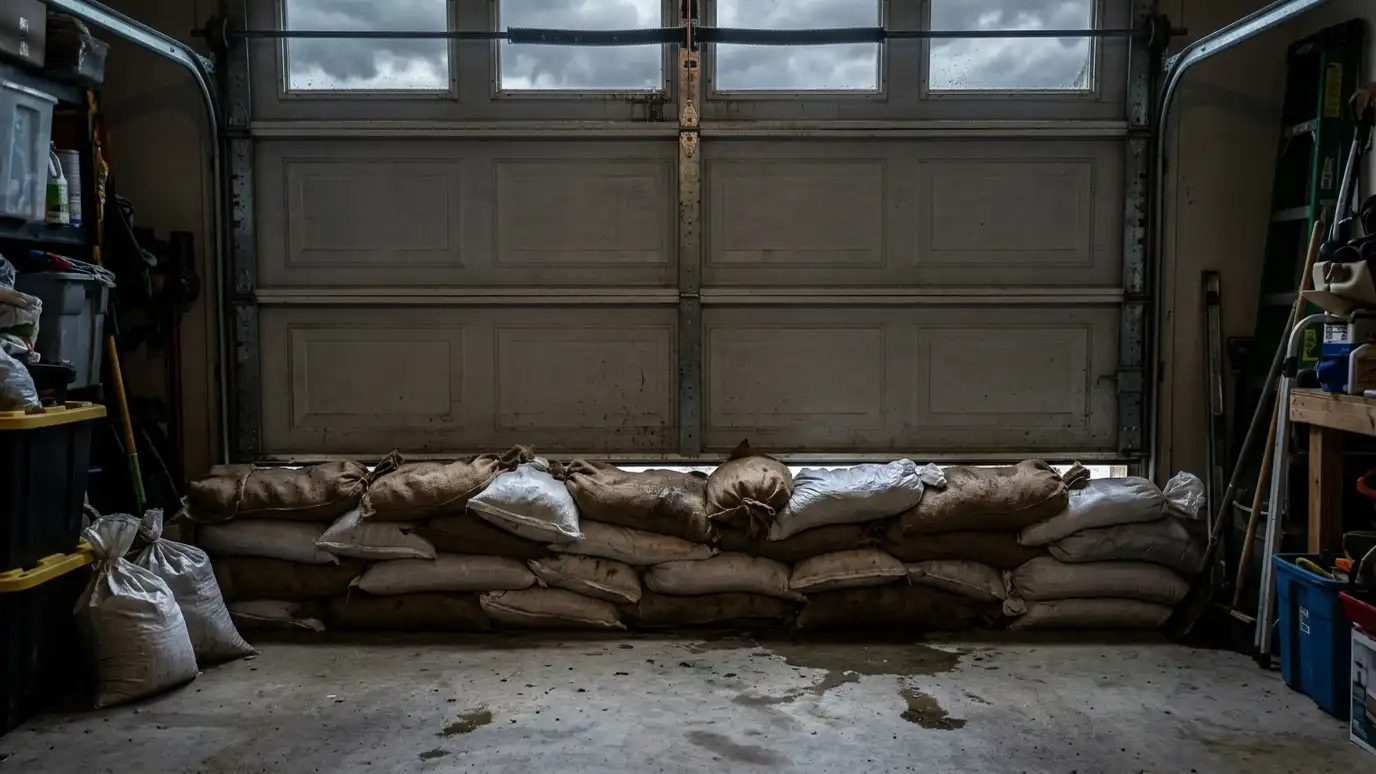
Test the battery backup and any water alarms. Move stored items onto shelves or pallets.
These small steps take little time and can make a big difference.
Power and safety
Never enter a flooded basement if water may touch outlets, appliances or wiring. Turn off power only if you can reach the panel safely, and call a professional or your utility if you are unsure.
Follow instructions from local officials during severe weather.
Our pages are planning information, not emergency instructions.
After the storm
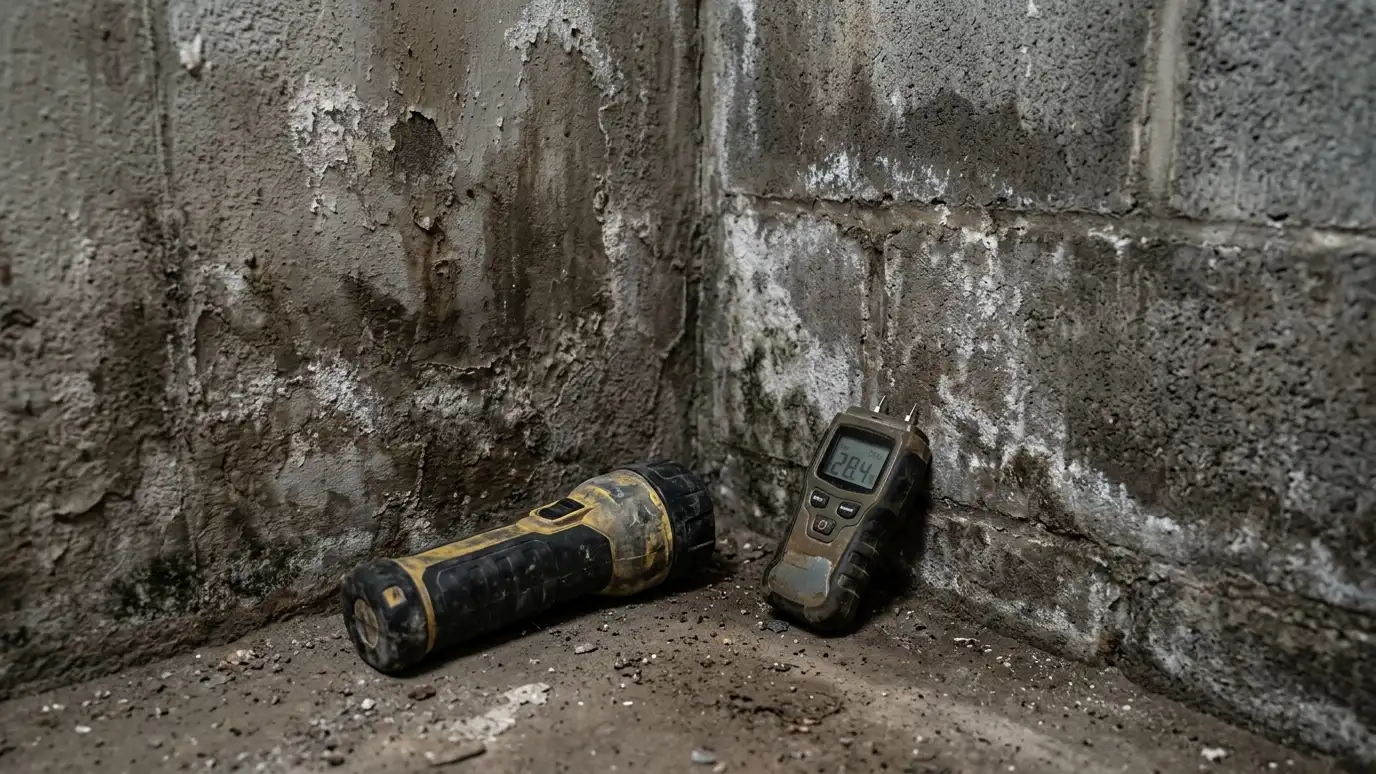
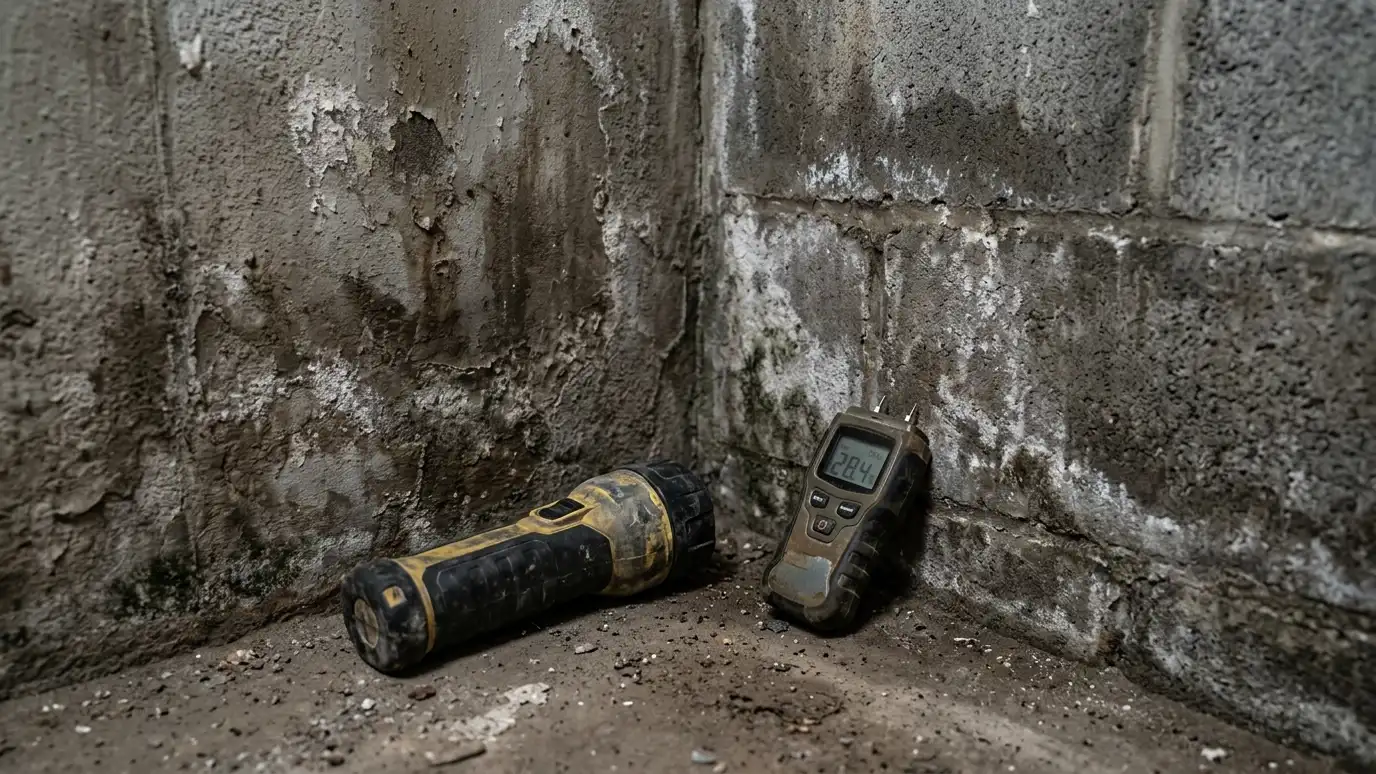
Check the outside first for washout, standing water and clogged downspouts. Inside, look at floors, walls and corners and check the pump.
Photograph any damage with dates for your records.
Start drying quickly, because wet materials can grow mold within a day or two in warm weather.
Documenting and drying
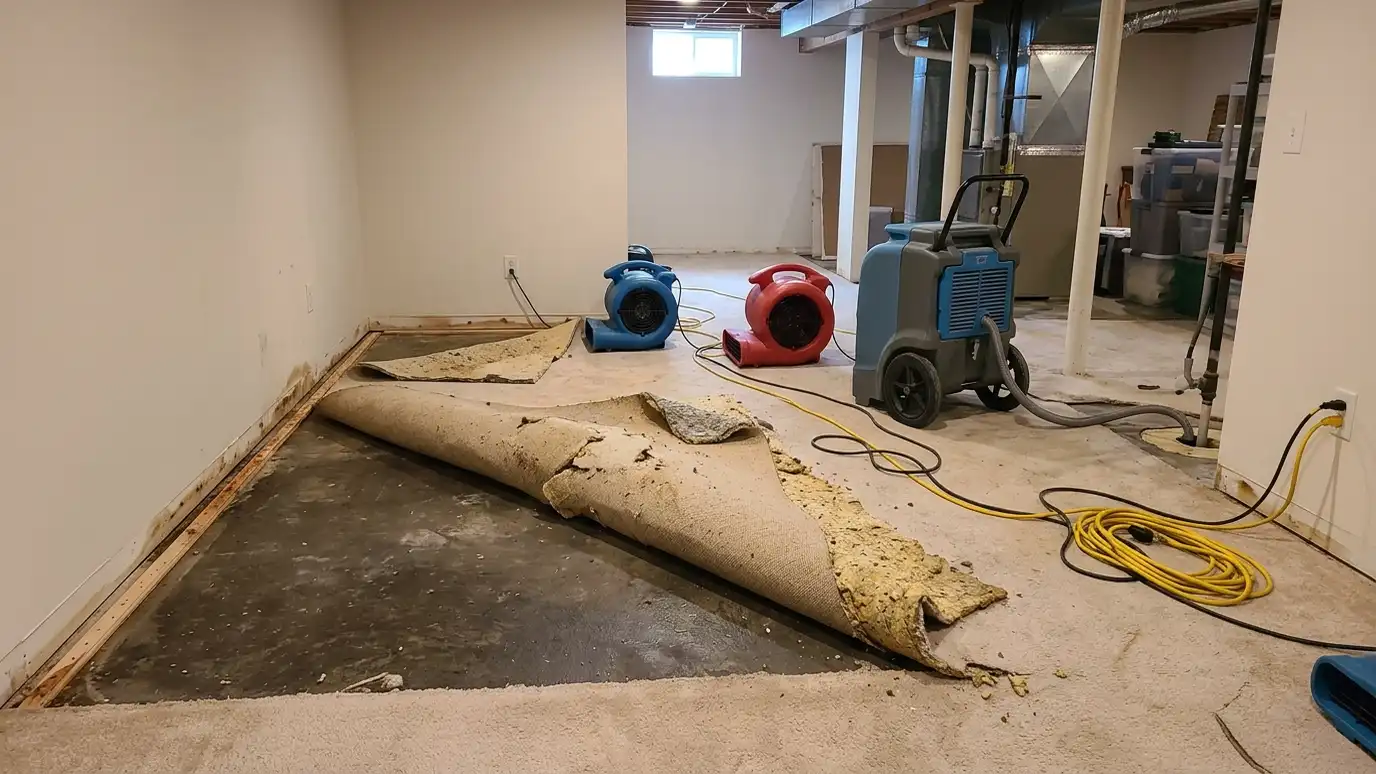
Keep photos, receipts and notes. Ask your insurer what they need. Pull soaked carpet pad and drywall that cannot be saved and use fans and a dehumidifier to dry the space.
Moisture meters show when materials are dry enough to rebuild.
We can help with documentation and drying, and we do not give insurance advice.
Reduce the risk for next time
Look at what happened. Did gutters overflow, did the pump fail, did water pour through a window well? Each answer points to a fix.
Gutters, grading, window well drains, a backup pump and a sensor are modest steps with real benefits.
A post-storm inspection can turn a stressful night into a plan.
Prepare early, stay safe during the storm and document and dry quickly afterward.