Dry wells and drainage basins that collect roof and yard water underground and let it soak into the soil slowly, where soil and local rules allow.
A dry well is a pit filled with stone or lined with a basin that holds water and lets it seep into the ground. It suits places where a pipe cannot reach daylight, such as a flat lot, a wall of neighbors or a long downspout run. But it only works in soil that can absorb water, and clay in much of Middle Tennessee is slow. A dry well must be planned with soil in mind, and our job is to tell you honestly when it makes sense.
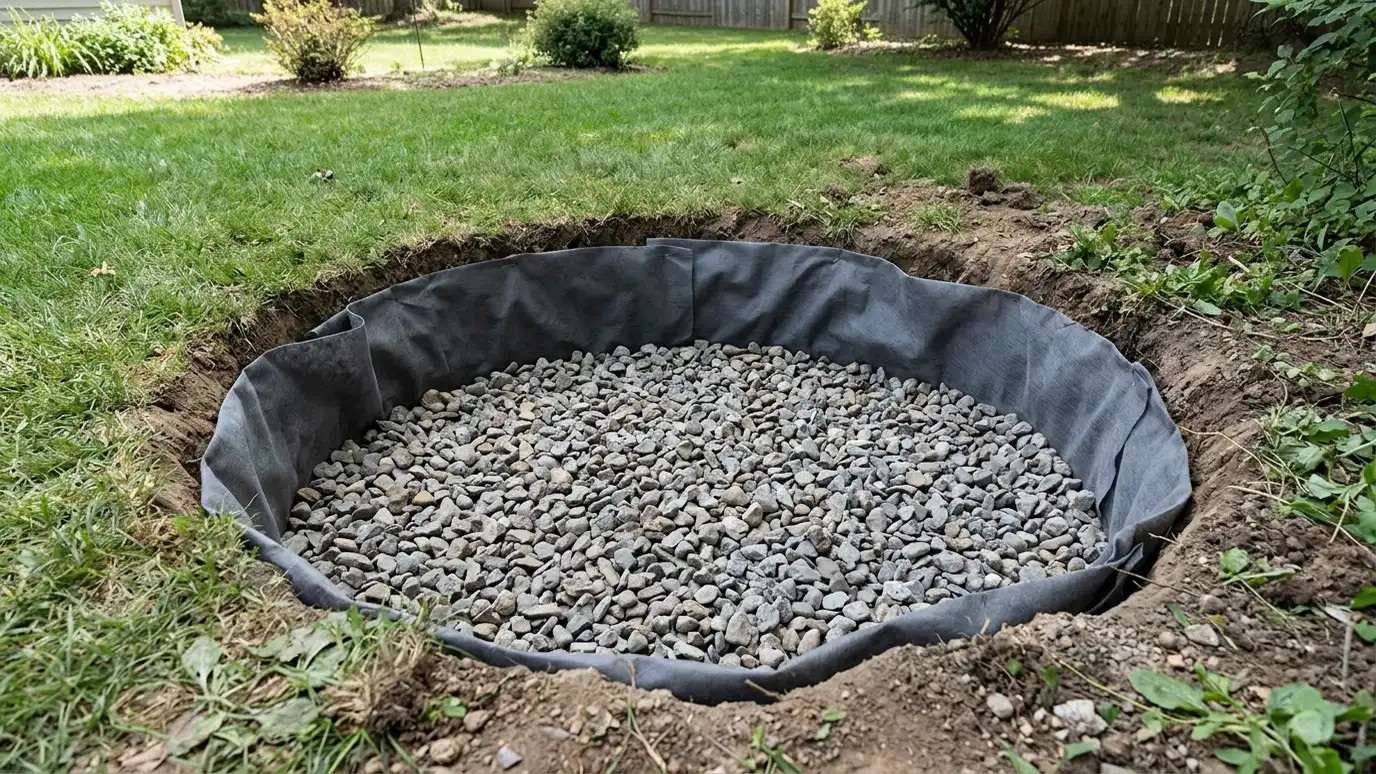
We look at the soil, the water table, the distance to the foundation and where the water is coming from. We may do a simple soak test by filling a hole with water and timing how fast it drains. Where a dry well makes sense, we dig a pit, line it with fabric, fill it with washed stone or set a basin, connect inlet pipes and add an overflow path for heavy storms. We keep it well away from the house, septic areas and property lines. If soil is too tight to soak water, we recommend a different outlet. Many Nashville lots have tight clay, so we test the soil before we say a dry well will work.
A soak test shows if the ground can absorb water.
Pits are placed well away from foundations and septic areas.
Heavy storms have a safe way out when the pit fills.
If the soil is too tight, we recommend a different outlet.
A soak test shows if the ground can absorb water.
Pits stay well away from foundations and septic areas.
The design suits the flow and the soil.
Heavy storms have a path out.
Screens and sumps limit silt entering the pit.
If it will not work, we say so and offer another outlet.
Every topic has its own page with what to expect and how we approach it.
 ResourceNDSA maker of catch basins, channel drains, grates, pipe fittings and other yard drainage products, now part of…Learn more
 ResourceUSDAA free online tool from the USDA that maps soil types and properties, including drainage class and depth…Learn more
 ResourceMetro Water ServicesThe Metro Nashville stormwater program, which covers drainage questions, runoff rules and flood information.Learn more
Answer a few questions about where and when water shows up to see which solutions usually fit, from gutters and drains to crawl space work.
You tell us what you have seen, where and when, and we set a visit that fits your day.
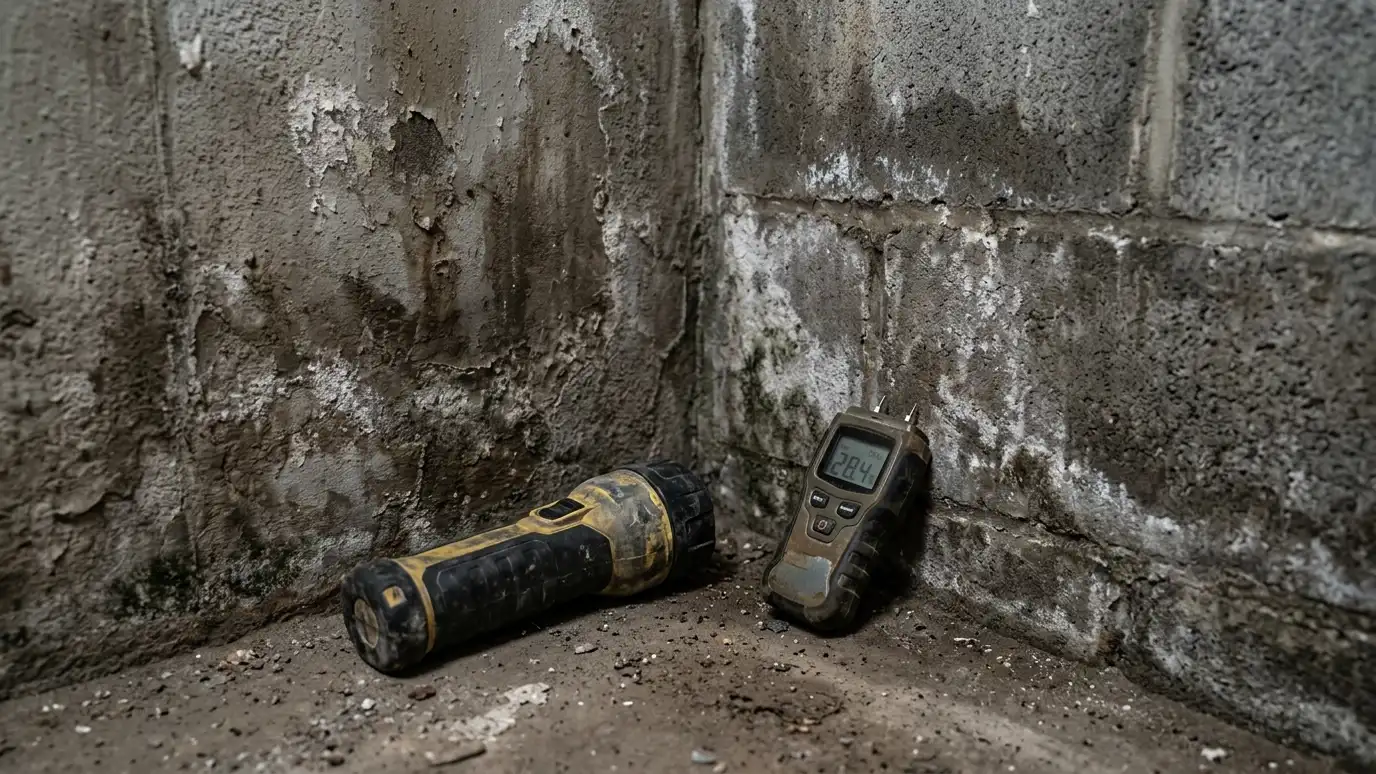
We walk the outside and inside with a moisture meter, take photos, measure slopes and call for utility marking.
You review the cause, the options and a plain written scope with every line and the schedule before anything is ordered.
We handle permits, protect your property and prepare the work area, from the floor edge to the trench.
We install drains, pumps, liners or repairs, restore floors and lawns and test every system with water.
We walk the job with you, share a care guide and schedule a first checkup.
An underground pit that stores water and lets it soak into the soil.
They can struggle in tight clay. A soak test tells us.
Well away from the foundation. We plan the distance on site.
An overflow path sends extra water to a safe place.
Screens and sumps need occasional cleaning.
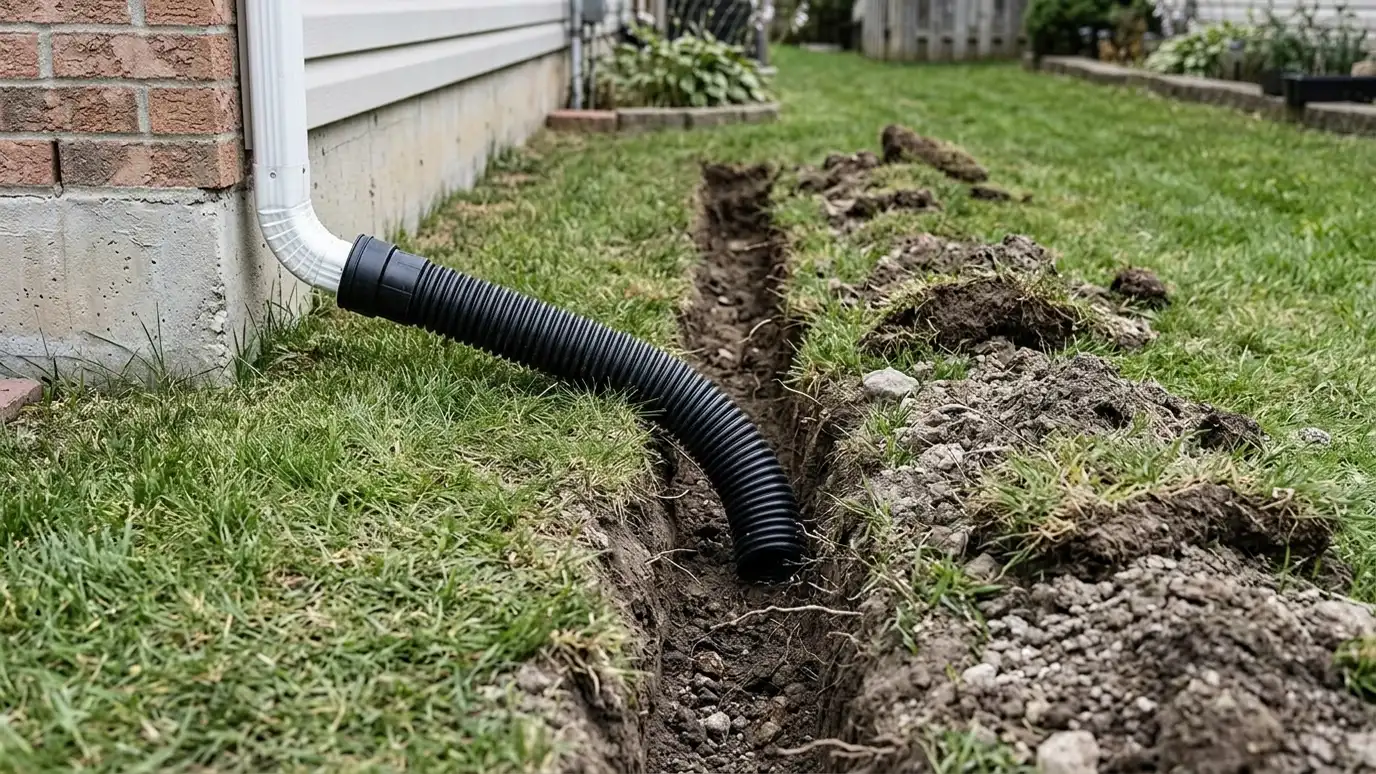 Downspout Extensions and Underground Drain LinesDownspout extensions and underground drain lines that carry roof water far from the foundation, to the street, a…Explore
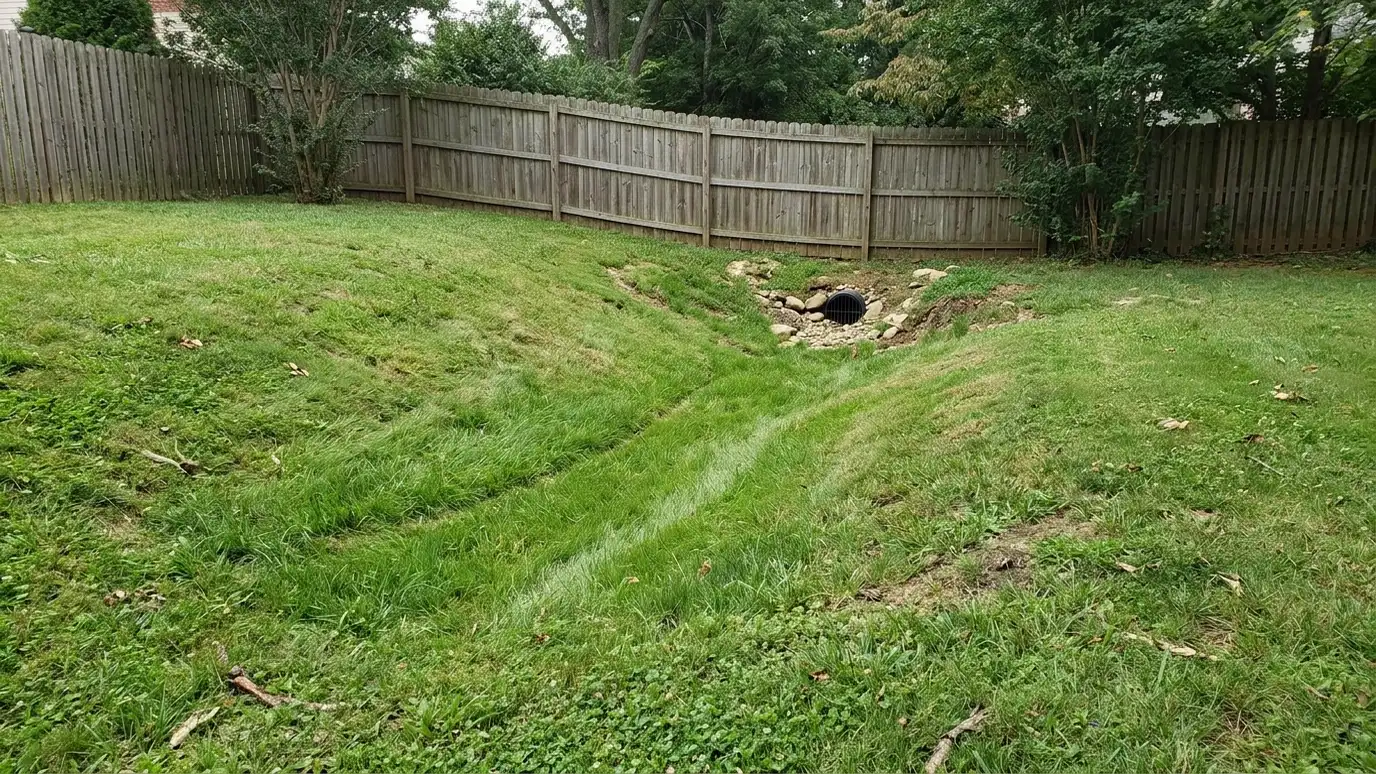 Yard Drainage SolutionsYard drainage solutions that combine grading, drains, swales and outlets into one plan for lawns and gardens that…Explore
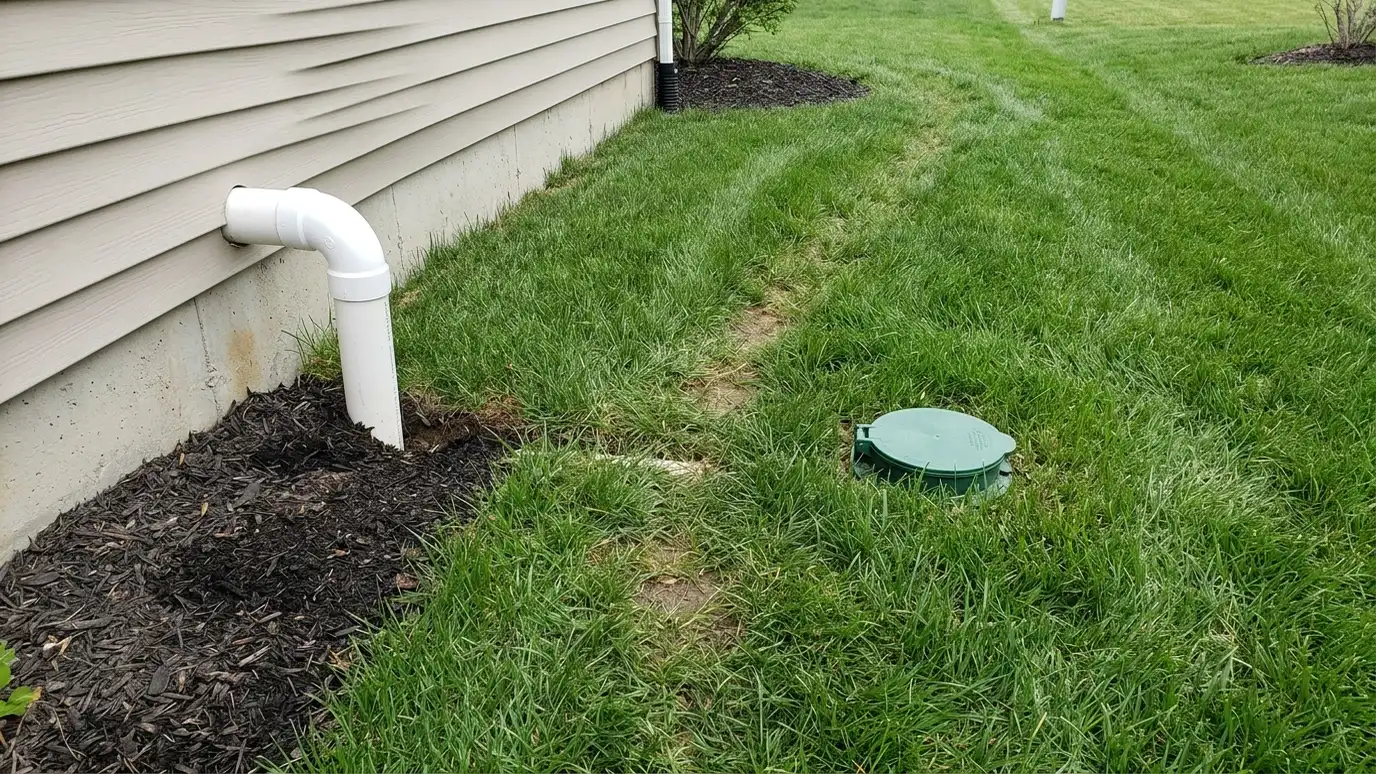 Sump Pump Discharge LinesSump pump discharge lines that carry pumped water out through a sealed pipe, a buried line and an…Explore
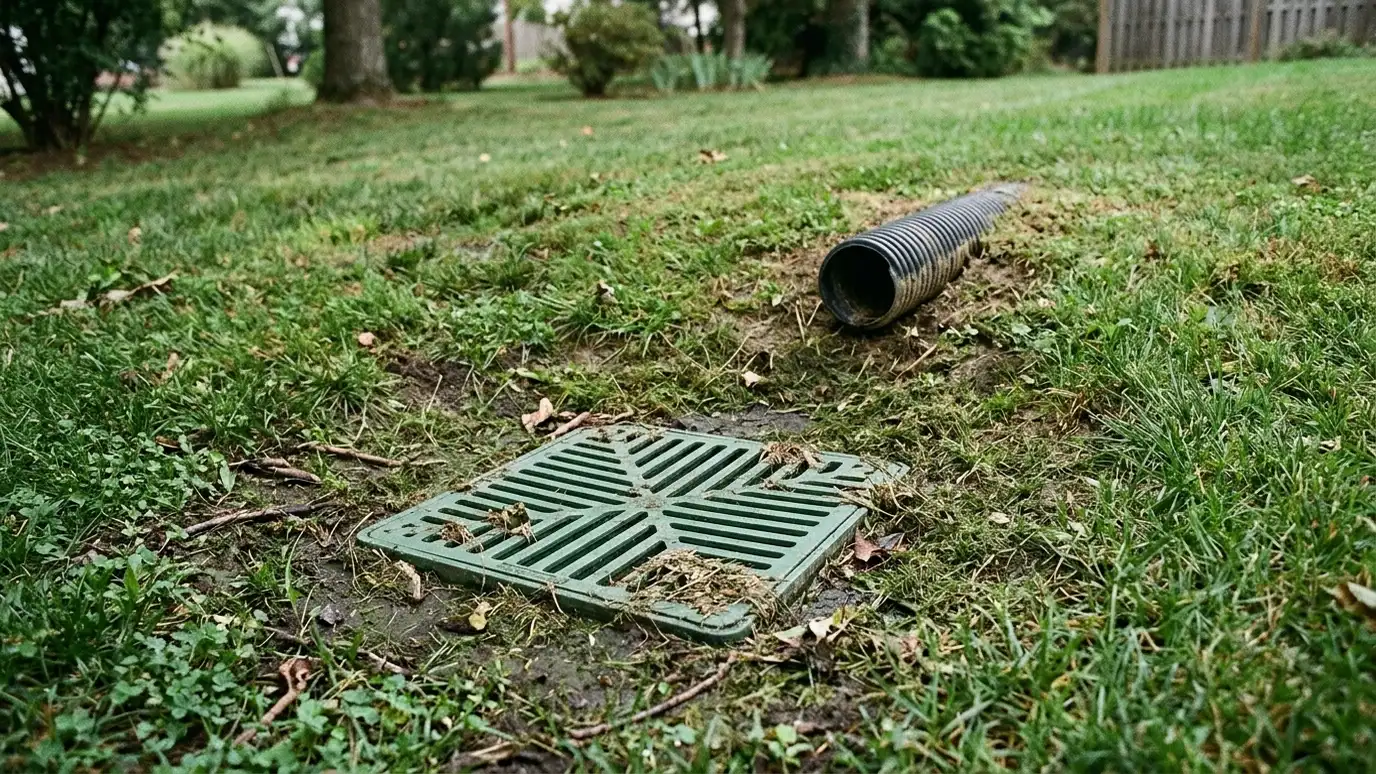 Surface Drains and Catch BasinsSurface drains and catch basins that gather water in low spots and pipe it to an outlet, with…Explore
Tell us about your property and we will call you back to set up a visit.
Or call (615) 357-7797 to talk now.