The first visit
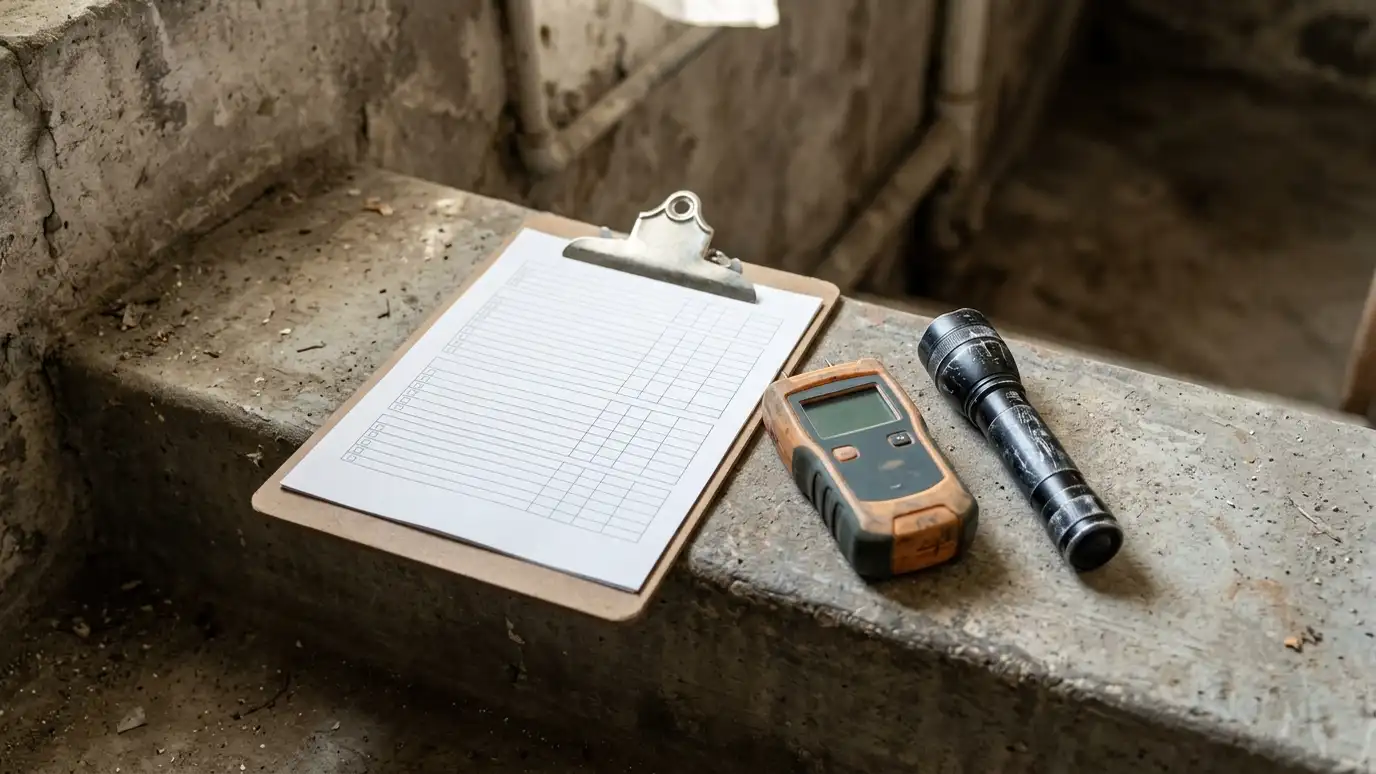
We listen to what you have seen, walk the outside and inside and take photos and readings. You get a plain explanation of what we think is happening.
Have notes ready about when and where water appears. It speeds up the visit.
You should leave with a clear idea of the options.
The written plan
We send a scope that lists the work, the equipment, the restoration and the exclusions. Read it and ask questions.
If you have quotes from others, bring them. We will compare scope and method with you.
Nothing is scheduled until you say go.
Before we start
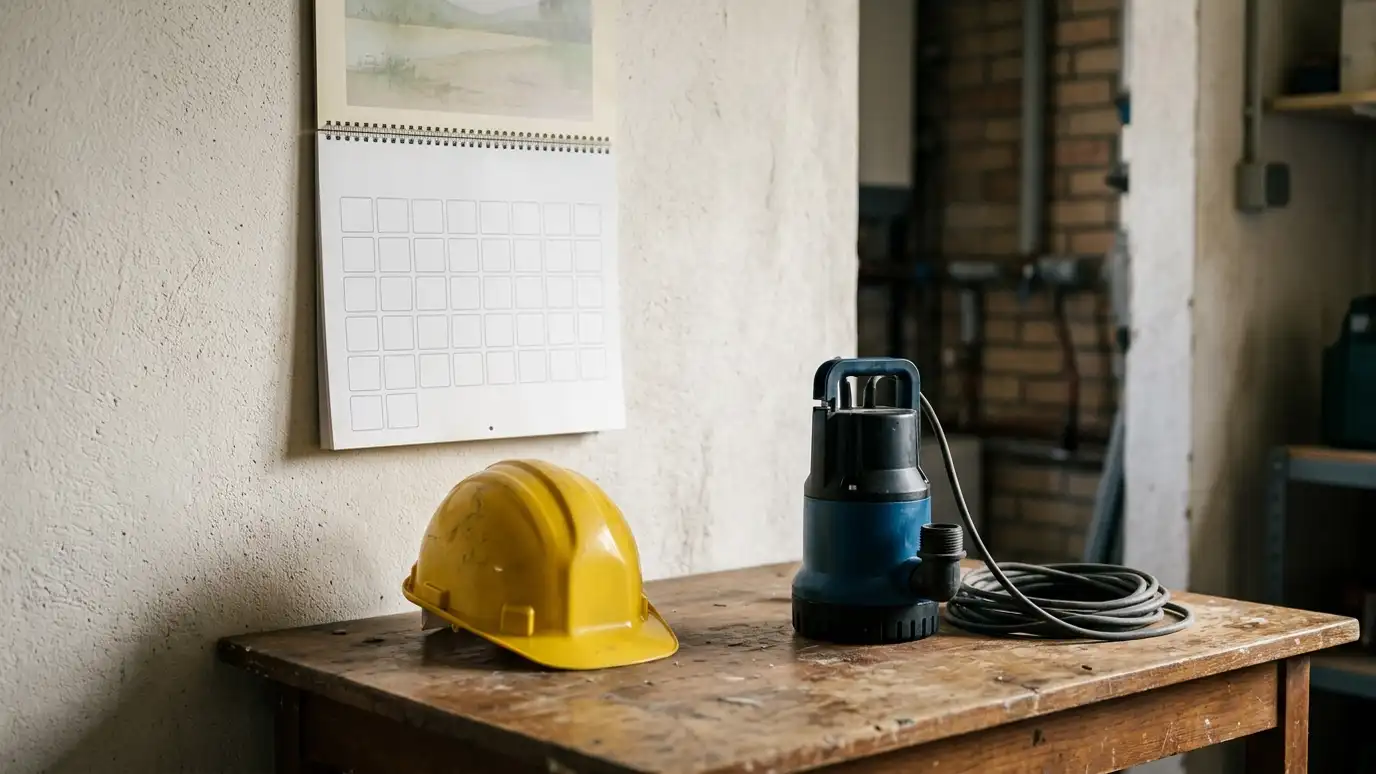
We call for utility marking, arrange permits when needed and set a schedule. Move items away from walls and clear access.
Tell us about pets, children, home offices and shifts so the crew can plan around them.
Expect a call or text before we arrive.
During the work
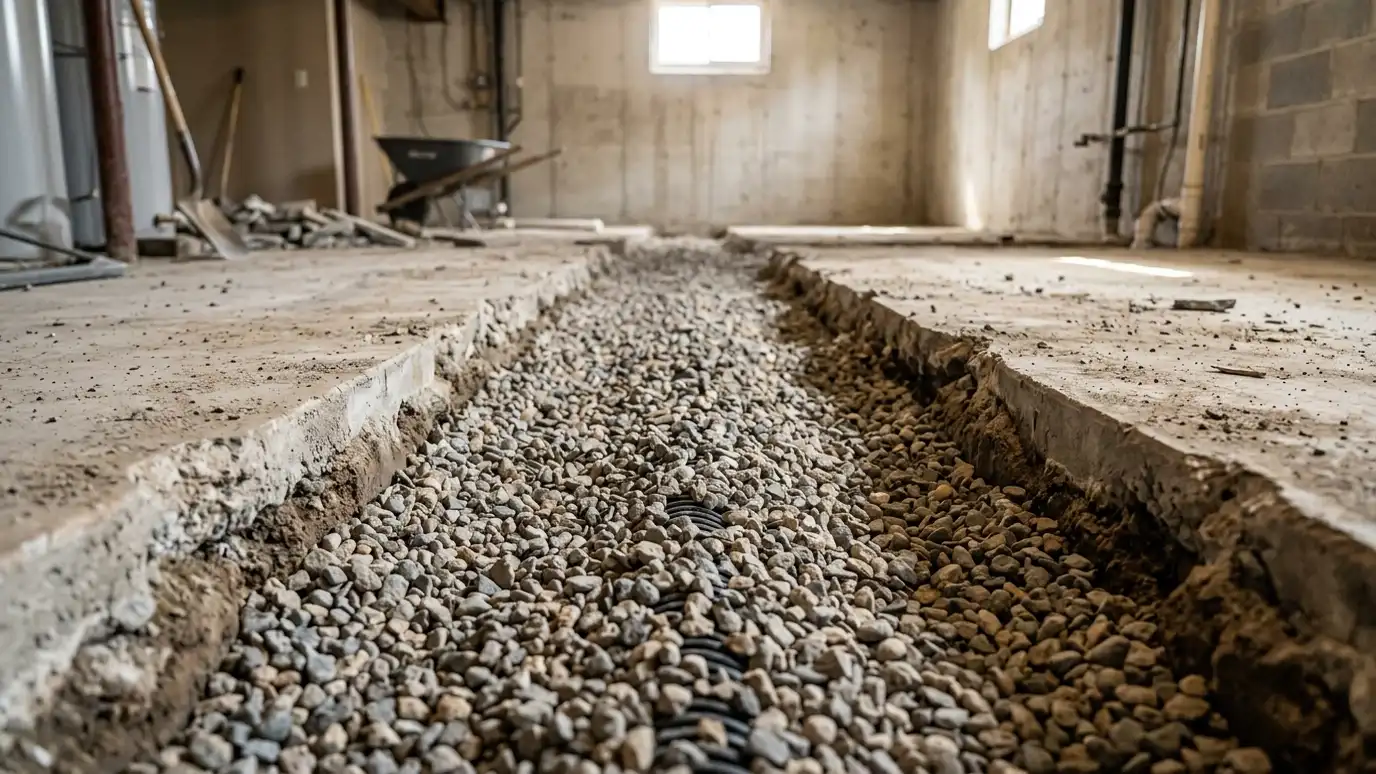
Crews protect floors and walls and set up a work zone. Cutting concrete and digging are noisy and dusty. We use barriers and clean up daily.
We explain what we are doing and send photos of hidden steps when you wish.
If we find a surprise, we stop, explain and discuss the choices before going on.
Testing and cleanup
We test pumps, drains and discharge lines by running water through them. We restore floors, lawns and finishes as listed in the scope.
We walk the job with you and show you cleanouts, switches and valves.
You get a short care guide and a date for a first checkup.
Afterward
Watch the system after the first few rains. Pour water in the pit a few times a year and keep gutters clear.
Keep your records, photos and any maker documents together.
Call us if anything looks different, and consider a yearly inspection.
Know the steps, keep notes and ask for photos, and you will stay comfortable at every stage.