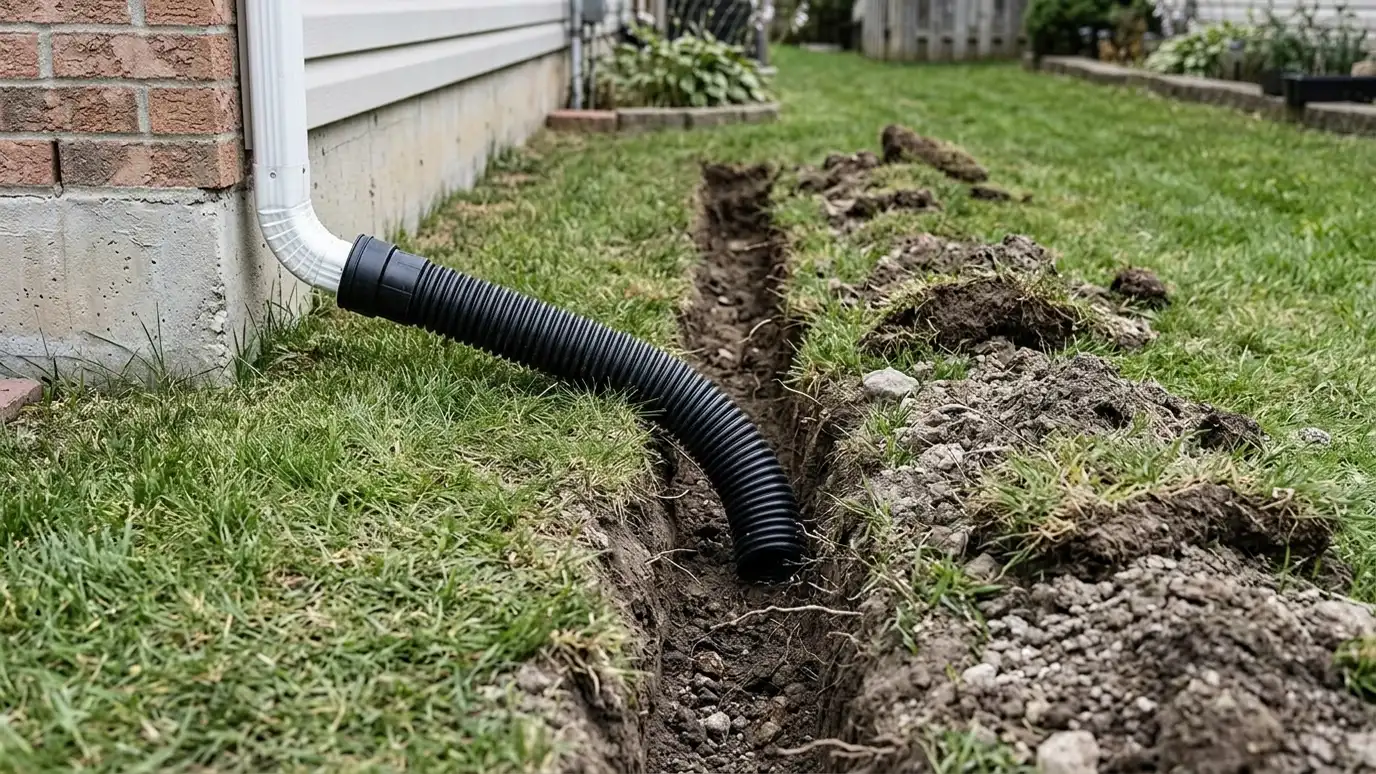
Downspout extensions and underground drain lines that carry roof water far from the foundation, to the street, a pop-up emitter or a drain basin.
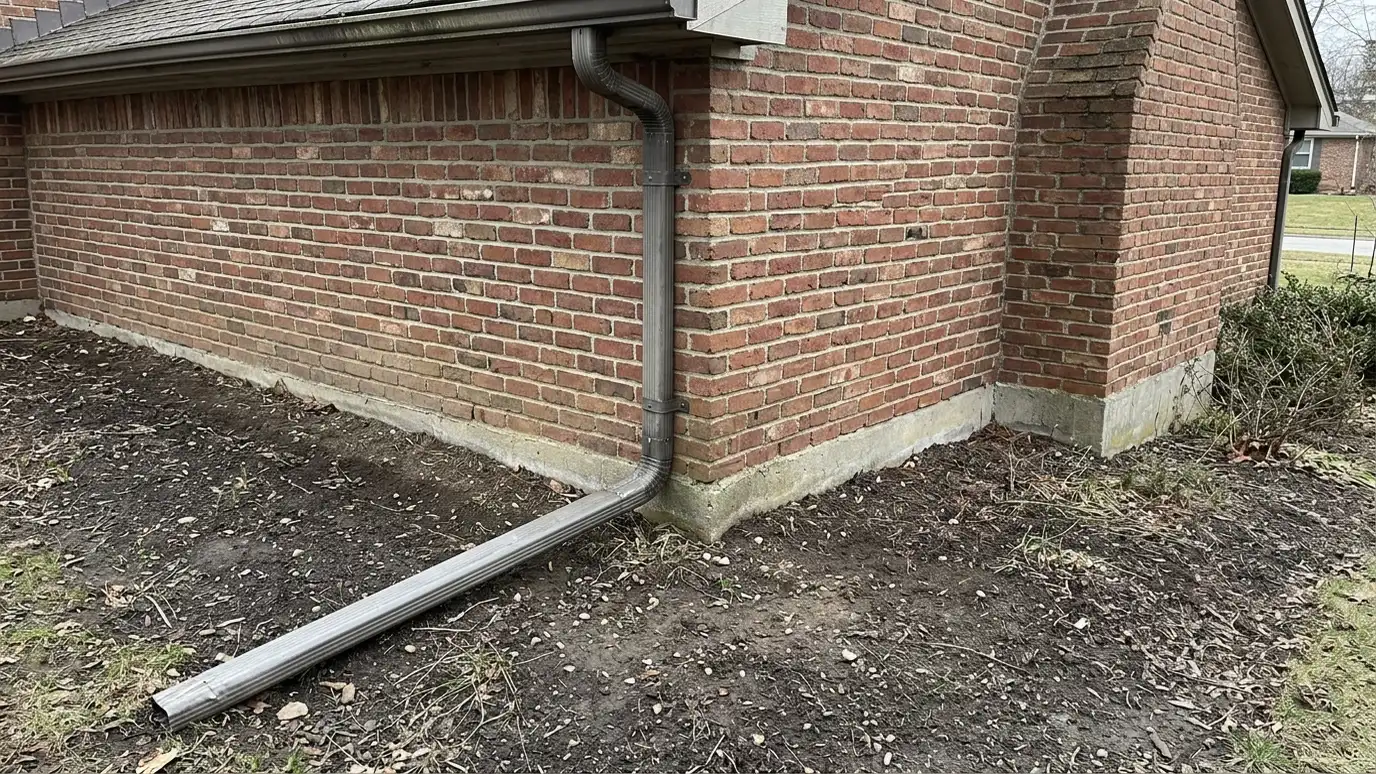
A roof sheds a surprising amount of water. A typical house roof can send thousands of gallons toward the foundation in one heavy storm if the downspouts end at the wall. Moving that water ten feet or more away is one of the least expensive ways to cut down on basement and crawl space moisture. Many homes around Nashville have short downspout elbows that dump water at the corner, and burying a drain line is a neater, more durable fix than surface hoses.
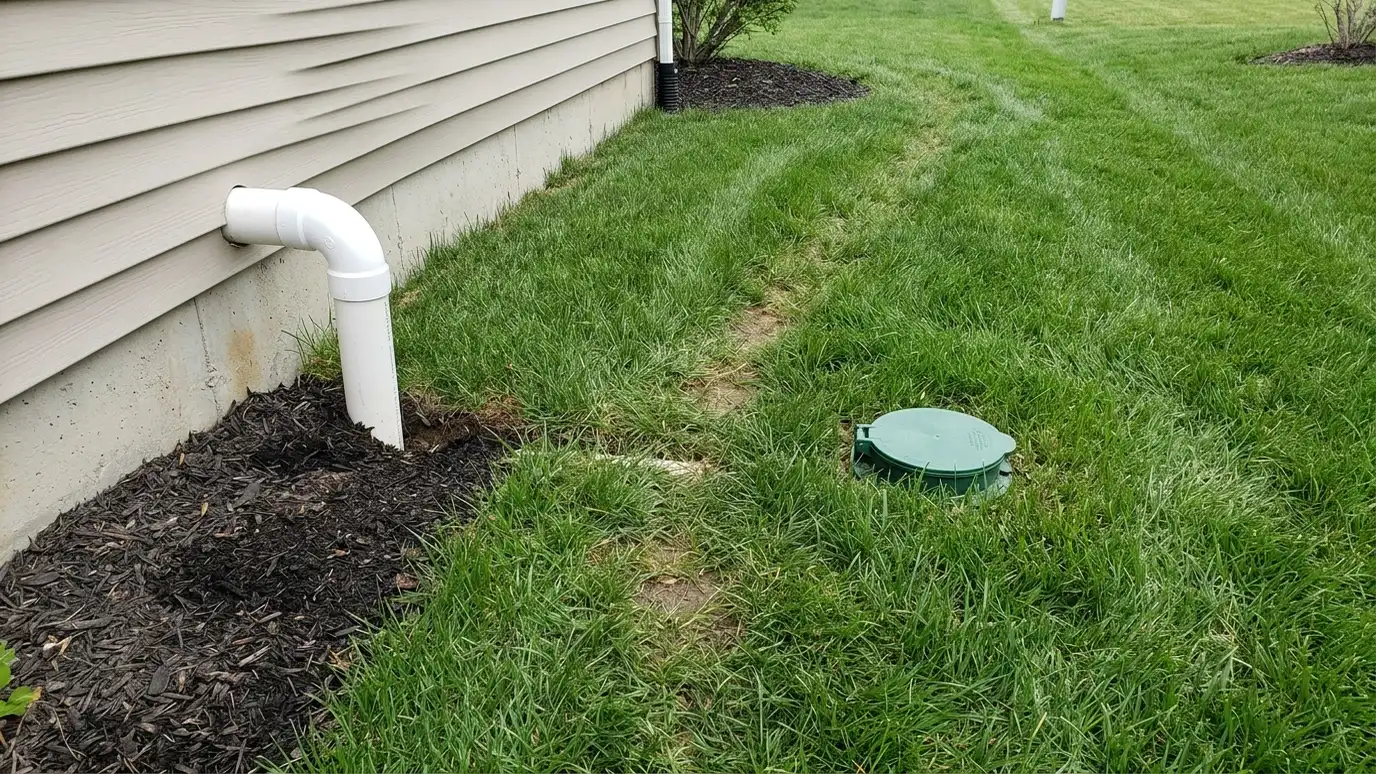
We trace each downspout and decide where the water should go. For simple cases, we add sturdy extensions that move water onto a lawn with a slope. For more complete solutions, we dig a trench, run solid pipe from each downspout, join them where it makes sense and carry the water to a pop-up emitter, a drain basin, a dry well or the street where rules allow. We add cleanouts and screens at the downspout to catch leaves. We test each line with water and regrade around the outlet so it does not wash out.
A heavy storm sends a lot of water down each downspout.
Solid pipe is neater and more durable than loose surface hoses.
Water is released onto the lawn or into a basin, away from the house.
Leaves can be cleared without digging up the line.
We decide where each stream should go.
Pipe is sized for roof flow and set with a steady slope.
They release water onto the lawn and close when dry.
Leaves can be cleared without digging.
The discharge area is graded and stone-lined if needed.
We run water from the gutter to the outlet.
Every topic has its own page with what to expect and how we approach it.
 Comparison guideGutters and GradingHow gutters, downspout extensions and ground slope work together to keep roof and yard water away from your…Learn more
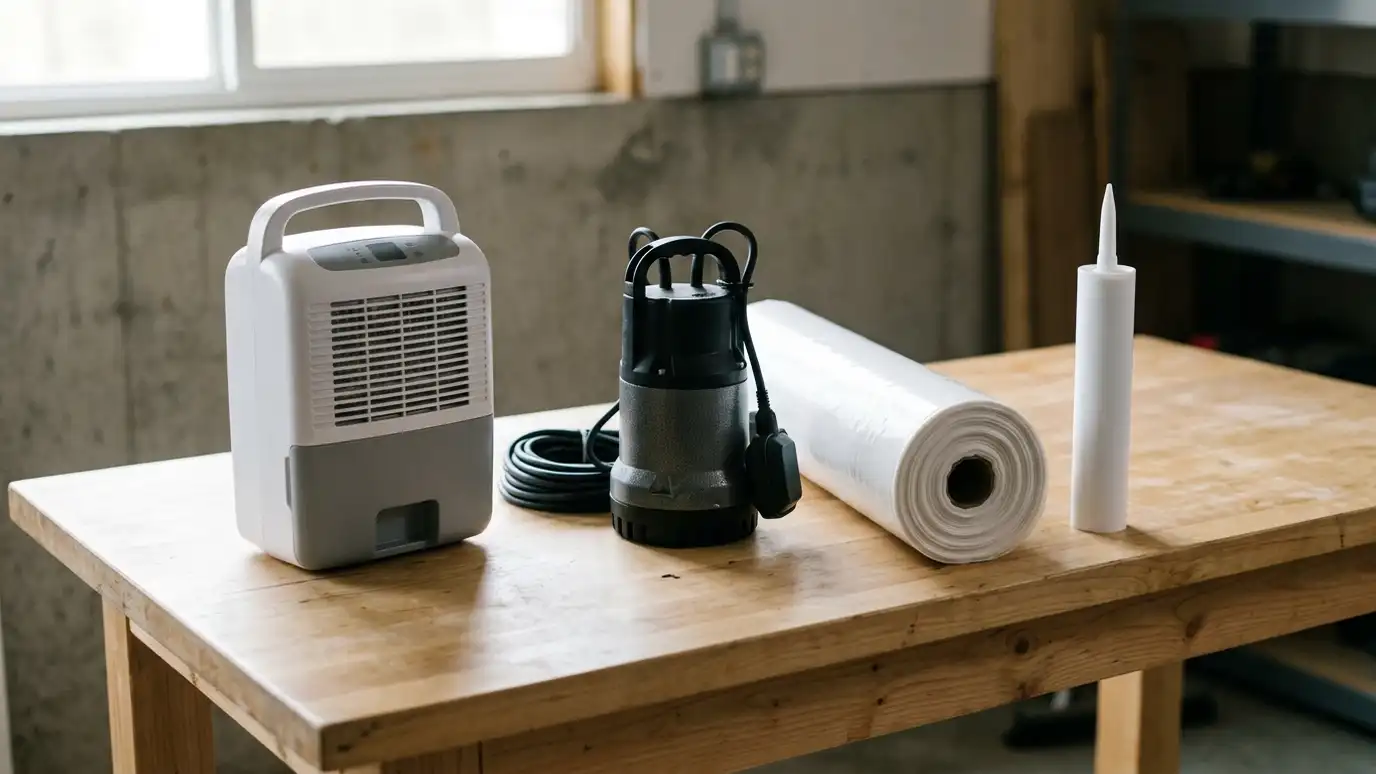 ResourceNDSA maker of catch basins, channel drains, grates, pipe fittings and other yard drainage products, now part of…Learn more
 ResourceMetro Water ServicesThe Metro Nashville stormwater program, which covers drainage questions, runoff rules and flood information.Learn more
Pick the project and options to see a typical sequence from visit and permits to site work, installation, testing and cleanup.
You tell us what you have seen, where and when, and we set a visit that fits your day.
We walk the outside and inside with a moisture meter, take photos, measure slopes and call for utility marking.
You review the cause, the options and a plain written scope with every line and the schedule before anything is ordered.
We handle permits, protect your property and prepare the work area, from the floor edge to the trench.
We install drains, pumps, liners or repairs, restore floors and lawns and test every system with water.
We walk the job with you, share a care guide and schedule a first checkup.
Many guides suggest several feet or more from the foundation. We plan based on the slope.
Buried lines are tidier and last longer, but hoses can be a fast, temporary fix.
To a slope, a drain basin or a dry well. Street connections depend on local rules.
Lines that drain fully are less likely to freeze. We set slope for that.
Often yes, if the pipe is sized for the flow.
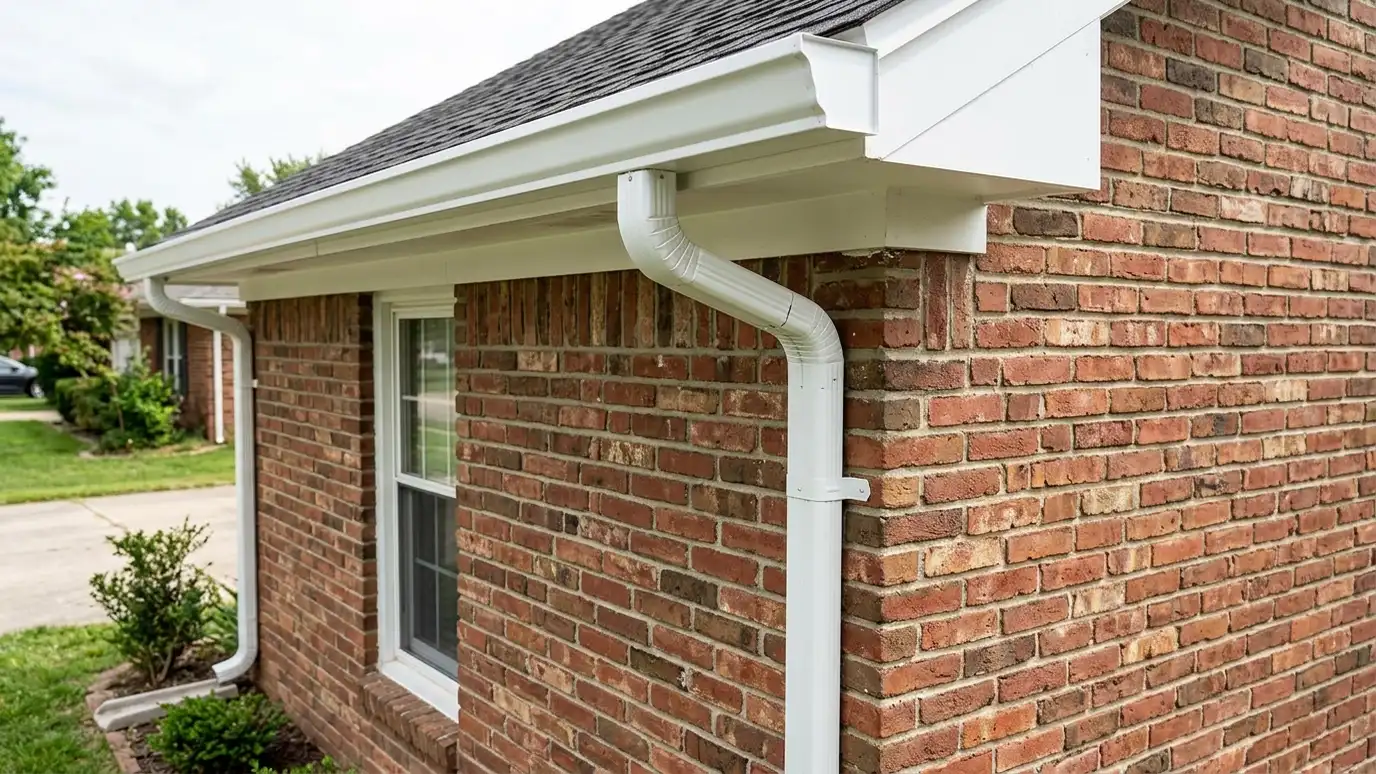 Gutter Installation and RepairGutter installation and repair with seamless gutters, correct slope, solid hangers and properly sized downspouts that move roof…Explore
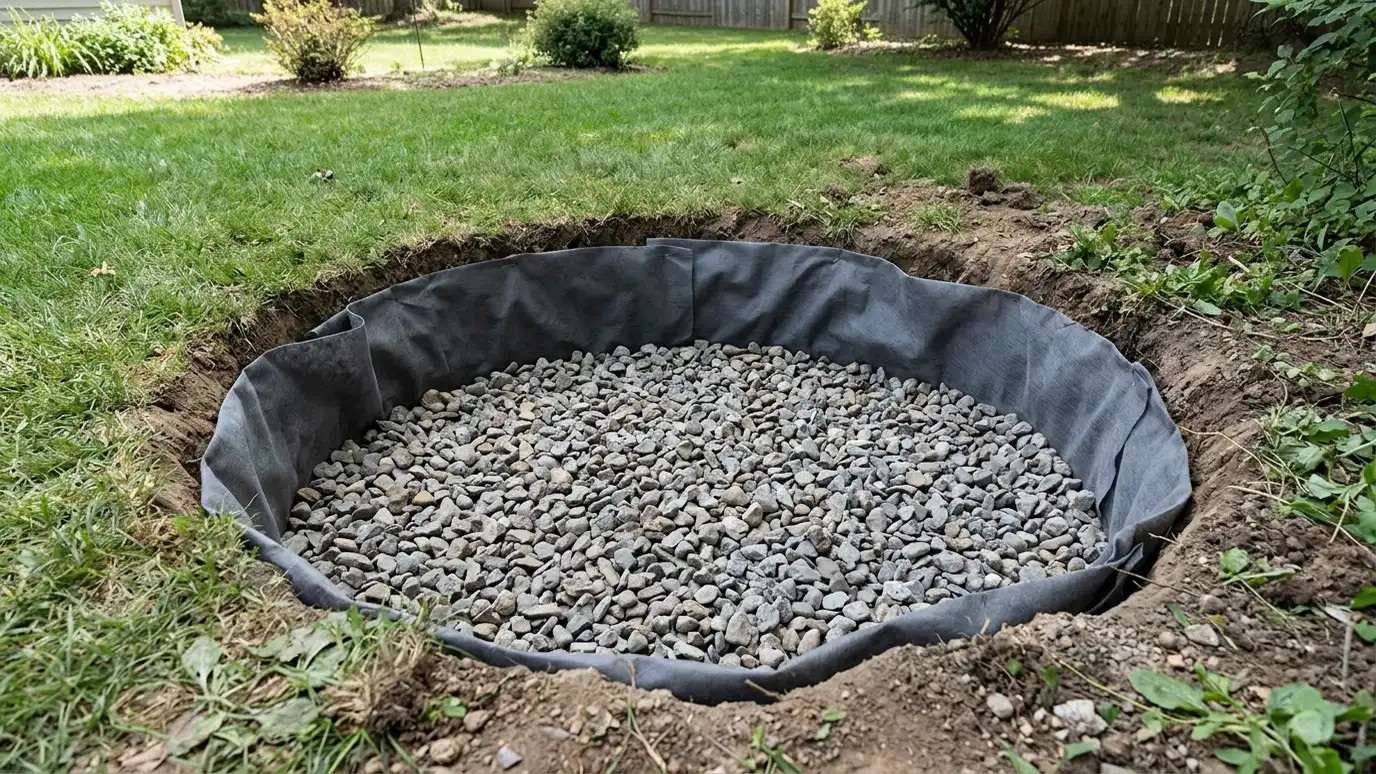 Dry Wells and Drainage BasinsDry wells and drainage basins that collect roof and yard water underground and let it soak into the…Explore
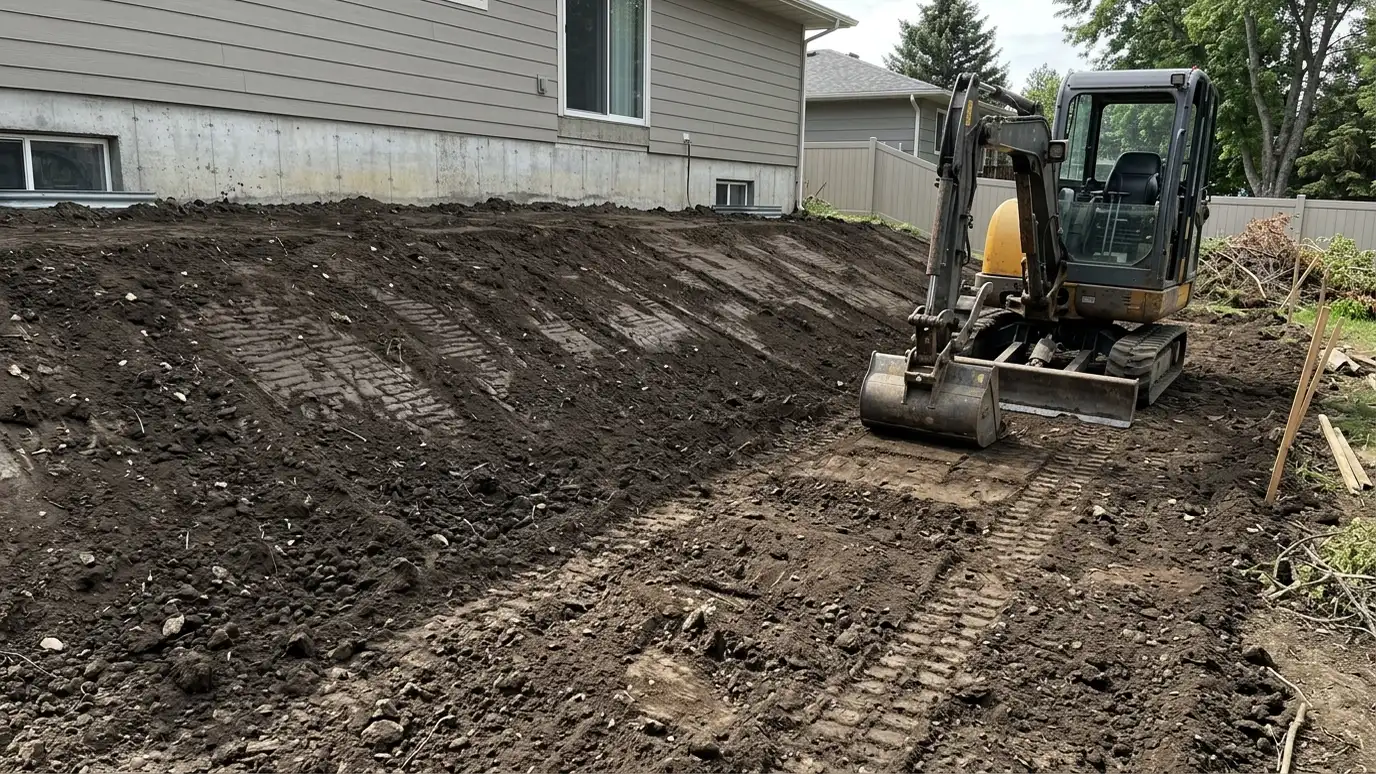 Grading and RegradingGrading and regrading that reshape the soil around your house so surface water slopes away from the foundation…Explore
 Sump Pump Discharge LinesSump pump discharge lines that carry pumped water out through a sealed pipe, a buried line and an…Explore
Tell us about your property and we will call you back to set up a visit.
Or call (615) 357-7797 to talk now.