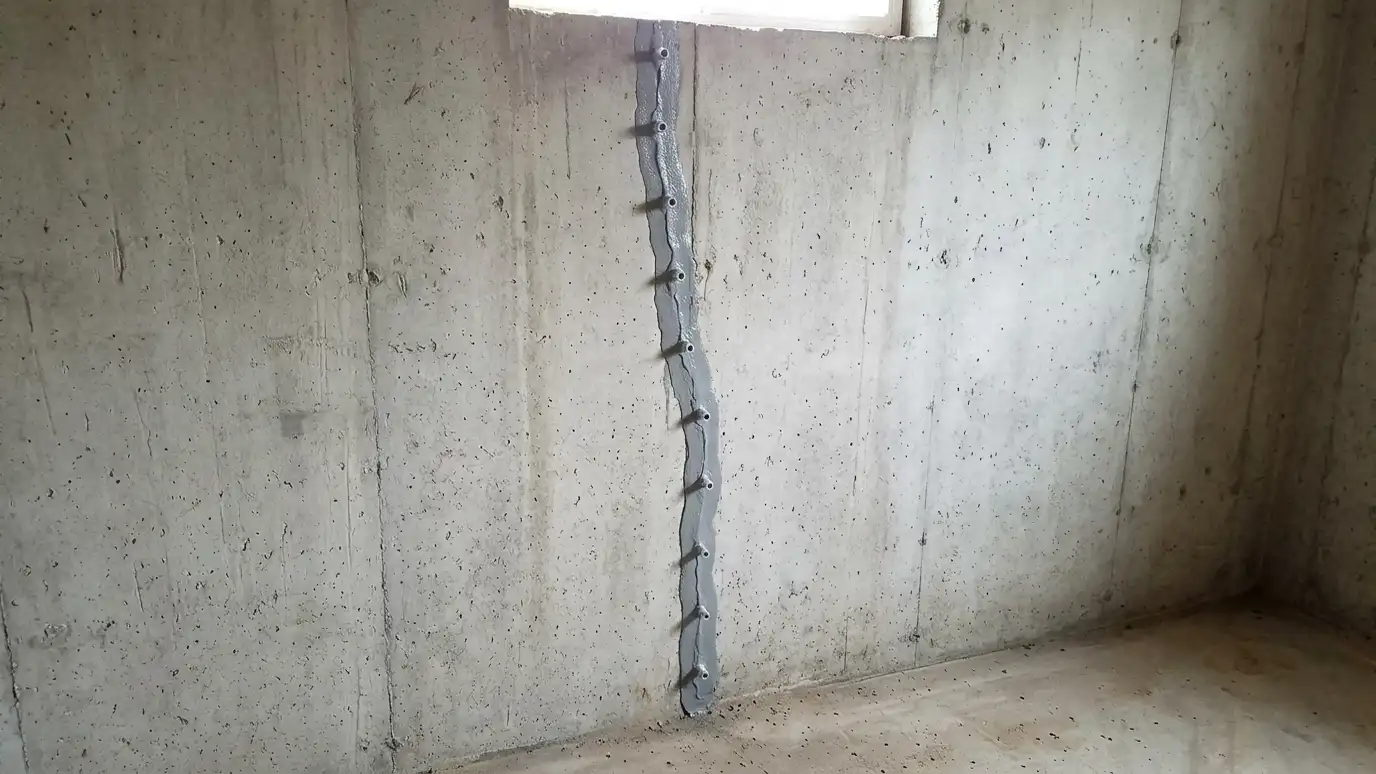
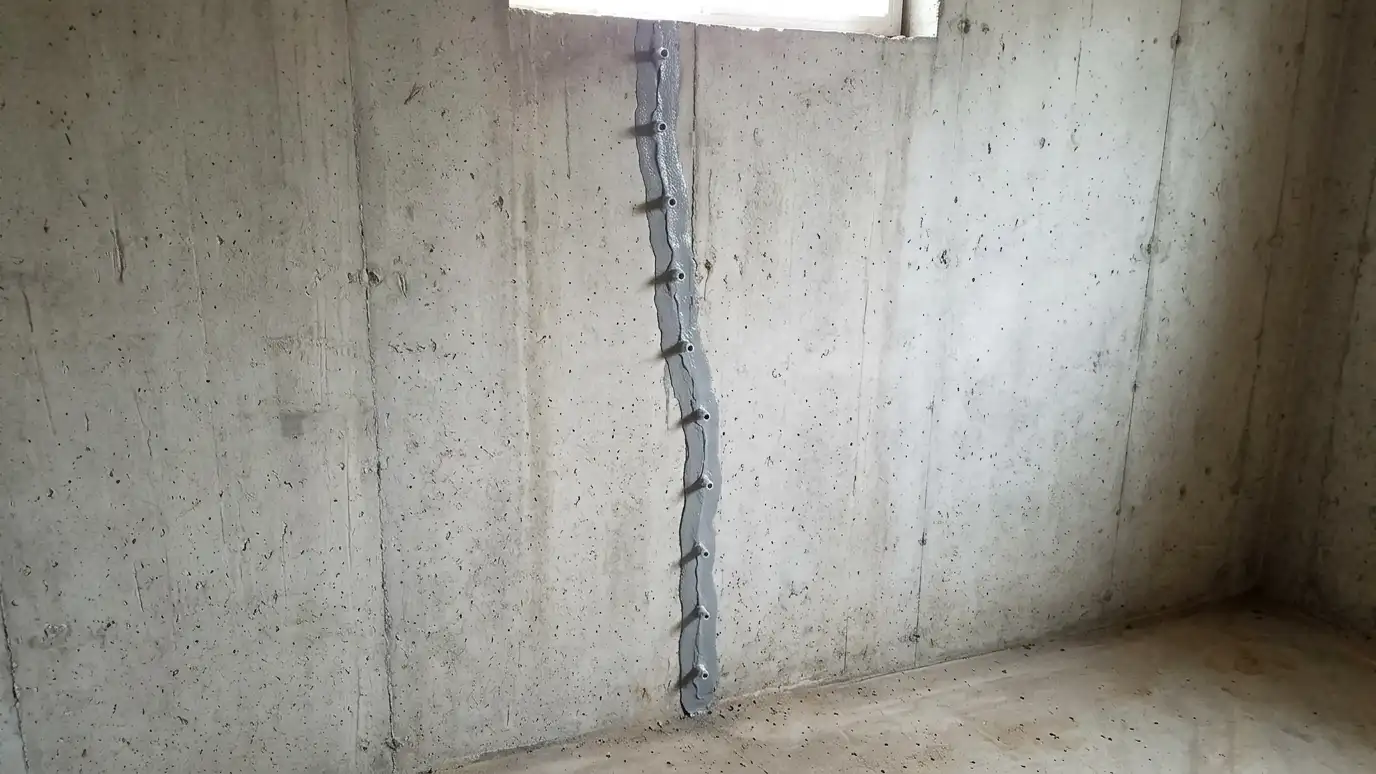
Foundation crack injection with epoxy or polyurethane that fills a crack from the inside out, bonding the concrete or sealing out water through a series of ports.
Injection is a way to fill a crack all the way through the wall, not just on the surface. Small ports are set along the crack, the surface is sealed and material is pumped in until it comes out of the next port. Epoxy bonds the concrete together. Polyurethane expands to seal and stays flexible. Both are common for poured foundation walls in homes around Nashville where a crack is stable but lets in moisture or air.
We check the crack for movement, moisture and width, then clean the surface and mount injection ports along its length. We seal the face of the crack with a quick-setting paste, wait for it to cure and pump the chosen material from the bottom up. After the material sets we remove the ports, grind off the paste and leave a smooth line. We discuss what injection can do, such as seal out water or bond a wall, and what it cannot do, such as stop a wall that is still moving or fix pressure from poor drainage.
Ports along the crack let material flow from the bottom up until the whole crack is full.
Epoxy bonds a stable crack, and polyurethane seals a crack that may flex.
Ports and paste are removed, leaving a smooth line.
Injection does not stop a wall that is still moving or relieve water pressure.
We check movement, width and moisture before we choose material.
Material is pumped from the bottom, port to port, until the crack fills.
The material suits the job, from bonding to flexible sealing.
Ports and paste are ground off for a clean finish.
Injection does not fix a moving wall or poor drainage.
We watch for new moisture after the next heavy rain.
Every topic has its own page with what to expect and how we approach it.
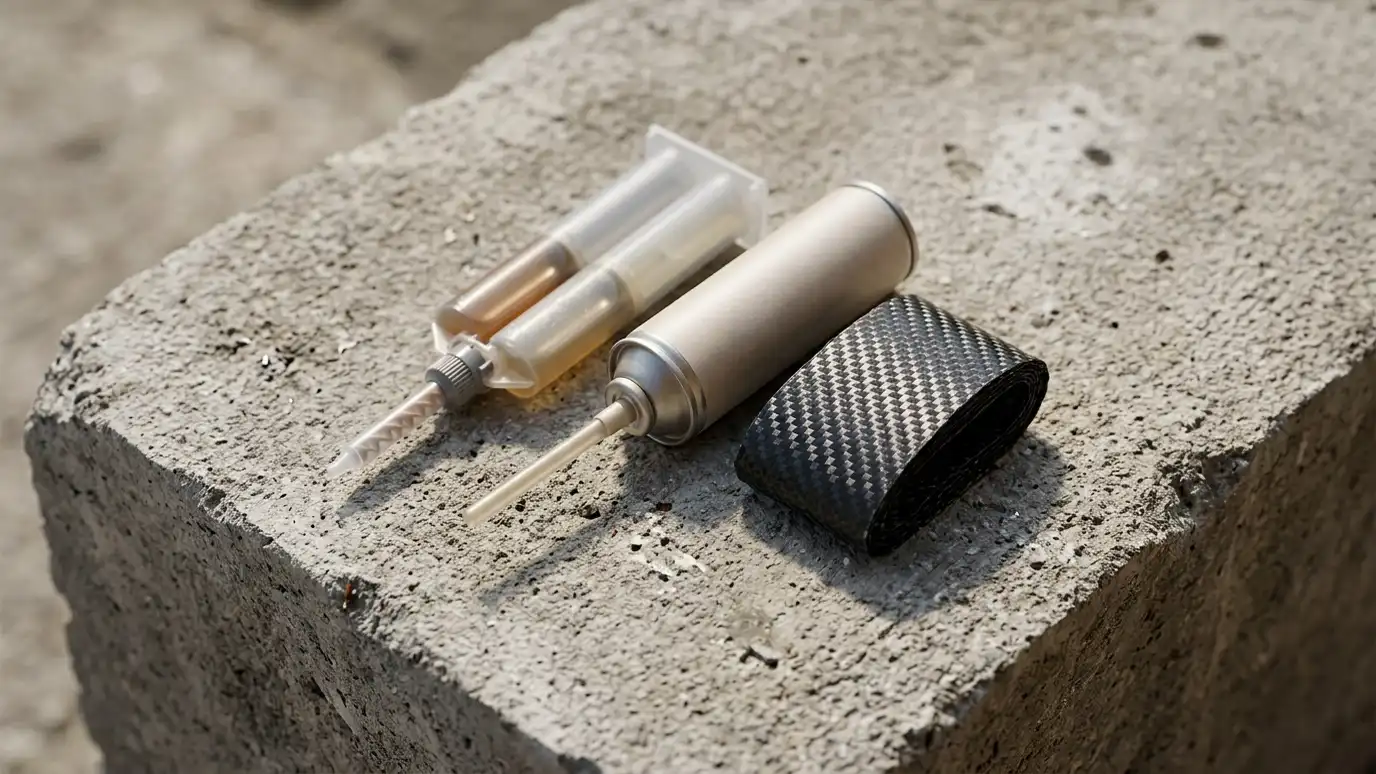 Comparison guideCrack Repair MethodsHow epoxy injection, polyurethane injection, hydraulic cement and carbon fiber straps differ in what they fix.Learn more
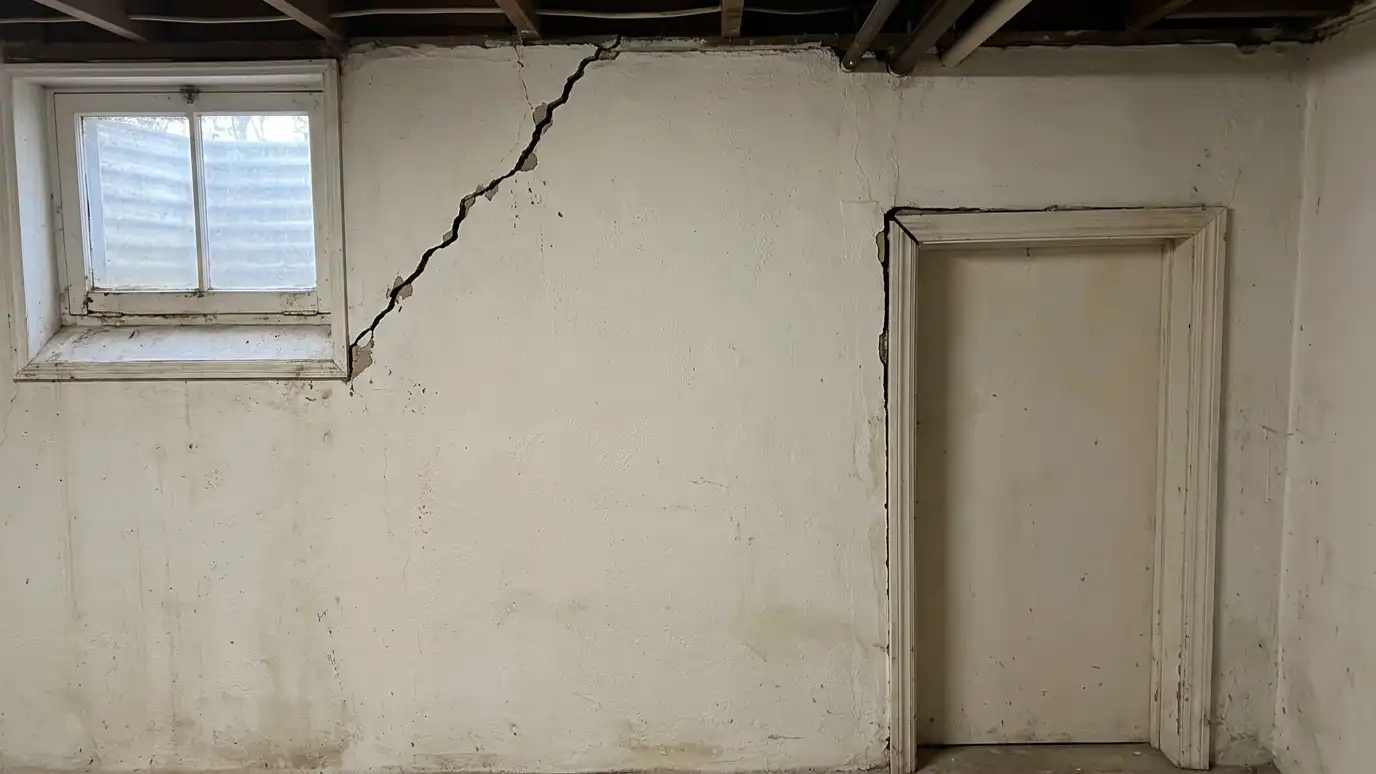 Comparison guideFoundation Warning SignsHow to read cracks, sticking doors, sloping floors and gaps, and which signs call for a closer look.Learn more
 ResourceXypexA maker of crystalline waterproofing materials used in concrete walls, slabs, pits and tunnels.Learn more
Pick the area, set the condition and tick what applies to see what to check, service or inspect before the next heavy rain.
You tell us what you have seen, where and when, and we set a visit that fits your day.
We walk the outside and inside with a moisture meter, take photos, measure slopes and call for utility marking.
You review the cause, the options and a plain written scope with every line and the schedule before anything is ordered.
We handle permits, protect your property and prepare the work area, from the floor edge to the trench.
We install drains, pumps, liners or repairs, restore floors and lawns and test every system with water.
We walk the job with you, share a care guide and schedule a first checkup.
It fills the crack through the wall, so it usually seals more fully than a surface coat.
It depends on whether you need bonding or flexibility. We explain both.
Polyurethane works well on active leaks. Epoxy needs a drier crack.
Epoxy can bond a poured wall across a stable crack. It does not add support for a leaning wall.
Many cracks take an hour or two, plus cure time before the ports are removed.
 Basement Wall Crack RepairBasement wall crack repair that identifies why the wall cracked, then seals vertical, diagonal and horizontal cracks with…Explore
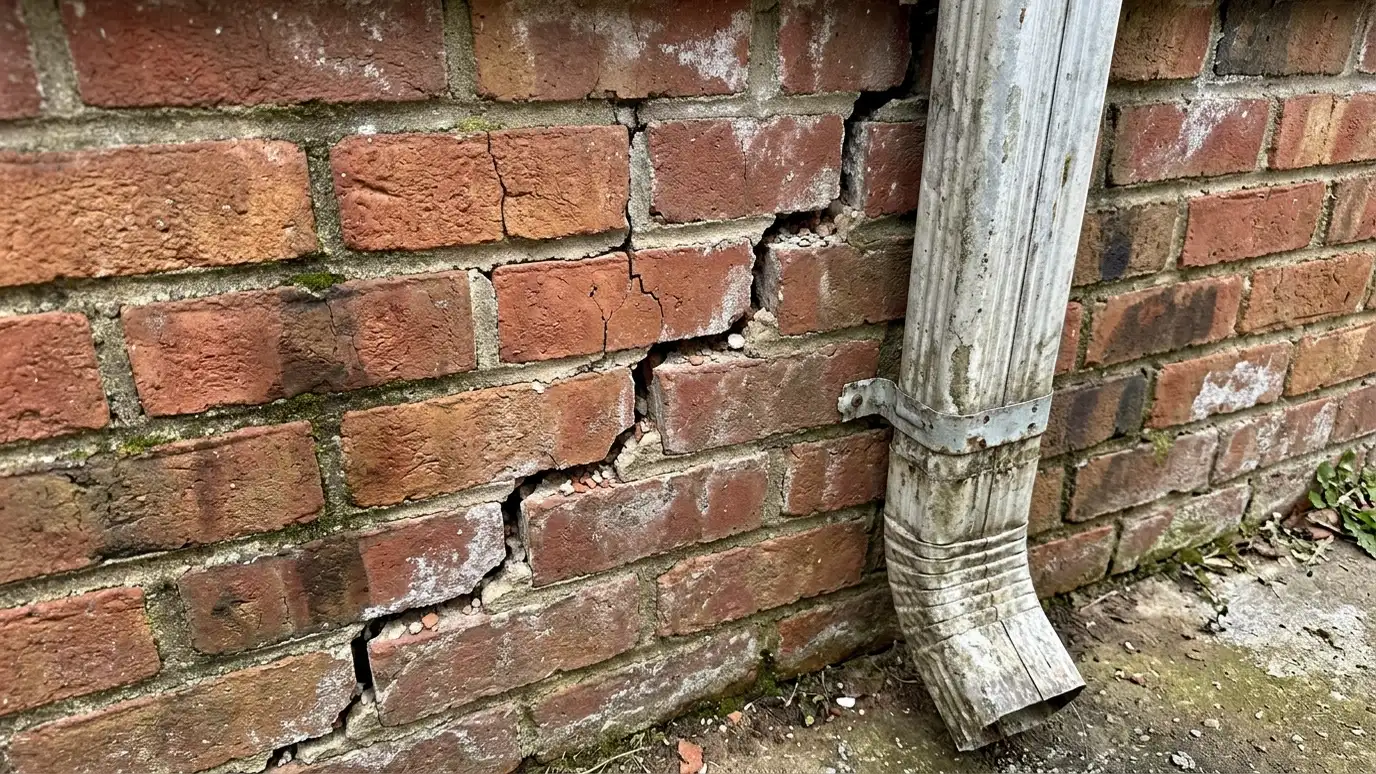 Foundation Crack RepairFoundation crack repair that reads the pattern of each crack, seals the ones that are stable and flags…Explore
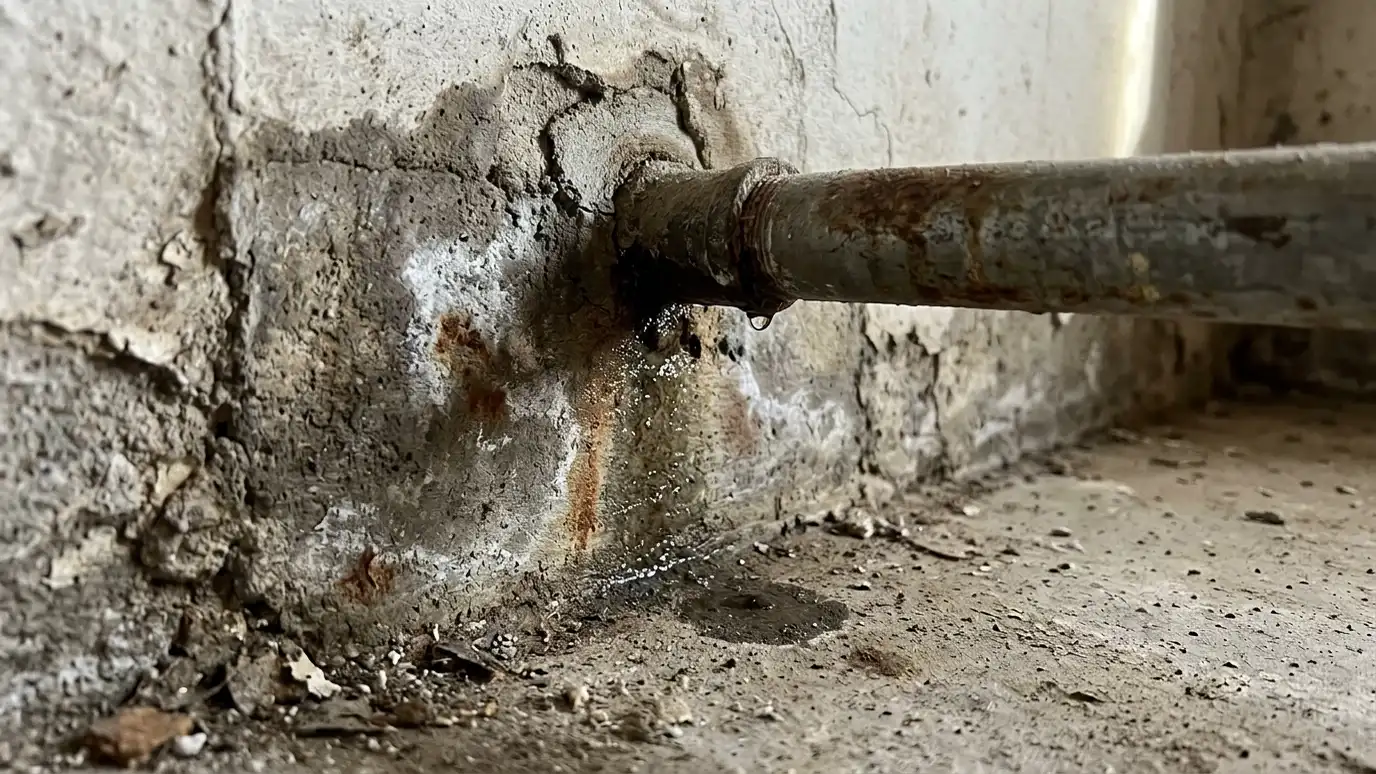 Basement Leak RepairBasement leak repair for drips at pipe penetrations, window wells, cracks and wall joints, with fast sealing and…Explore
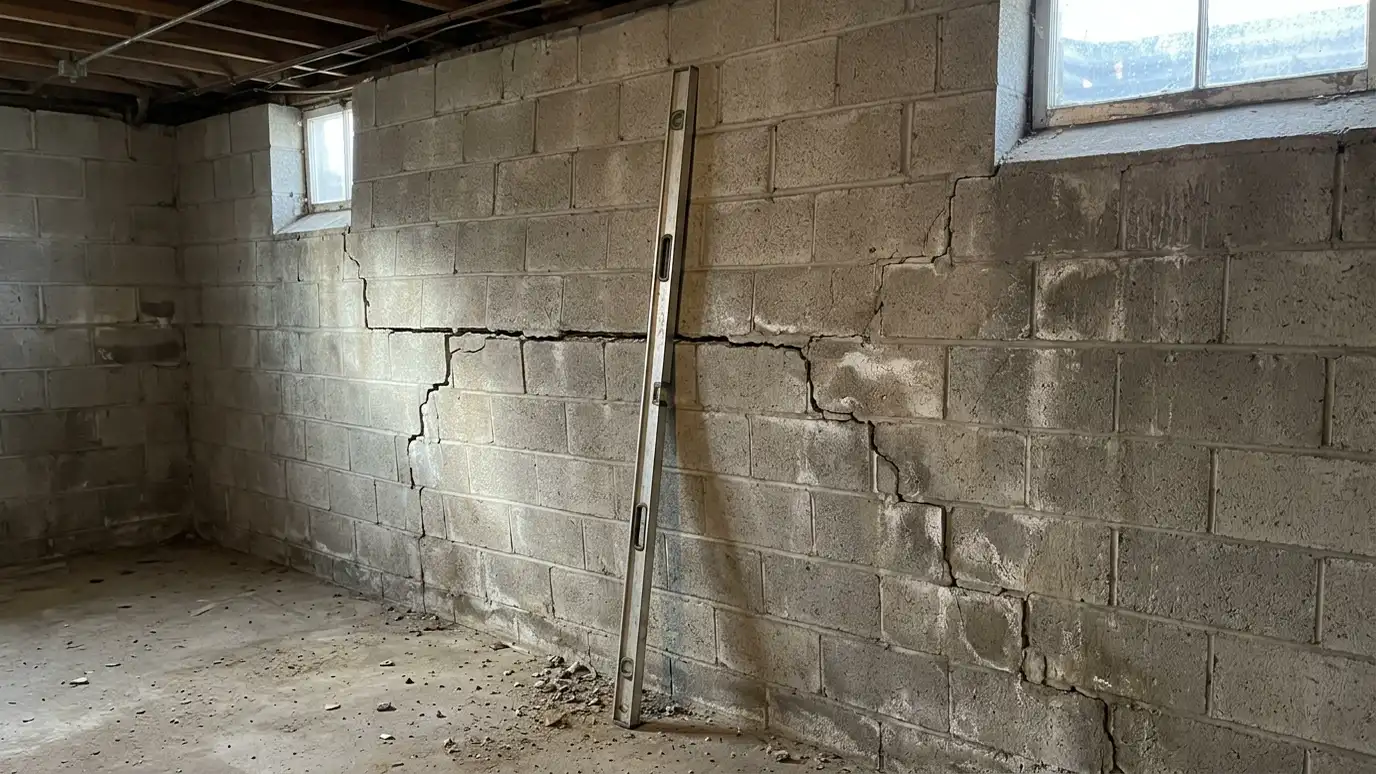 Bowing Wall RepairBowing wall repair that measures how far a foundation wall leans, finds the pressure behind it and recommends…Explore
Tell us about your property and we will call you back to set up a visit.
Or call (615) 357-7797 to talk now.