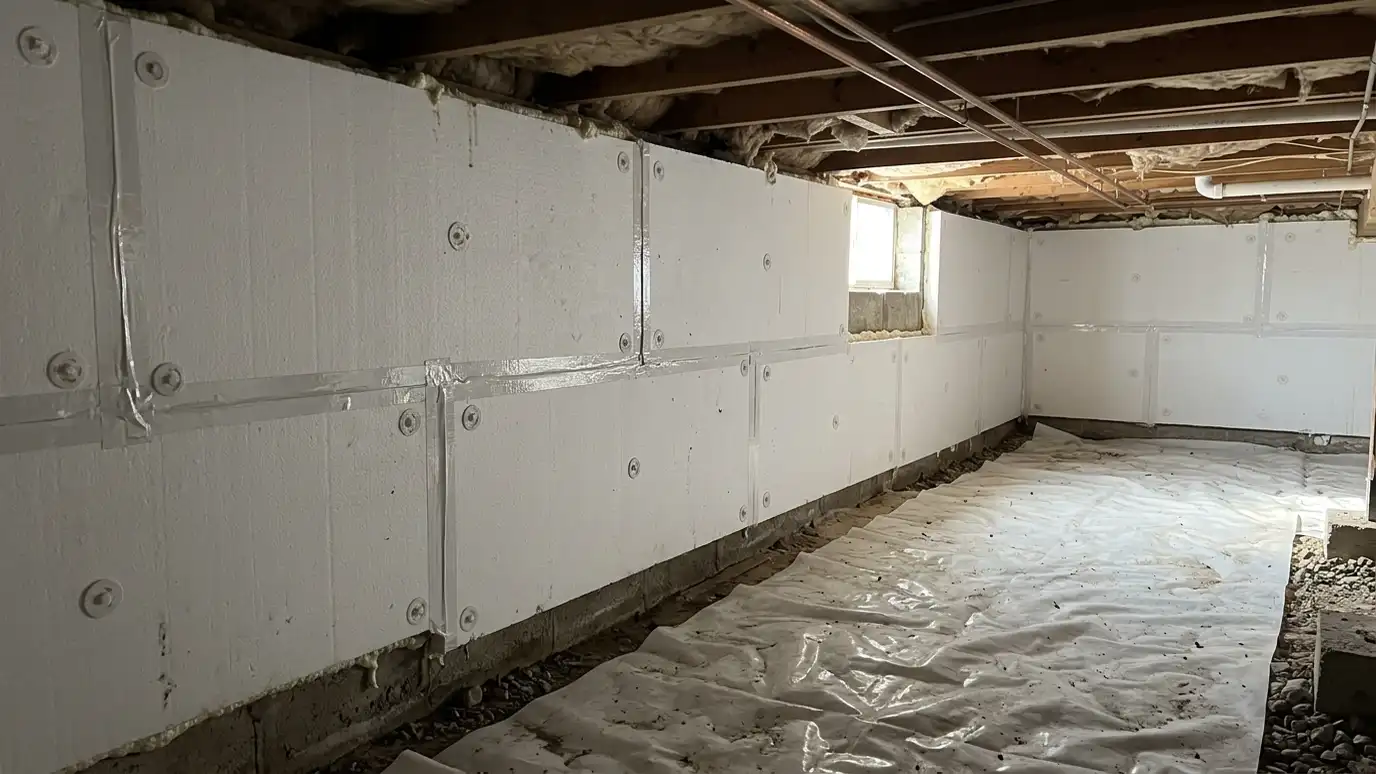
Crawl space insulation with foam board or spray foam on the foundation walls, or batts in the floor system, chosen to suit a sealed or vented crawl space.
Insulation in a crawl space can be in the floor above or on the walls around it, and which one belongs depends on whether the space is sealed or vented. In a vented crawl space, loose batts between the joists often get damp, sag and fall. In a sealed crawl space, rigid foam on the walls keeps the space steady in temperature and hard for moisture to hide in. Homeowners around Nashville often see both, and some floors feel cold because old batts have given up.
We look at what you have now, whether it is damp, missing or falling, and decide the best match for the space. For sealed spaces we fasten rigid foam board or apply spray foam to the foundation walls and the band area and seal the seams. For vented spaces, we reinstall or replace batts with supports that hold them against the subfloor and protect them from moisture. We keep a clearance around pipes, wires and flues and explain fire and code considerations. We avoid covering problems, so any rot or mold is addressed before the new insulation goes in.
Insulation goes in the floor of a vented crawl space or on the walls of a sealed one.
Wet, sagging batts hold moisture and are replaced.
Foam seams are sealed, and pipes, wires and flues get proper clearance.
Rot and mold are dealt with before new insulation covers them.
Sealed crawl spaces use wall insulation, vented ones use floor insulation.
Wet or sagging insulation does little and holds moisture.
Foam board seams are sealed so air does not leak around them.
Pipes, wires and flues are given proper clearance.
Rot and mold are not covered over.
We explain fire barrier and local code points.
Every topic has its own page with what to expect and how we approach it.
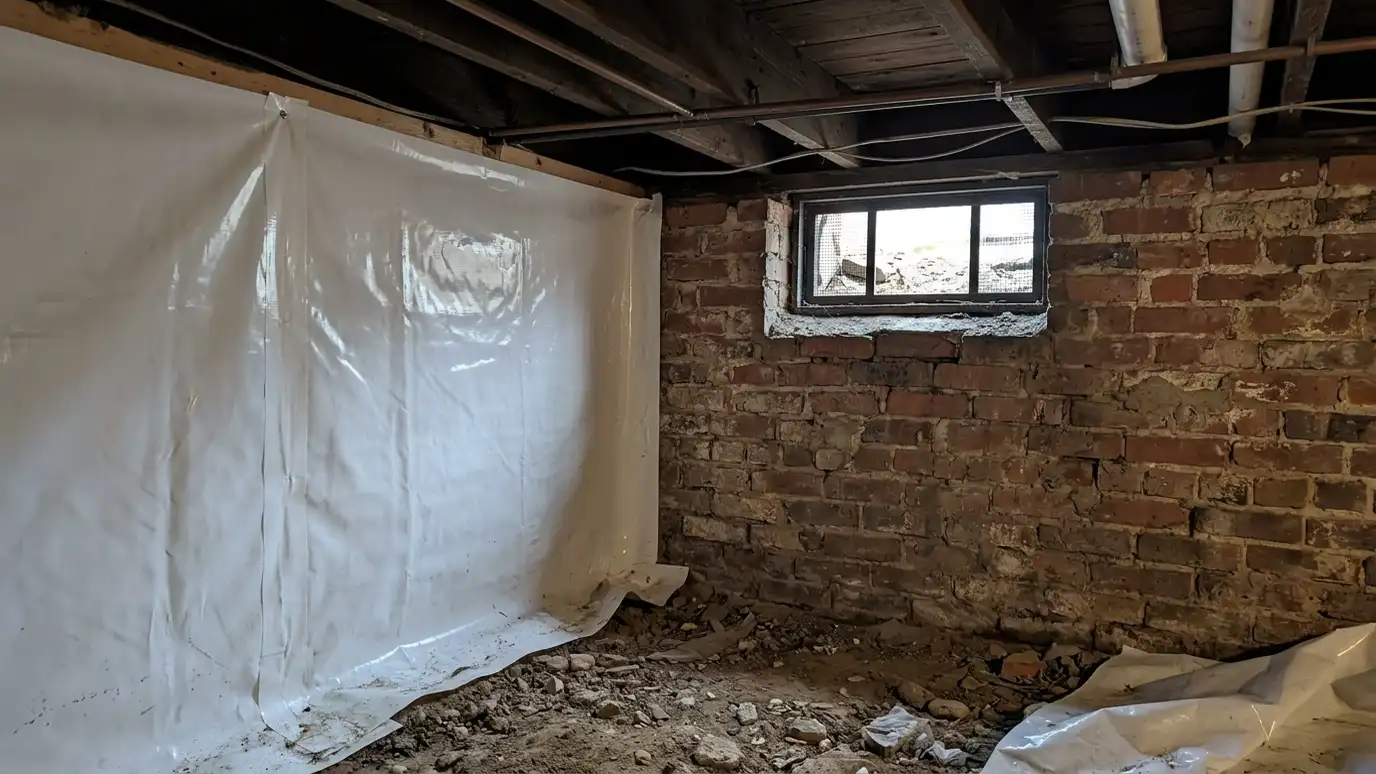 Comparison guideEncapsulation vs VentsHow a sealed, controlled crawl space differs from a vented one in moisture, air movement, insulation and upkeep.Learn more
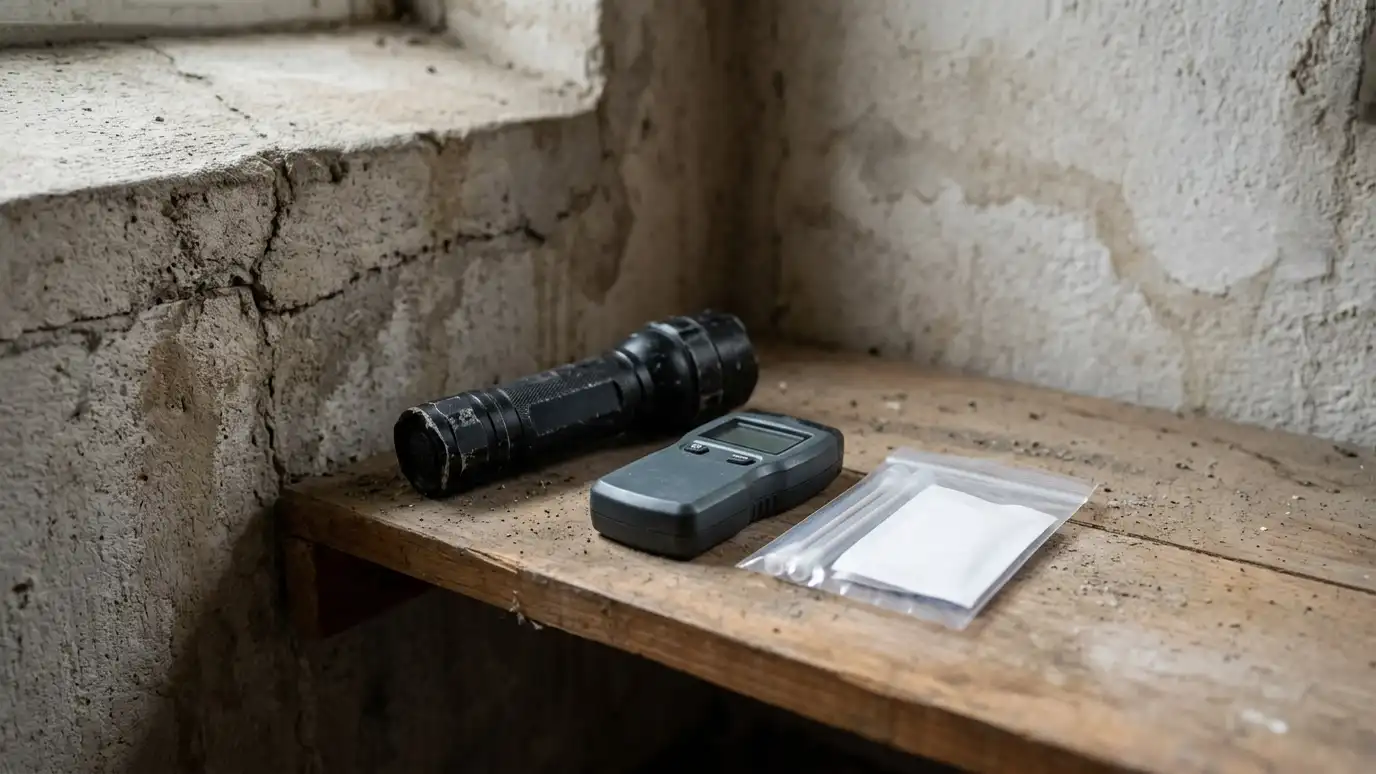 Comparison guideMold and MoistureHow mold grows in damp basements, why moisture control matters most and what cleanup looks like.Learn more
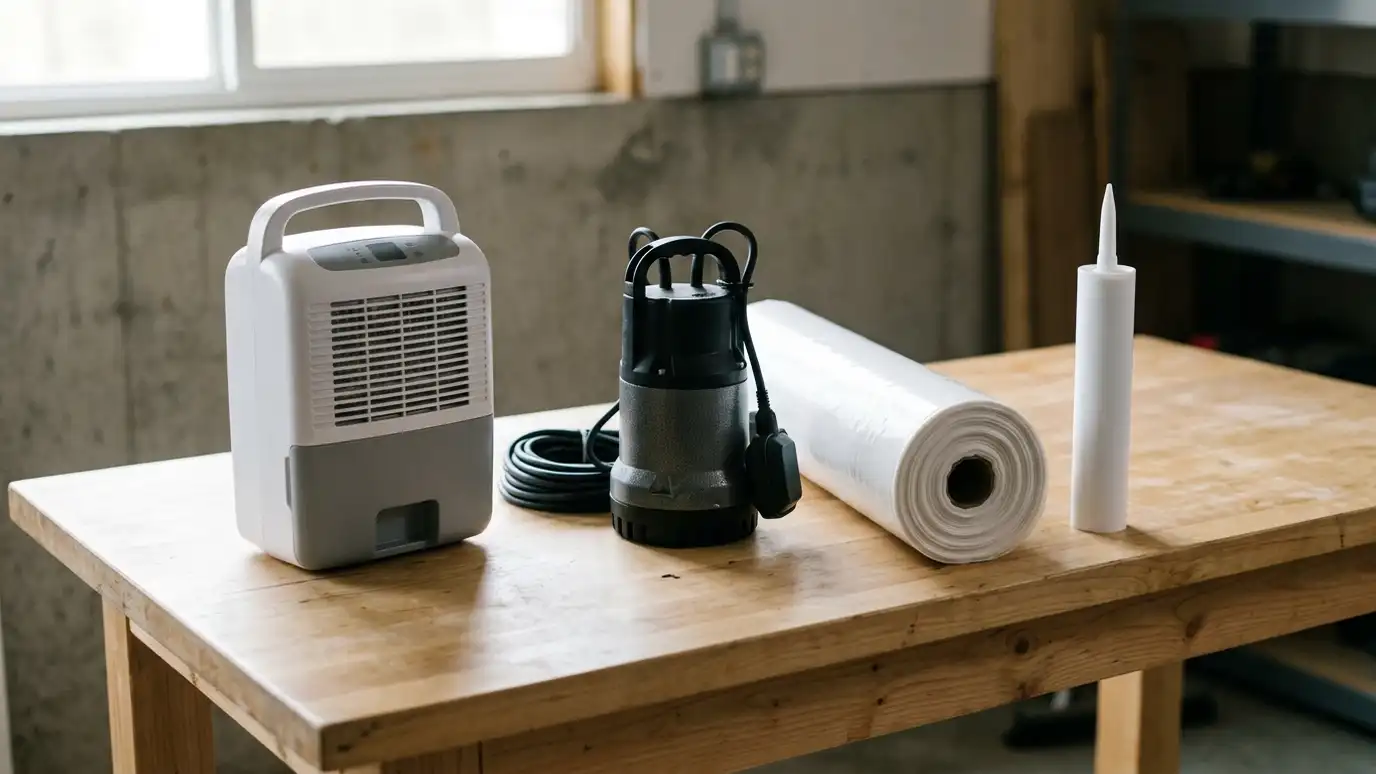 ResourceStegoA maker of vapor barriers and wraps for slabs, crawl spaces and below-grade walls.Learn more
Answer a few questions about where and when water shows up to see which solutions usually fit, from gutters and drains to crawl space work.
You tell us what you have seen, where and when, and we set a visit that fits your day.
We walk the outside and inside with a moisture meter, take photos, measure slopes and call for utility marking.
You review the cause, the options and a plain written scope with every line and the schedule before anything is ordered.
We handle permits, protect your property and prepare the work area, from the floor edge to the trench.
We install drains, pumps, liners or repairs, restore floors and lawns and test every system with water.
We walk the job with you, share a care guide and schedule a first checkup.
In sealed spaces it goes on the walls. In vented spaces it goes in the floor.
Old, damp or fallen insulation under the floor is a common cause.
Some foam types need a thermal barrier. We explain the requirements.
Not by itself. Moisture control and sealing come first.
Some owners do. We can advise or install.
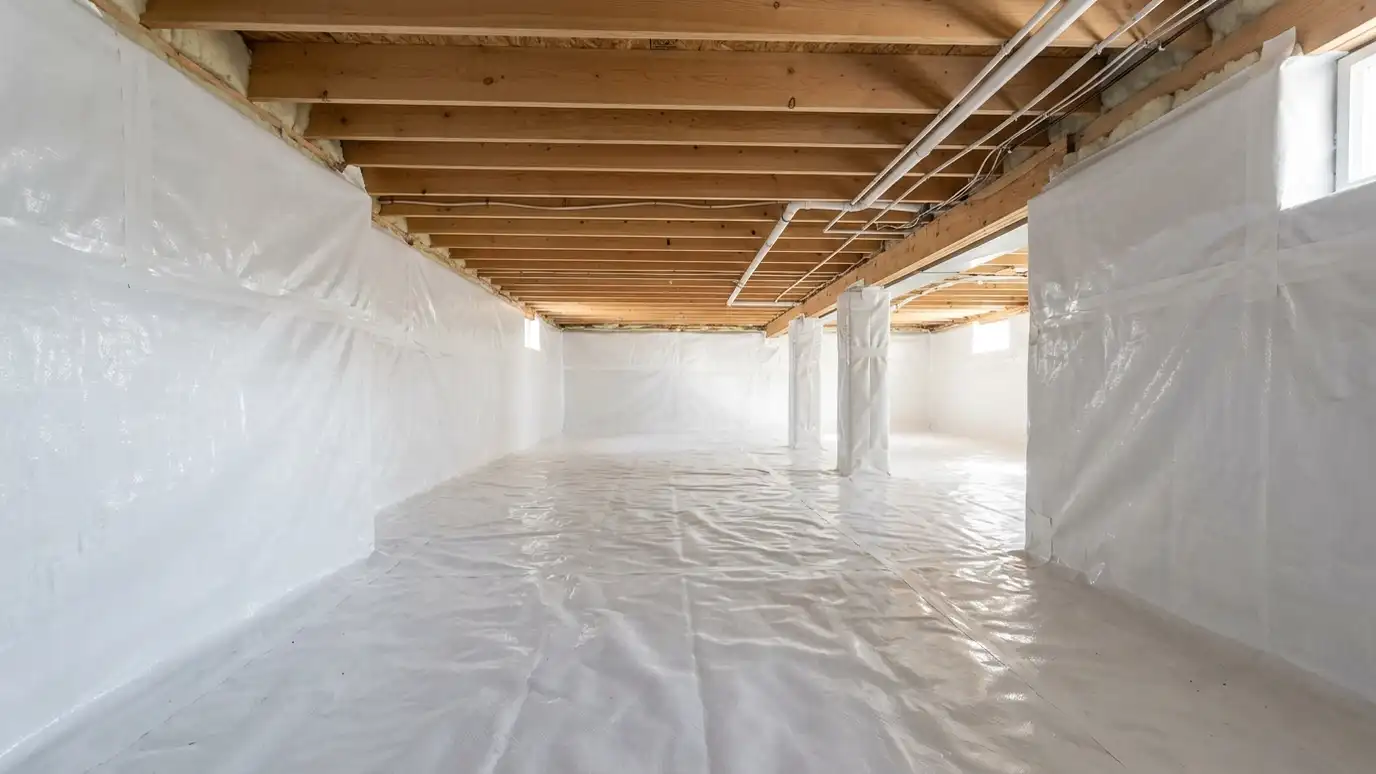 Crawl Space EncapsulationCrawl space encapsulation that seals the floor, walls and vents with a heavy liner and controls humidity, so…Explore
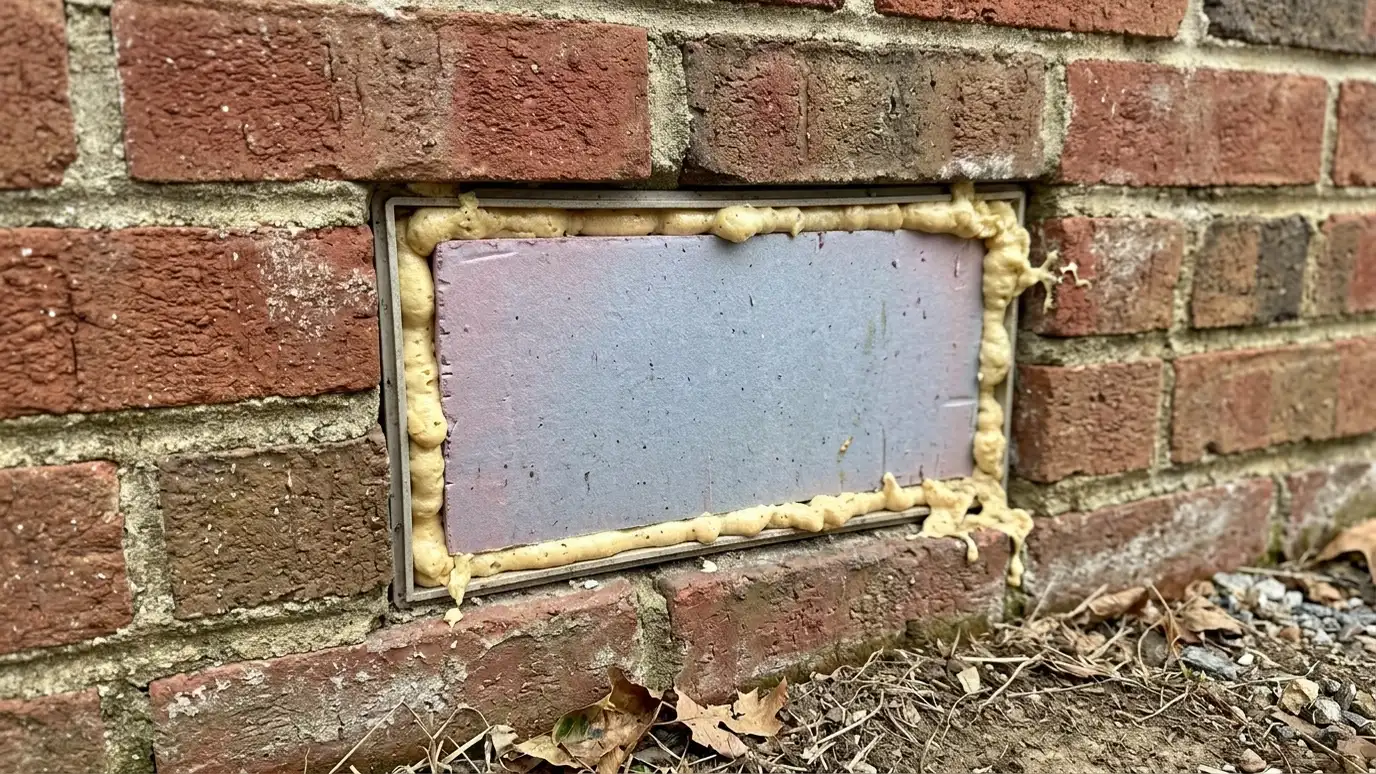 Crawl Space Vent Sealing and ClosingCrawl space vent sealing and closing with rigid foam, vent covers or framed infill, done as part of…Explore
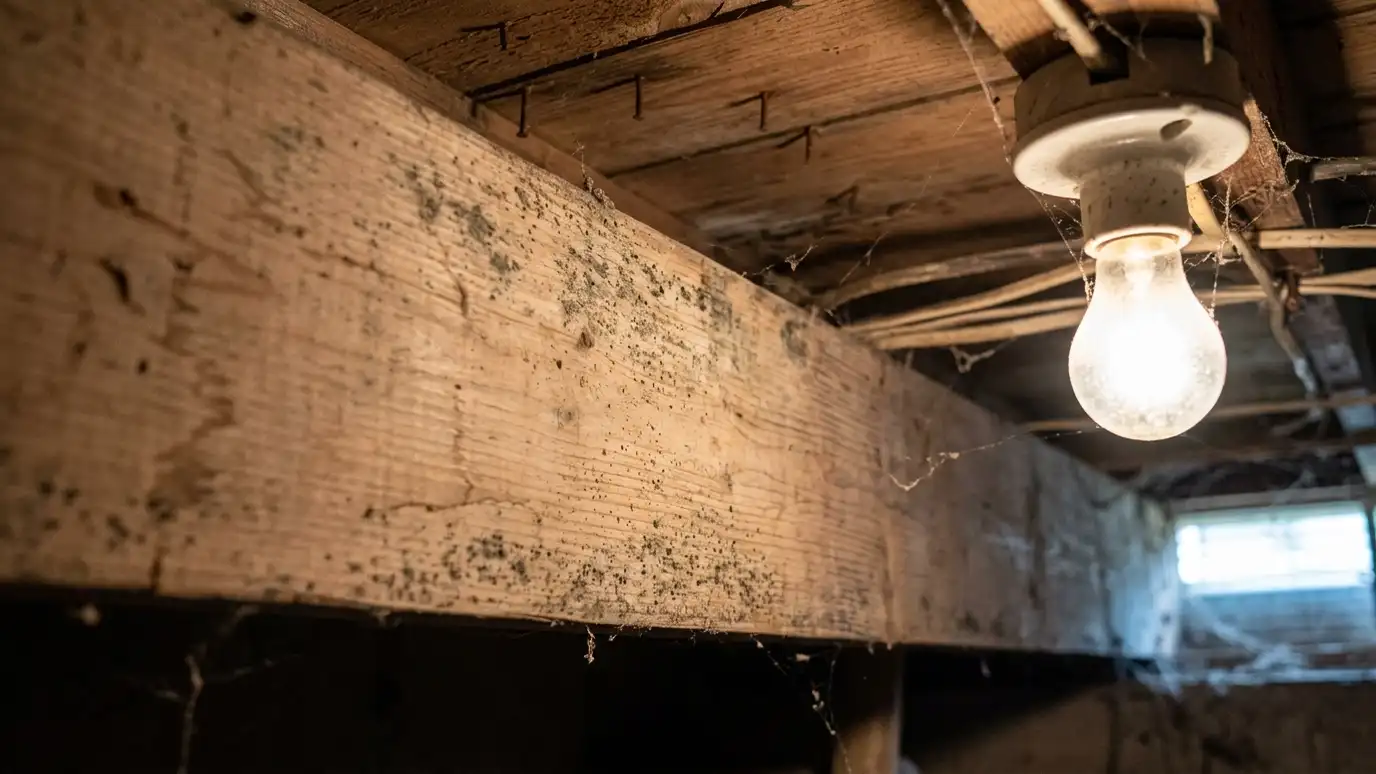 Crawl Space Mold and Moisture CleanupCrawl space mold and moisture cleanup that removes damaged material, treats surfaces and fixes the moisture source so…Explore
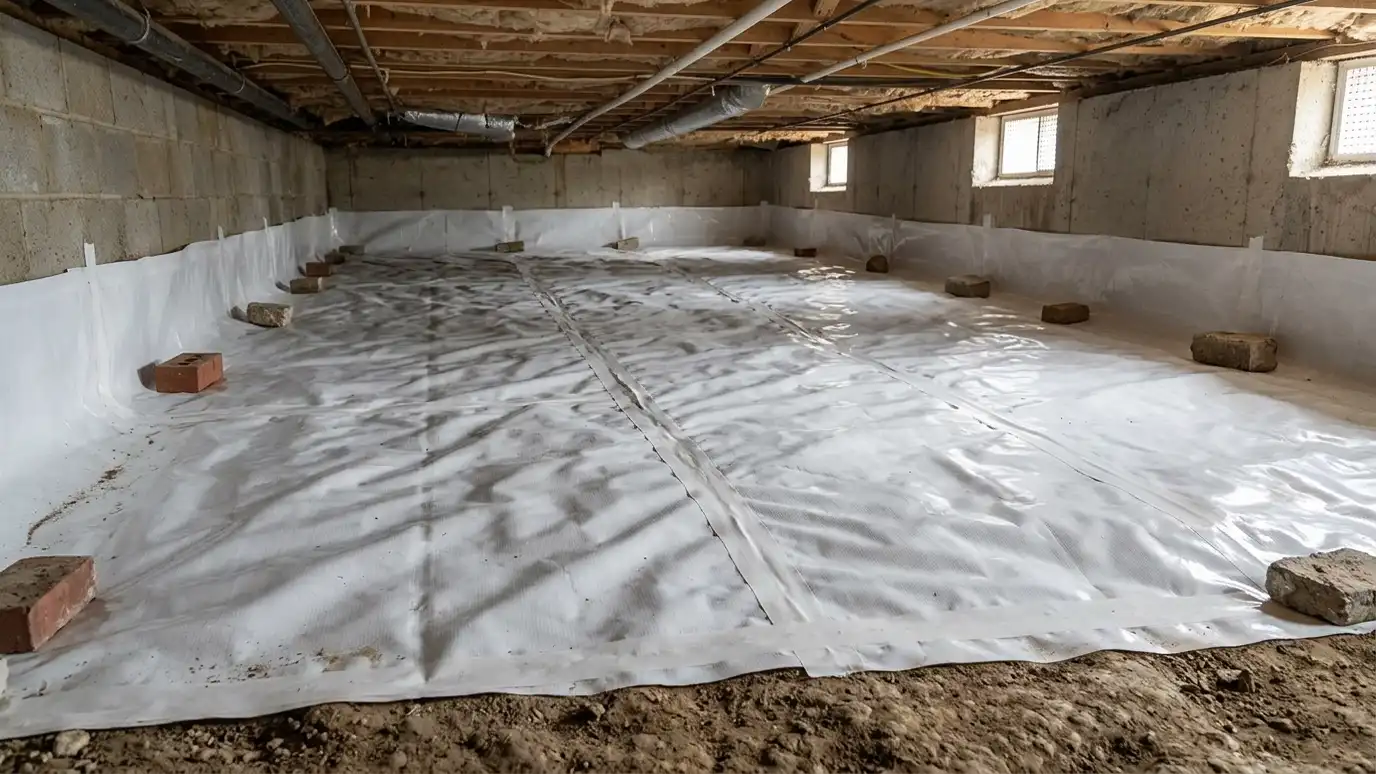 Crawl Space Vapor Barrier InstallationCrawl space vapor barrier installation with heavy poly sheeting that covers the dirt floor, overlaps and tapes at…Explore
Tell us about your property and we will call you back to set up a visit.
Or call (615) 357-7797 to talk now.