Indoor air quality and ventilation upgrades for basements and crawl space homes, including fresh air supply, exhaust fans, filtration and sealing against soil gas.
The air in a house is partly the air of the basement or crawl space, because warm air rises and pulls air up from below. A damp, dusty or musty lower level can affect the whole home. Good ventilation, filtration and sealing against soil gas can make the air feel fresher and help control moisture. Nashville homes with older ductwork and leaky floors often move basement air upstairs without anyone noticing, so we look at the system as a whole.
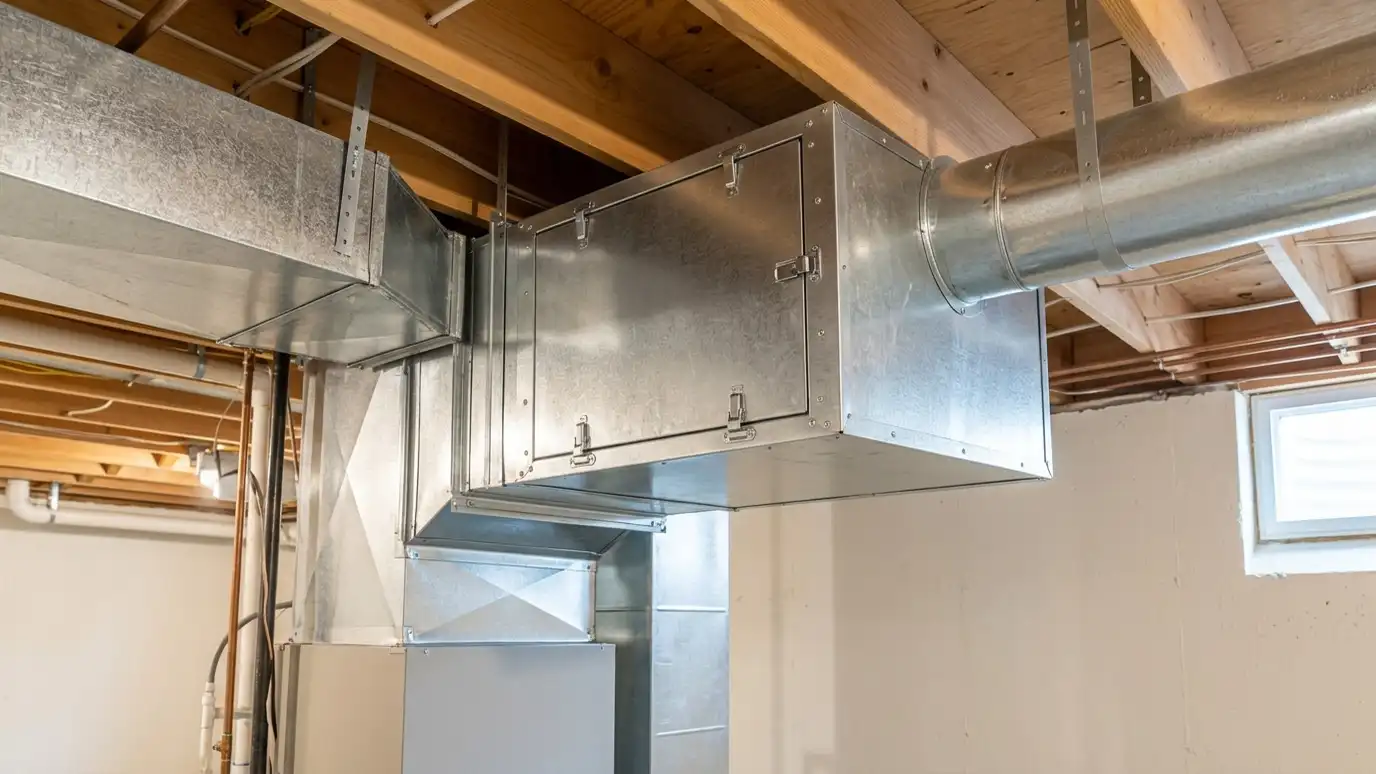
We review how air moves through the house, checking exhaust fans, dryer vents, bath fans, ductwork and air leaks between floors. We discuss options such as a basement exhaust fan, a fresh air supply, a whole-house filter, a dehumidifier and sealing around sump lids, floor cracks and utility penetrations. We coordinate with HVAC professionals when ducts or equipment are involved. We do not make health claims and encourage you to read EPA indoor air guidance. A simple plan with moisture control, sealed gaps and steady airflow is often more useful than a pile of gadgets.
Basement and crawl space air moves upstairs through gaps and ducts.
Drier air is easier to keep fresh.
Sealing soil gas paths goes together with steady ventilation.
We coordinate with HVAC professionals when ducts or equipment are involved.
We look at fans, vents, ducts and leaks.
Dry air is easier to keep fresh than damp air.
Lids, cracks and penetrations are sealed.
Fans can move stale air out and bring fresh air in.
Filters can help with dust and spores.
We work with HVAC pros on ducts and equipment.
Every topic has its own page with what to expect and how we approach it.
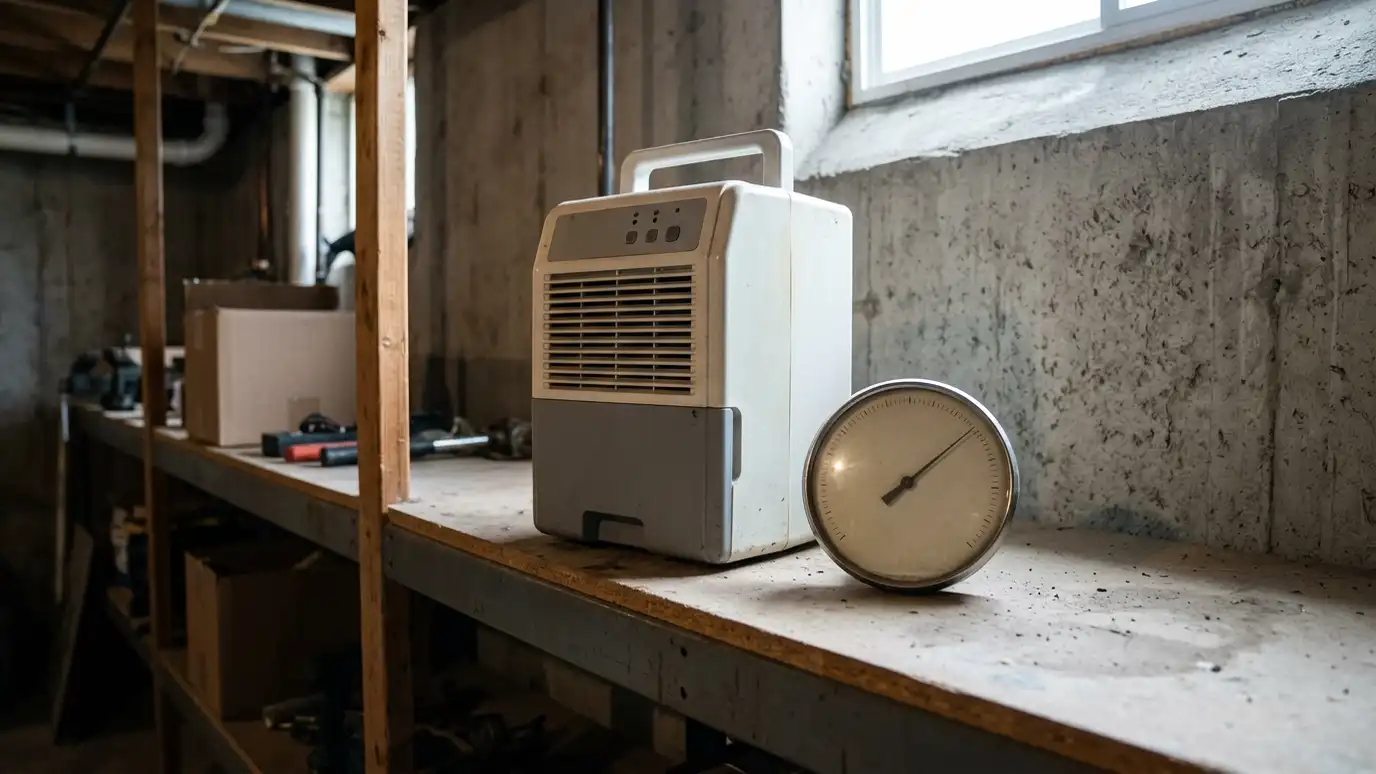 Comparison guideDehumidifier SizingHow room size, dampness and sealing decide the dehumidifier you need, and how drains, monitors and airflow help.Learn more
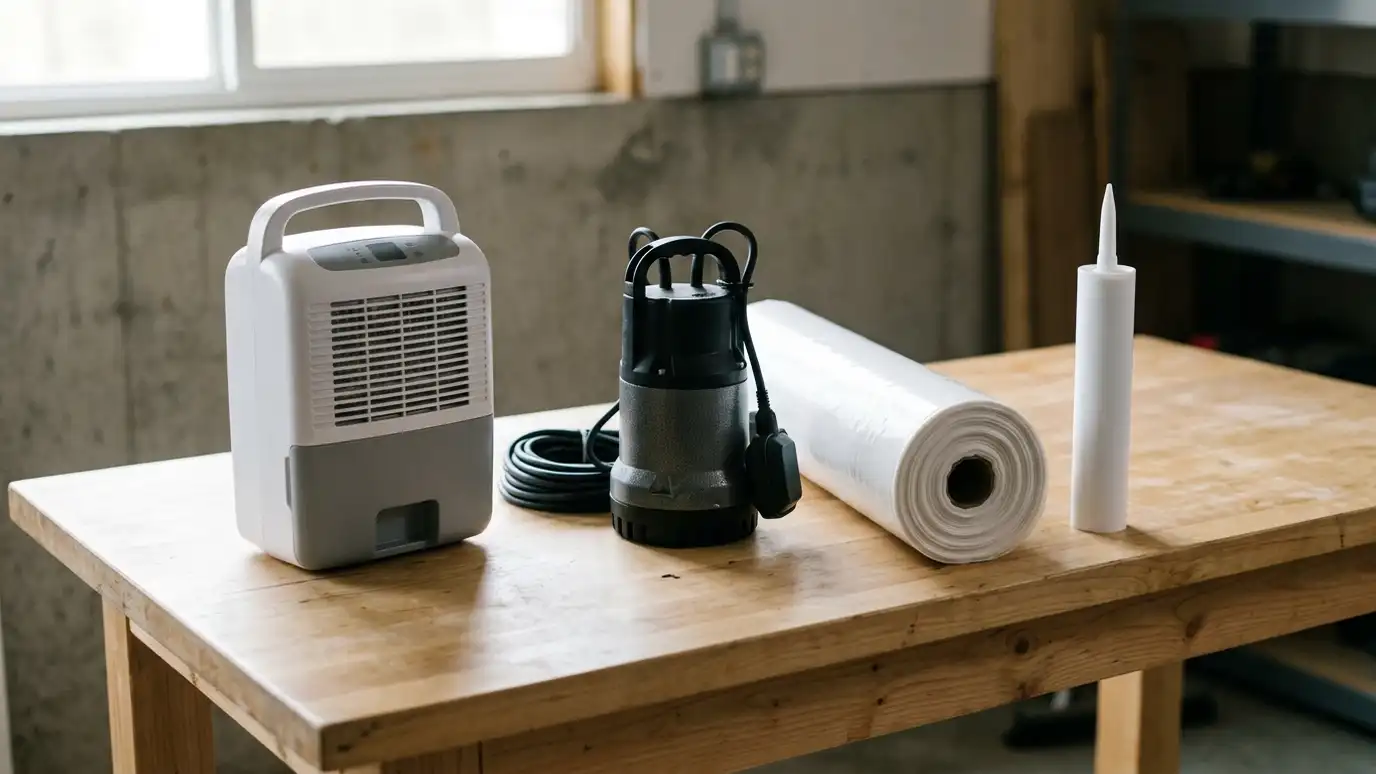 ResourceAprilaireA maker of whole-home dehumidifiers, humidifiers, air cleaners and ventilation products.Learn more
 ResourceEPAU.S. Environmental Protection Agency guidance on testing homes for radon and fixing a problem when levels are high.Learn more
Pick the area of concern, such as walls, floor, crawl space, yard or pump, to get likely causes, what to try first and the service page that fits.
You tell us what you have seen, where and when, and we set a visit that fits your day.
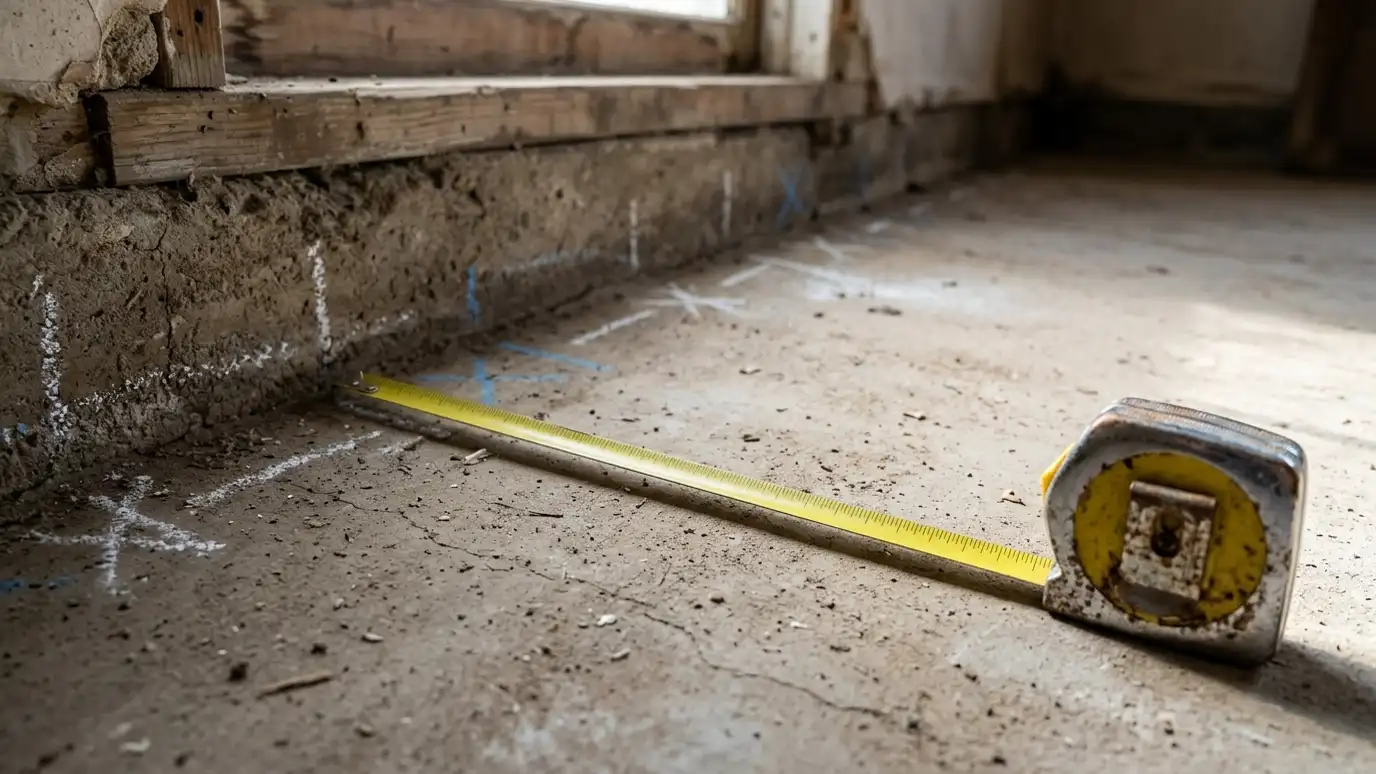
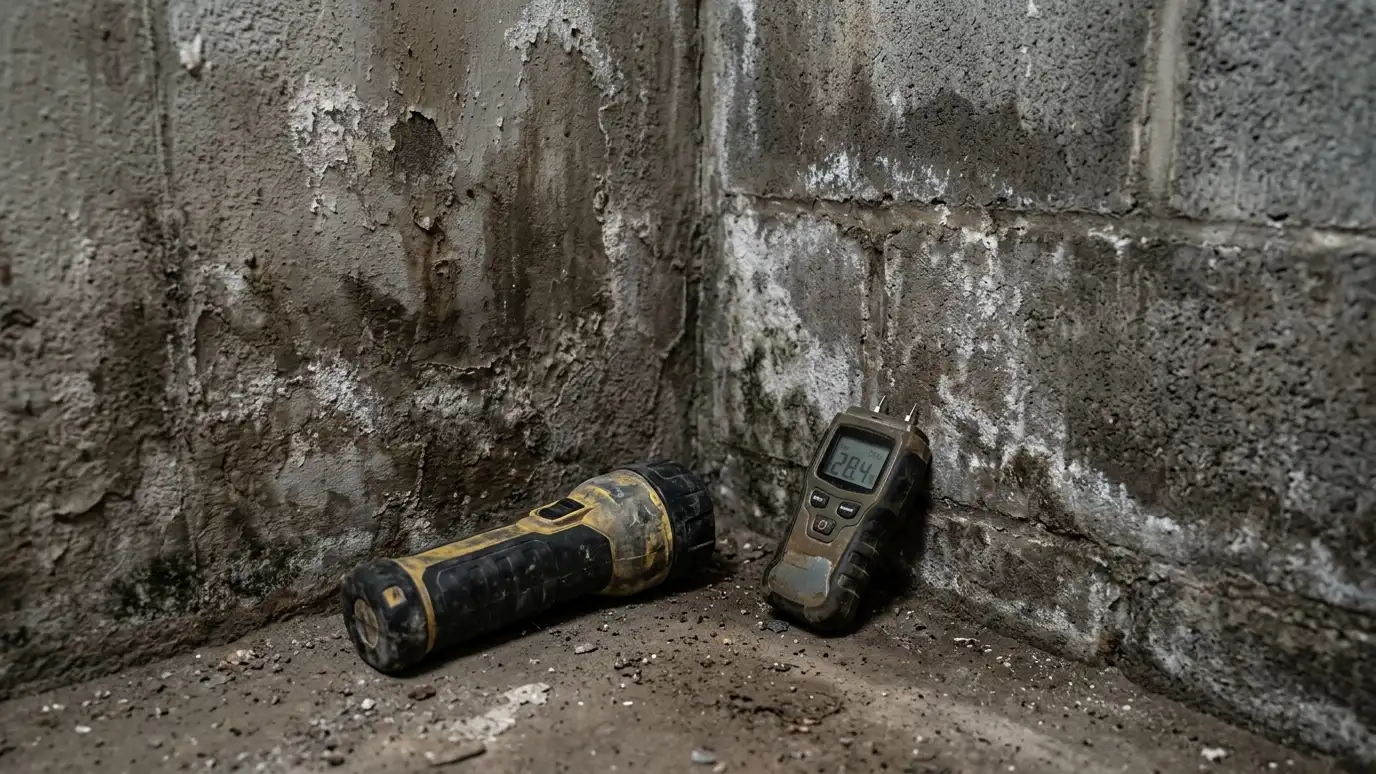
We walk the outside and inside with a moisture meter, take photos, measure slopes and call for utility marking.
You review the cause, the options and a plain written scope with every line and the schedule before anything is ordered.
We handle permits, protect your property and prepare the work area, from the floor edge to the trench.
We install drains, pumps, liners or repairs, restore floors and lawns and test every system with water.
We walk the job with you, share a care guide and schedule a first checkup.
Yes. Warm air rises and pulls air up from below.
Maybe. Moisture control and sealing often come first.
Yes, and we coordinate with an electrician or HVAC pro when needed.
No. We do not make health claims. EPA guidance explains more.
Sealing should go with ventilation and humidity control.
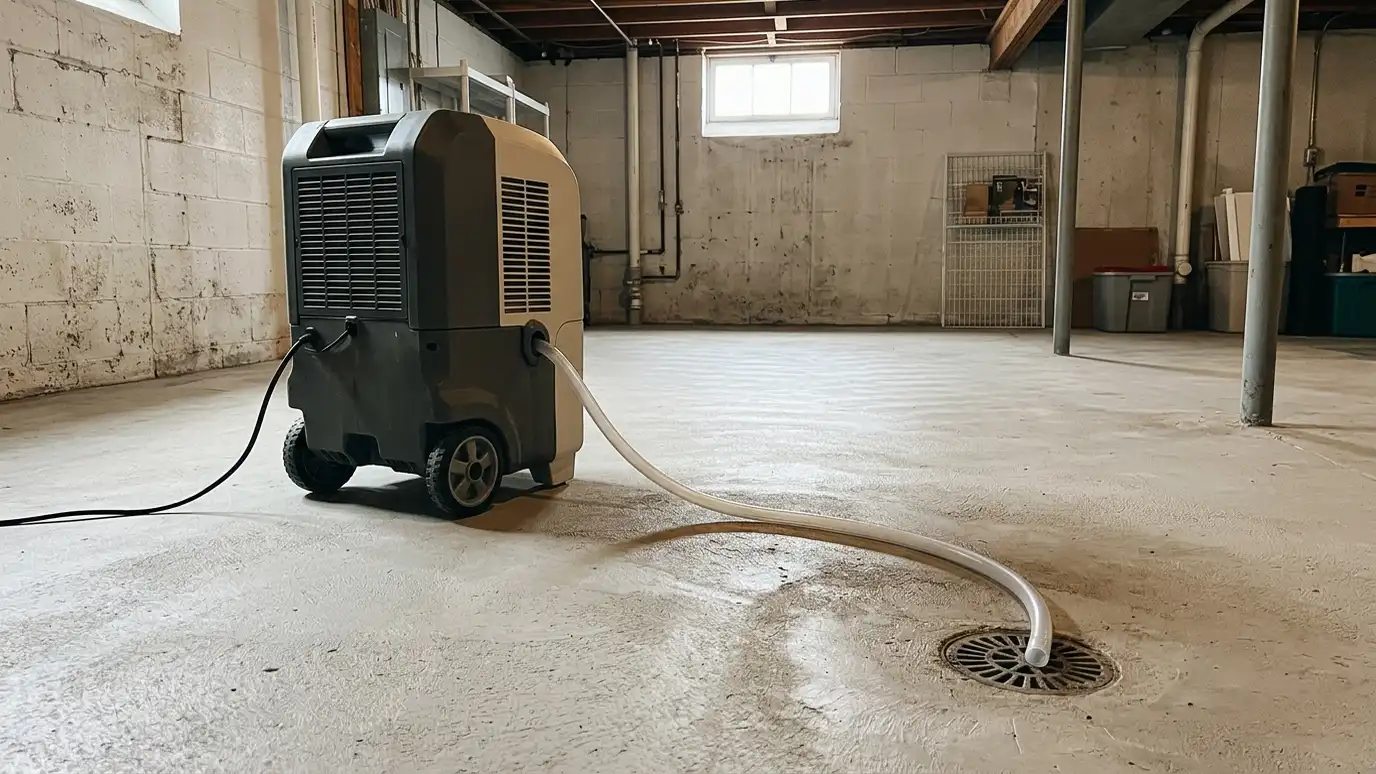 Basement Dehumidifiers and Humidity ControlBasement dehumidifiers and humidity control with the right size, a drain line and a humidity monitor, so damp…Explore
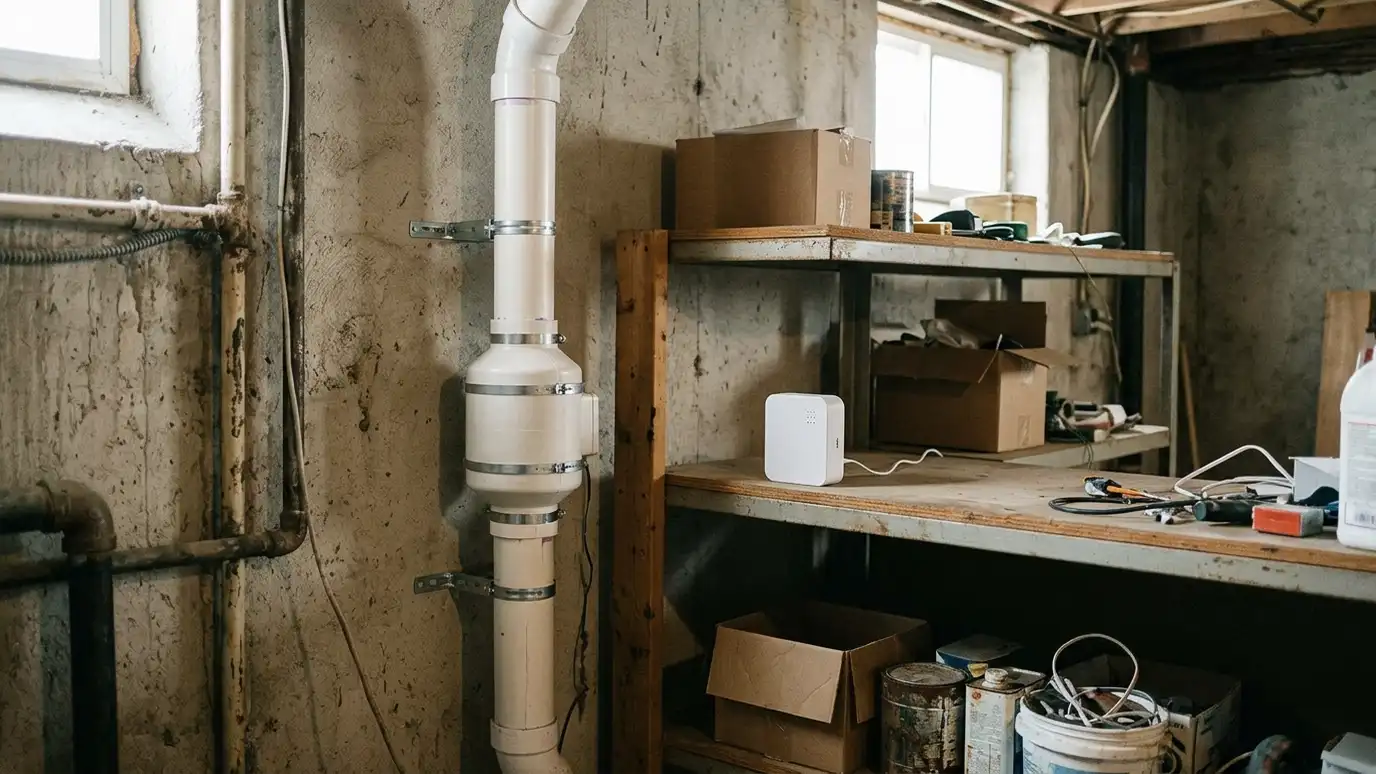 Radon Testing and Mitigation CoordinationRadon testing and mitigation coordination that explains short and long tests, helps you place them and coordinates qualified…Explore
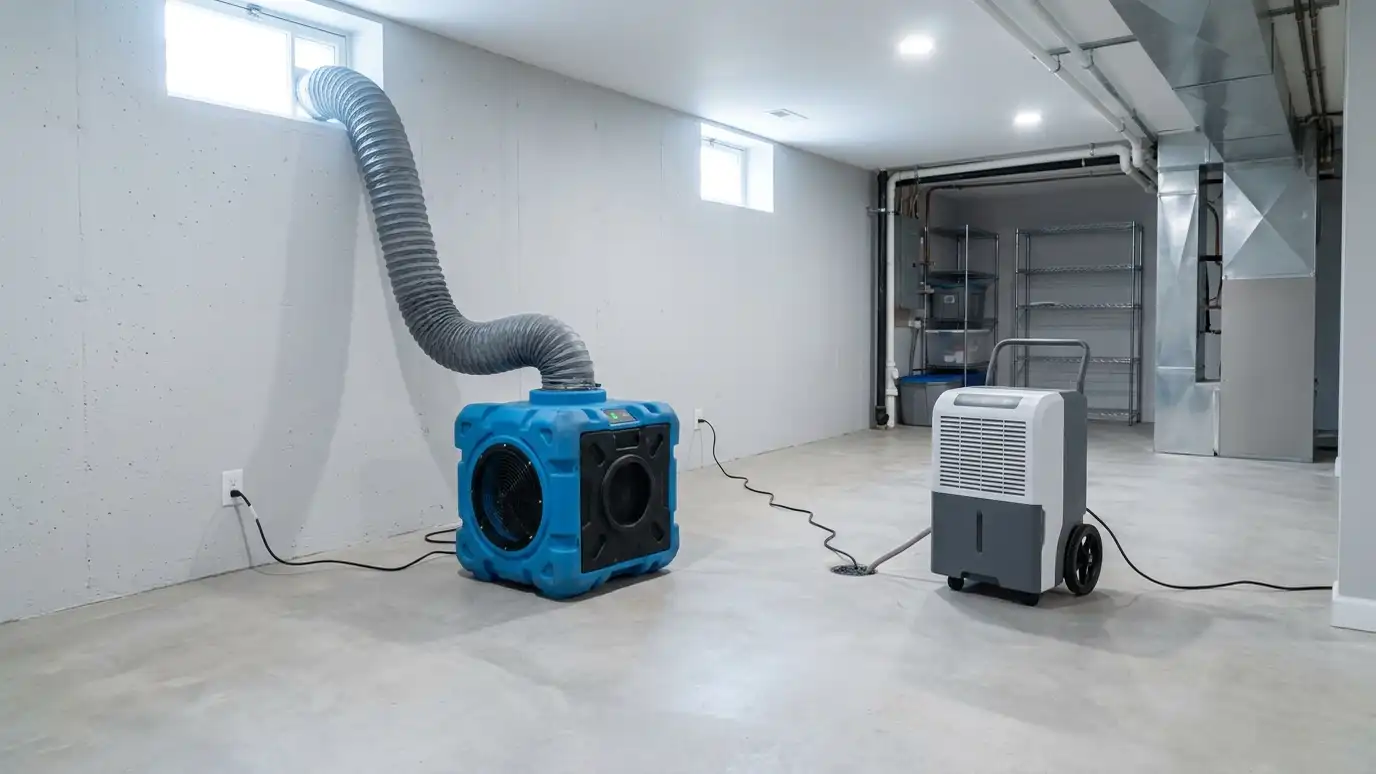 Musty Odor RemovalMusty odor removal that traces smells to damp materials, hidden moisture or stale air, then fixes the cause…Explore
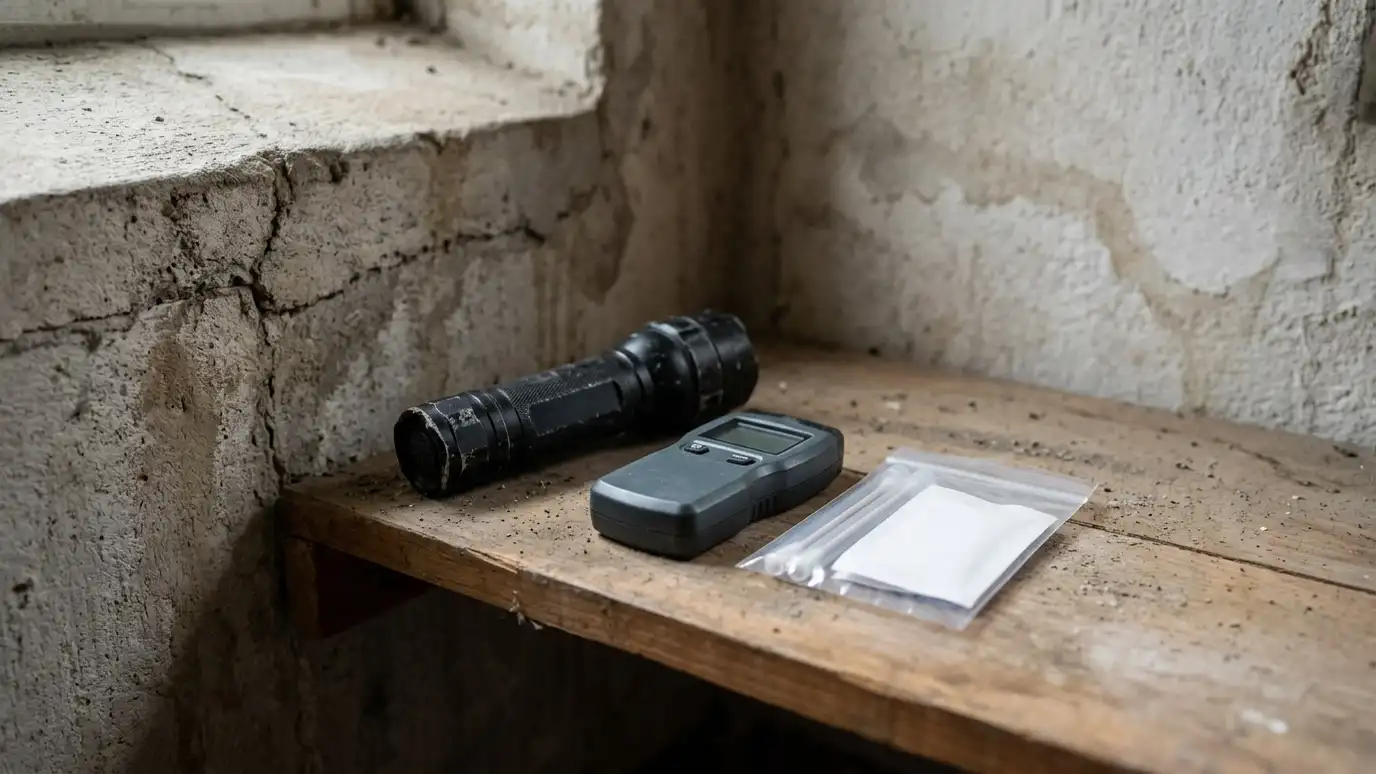 Mold Inspection and TestingMold inspection and testing that finds visible growth and hidden moisture, with photos, moisture readings and advice on…Explore
Tell us about your property and we will call you back to set up a visit.
Or call (615) 357-7797 to talk now.