Name the problem
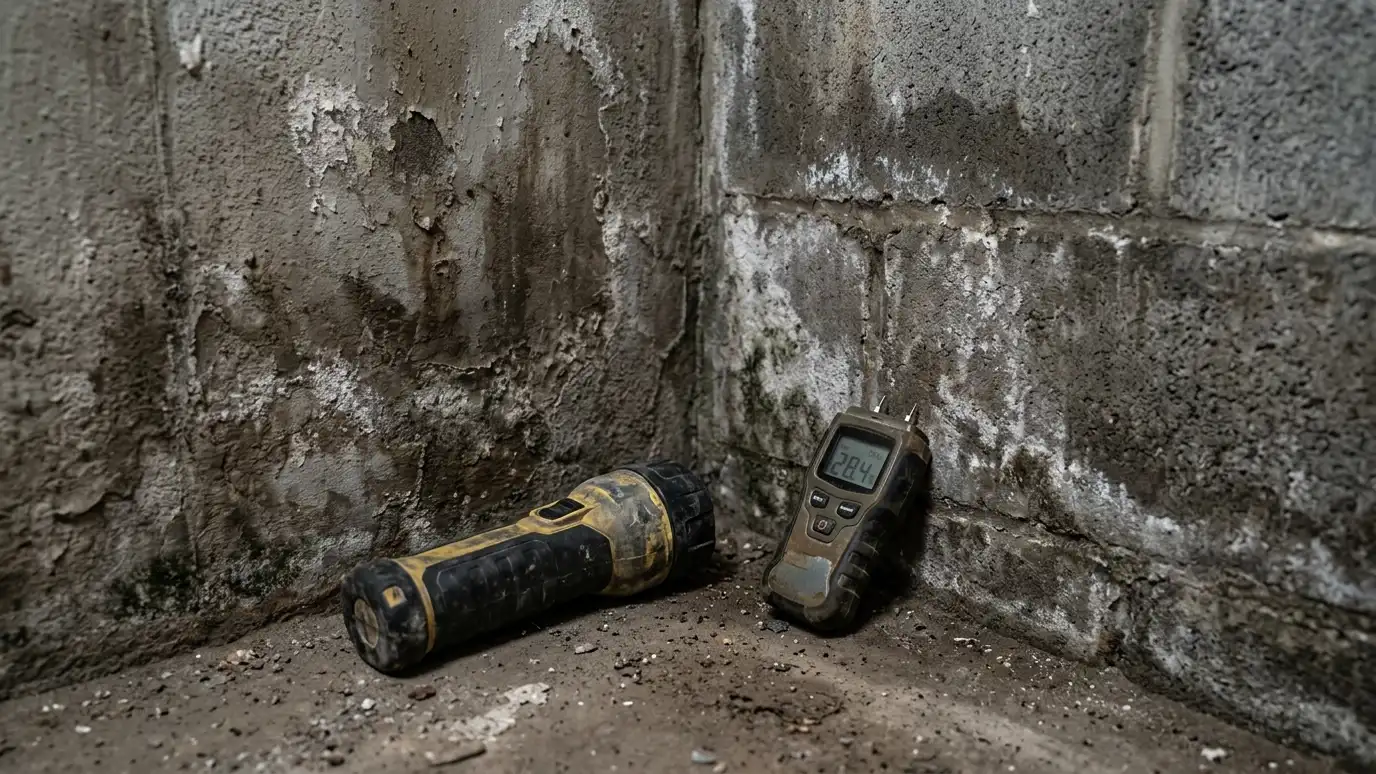
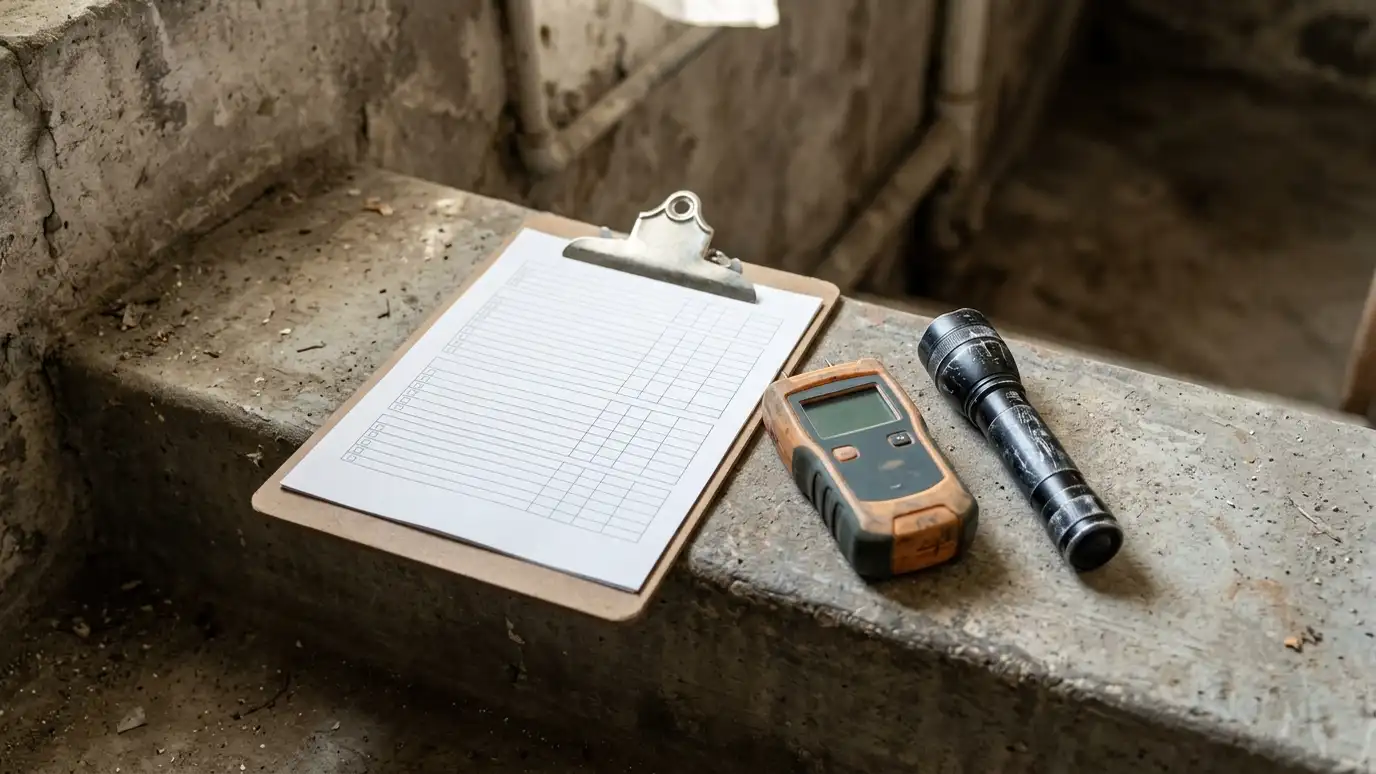
Is water coming through a wall, up at the floor joint, through a crack, from a window well or from damp air? Write down where, when and how much.
Is the problem only after heavy rain or all the time? Does it happen in one corner or all around?
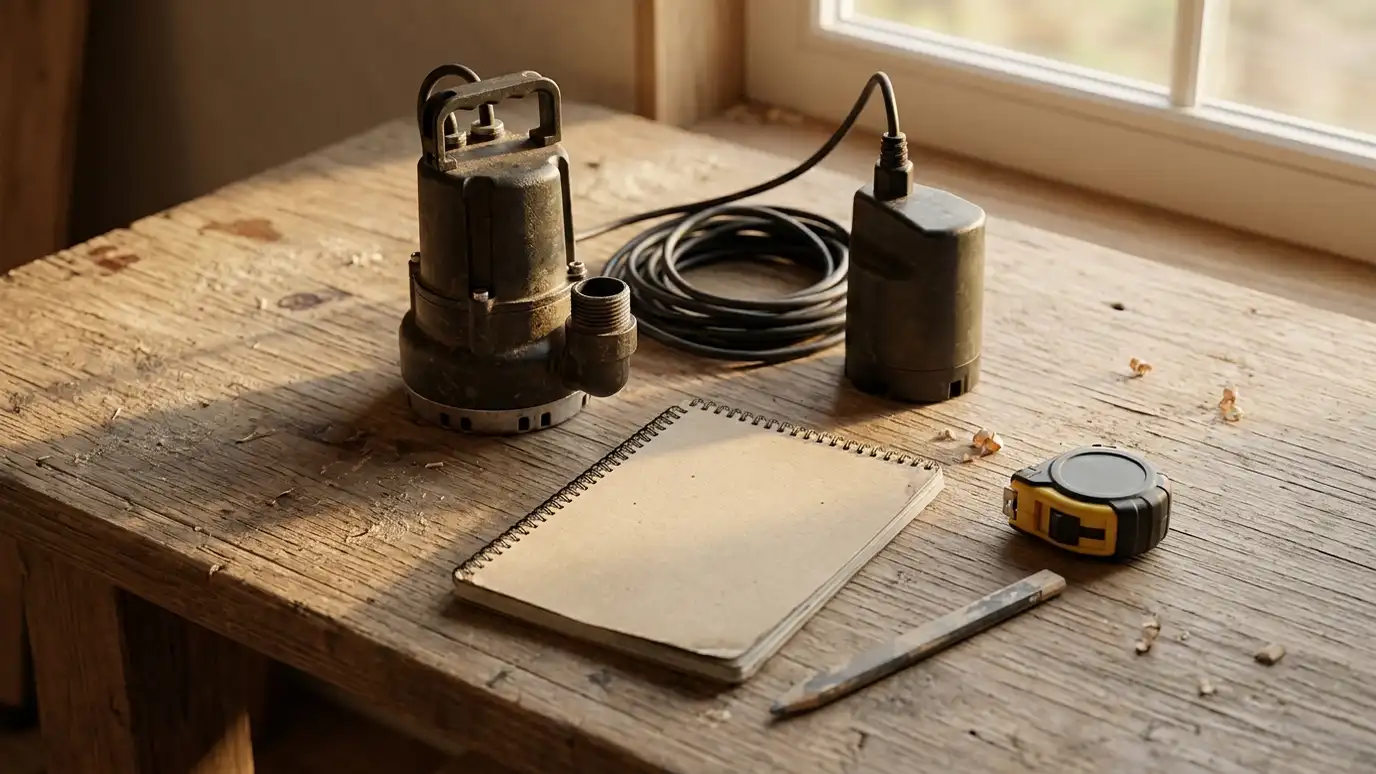
Notes and photos help us help you.
Fix the outside first
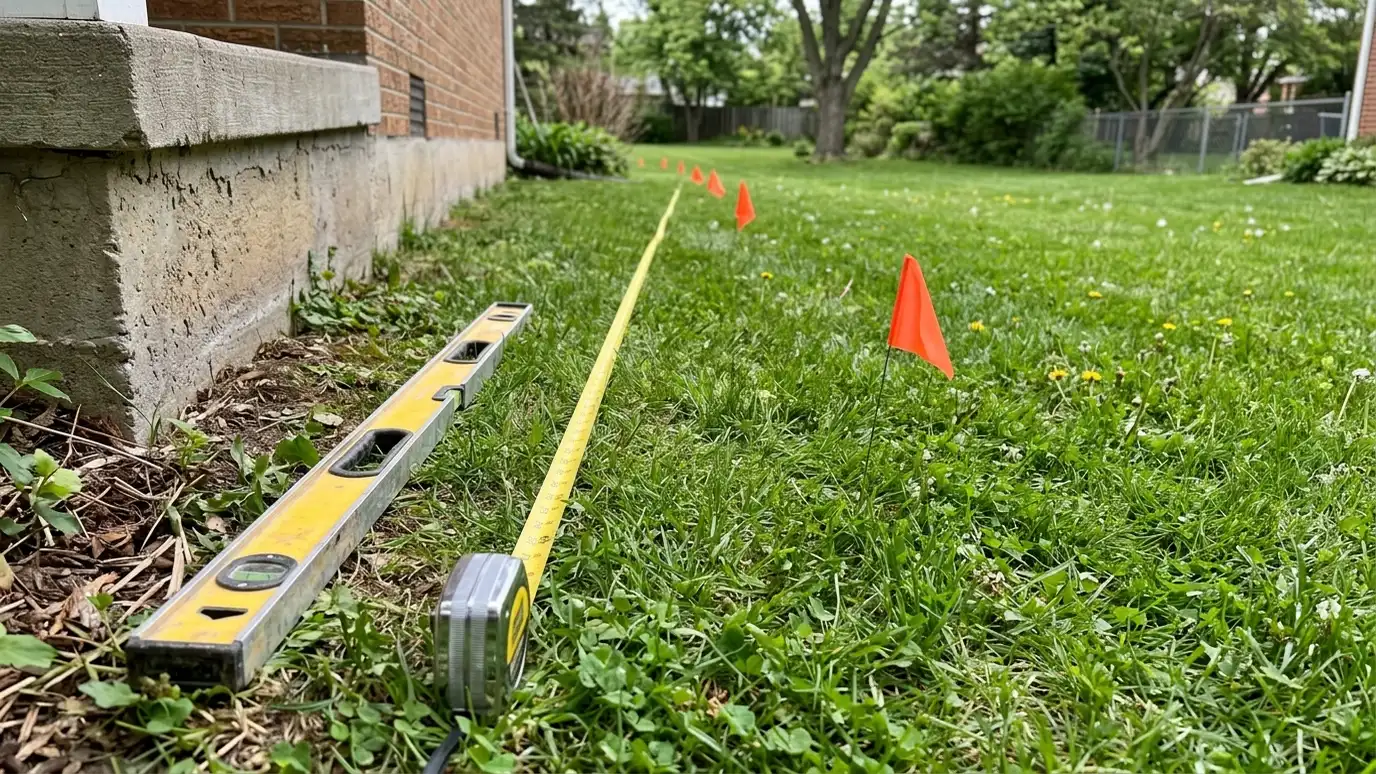
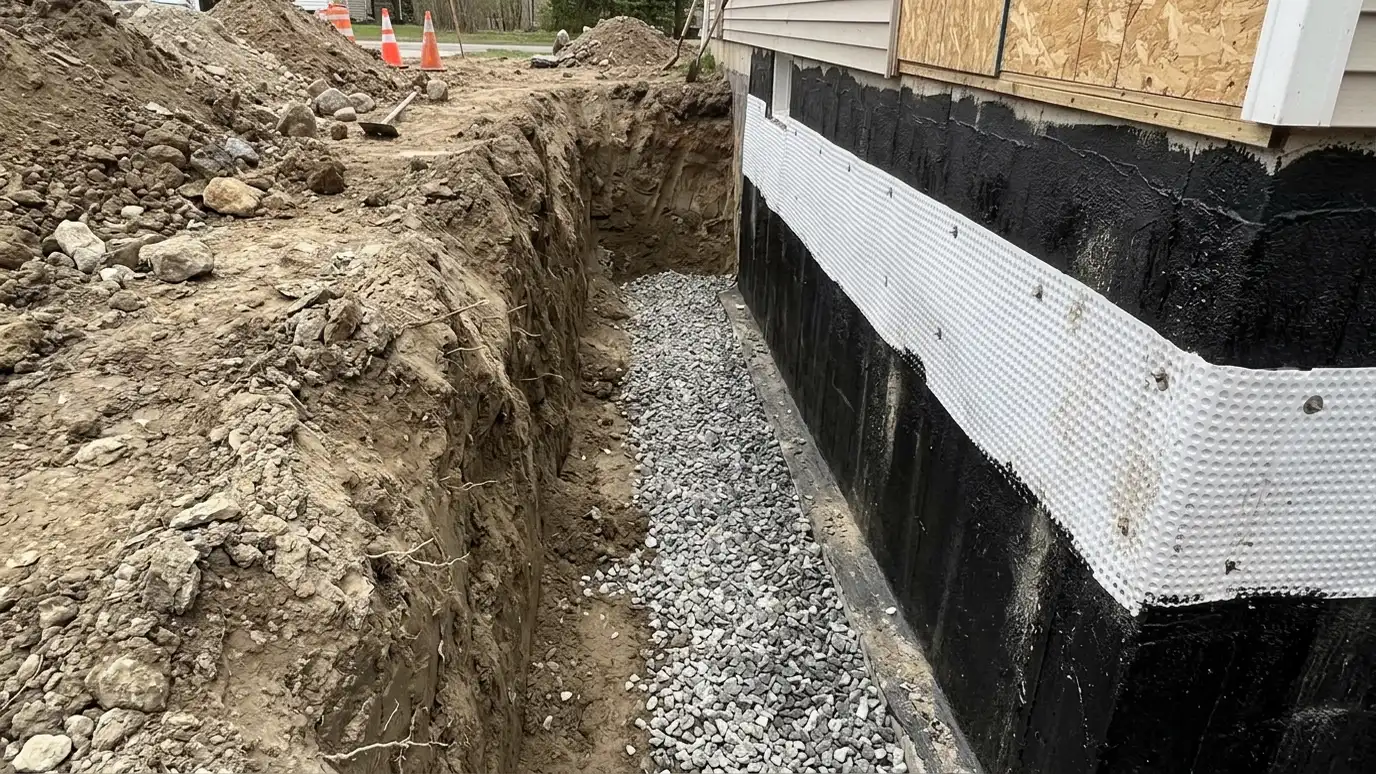
Gutters, downspouts, grading and window wells are the least expensive and often the most effective steps. They reduce the load on everything else.
Walk around your house during a rain if you can and watch where water goes.
Many Nashville homes improve a great deal after these first steps.
Match the system to the water
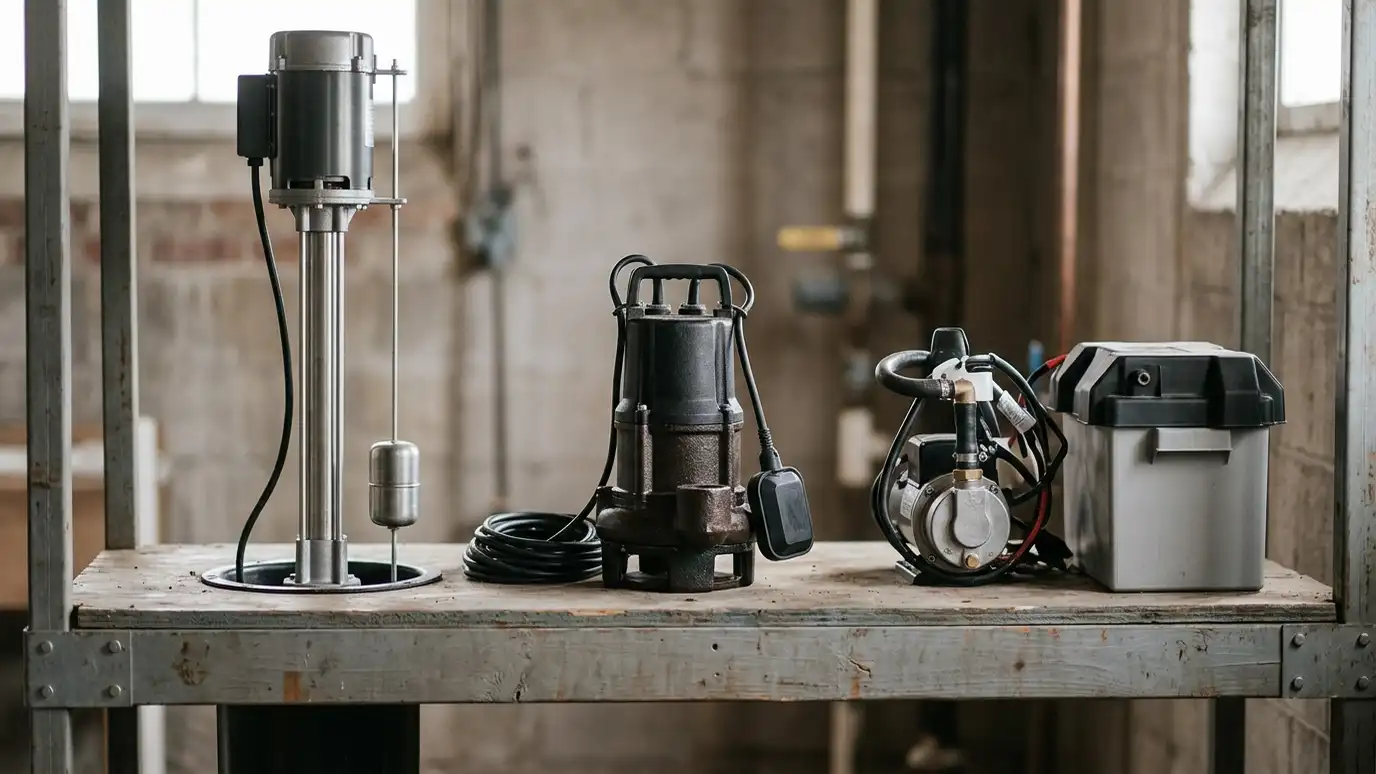
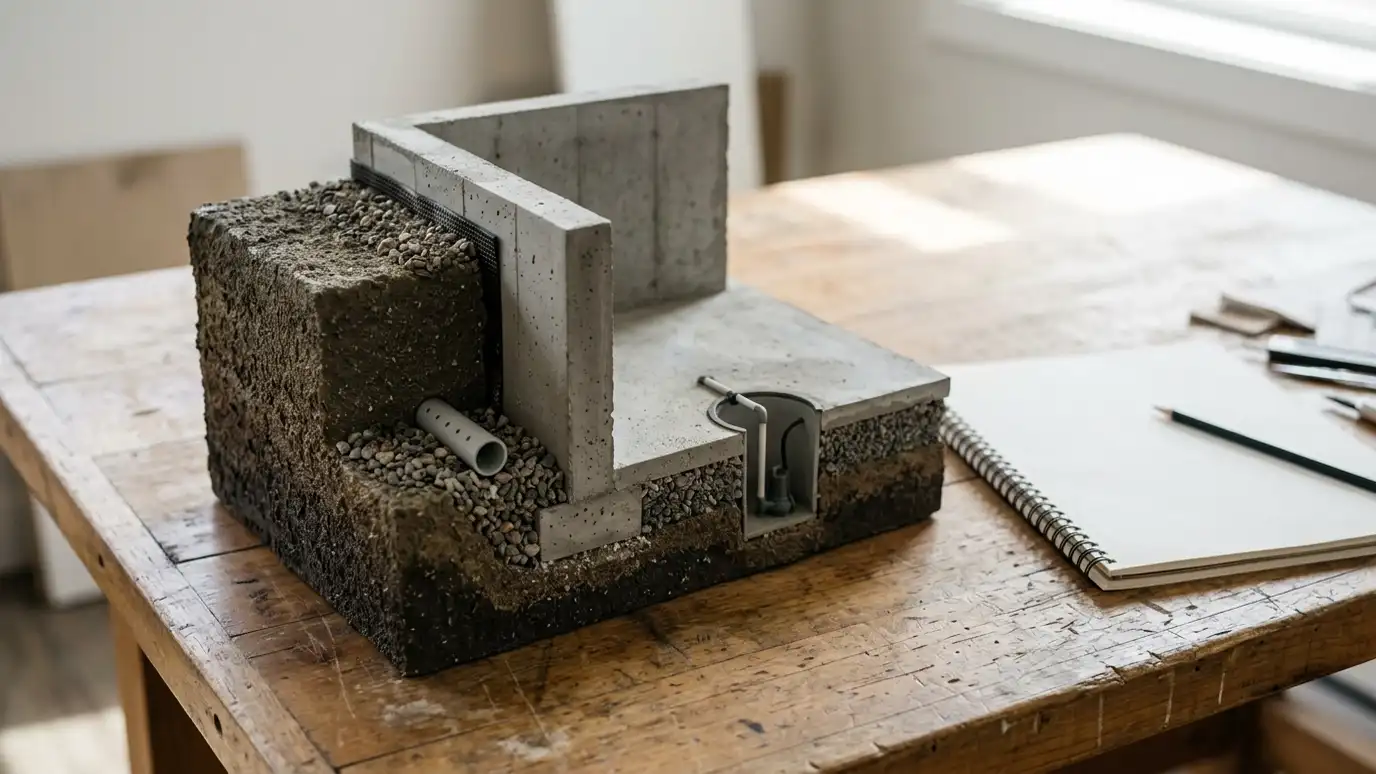
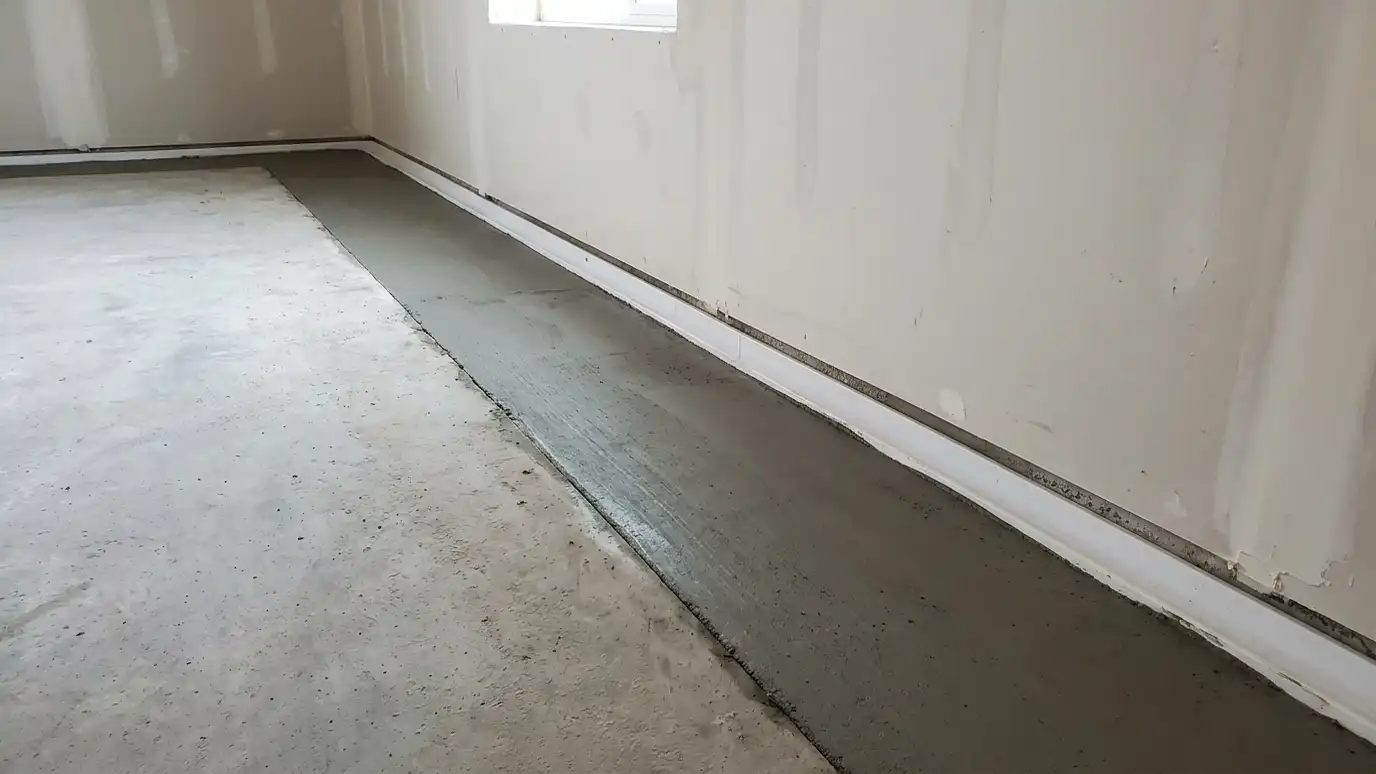
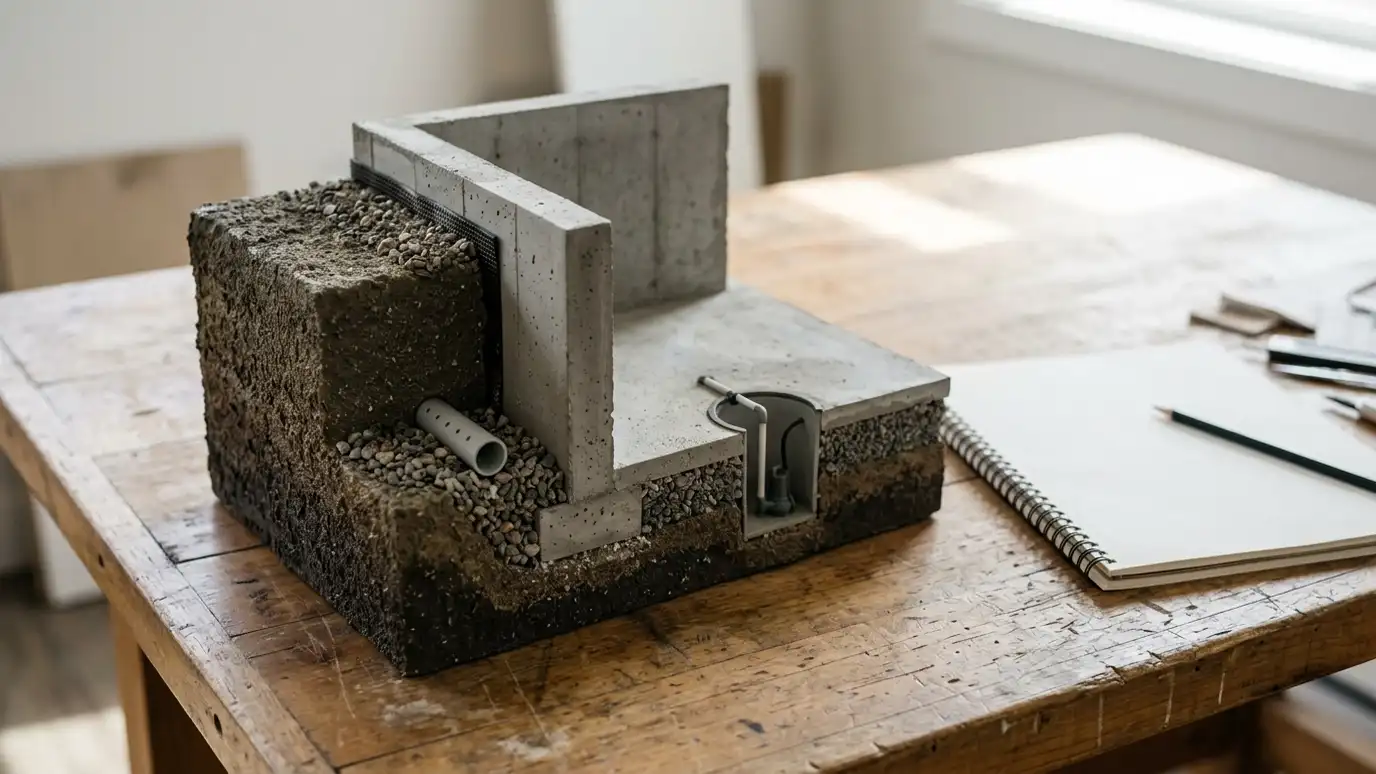
Wall seepage and floor joint leaks often respond to an interior drain and pump. A single leaking wall may justify exterior work. A sloped yard may need a curtain drain.
A crawl space with damp air needs a vapor barrier and humidity control, not only a pump.
Our solution quiz and comparison pages help you sort the options.
Cracks and structure
A crack is a symptom. Some can be injected and sealed, and some point to movement or pressure that needs stabilization.
If a wall leans, a floor slopes or cracks keep growing, ask for a structural engineer.
Do not let a quick patch hide a bigger problem.
Think about how you use the space
A storage basement and a finished family room need different levels of protection. Alarms, backups and moisture-friendly materials help in finished spaces.
If you plan to finish a basement, address water first and plan for access to pumps and drains.
Tell us how you plan to use the space and we will tailor the plan.
Plan in phases
Many projects are best done in steps. Start with outside water control, add a pump and drain where needed and finish with sealing and humidity control.
Each step should help on its own, even if later steps wait.
A written plan with priorities makes phasing easy.
Fix the outside water first, then match drains, pumps and sealing to where the water still gets in.