Water damage cleanup and drying for basements and crawl spaces that removes standing water, pulls wet materials and dries the structure before mold can settle in.
When water gets into a basement, time matters. Carpet pad, drywall and wood can hold moisture for days, and mold can start growing in a day or two in warm, humid conditions. A quick cleanup and a thorough drying plan can save a lot. After a heavy Nashville storm, many basements see an inch or two of water from a failed sump pump, a clogged drain or a window well that overflowed, and fast action makes the difference between a messy day and a major repair.
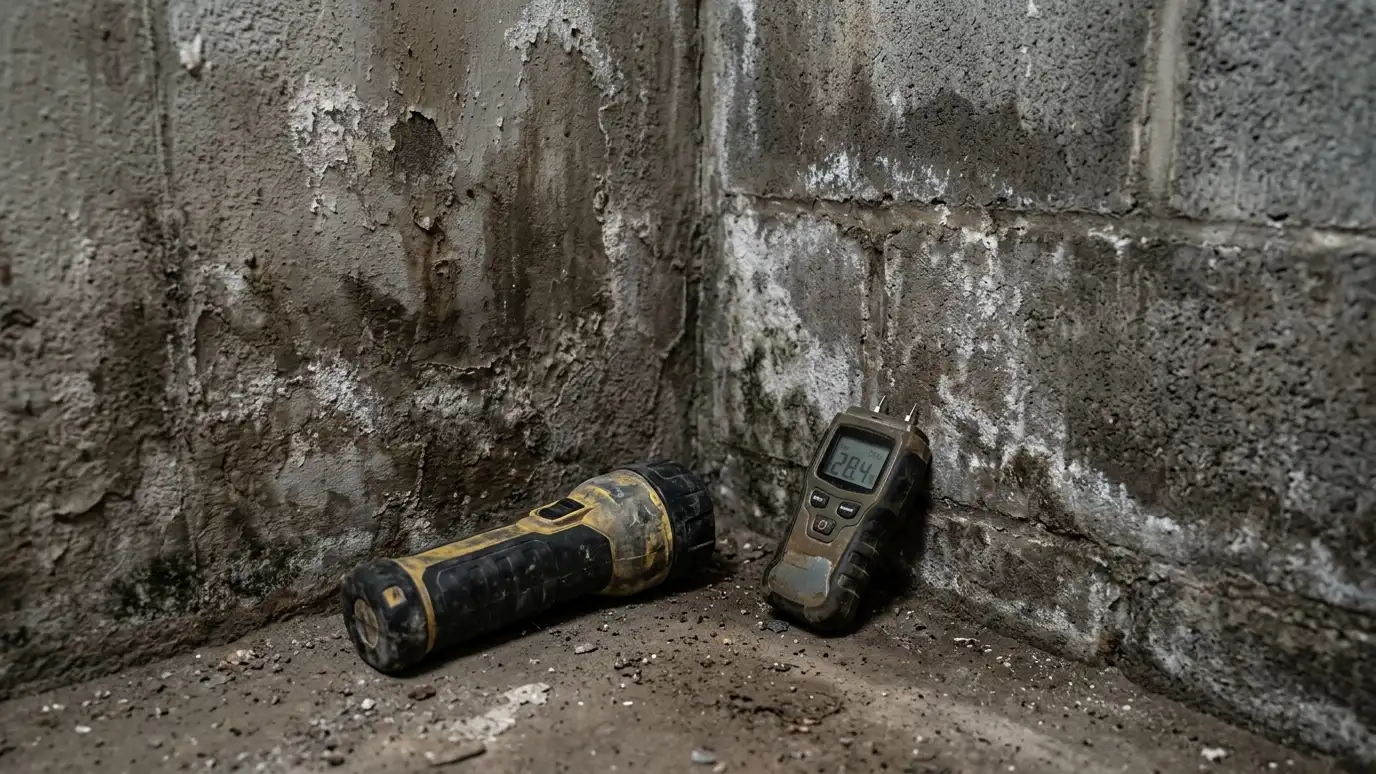
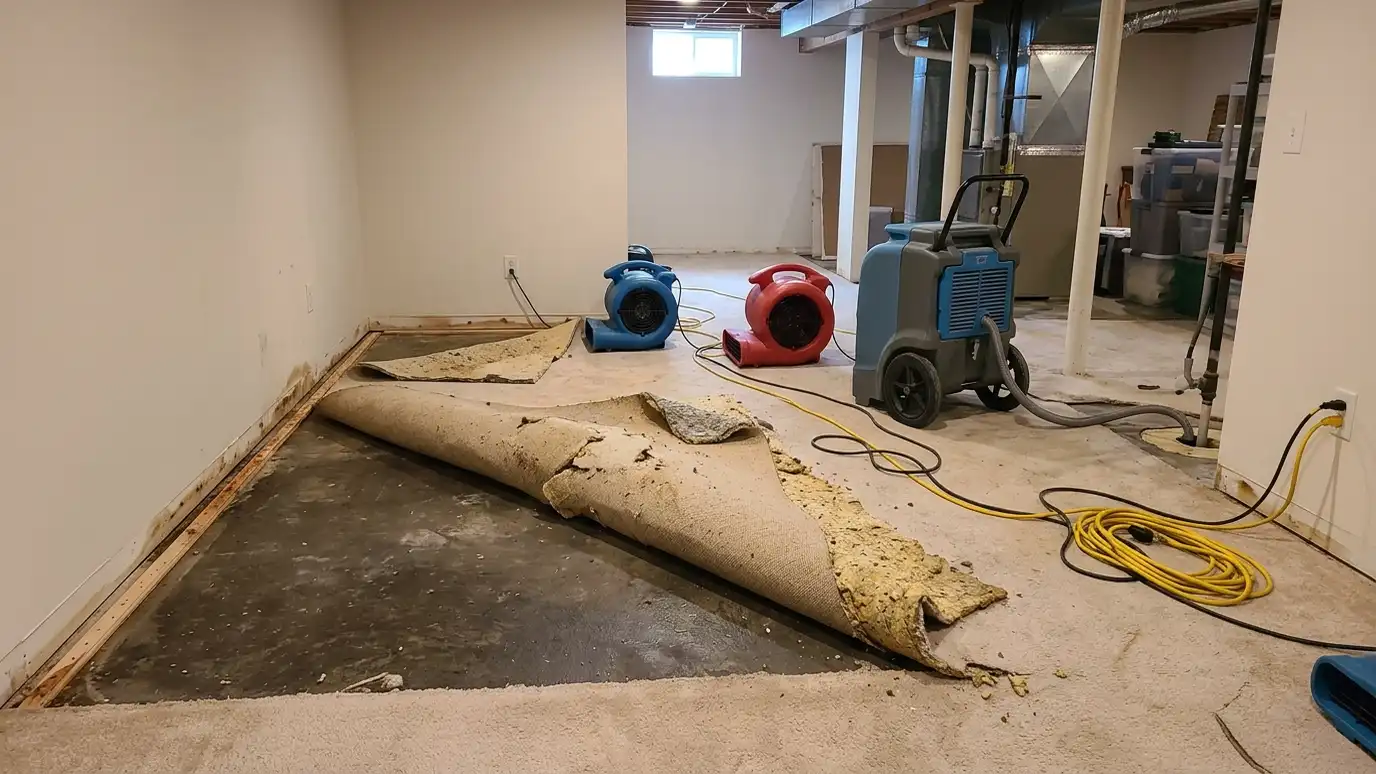
We first make the area safe, which may include shutting off power to wet areas and checking for contaminated water. We pump or vacuum standing water, remove soaked carpet and pad and take out wet drywall and insulation that cannot be saved. We set air movers and dehumidifiers and use moisture meters to track drying until readings return to normal. We clean and disinfect where appropriate and document the work with photos that may help your insurance claim. Then we fix the cause, whether a pump, a drain or a leak, so the next storm does not repeat the story.
Wet materials hold moisture and can grow mold in a day or two when it is warm.
Soaked pad, drywall and insulation are removed.
Meters track readings until the structure is back to normal.
Photos and notes can help with an insurance claim.
We check power and water quality before work.
Pumps and vacuums clear standing water.
Soaked carpet pad and drywall are removed.
Air movers and dehumidifiers dry the space with readings to prove it.
Documentation can help with insurance claims.
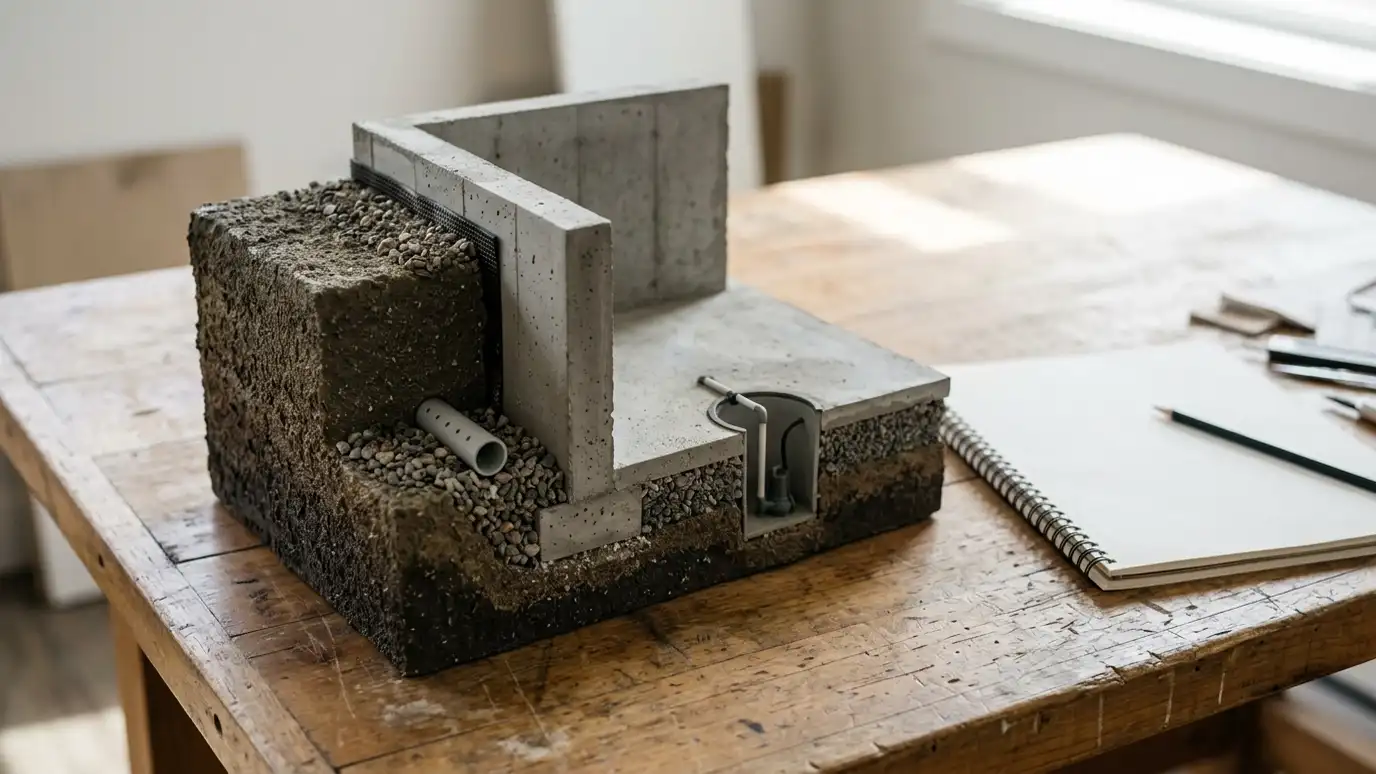
The pump, drain or leak is dealt with.
Every topic has its own page with what to expect and how we approach it.
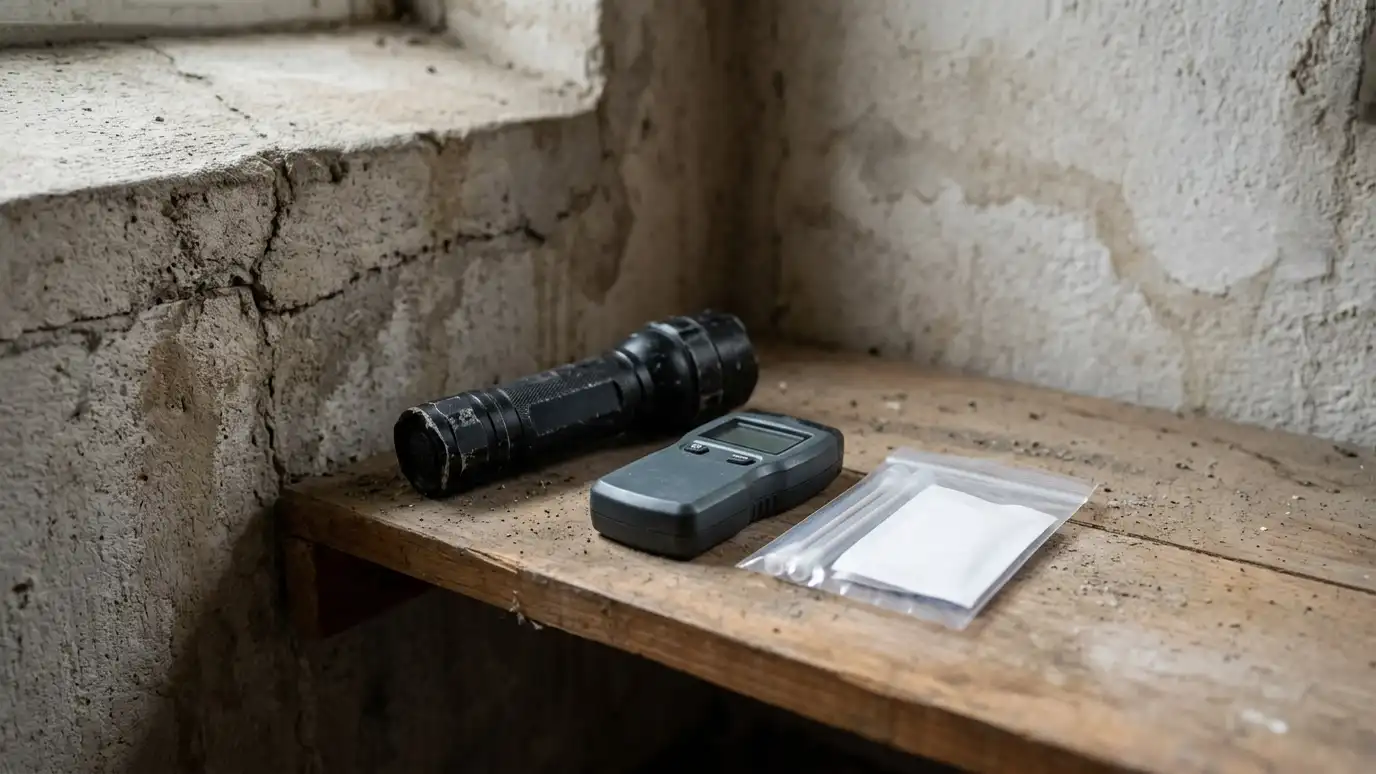 Comparison guideMold and MoistureHow mold grows in damp basements, why moisture control matters most and what cleanup looks like.Learn more
 ResourceEPAU.S. Environmental Protection Agency guidance on mold, moisture and cleanup in homes, schools and buildings.Learn more
 ResourceFEMAThe FEMA Flood Map Service Center, where you can look up flood hazard maps by address.Learn more
Pick the area of concern, such as walls, floor, crawl space, yard or pump, to get likely causes, what to try first and the service page that fits.
You tell us what you have seen, where and when, and we set a visit that fits your day.
We walk the outside and inside with a moisture meter, take photos, measure slopes and call for utility marking.
You review the cause, the options and a plain written scope with every line and the schedule before anything is ordered.
We handle permits, protect your property and prepare the work area, from the floor edge to the trench.
We install drains, pumps, liners or repairs, restore floors and lawns and test every system with water.
We walk the job with you, share a care guide and schedule a first checkup.
Quickly. Mold can start within a day or two in warm conditions.
Sometimes, if it is clean water and dried quickly. Pad is usually replaced.
Sewage or river water needs stronger precautions and often more removal.
We document the work. Your insurer decides on coverage.
We use moisture meters and track readings until they normalize.
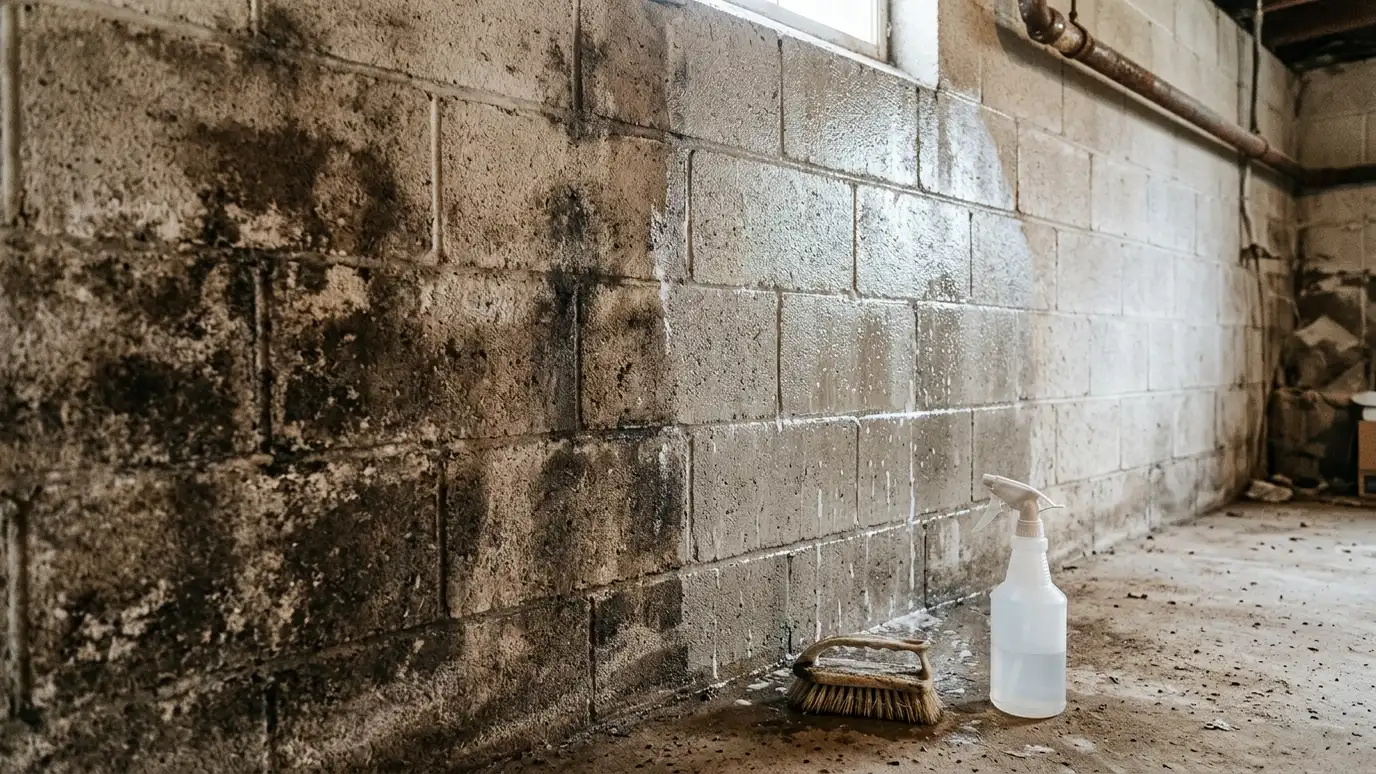 Mold Removal and CleanupMold removal and cleanup for basements and crawl spaces that contains the work, removes damaged materials, cleans surfaces…Explore
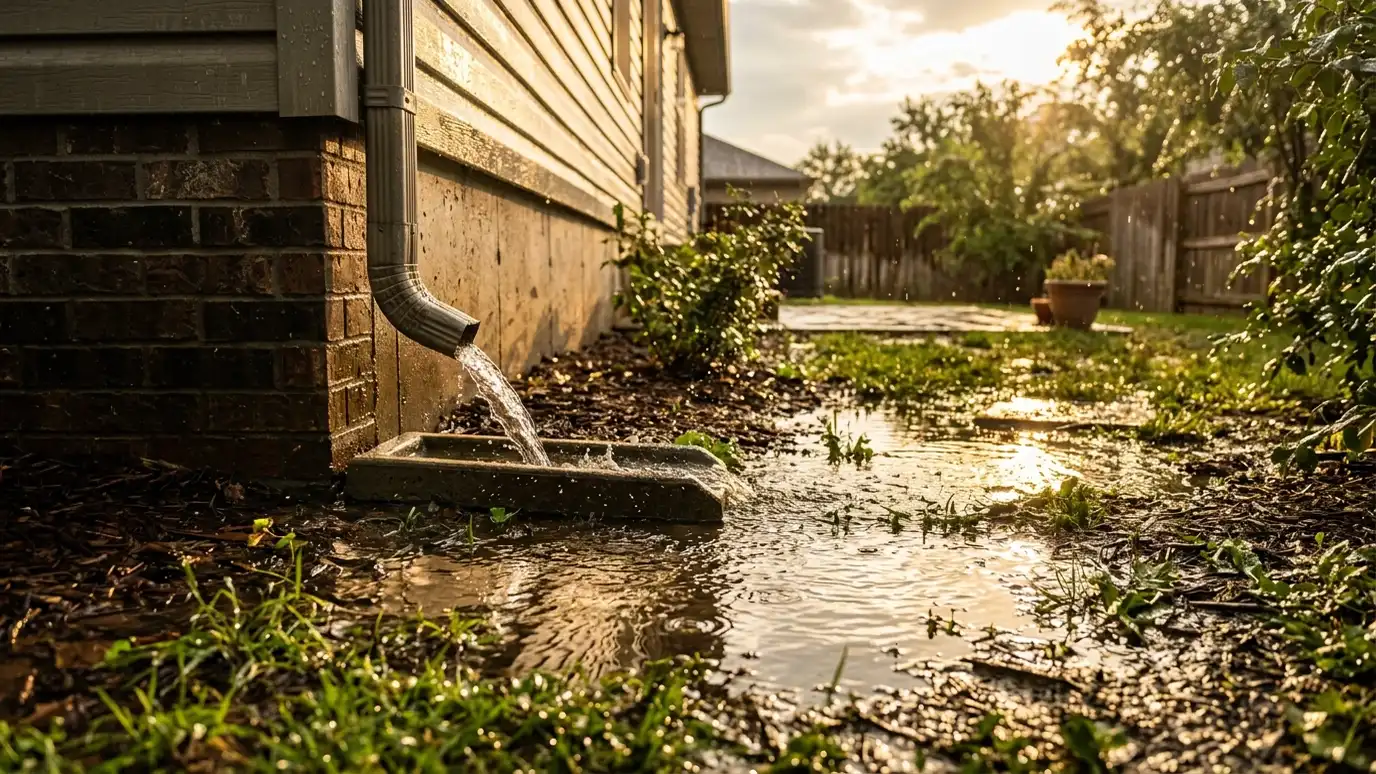 Post-Storm and Flood InspectionsPost-storm and flood inspections that check your home after heavy rain for new leaks, pump failures, soil washout…Explore
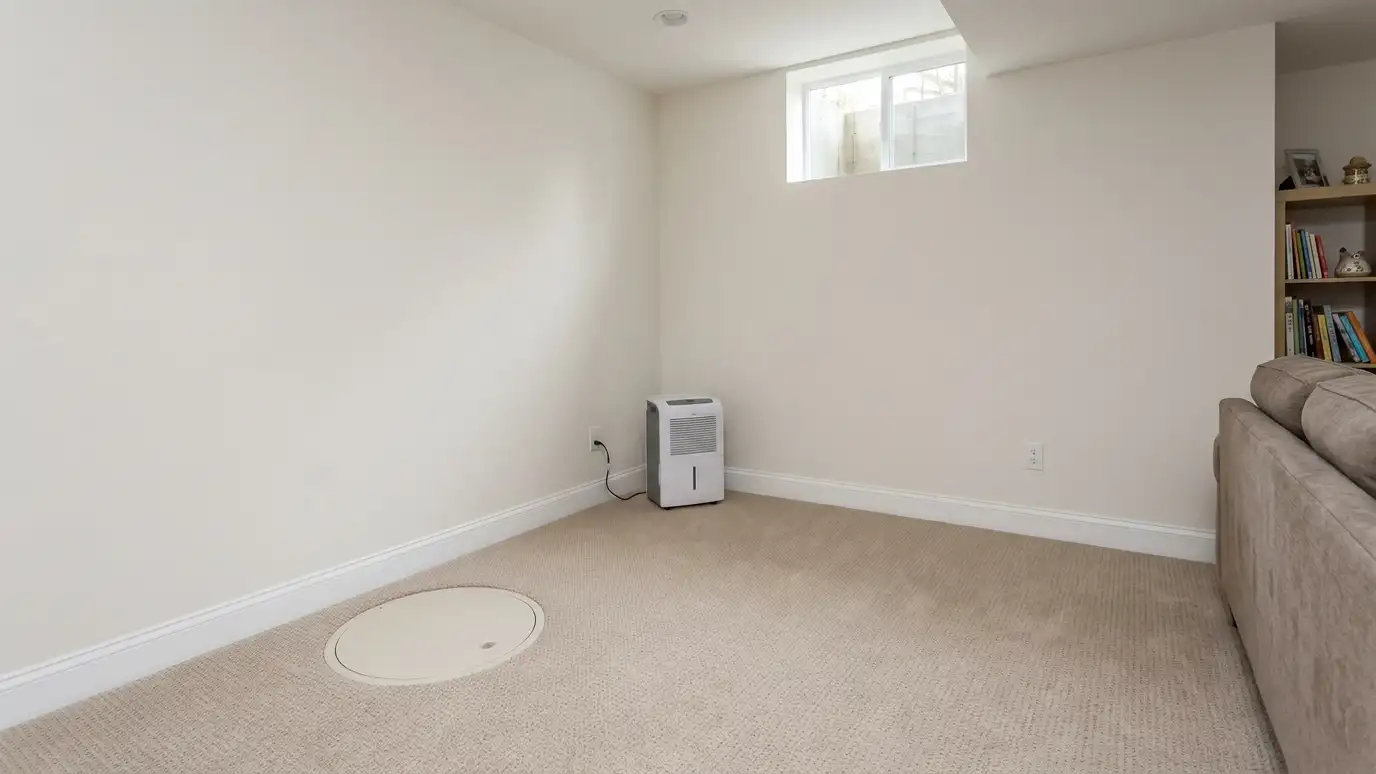 Finished Basement Water Damage ProtectionFinished basement water damage protection with drainage, sump pumps, alarms and smart choices of materials, so the rooms…Explore
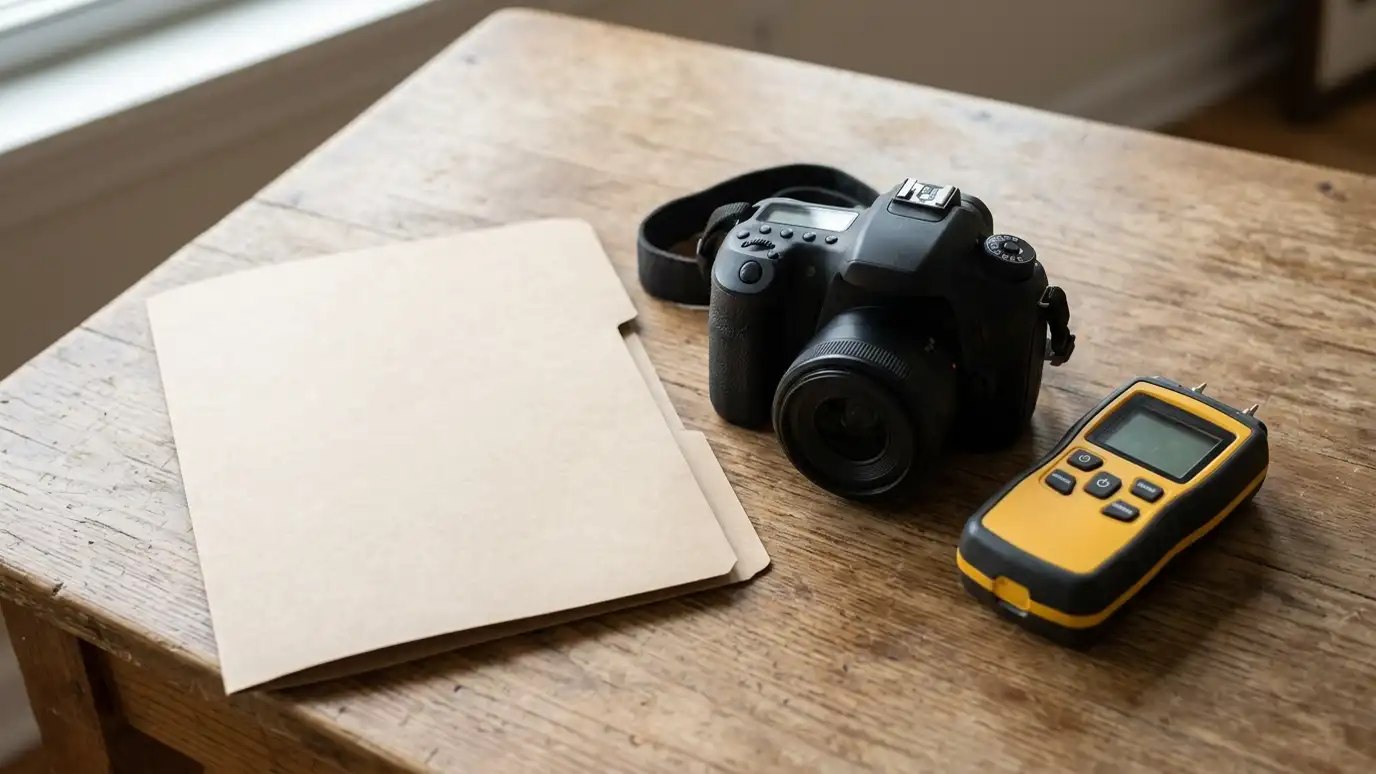 Insurance Documentation HelpInsurance documentation help with dated photos, moisture readings, scope summaries and repair records you can share with your…Explore
Tell us about your property and we will call you back to set up a visit.
Or call (615) 357-7797 to talk now.