Basement wall crack repair that identifies why the wall cracked, then seals vertical, diagonal and horizontal cracks with injected epoxy or flexible polyurethane.
Cracks are the most common thing homeowners notice in a basement, and they range from harmless shrinkage lines to signs of movement. A narrow vertical crack in a poured wall often comes from curing and can be sealed. A stair-step crack in block, a horizontal crack or a wall that leans inward points to pressure and needs a different plan. The first job is to read the crack, and the second is to match the repair to its cause.
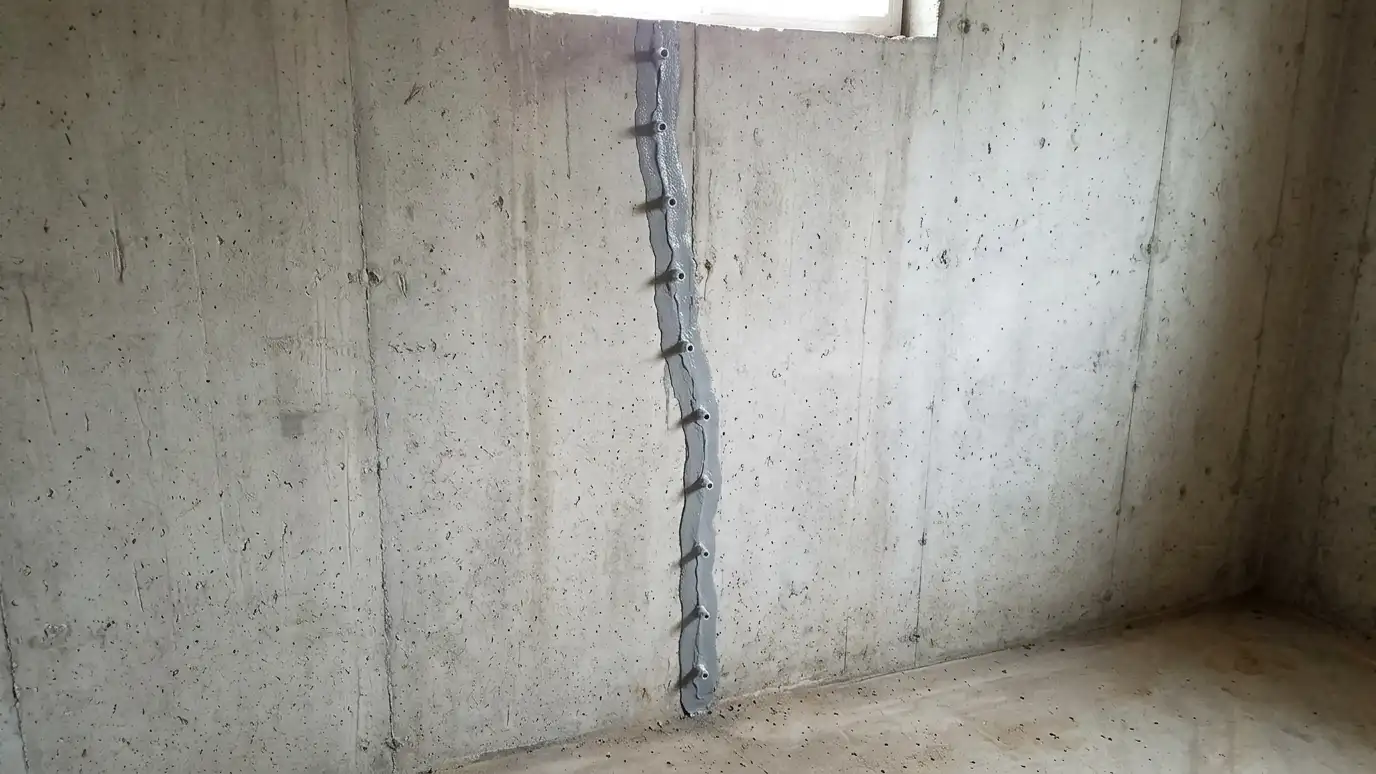
We measure the crack, check for offset, look at both sides of the wall and note where moisture appears. For stable cracks, we drill small ports, flush the crack and inject epoxy to bond the concrete or flexible polyurethane to seal a crack that may move a little. We cap the ports, clean the wall and leave a neat sealed line. When the crack suggests movement, we say so, mark it with a gauge and recommend a stabilization or an engineer. A repair is only useful when it fits the cause, so we tell you which case you have. In Nashville, seasonal swings between wet clay and dry clay move foundations a little every year, so we check cracks more than once when we can.
A shrinkage crack and a pressure crack look similar but call for different repairs.
Epoxy suits stable cracks, and flexible polyurethane suits cracks that may shift a little.
A simple gauge across the crack shows if it is moving.
If the wall shows serious movement, we say so and suggest the right specialist.
Drag the handle to compare.
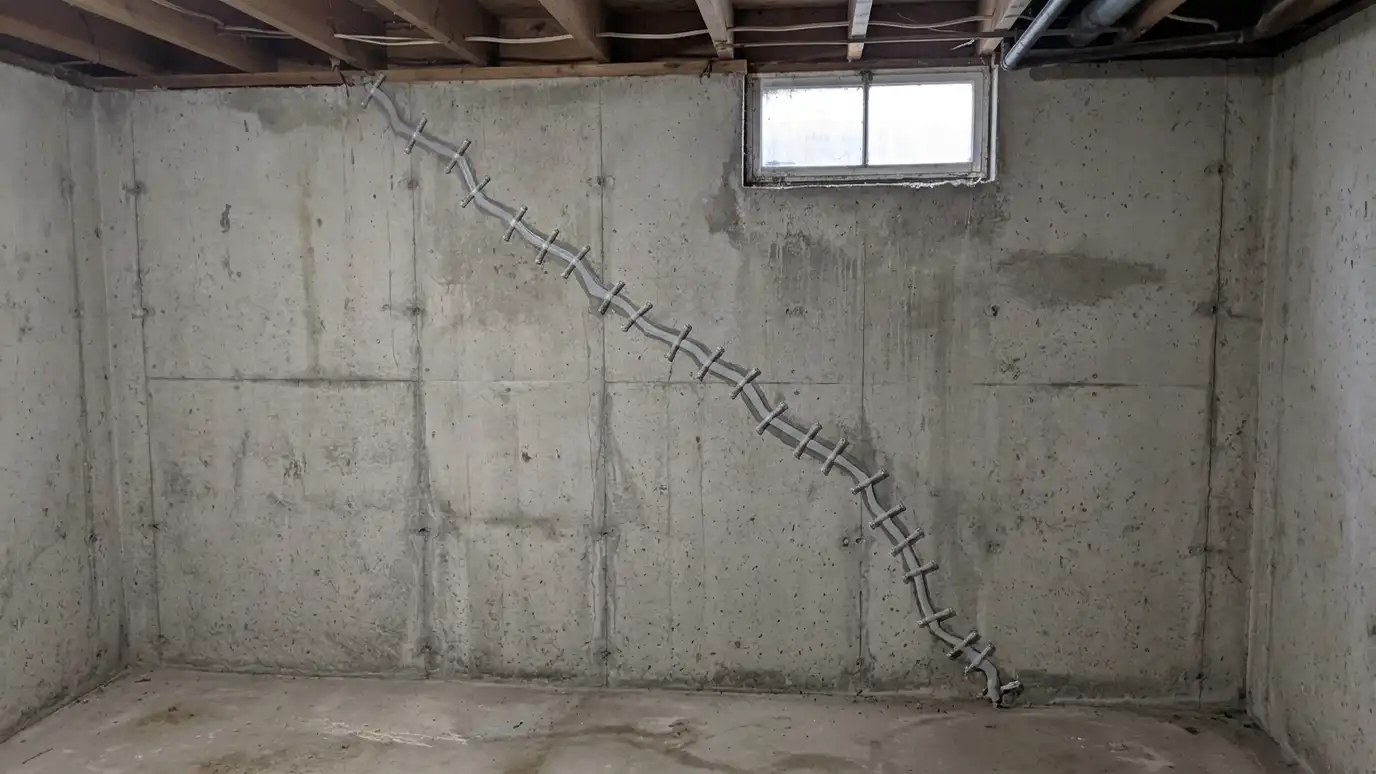
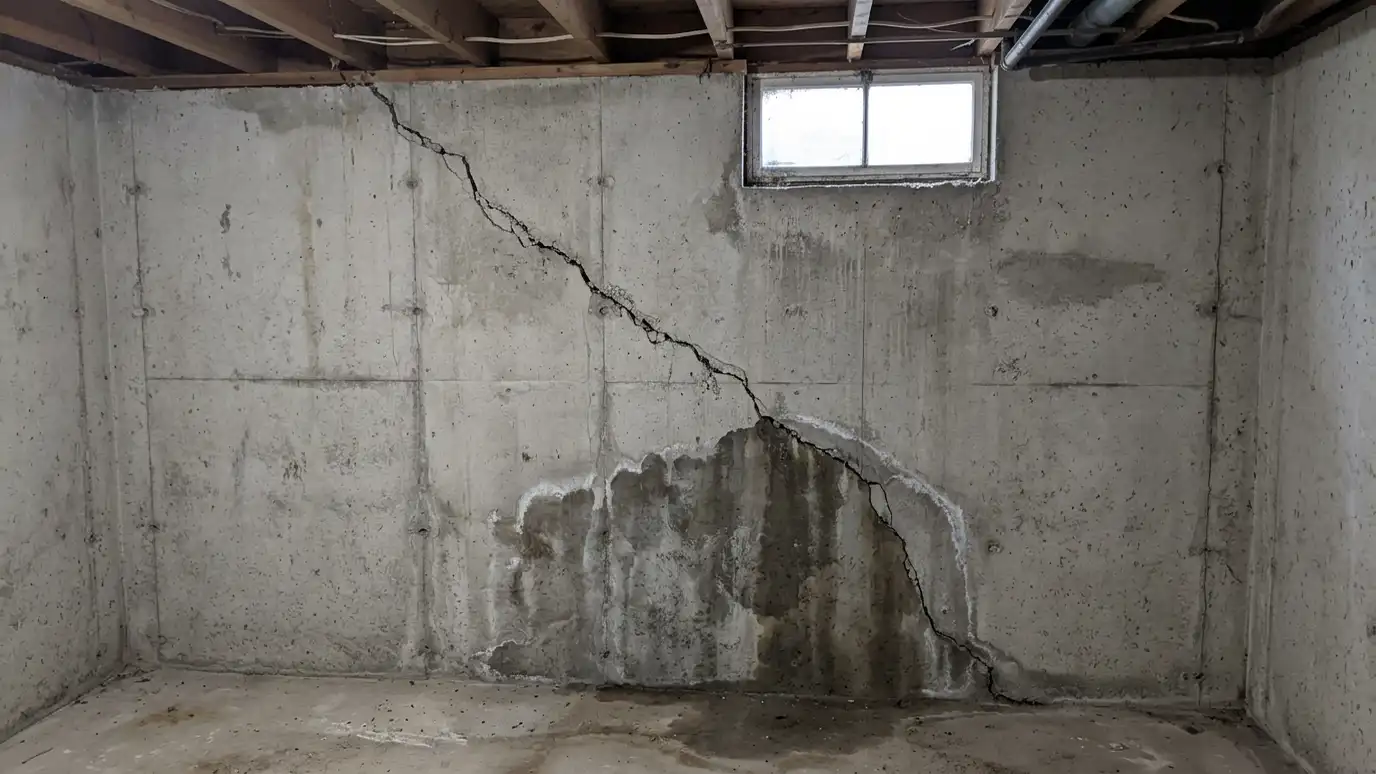 BeforeAfter
We check width, offset, length and direction to understand the cause.
It bonds poured concrete back together across the crack.
A flexible foam seals cracks that may shift a little.
A gauge shows whether a crack is changing over time.
Bigger issues are named and sent to the right specialist.
Ports and residue are removed so the wall looks neat.
Every topic has its own page with what to expect and how we approach it.
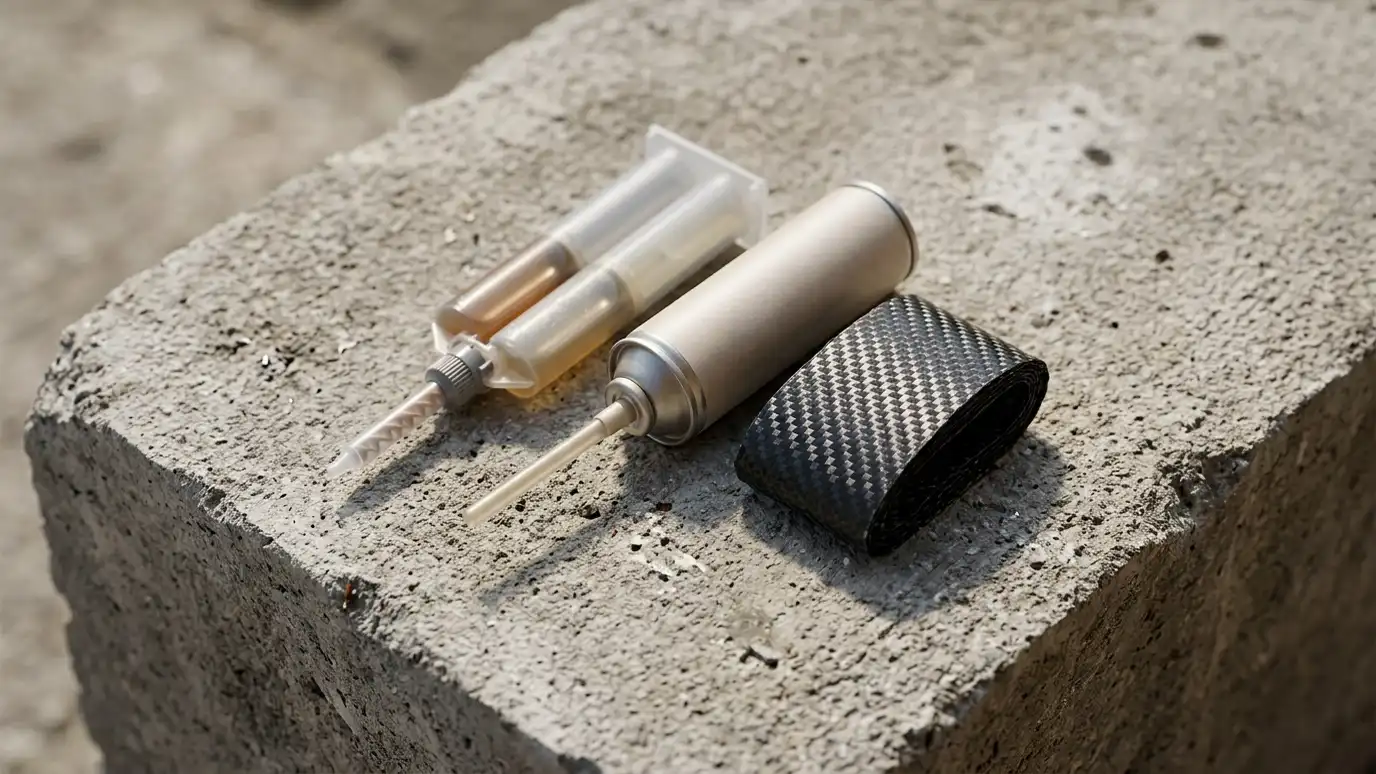 Comparison guideCrack Repair MethodsHow epoxy injection, polyurethane injection, hydraulic cement and carbon fiber straps differ in what they fix.Learn more
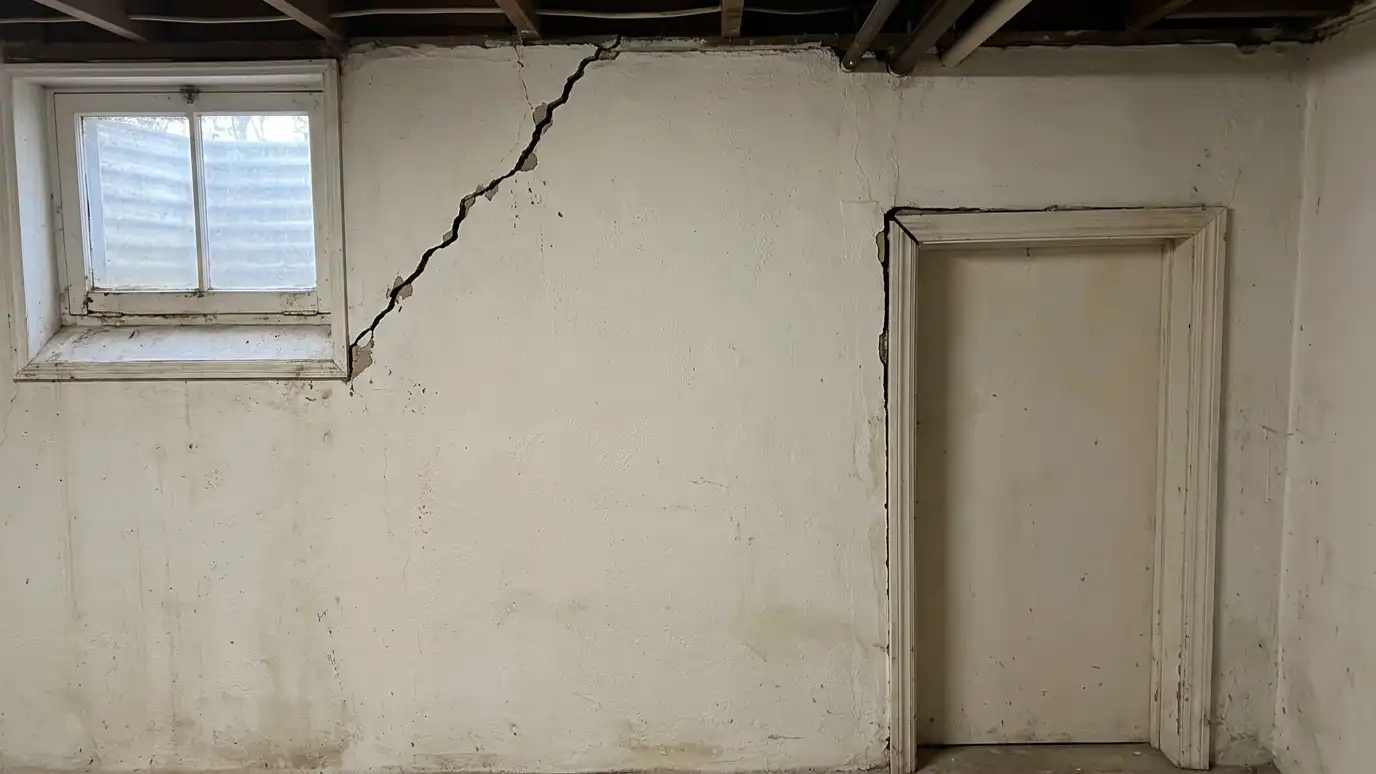 Comparison guideFoundation Warning SignsHow to read cracks, sticking doors, sloping floors and gaps, and which signs call for a closer look.Learn more
 ResourceXypexA maker of crystalline waterproofing materials used in concrete walls, slabs, pits and tunnels.Learn more
Enter floor area, lift, pipe run, ceiling height and dampness to see a planning pump flow or dehumidifier capacity for a basement or crawl space.
You tell us what you have seen, where and when, and we set a visit that fits your day.
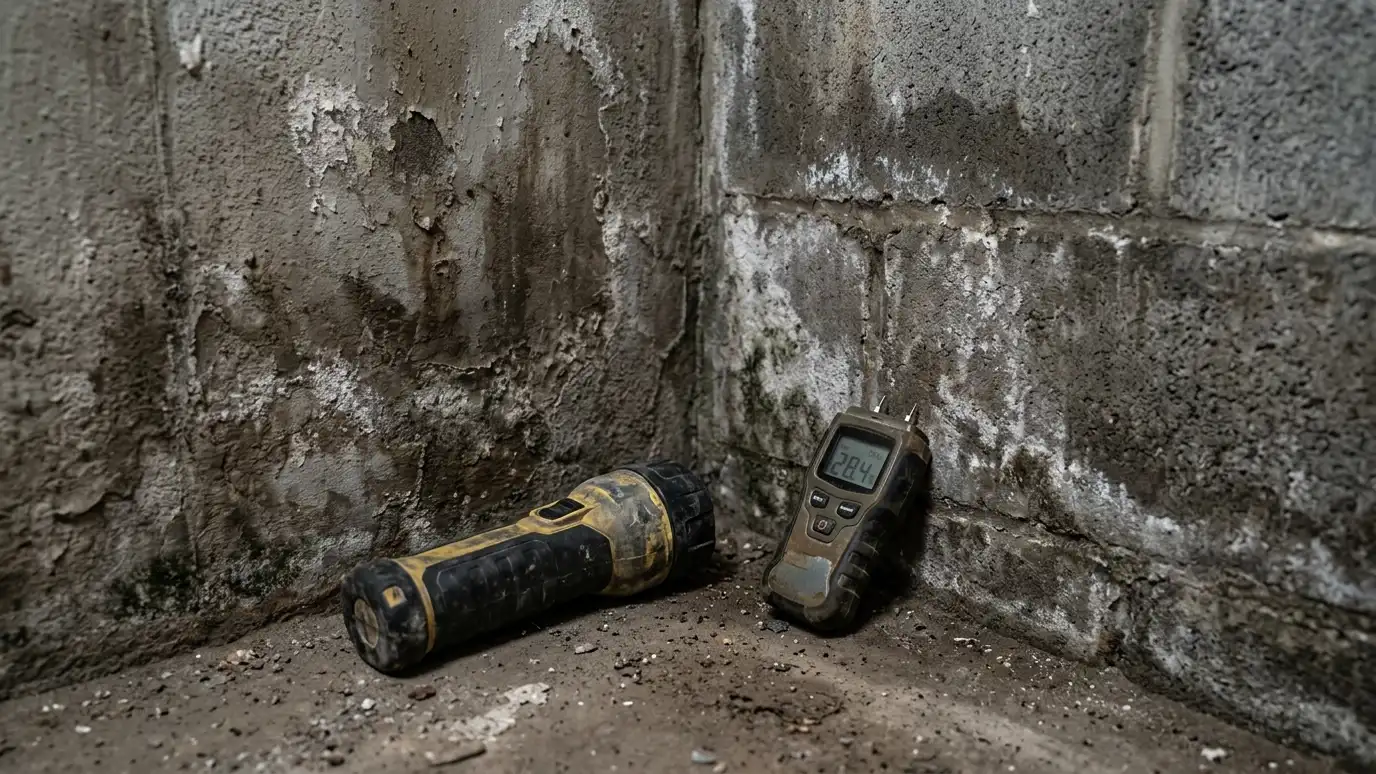
We walk the outside and inside with a moisture meter, take photos, measure slopes and call for utility marking.
You review the cause, the options and a plain written scope with every line and the schedule before anything is ordered.
We handle permits, protect your property and prepare the work area, from the floor edge to the trench.
We install drains, pumps, liners or repairs, restore floors and lawns and test every system with water.
We walk the job with you, share a care guide and schedule a first checkup.
Many can, but not all. A crack with ongoing movement needs the cause addressed too.
Epoxy is rigid and structural-minded. Polyurethane stays flexible. We explain which suits your crack.
It can if the wall keeps moving. A gauge helps us know.
Many are cosmetic. We look at where it is and whether water appears.
Yes, with methods that suit mortar joints and block cores.
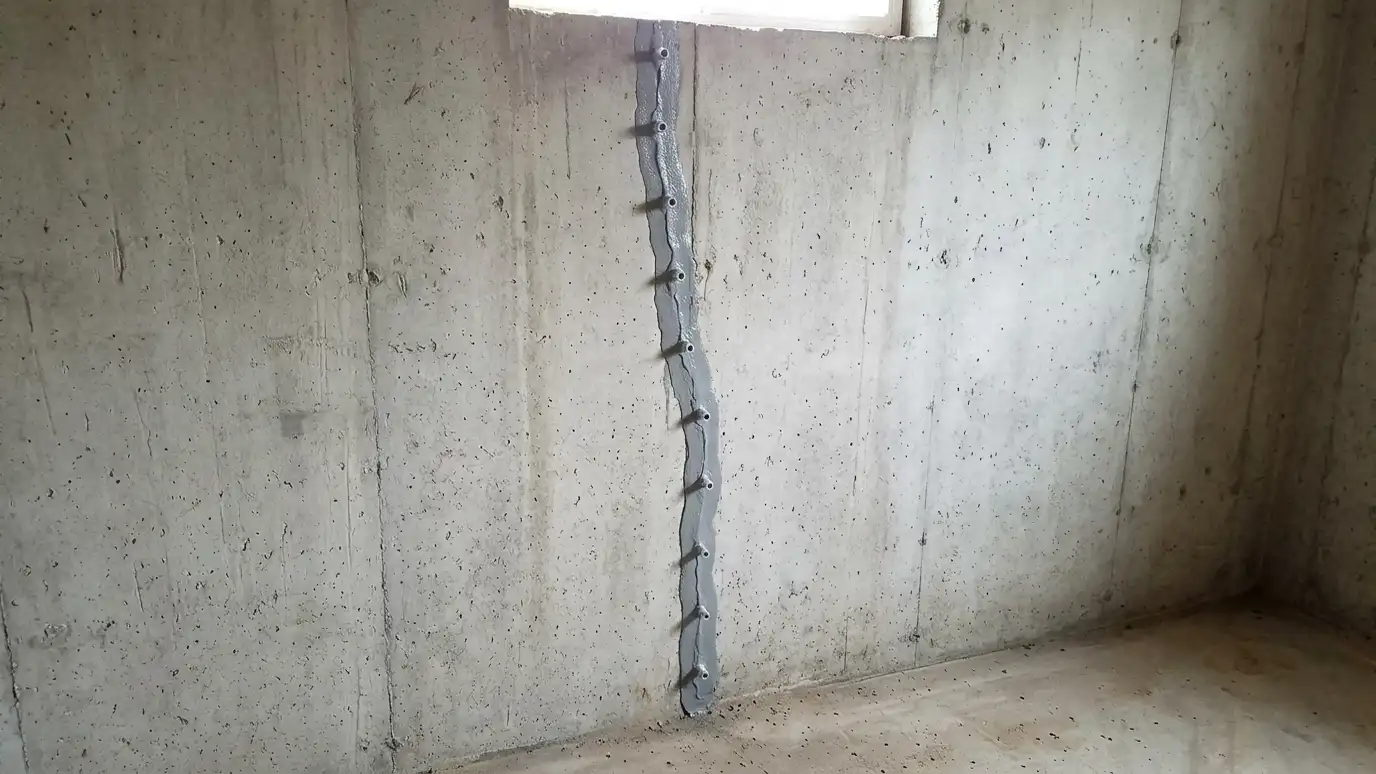 Foundation Crack InjectionFoundation crack injection with epoxy or polyurethane that fills a crack from the inside out, bonding the concrete…Explore
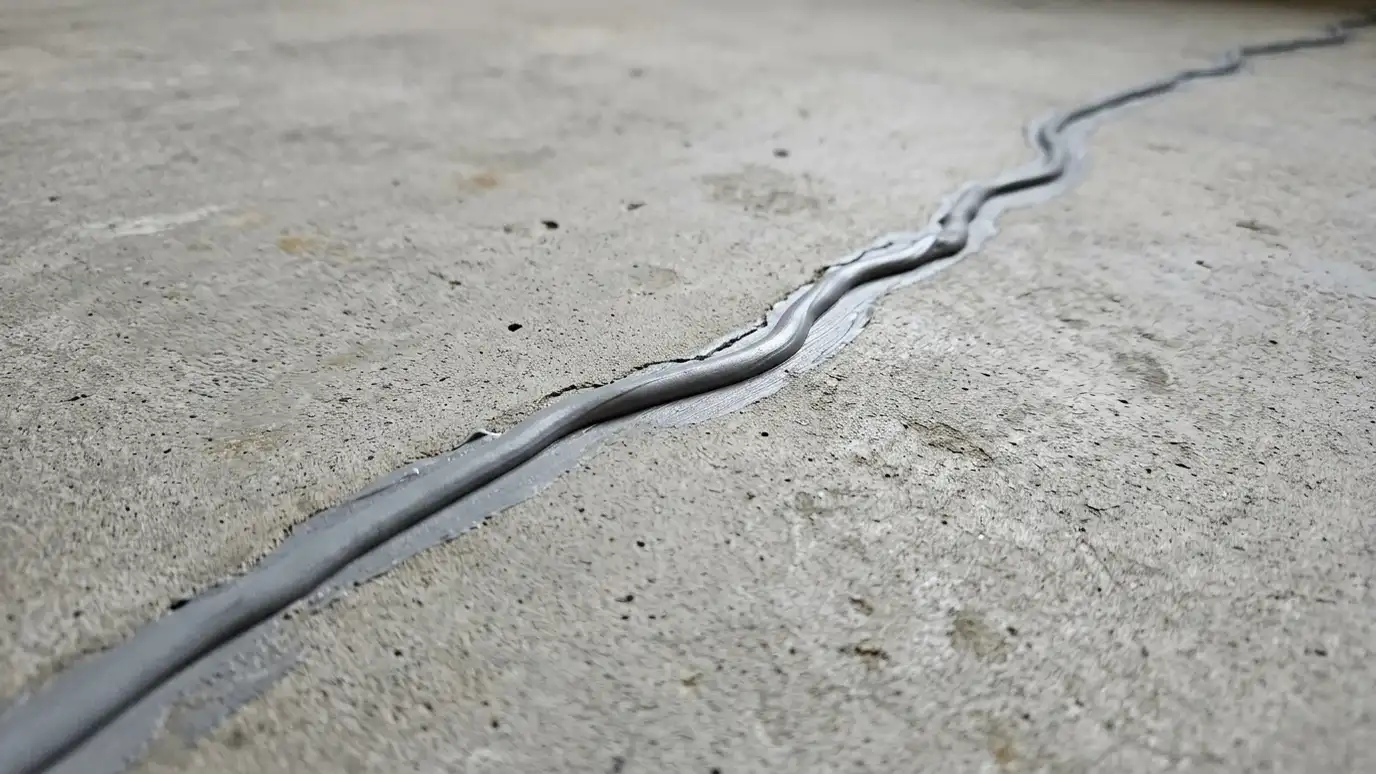 Basement Floor Crack RepairBasement floor crack repair that seals shrinkage and settlement cracks with flexible sealants or injection, after checking for…Explore
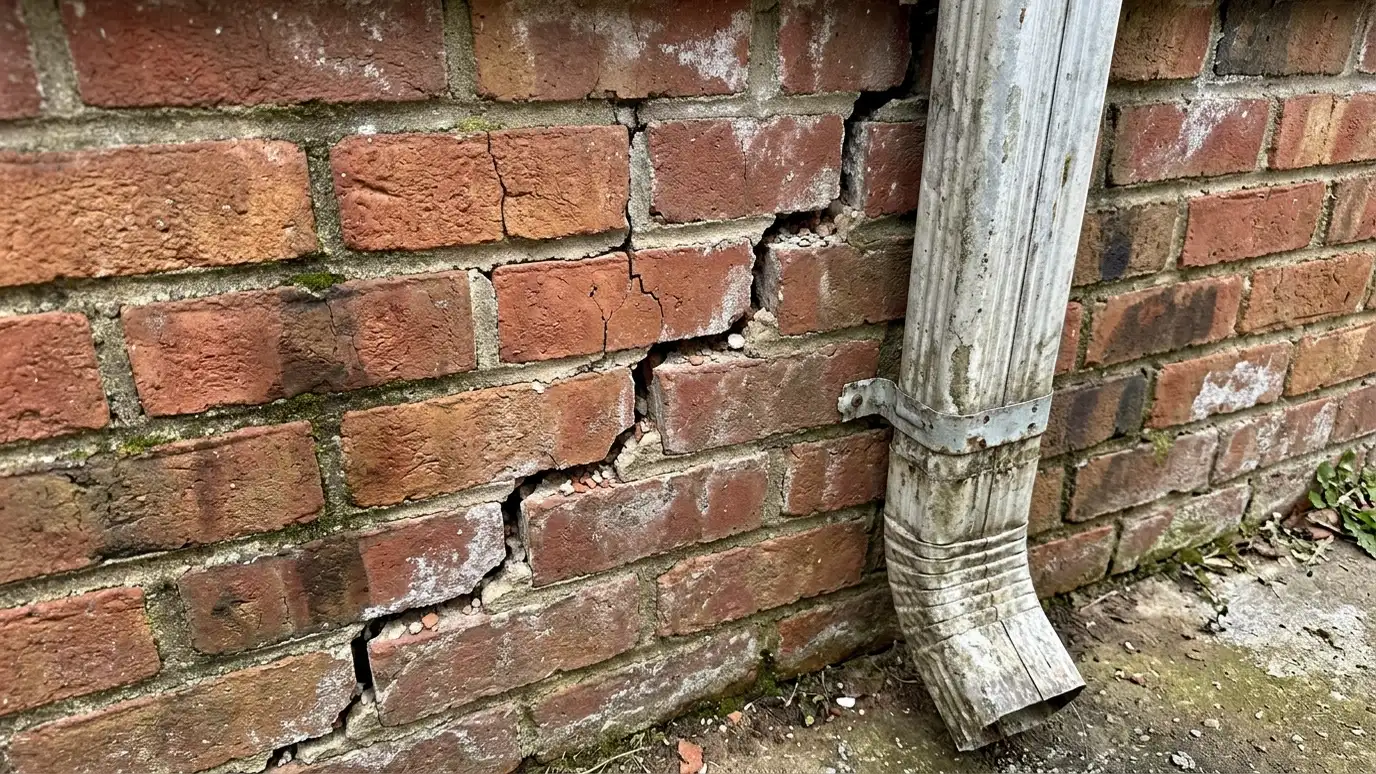 Foundation Crack RepairFoundation crack repair that reads the pattern of each crack, seals the ones that are stable and flags…Explore
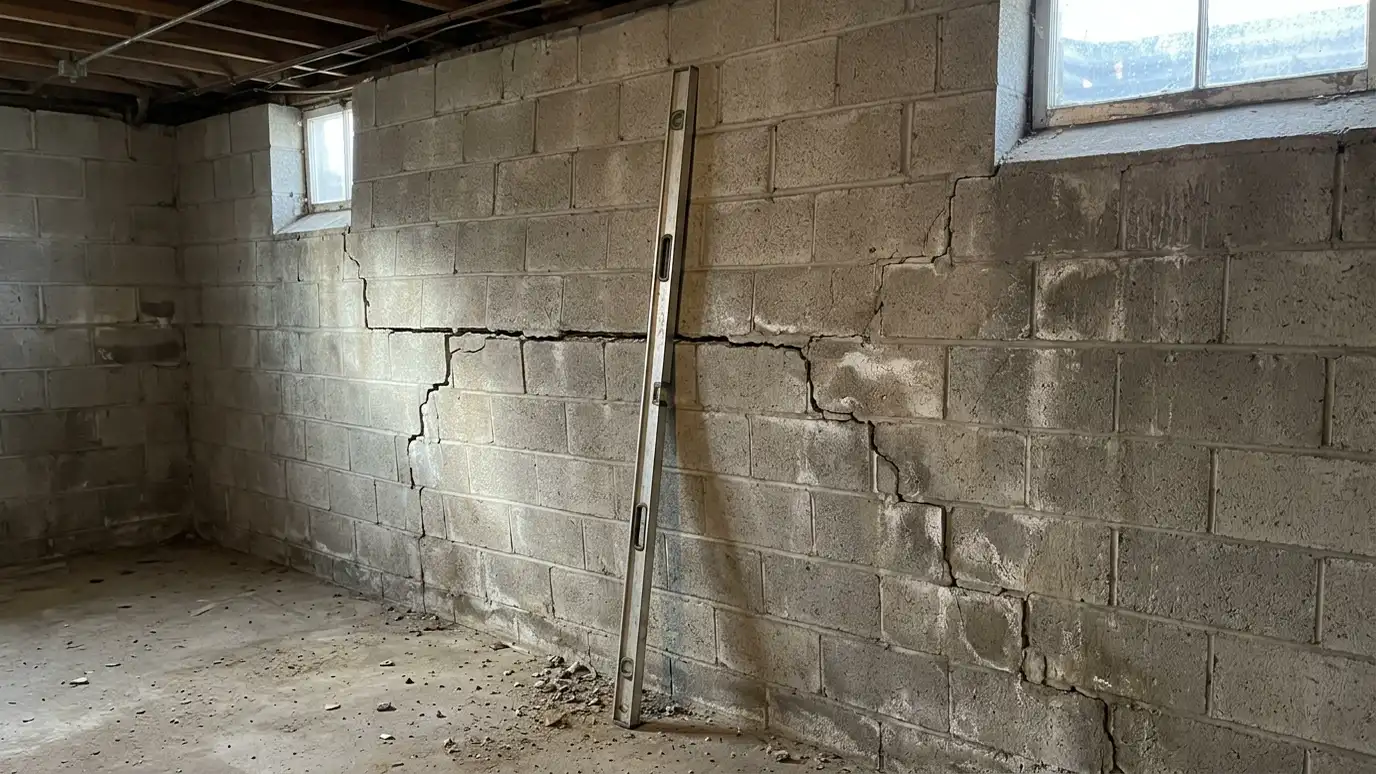 Bowing Wall RepairBowing wall repair that measures how far a foundation wall leans, finds the pressure behind it and recommends…Explore
Tell us about your property and we will call you back to set up a visit.
Or call (615) 357-7797 to talk now.