Basement floor crack repair that seals shrinkage and settlement cracks with flexible sealants or injection, after checking for water, radon and slab movement.
Concrete shrinks as it cures, and most basement slabs have a few thin cracks by the time a house is a few years old. Others open from soil settlement, tree roots or water pressure under the slab. Floor cracks can let in damp air, odors and sometimes water, and they can collect dust and moisture under flooring. Many Nashville basements sit on clay that swells and shrinks with the seasons, so floor cracks deserve a calm look before anything is poured into them.
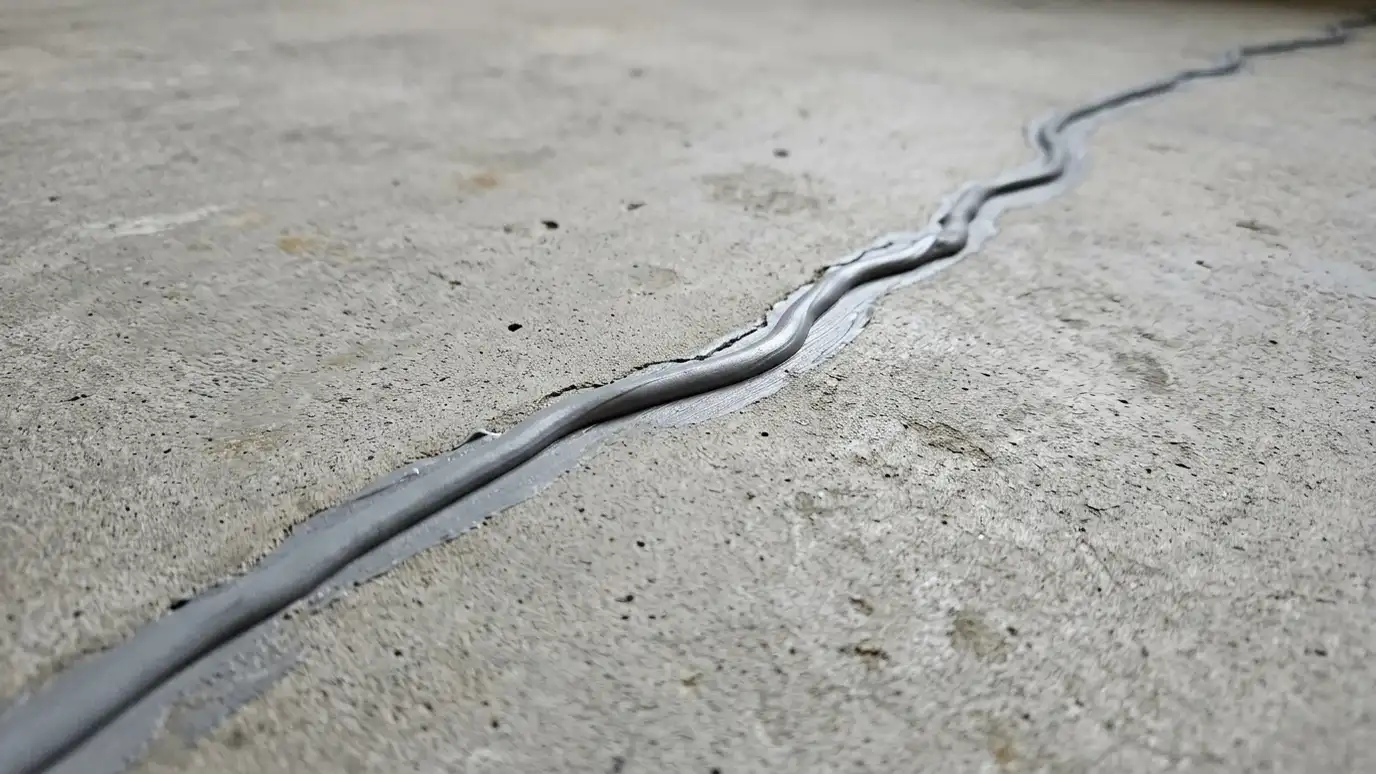
We check the length, width and height difference across each crack and look for damp spots along it. Thin cracks are cleaned out and filled with a flexible polyurethane or semi-rigid sealant. Wider cracks may need routing, backer rod and a stronger filler. Where one side of the crack sits higher, we explain the movement and what could cause it. If water comes up through the crack, we pair the repair with drainage so the sealant is not asked to hold back pressure by itself. We also point out where a radon test makes sense, since floor cracks are one path for soil gas.
A crack with one side higher than the other tells us the slab may be moving.
Sealants that stay soft handle small seasonal movement better than brittle patches.
Floor cracks can let in damp air and soil gas, so we mention drainage and radon testing when they apply.
We leave a clean surface that suits paint, sealer or flooring after moisture is checked.
A height difference tells us the slab may be shifting.
They stay soft enough to move a little with the concrete.
Dust and loose concrete are removed so the filler bonds.
Seepage needs a path out, not only a seal.
Floor cracks are one path for soil gas, and we mention testing.
We leave a flat, tidy line ready for paint or flooring.
Every topic has its own page with what to expect and how we approach it.
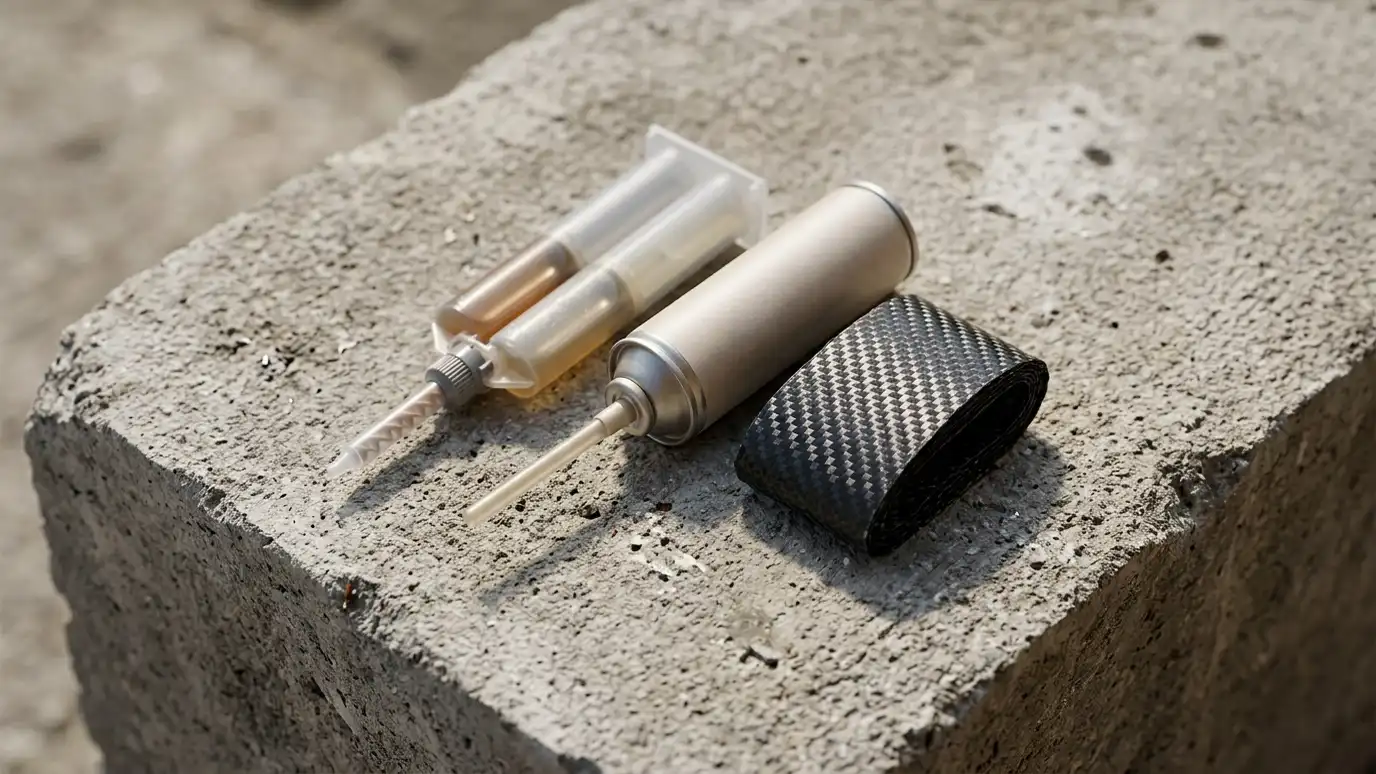 Comparison guideCrack Repair MethodsHow epoxy injection, polyurethane injection, hydraulic cement and carbon fiber straps differ in what they fix.Learn more
 ResourceEPAU.S. Environmental Protection Agency guidance on testing homes for radon and fixing a problem when levels are high.Learn more
 Comparison guideCoatings and SealersHow masonry paints, cement-based coatings, penetrating sealers and epoxy floor coatings differ in what they do and where…Learn more
Pick the area of concern, such as walls, floor, crawl space, yard or pump, to get likely causes, what to try first and the service page that fits.
You tell us what you have seen, where and when, and we set a visit that fits your day.
We walk the outside and inside with a moisture meter, take photos, measure slopes and call for utility marking.
You review the cause, the options and a plain written scope with every line and the schedule before anything is ordered.
We handle permits, protect your property and prepare the work area, from the floor edge to the trench.
We install drains, pumps, liners or repairs, restore floors and lawns and test every system with water.
We walk the job with you, share a care guide and schedule a first checkup.
Most thin cracks are cosmetic. A crack with one side higher or with water needs a closer look.
It reduces entry through the crack. Water pressure under the slab may need a drain.
After repair, many finishes can go on. Moisture should be tested first.
Curing shrinkage, settling soil, roots and water pressure are common causes.
Most single cracks are done in an hour or two once access is clear.
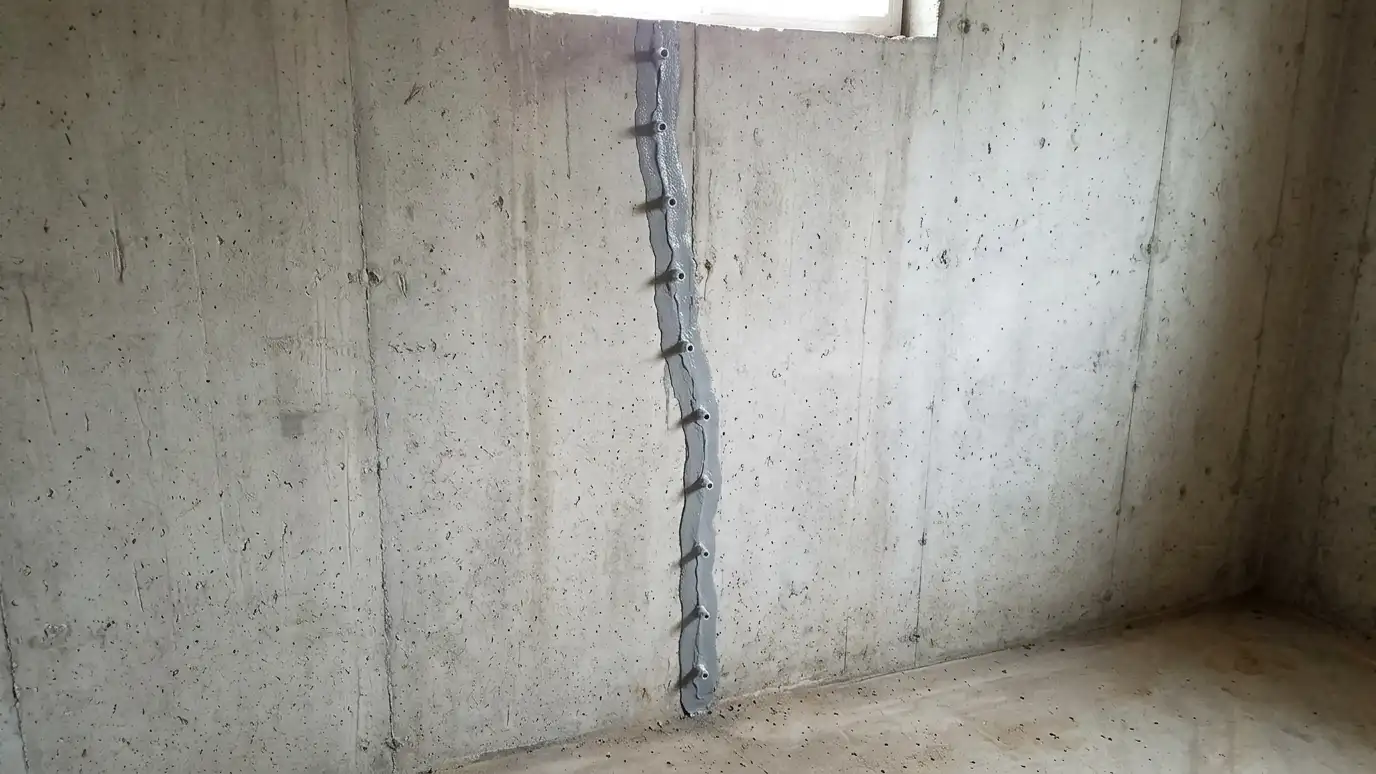 Basement Wall Crack RepairBasement wall crack repair that identifies why the wall cracked, then seals vertical, diagonal and horizontal cracks with…Explore
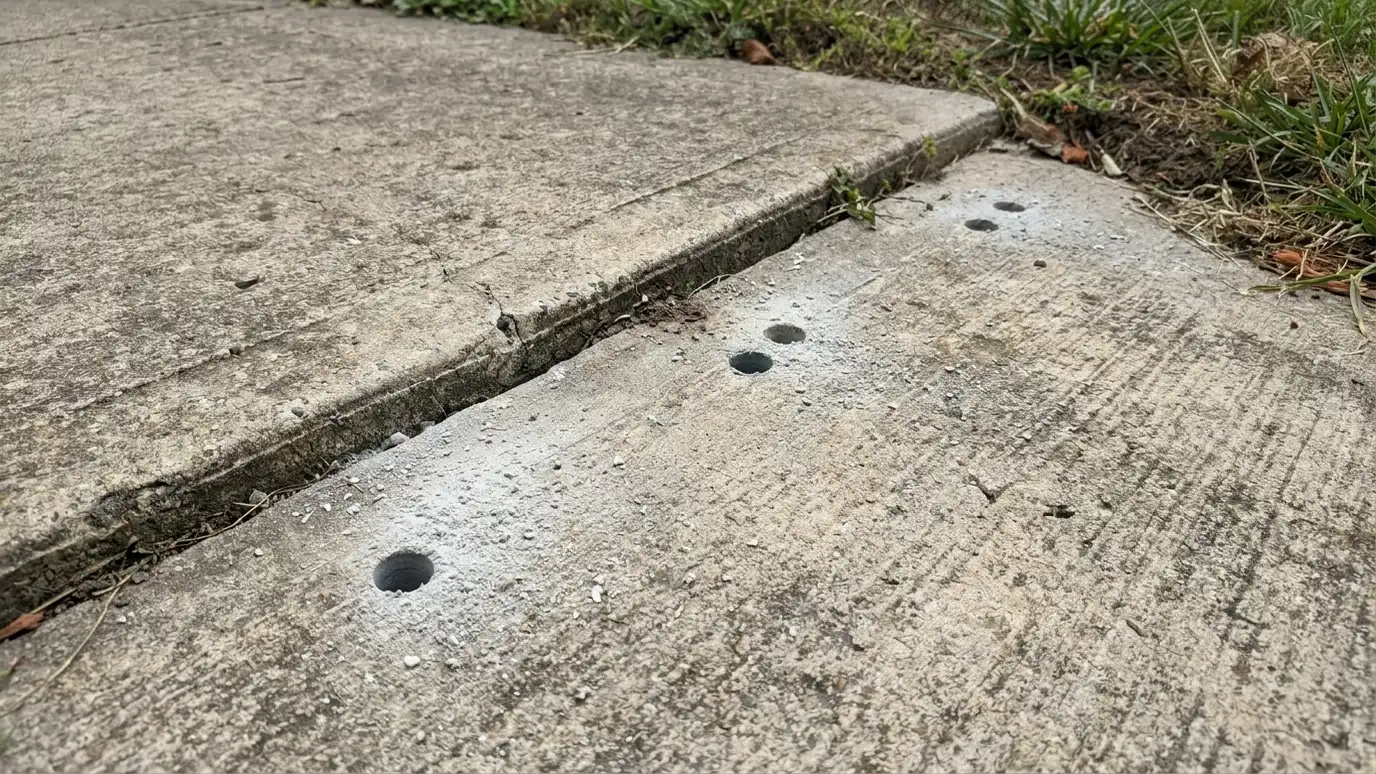 Slab Lifting and LevelingSlab lifting and leveling for sunken driveways, patios, walkways and garage floors, using injected foam or grout to…Explore
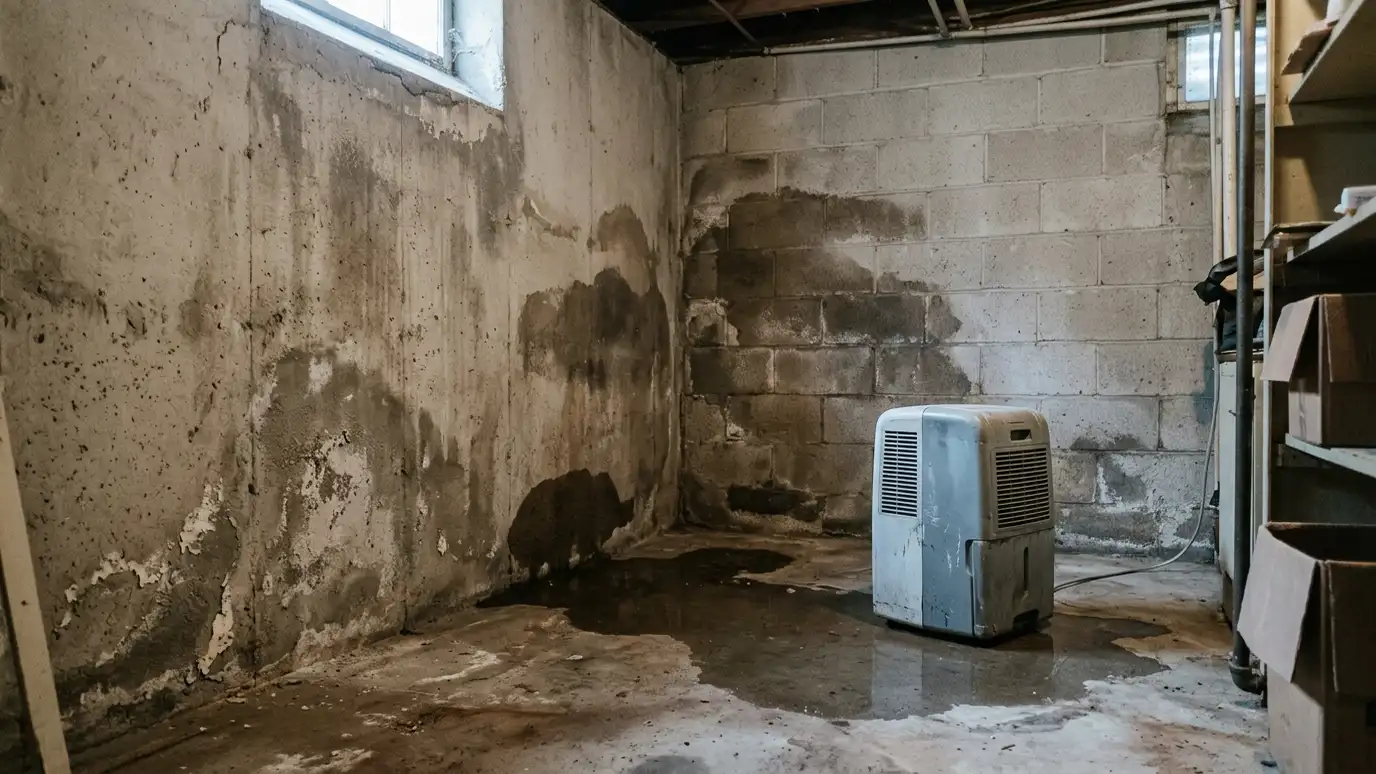 Wet Basement RepairWet basement repair that finds where the water comes from, from wall seepage and floor joint leaks to…Explore
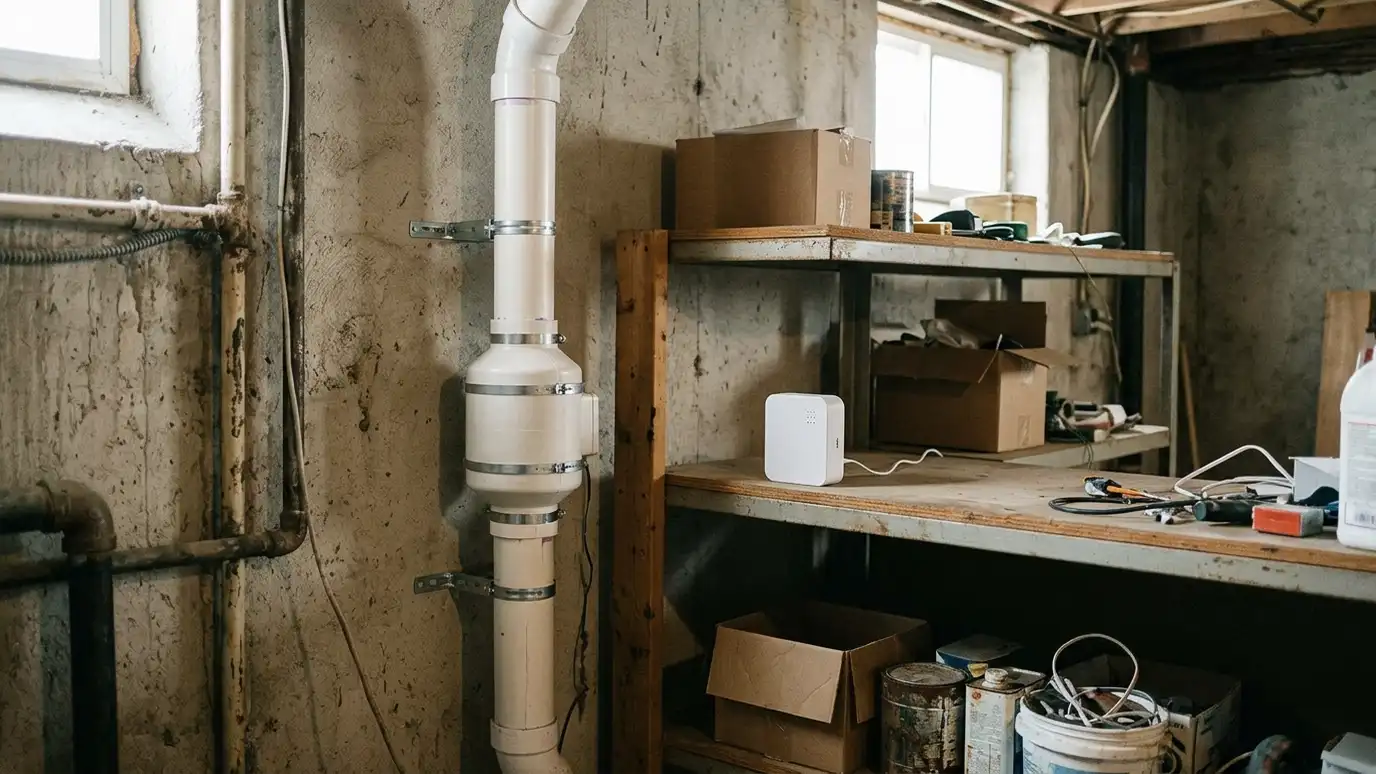 Radon Testing and Mitigation CoordinationRadon testing and mitigation coordination that explains short and long tests, helps you place them and coordinates qualified…Explore
Tell us about your property and we will call you back to set up a visit.
Or call (615) 357-7797 to talk now.