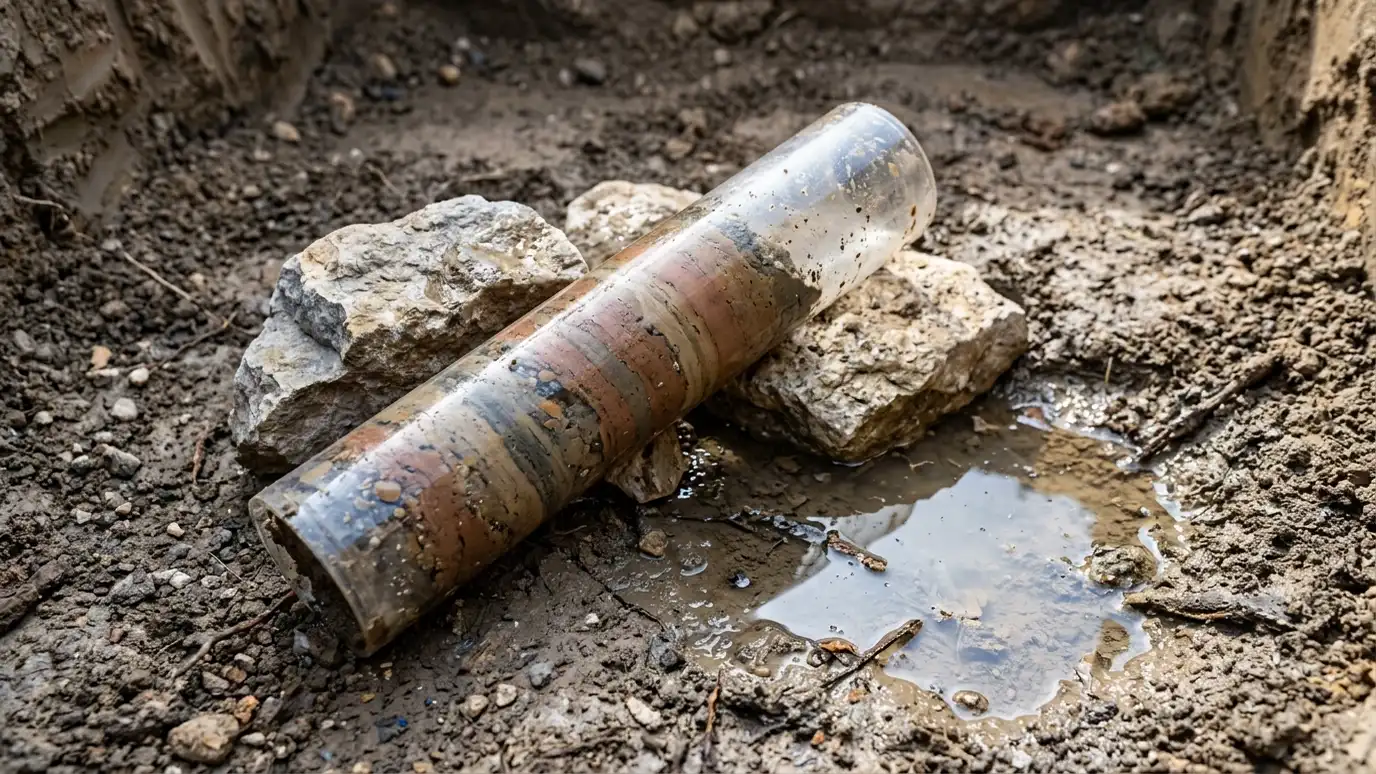
How groundwater builds pressure against walls and floors, and why drainage is the key to relieving it.
When the ground around a basement fills with water, the water pushes on the walls and up under the floor. That push is called hydrostatic pressure, and it grows with the depth of the water. A foot of standing water in the soil exerts a surprising amount of force, which is why walls crack, floor joints leak and basements flood after long rains. The water table is the level below which the ground is saturated.
In Middle Tennessee, the water table rises in wet seasons and falls in dry ones, and it varies from lot to lot. Drains at the footing, a sump pit and gutters that move roof water away all relieve pressure by giving water somewhere to go. Nashville owners often see leaks when the table is highest, and the fix is to reduce the water around the foundation, not only to patch the inside.
Water pushes on walls and floors in proportion to its depth.
The saturated zone rises after long rains and falls in dry spells.
Pressure finds the weakest points in walls and floors.
Footing drains and sumps relieve pressure by moving water out.
Gutters keep more water out of the ground near the wall.
Clay holds water, and gravel drains it.
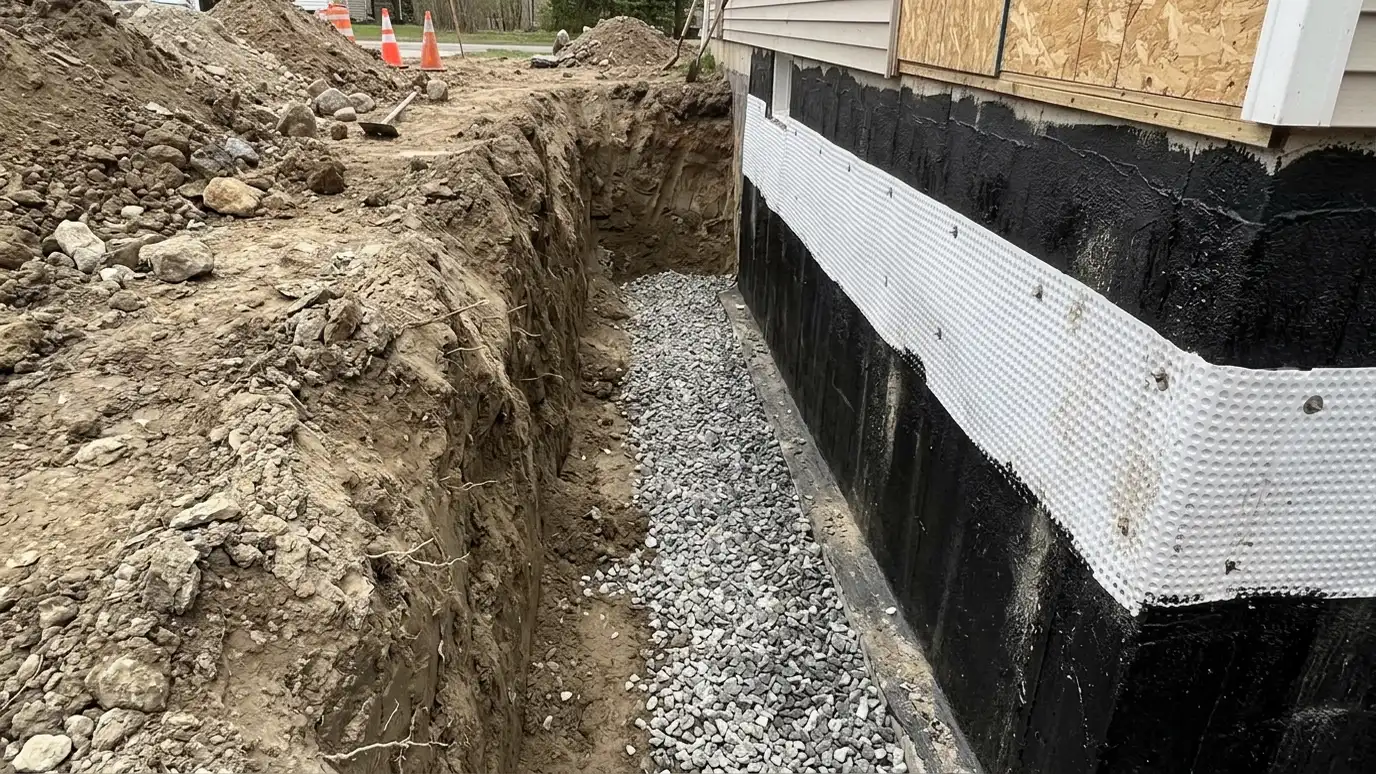 Exterior Basement WaterproofingExterior basement waterproofing that digs down to the foundation, repairs and coats the wall, adds drainage board and…Explore
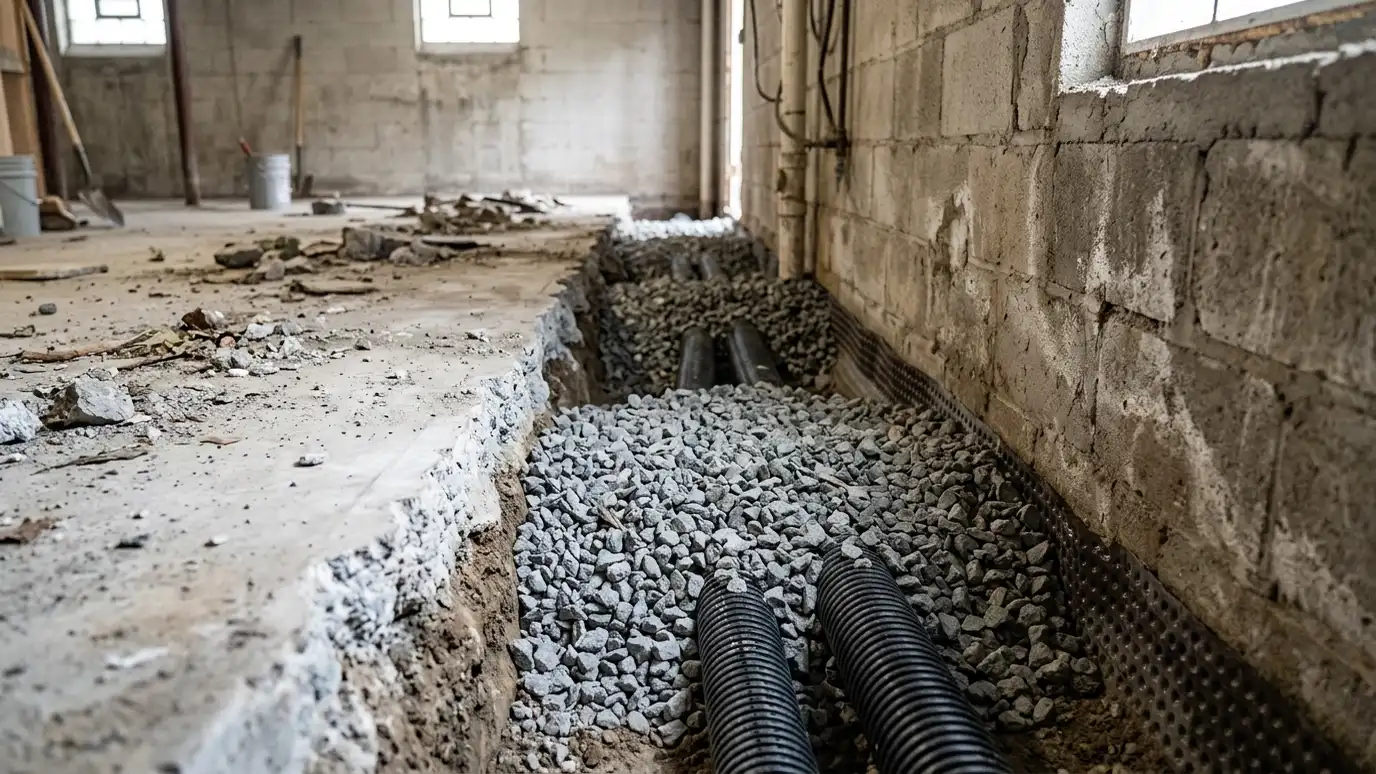 Basement French Drain SystemsBasement French drain systems that collect water at the footing and wall base through a perforated pipe in…Explore
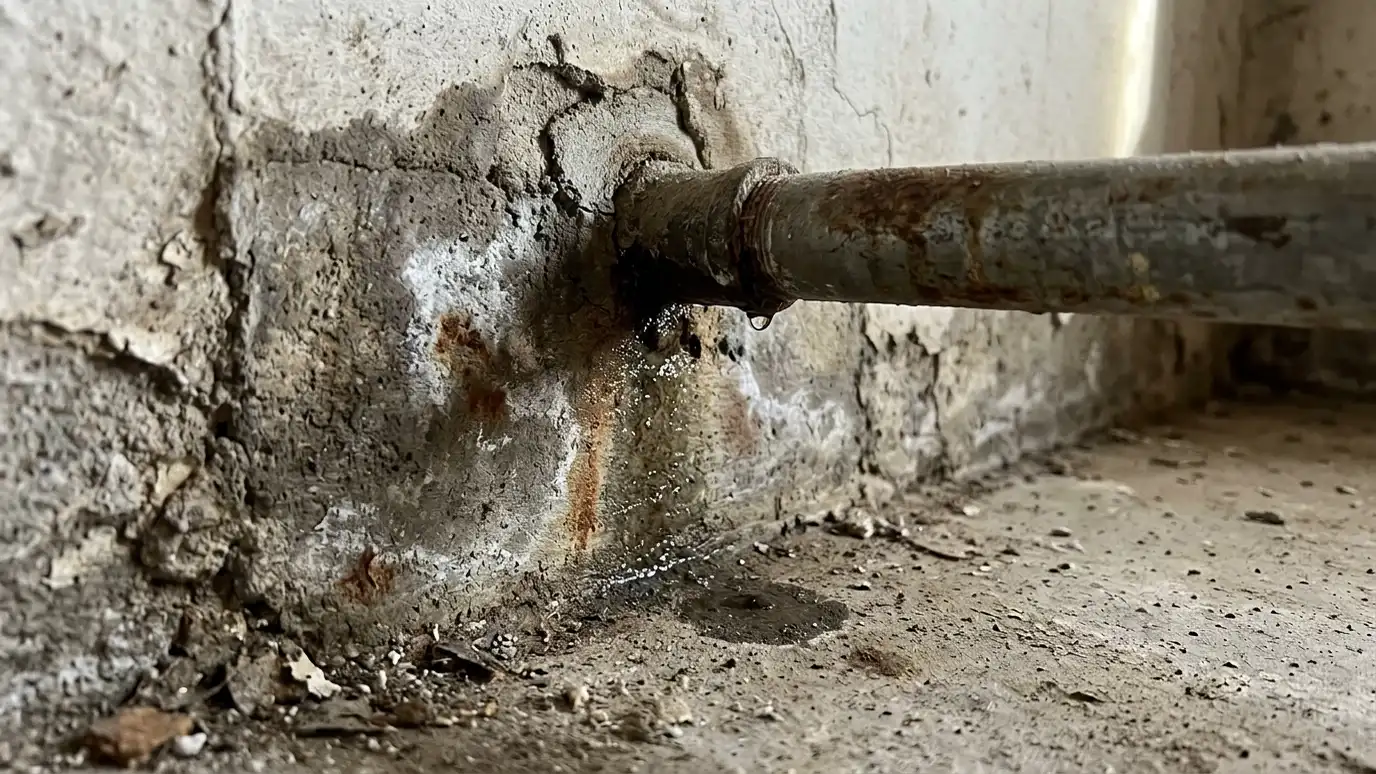 Basement Leak RepairBasement leak repair for drips at pipe penetrations, window wells, cracks and wall joints, with fast sealing and…Explore
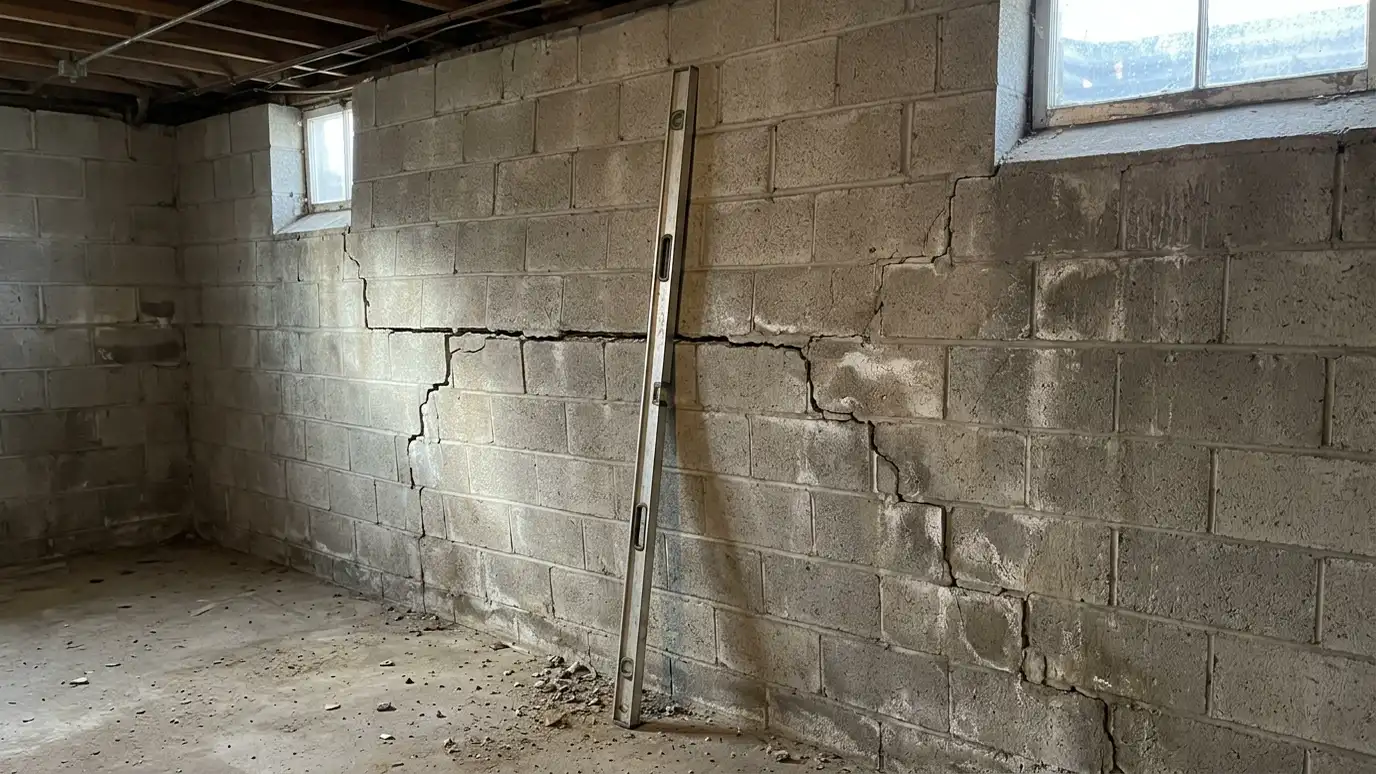 Bowing Wall RepairBowing wall repair that measures how far a foundation wall leans, finds the pressure behind it and recommends…Explore
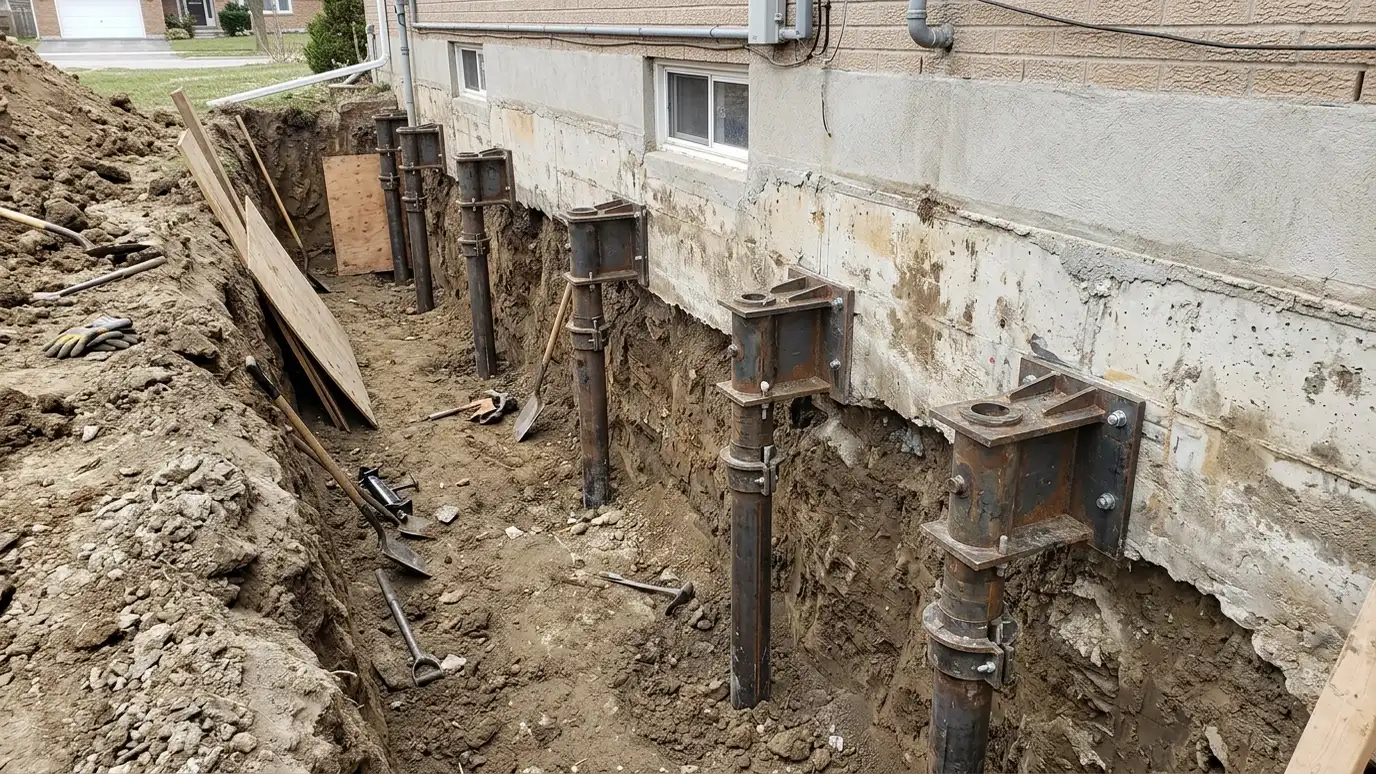 Foundation Piers and UnderpinningFoundation piers and underpinning that transfer a settling house onto deeper, more stable soil or rock, with engineered…Explore
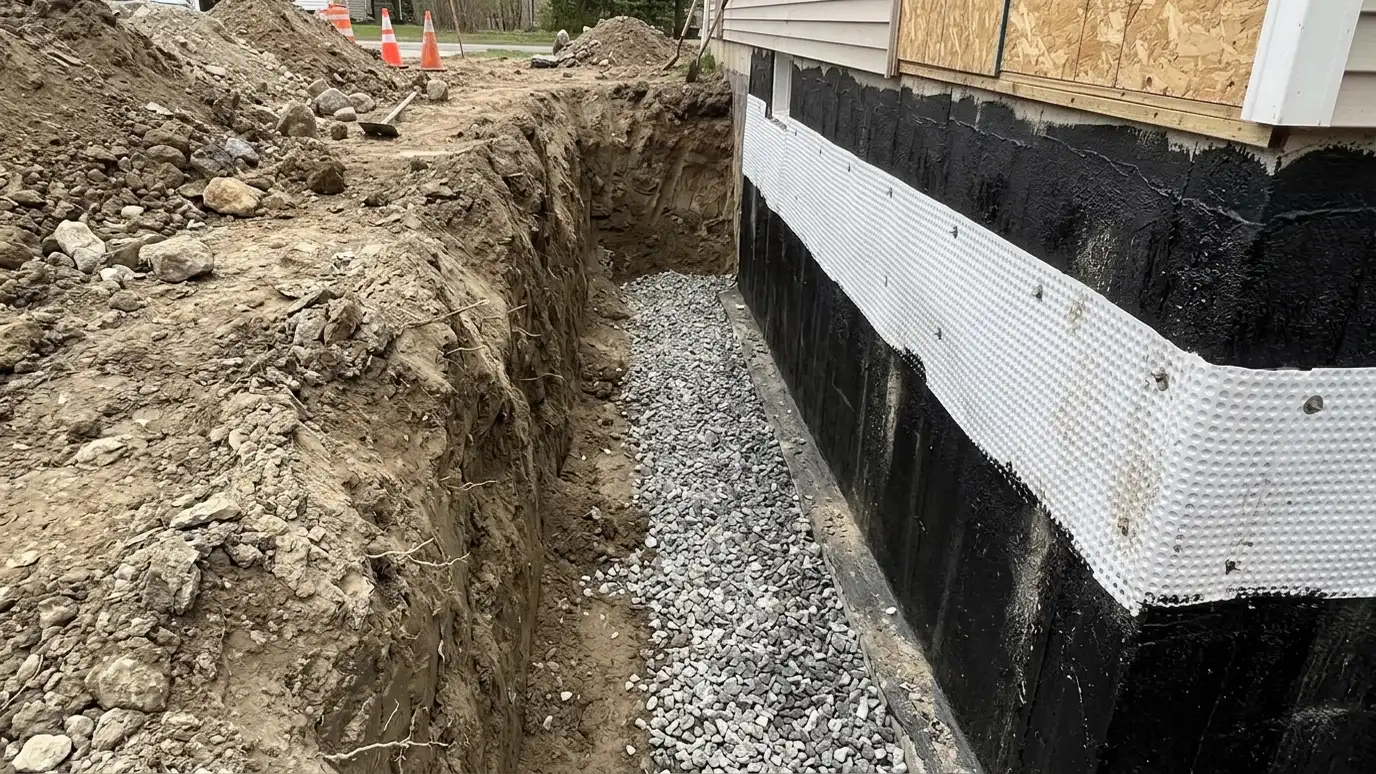 Foundation Waterproofing and Damp ProofingFoundation waterproofing and damp proofing that apply the right coating or membrane to below-grade walls for new and…Explore
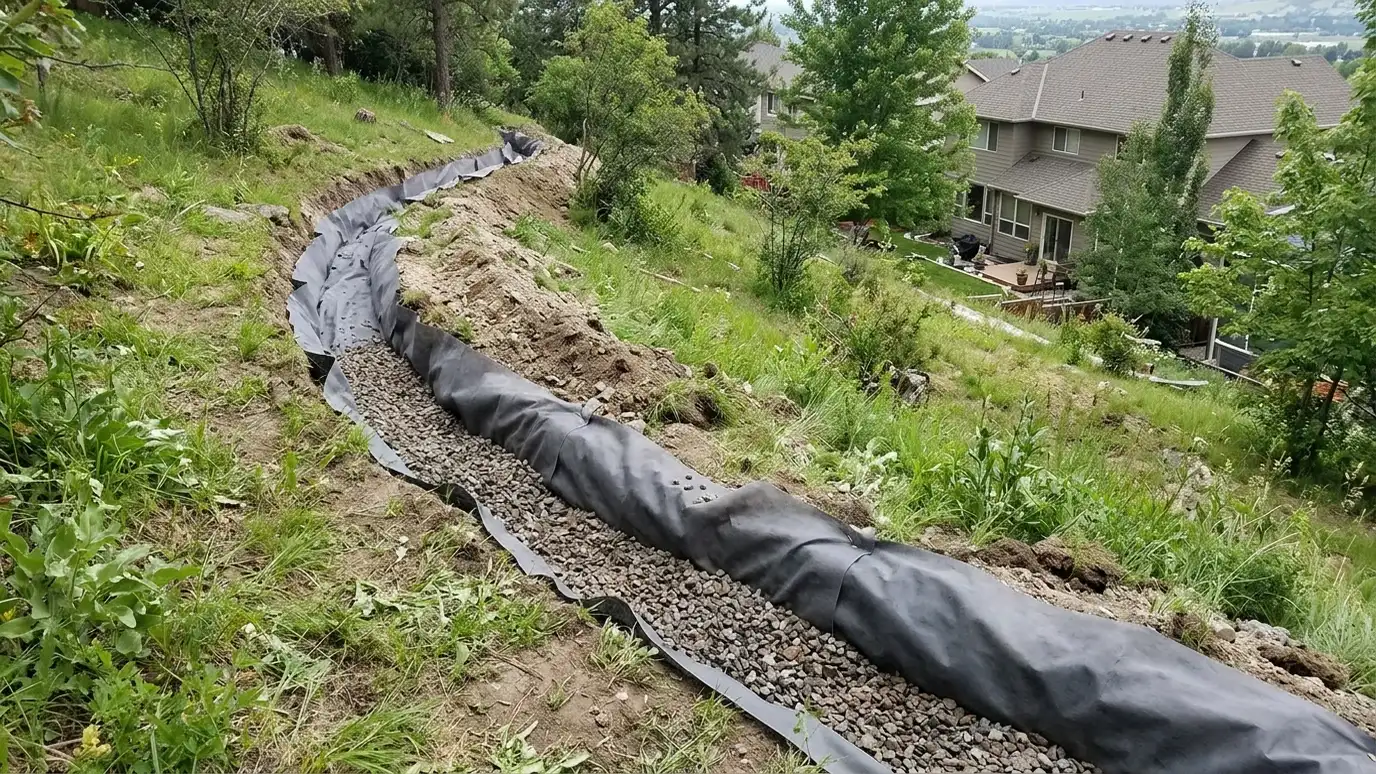 Curtain DrainsCurtain drains that intercept water on a slope before it reaches your house, using a curved trench of…Explore
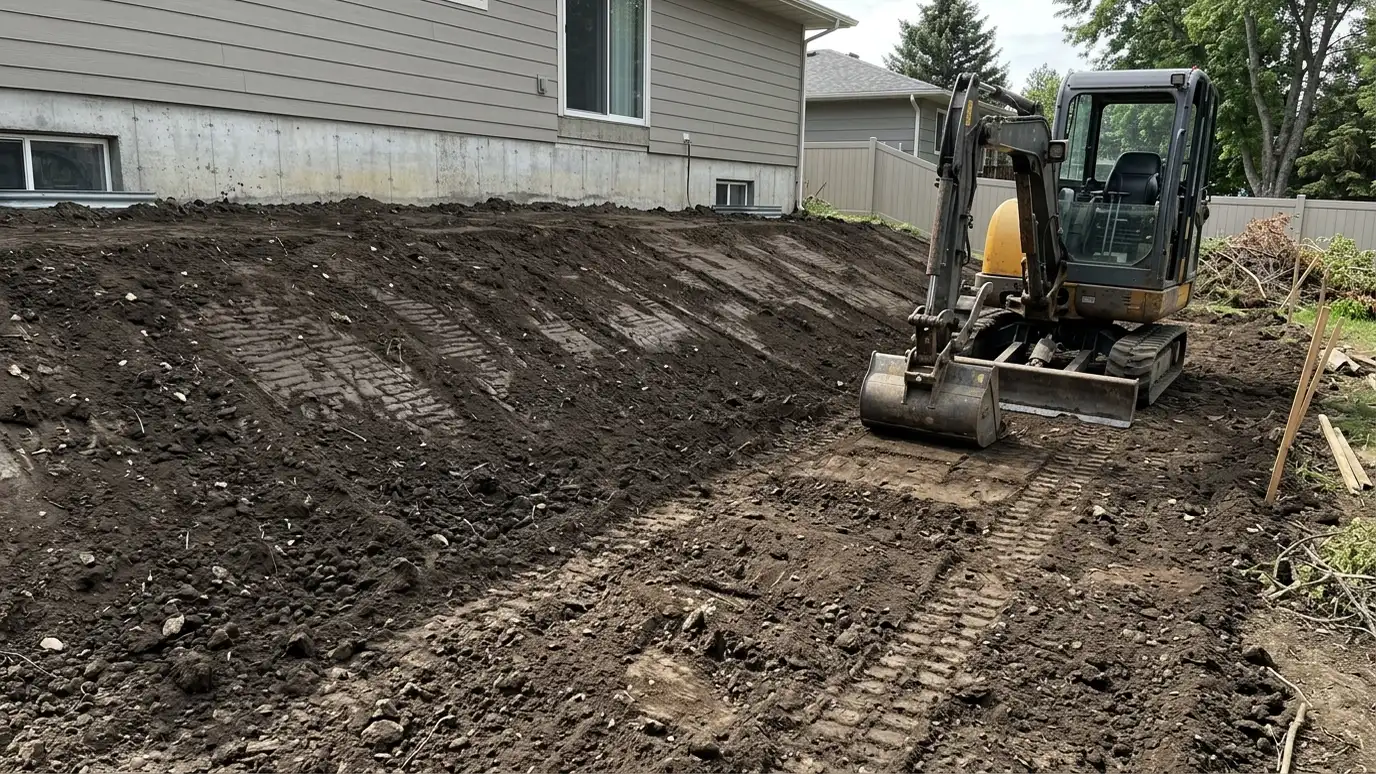 Grading and RegradingGrading and regrading that reshape the soil around your house so surface water slopes away from the foundation…Explore
Size a pump, check your home or ballpark a budget.
 Sump Pump and Dehumidifier Sizing CalculatorEnter floor area, lift, pipe run, ceiling height and dampness to see a planning pump flow or dehumidifier capacity for a basement or crawl space.Try it
 Basement Dryness Checker: How Ready Is Your Home?Pick the area, set the condition and tick what applies to see what to check, service or inspect before the next heavy rain.Try it
 Waterproofing Budget PlannerPick a drain, pump, repair, crawl space or drainage project, set the size and add allowances to see a ballpark planning range. Placeholder values only.Try it
We cannot change the table, but drains and pumps can manage the water around your house.
The water table is usually highest in wet seasons, and pressure builds.
It can crack or push on walls, which is why drainage matters.
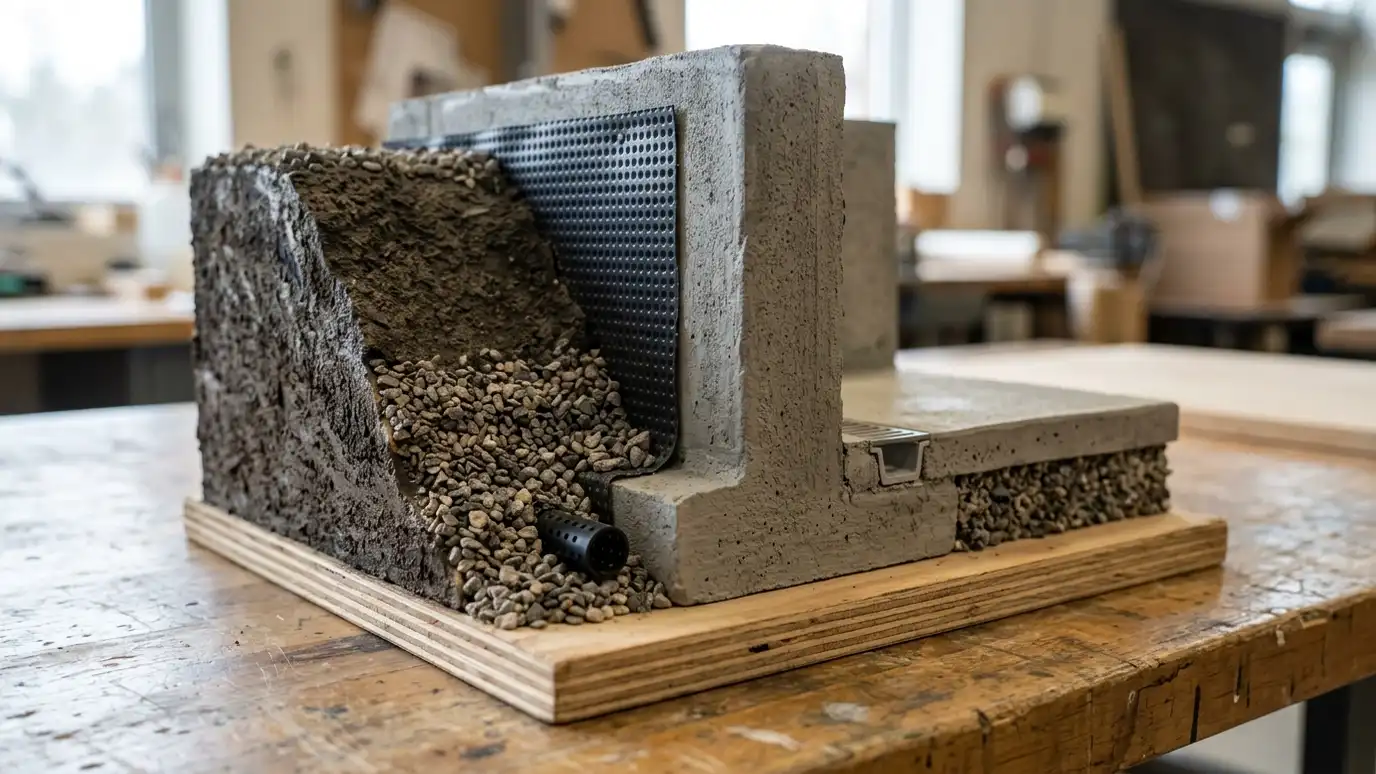 Comparison guideInterior vs ExteriorHow interior drains and exterior membranes differ in where they work, how much digging they need and what…Learn more
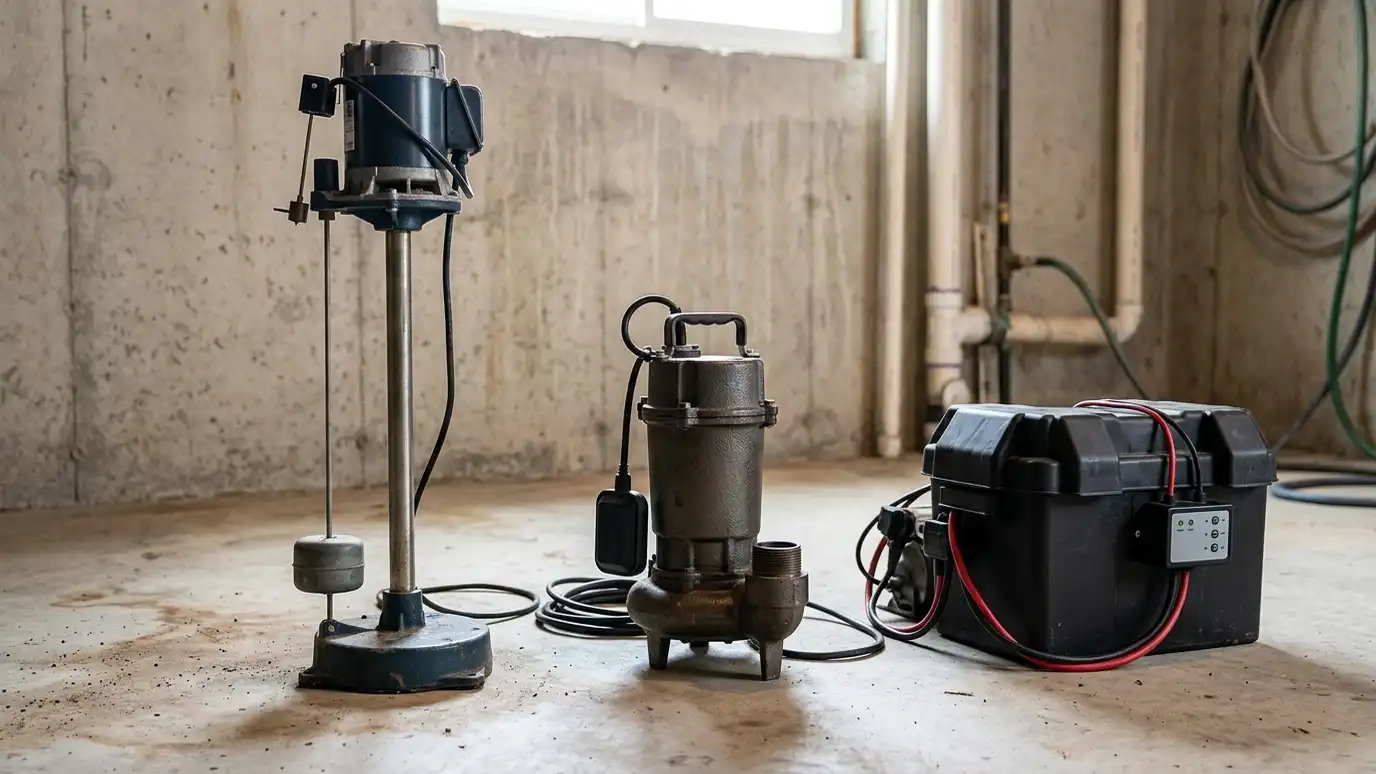 Comparison guideSump Pump TypesHow submersible, pedestal, battery backup and water-powered pumps differ in noise, life, cost to run and what happens…Learn more
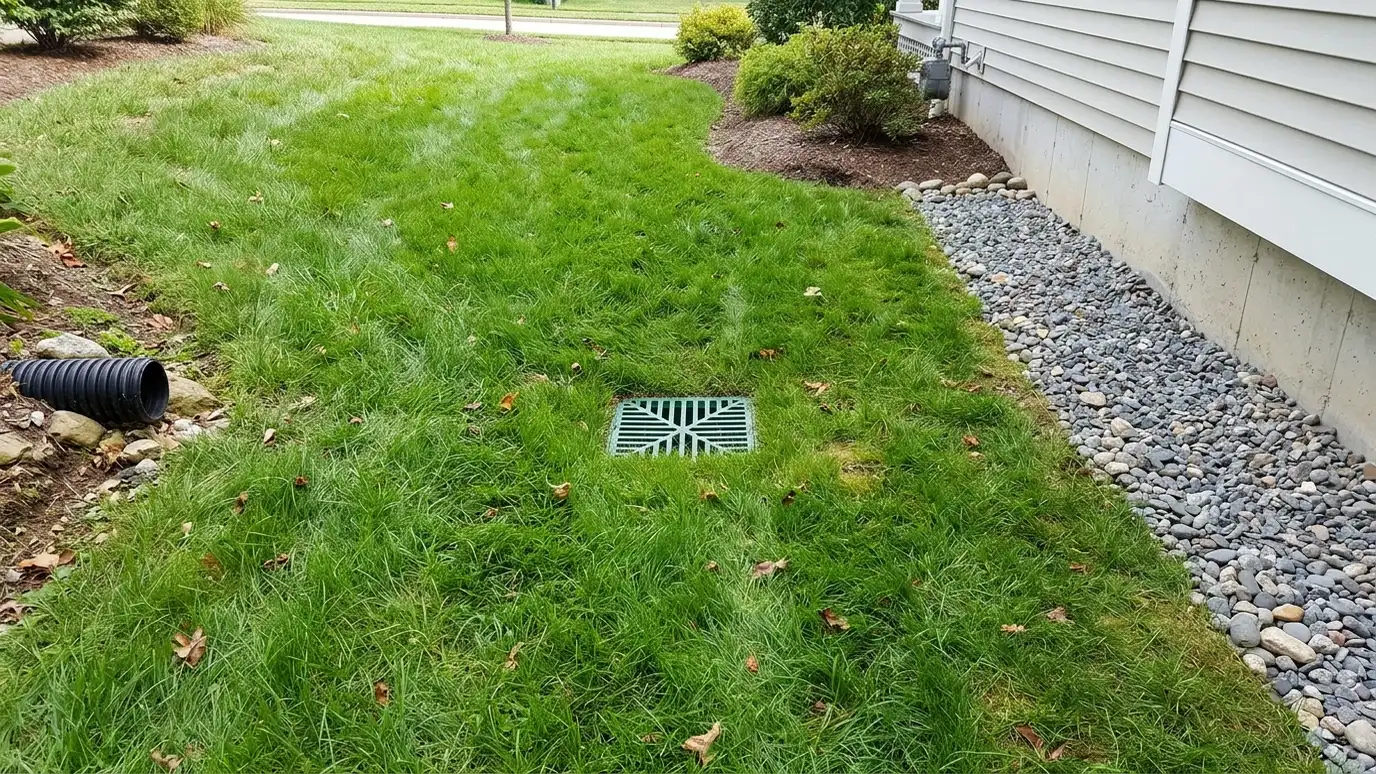 Comparison guideFrench Drain TypesHow interior, exterior footing, curtain and surface drains differ in where they collect water and where it goes.Learn more
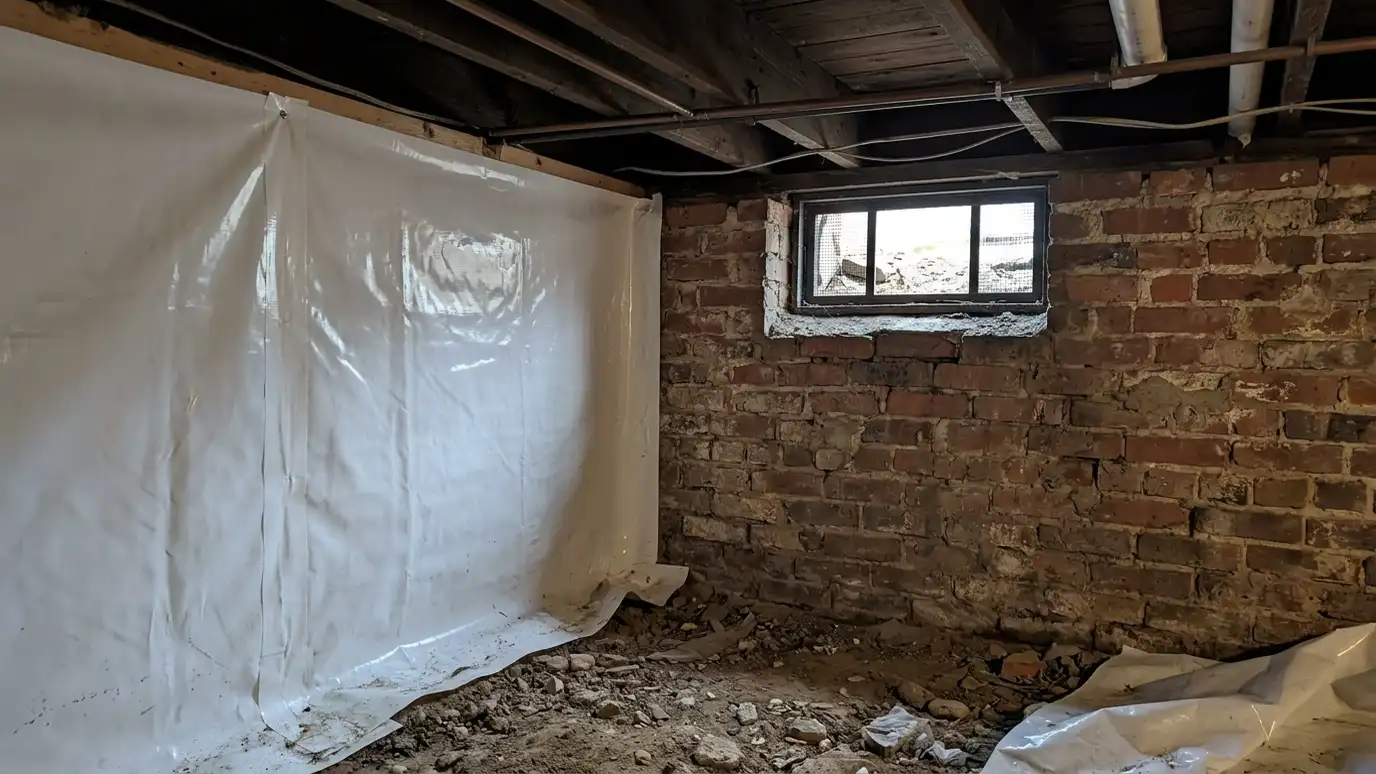 Comparison guideEncapsulation vs VentsHow a sealed, controlled crawl space differs from a vented one in moisture, air movement, insulation and upkeep.Learn more
Call us and describe what you have seen. We will visit, find the source of the water and give you a clear written plan.