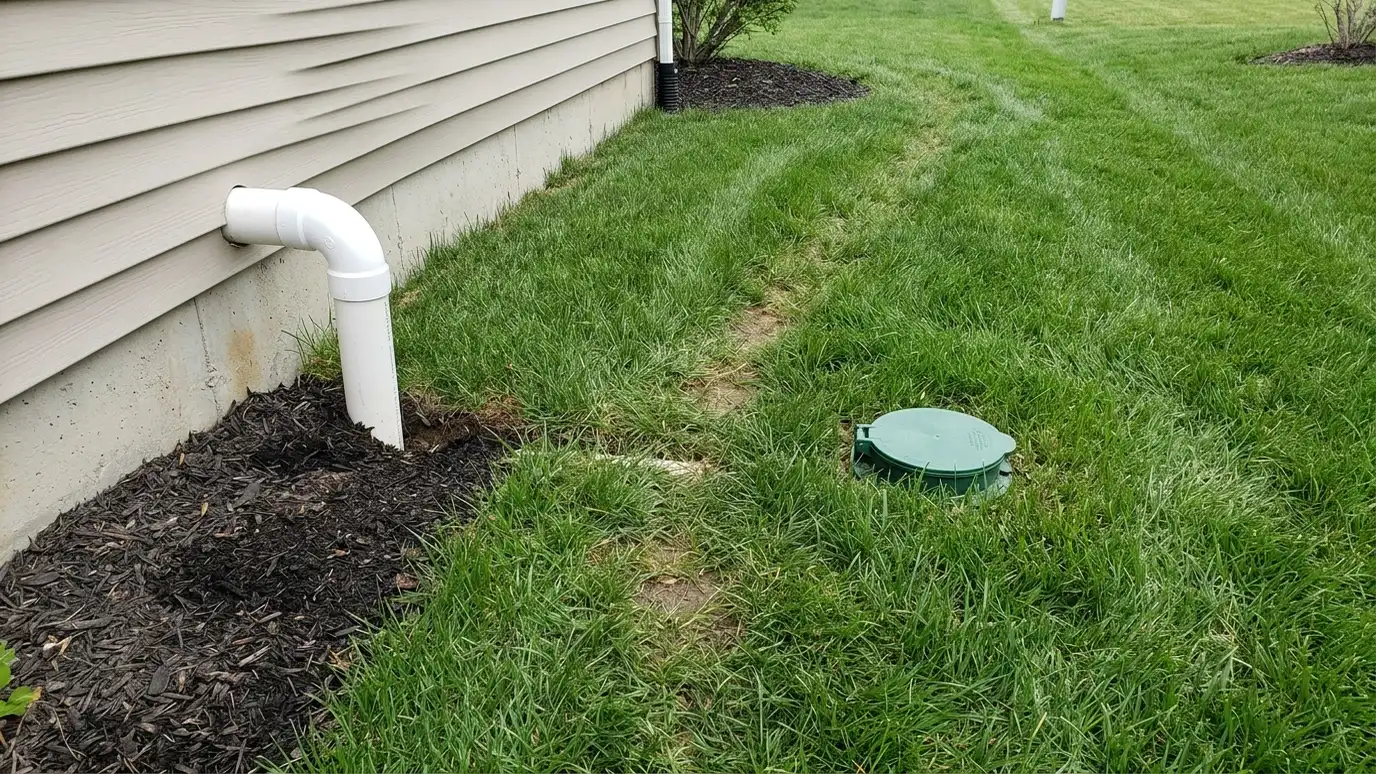
Sump pump discharge lines that carry pumped water out through a sealed pipe, a buried line and an outlet well away from the foundation and the neighbors.
A sump pump moves water out of the pit, but the water still has to go somewhere. If the discharge pipe ends near the foundation, the water simply returns to the soil and cycles back into the pit. Frozen pipes, clogged outlets and shared drive crossings add trouble. A well-planned discharge line is the quiet partner of any sump system, and in Nashville neighborhoods with small lots it often takes careful routing to keep pumped water out of the neighbor's yard.
We check the existing line, the exit through the rim joist, the pipe size and where the water ends. We plan a new route with a steady slope that avoids low spots where water can sit and freeze. We use solid pipe, add a check valve and a union near the pump and bury the line to a pop-up emitter, a daylight slope or a drain basin. We keep outlets away from the foundation, the driveway and the property line and suggest a second outlet or a screened opening in case one is blocked. We test the line with a full pump cycle.
A pump is only as good as the place it sends water.
A steady slope keeps the line draining and helps prevent freezing.
A check valve and a union make future work simple.
Outlets are planned to respect property lines and local rules.
We look at pipe size, slope and where water ends.
The outlet sits far enough that water does not return.
A steady slope prevents standing water and freezing.
Parts are placed for easy service.
The outlet respects neighbors and local rules.
We watch water leave through the outlet.
Every topic has its own page with what to expect and how we approach it.
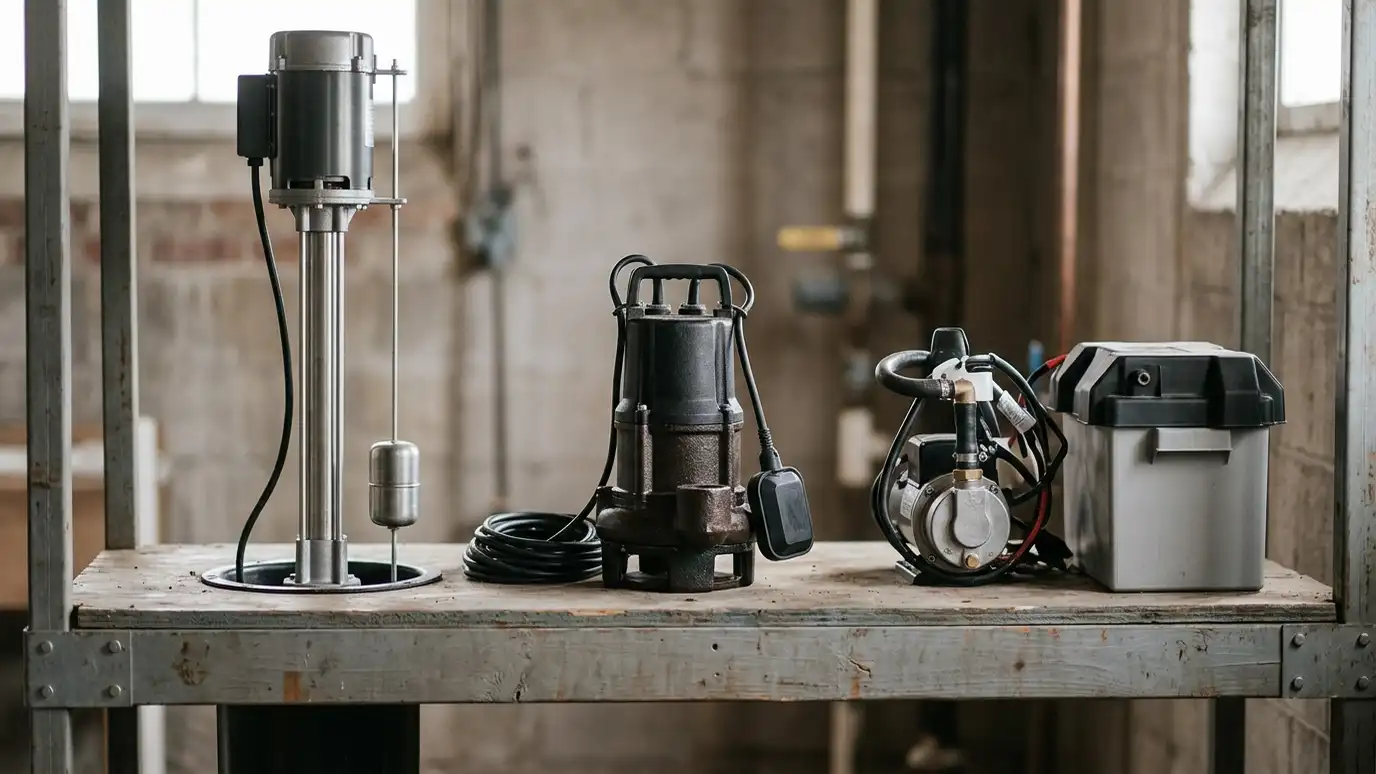
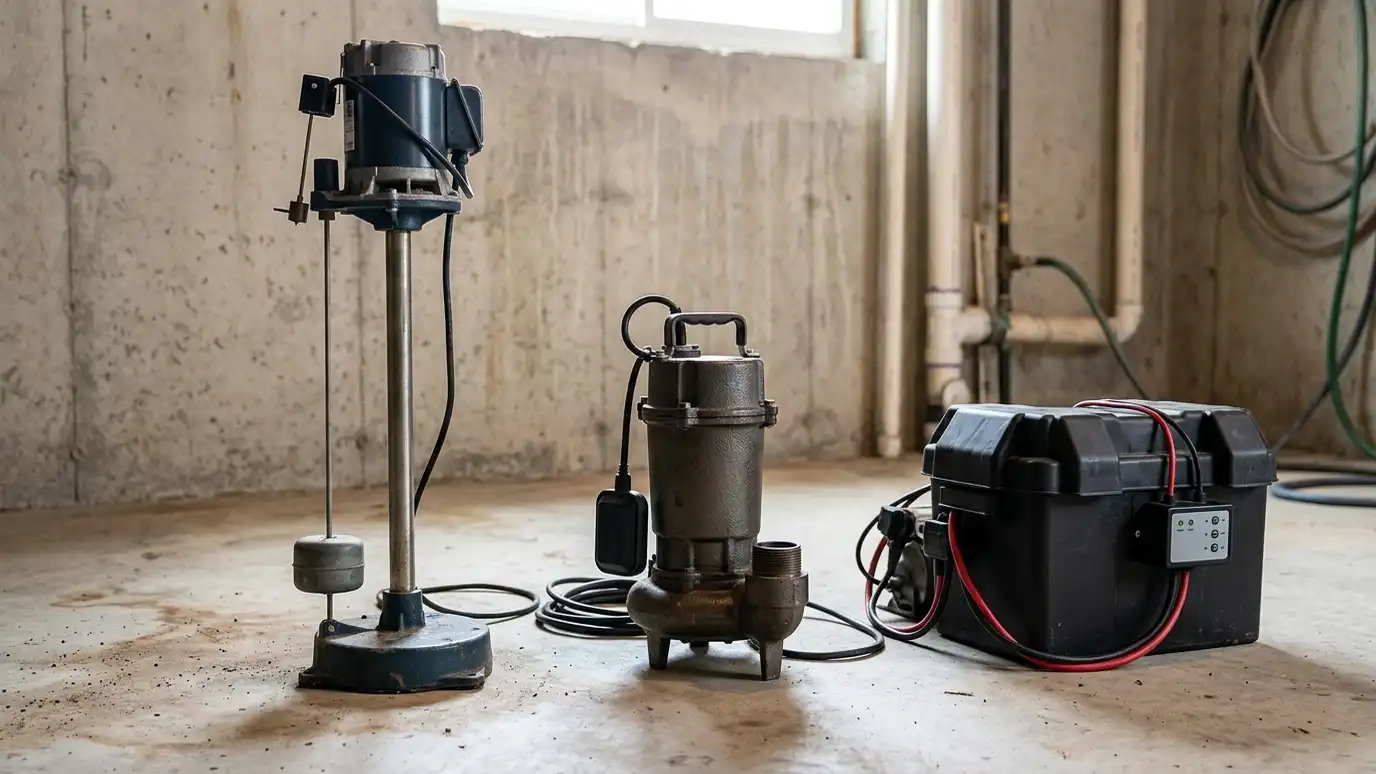 Comparison guideSump Pump TypesHow submersible, pedestal, battery backup and water-powered pumps differ in noise, life, cost to run and what happens…Learn more
 ResourceMetro Water ServicesThe Metro Nashville stormwater program, which covers drainage questions, runoff rules and flood information.Learn more ResourceMetro CodesThe Metro Nashville department that handles building permits, inspections and code questions.Learn more
Answer five questions about your property, goals and timing to see which waterproofing services to start with.
You tell us what you have seen, where and when, and we set a visit that fits your day.
We walk the outside and inside with a moisture meter, take photos, measure slopes and call for utility marking.
You review the cause, the options and a plain written scope with every line and the schedule before anything is ordered.
We handle permits, protect your property and prepare the work area, from the floor edge to the trench.
We install drains, pumps, liners or repairs, restore floors and lawns and test every system with water.
We walk the job with you, share a care guide and schedule a first checkup.
Away from the foundation and the neighbors, onto a slope or into a basin or approved line.
Usually not. Local rules often forbid it. We explain what applies.
A steady slope so it drains fully lowers the risk.
Yes, with solid pipe and a clean outlet.
We suggest screened openings and a secondary outlet.
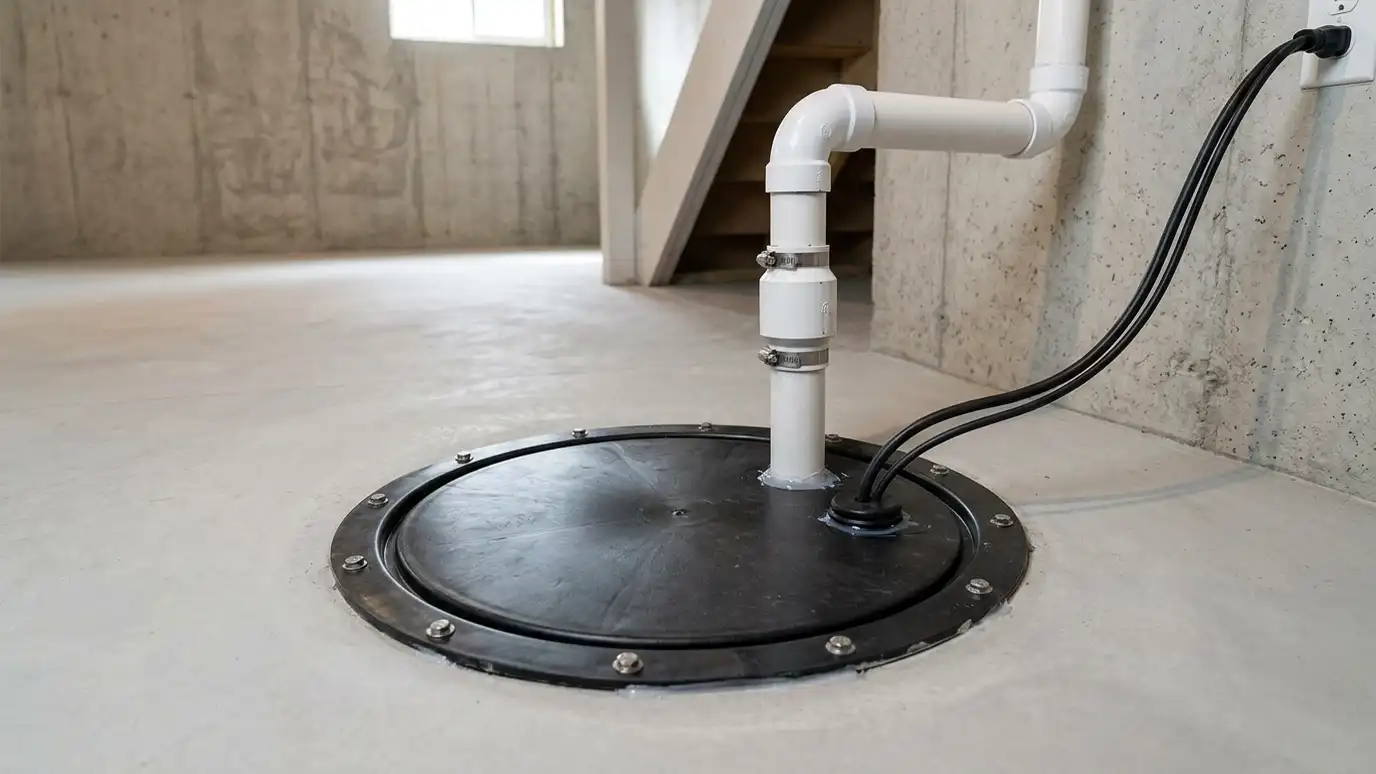 Sump Pump InstallationSump pump installation with a properly sized pit, a quality pump, a check valve, a sealed lid and…Explore
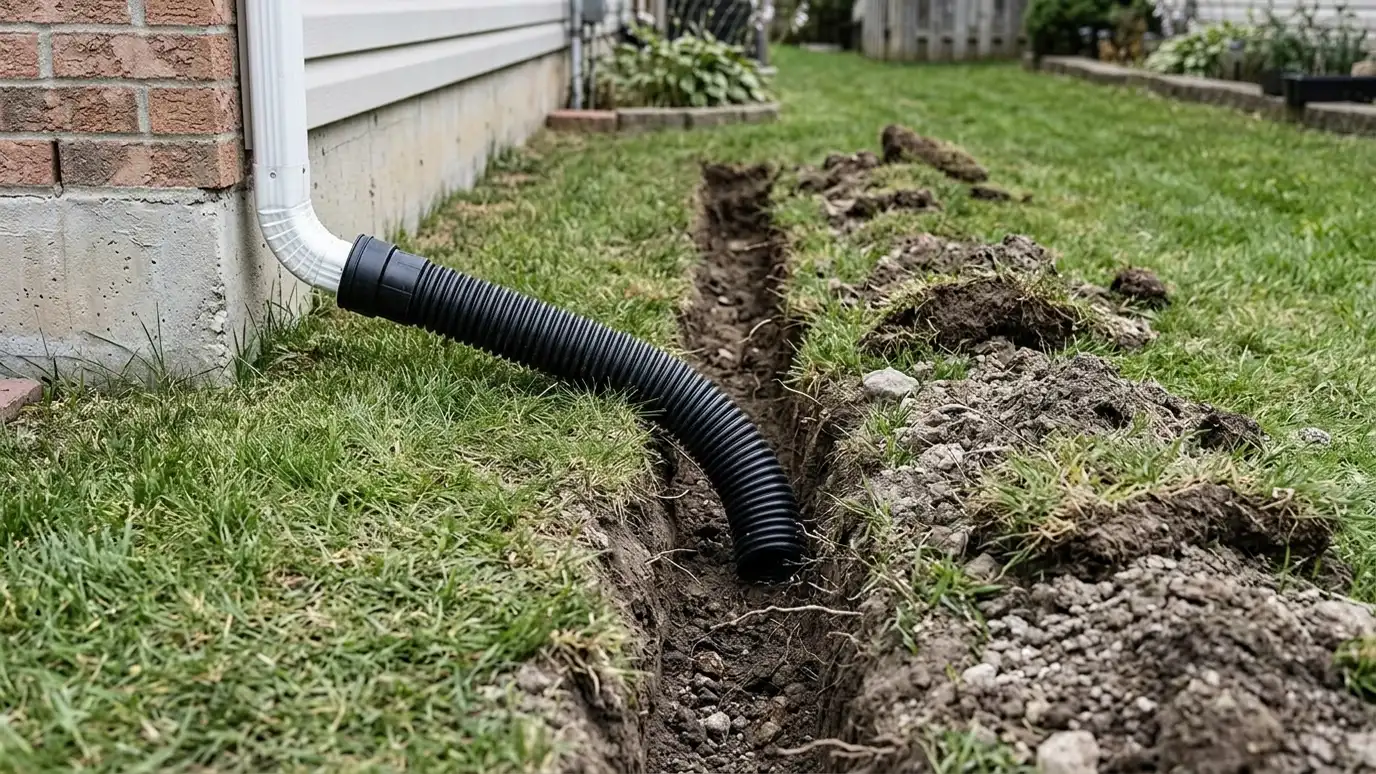 Downspout Extensions and Underground Drain LinesDownspout extensions and underground drain lines that carry roof water far from the foundation, to the street, a…Explore
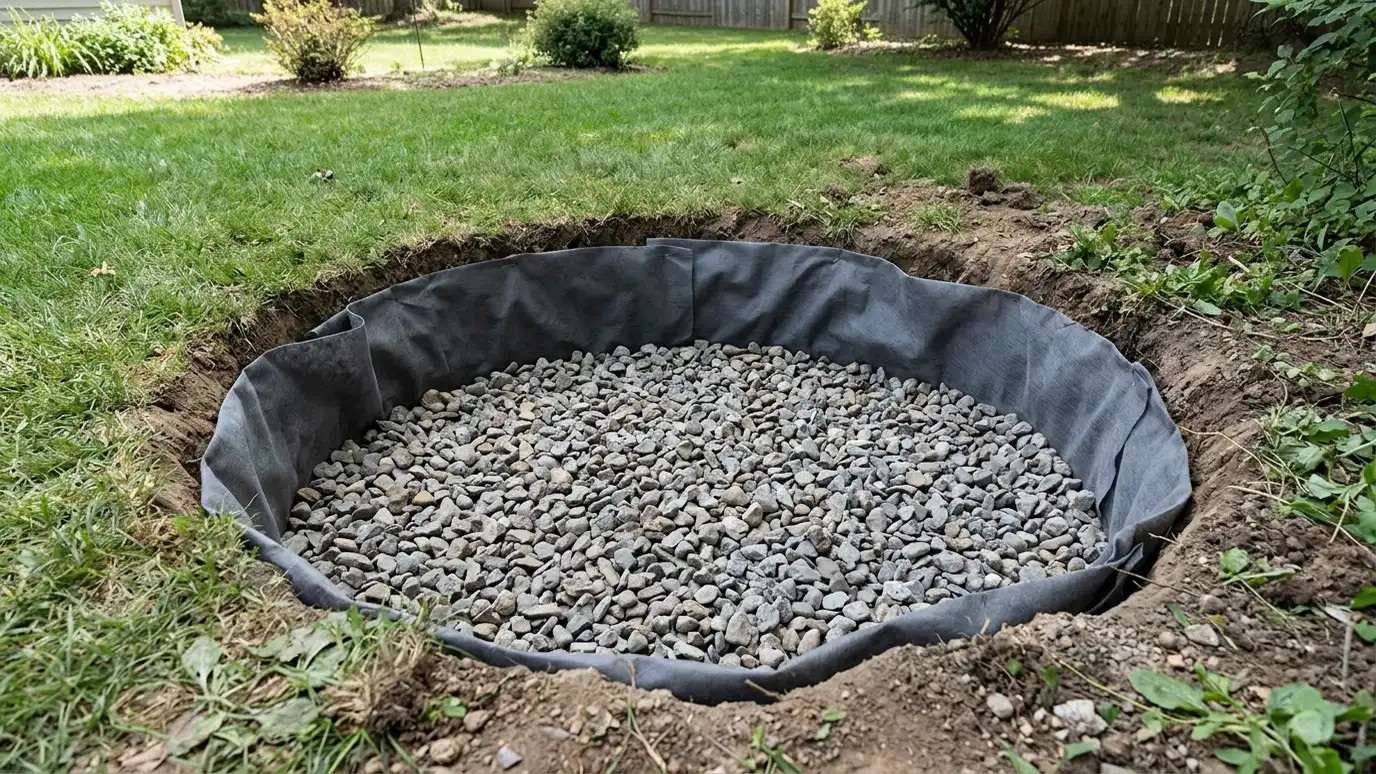 Dry Wells and Drainage BasinsDry wells and drainage basins that collect roof and yard water underground and let it soak into the…Explore
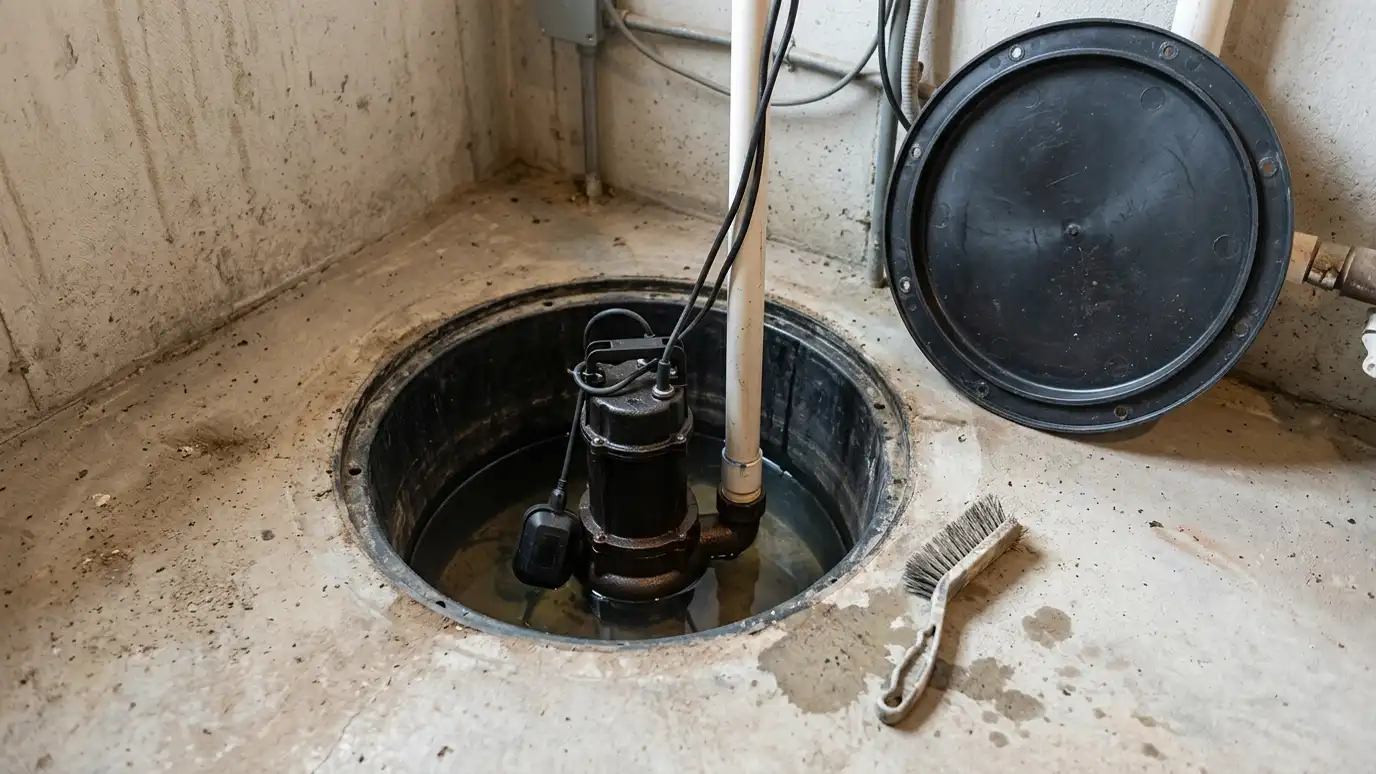 Sump Pump Maintenance and ServiceSump pump maintenance and service that cleans the pit, tests the float and check valve, inspects the discharge…Explore
Tell us about your property and we will call you back to set up a visit.
Or call (615) 357-7797 to talk now.