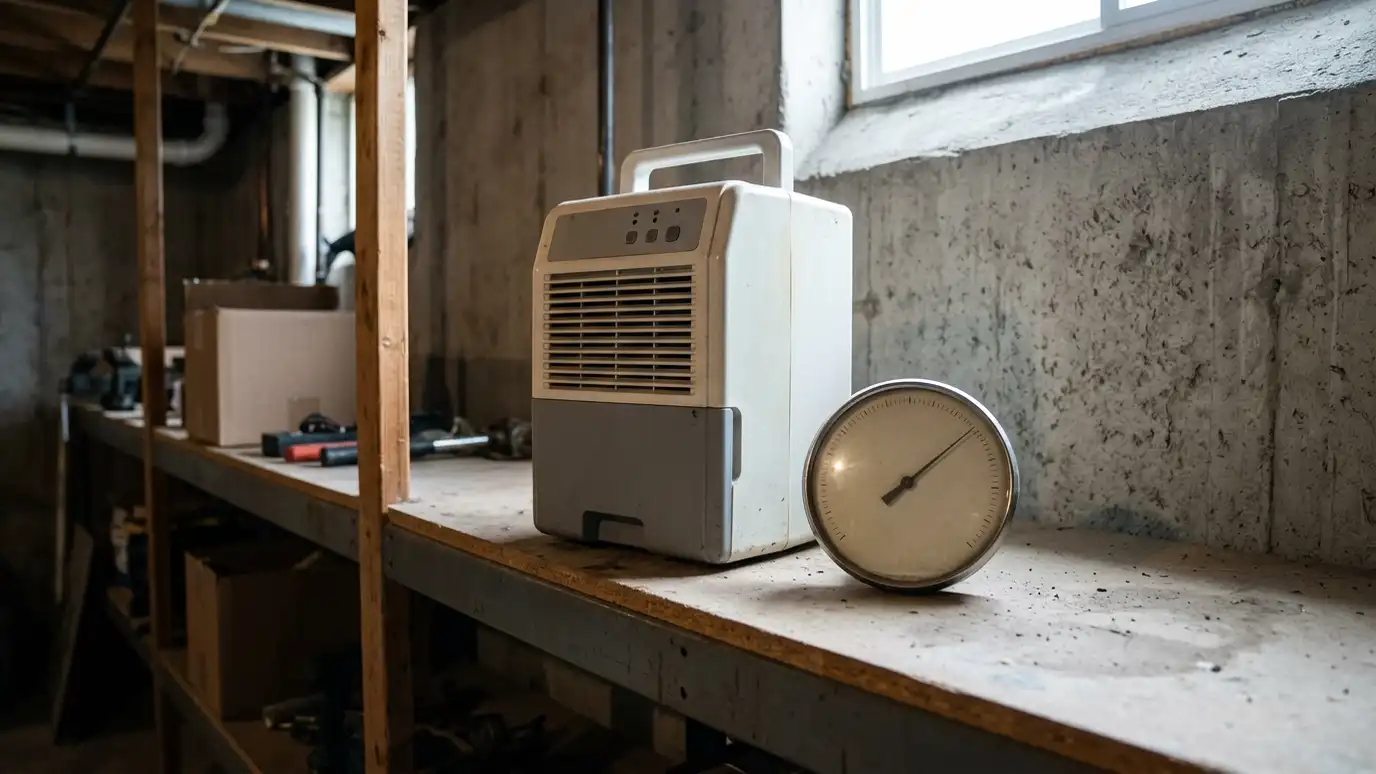
How room size, dampness and sealing decide the dehumidifier you need, and how drains, monitors and airflow help.
A dehumidifier pulls water out of the air, and its capacity is usually listed in pints per day under a standard test. A bigger room or a damper space needs more capacity, but the numbers on the box are only a starting point. Tight, sealed spaces need less, and leaky, damp ones need more. The conditions in the room, like temperature, matter too, because many units work less well in cool places.
In Middle Tennessee, summers are warm and muggy, and a basement that is fine in March can feel clammy in July. A good plan includes sealing air leaks, fixing liquid water, choosing a unit built for the space, giving it a drain and adding a humidity monitor. Many Nashville homeowners are surprised how much a steady target, set and watched, improves the room.
More floor area and ceiling height need more capacity.
Wet or very damp spaces need larger units.
Sealed spaces ask less of the unit.
Many units run most efficiently in warm rooms and struggle in cold ones.
A drain line avoids daily emptying.
A humidity gauge shows if you are in range.
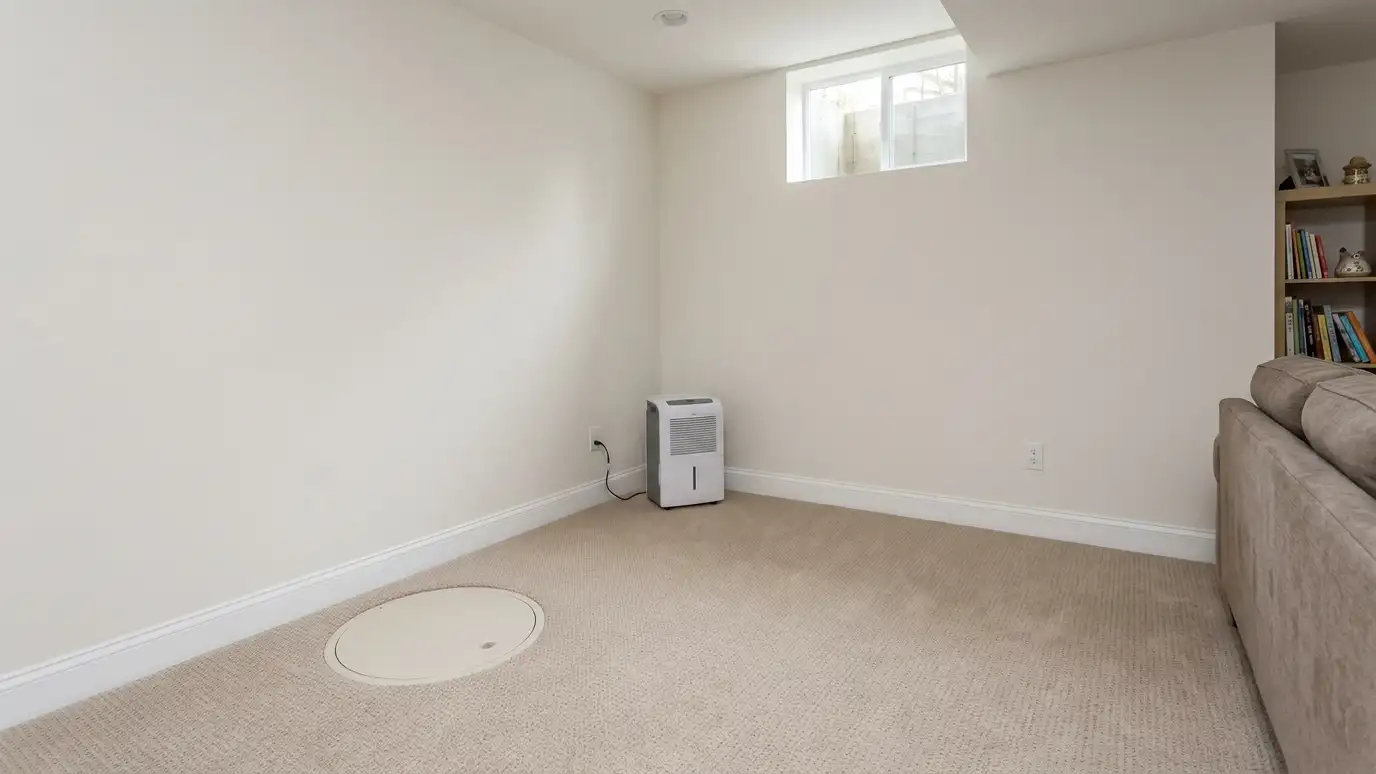 Finished Basement Water Damage ProtectionFinished basement water damage protection with drainage, sump pumps, alarms and smart choices of materials, so the rooms…Explore
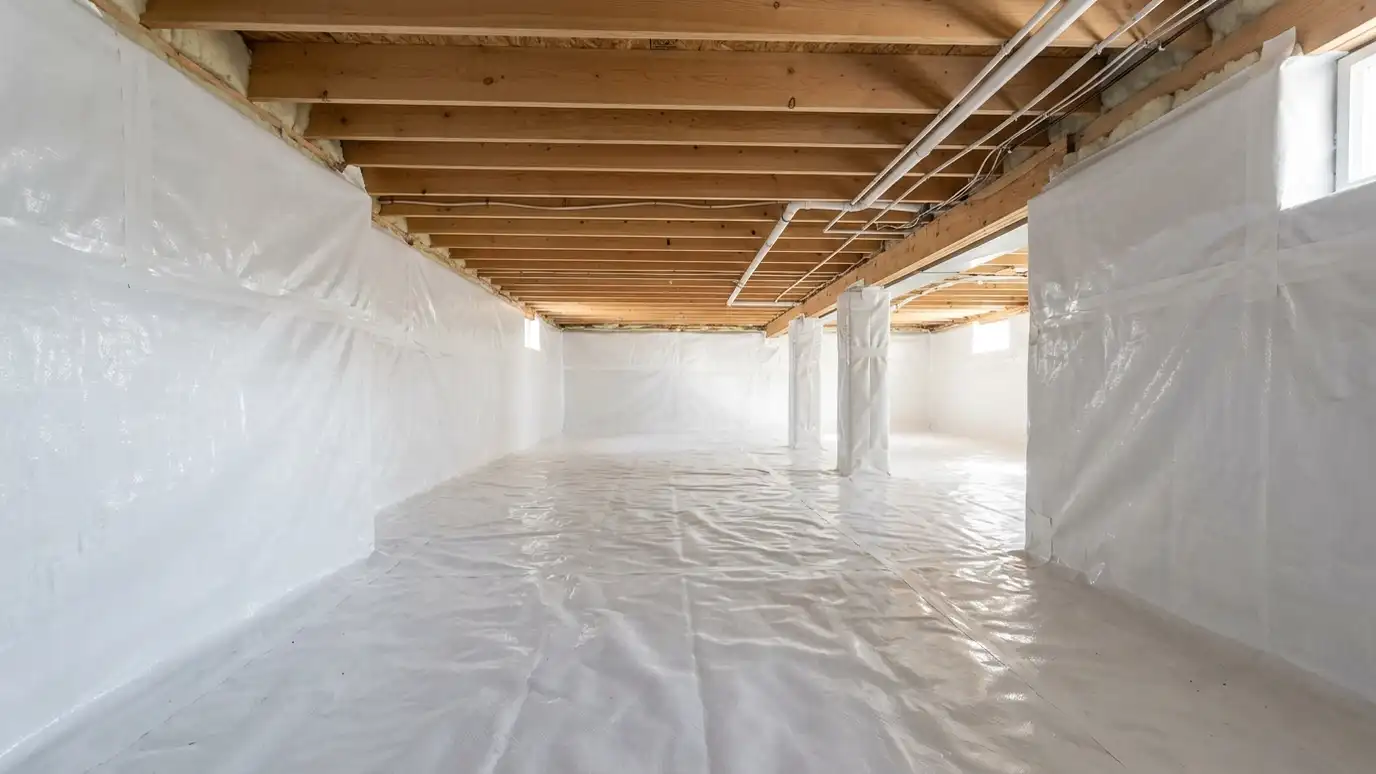 Crawl Space EncapsulationCrawl space encapsulation that seals the floor, walls and vents with a heavy liner and controls humidity, so…Explore
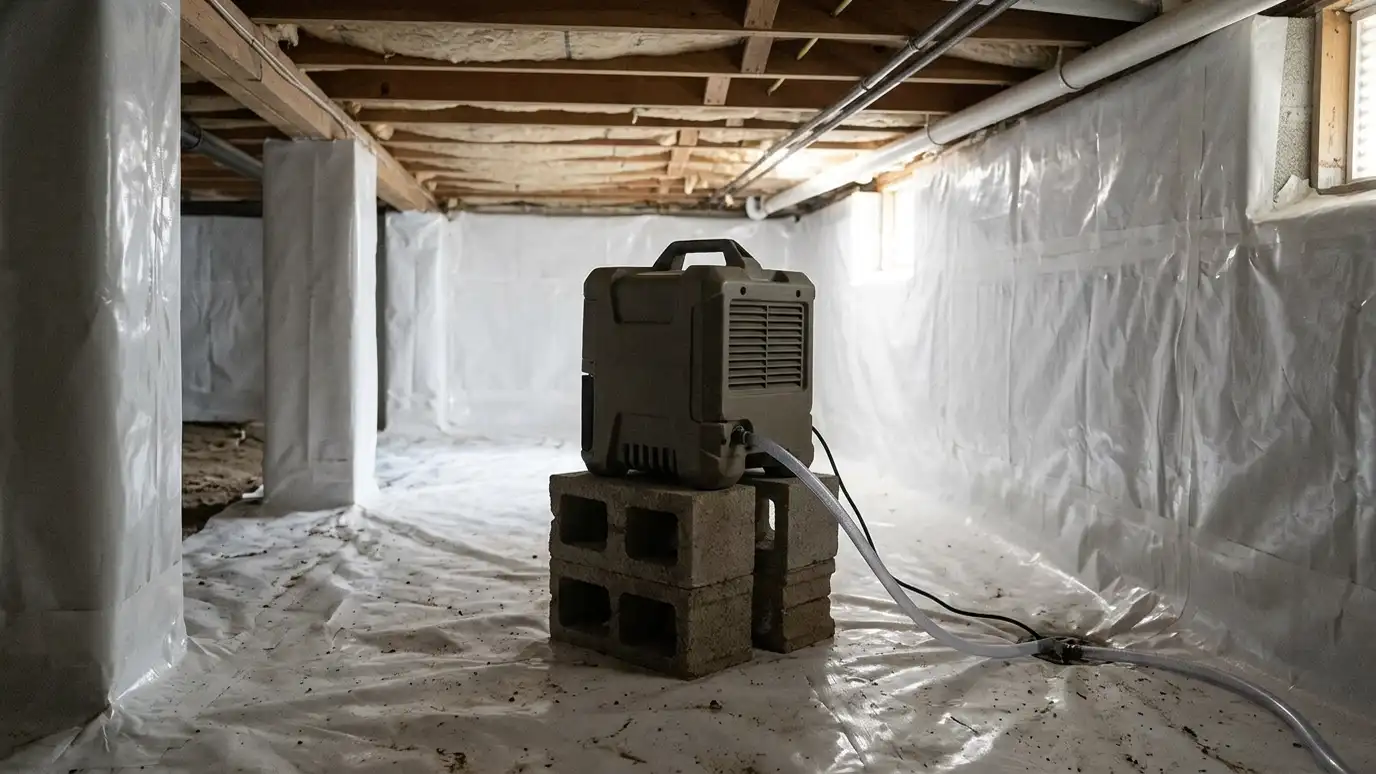 Crawl Space DehumidifiersCrawl space dehumidifiers sized for the area and the moisture load, with a drain line to a pump…Explore
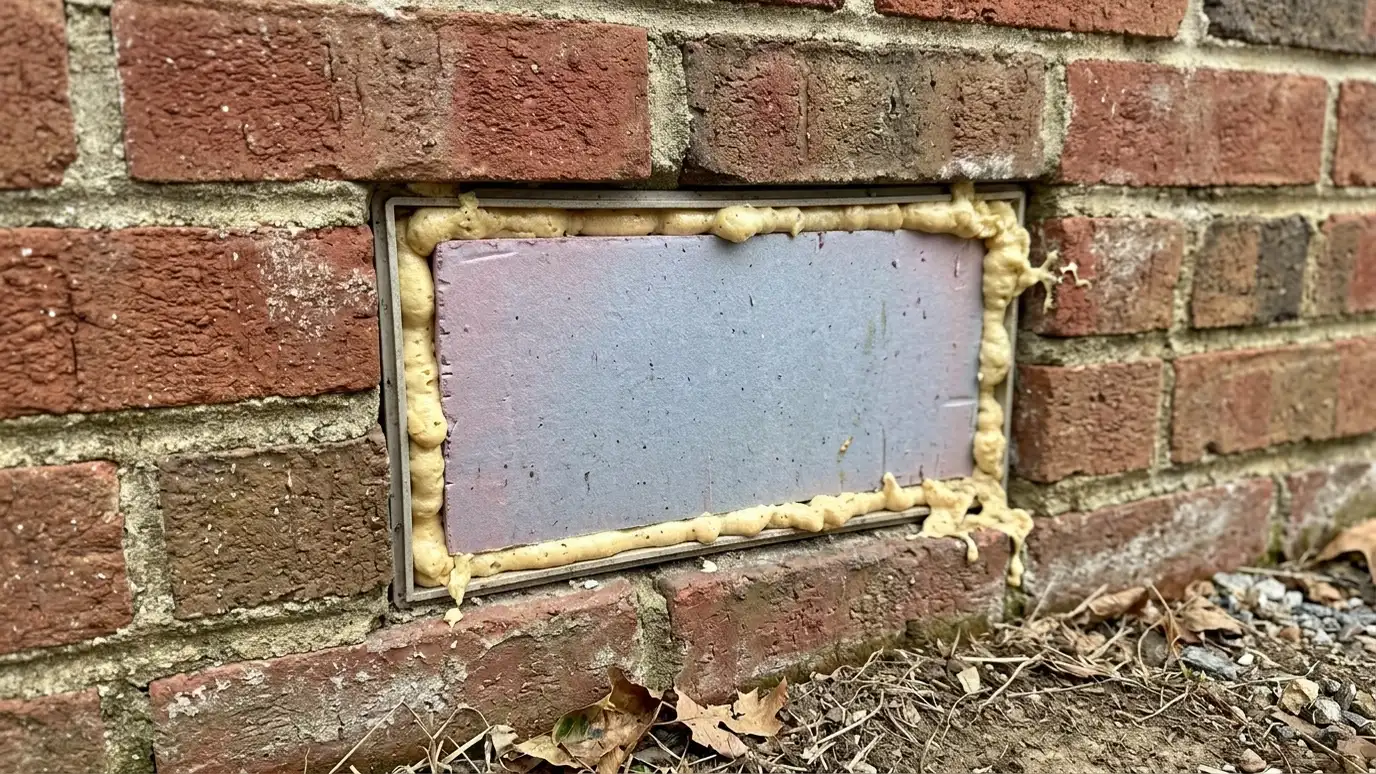 Crawl Space Vent Sealing and ClosingCrawl space vent sealing and closing with rigid foam, vent covers or framed infill, done as part of…Explore
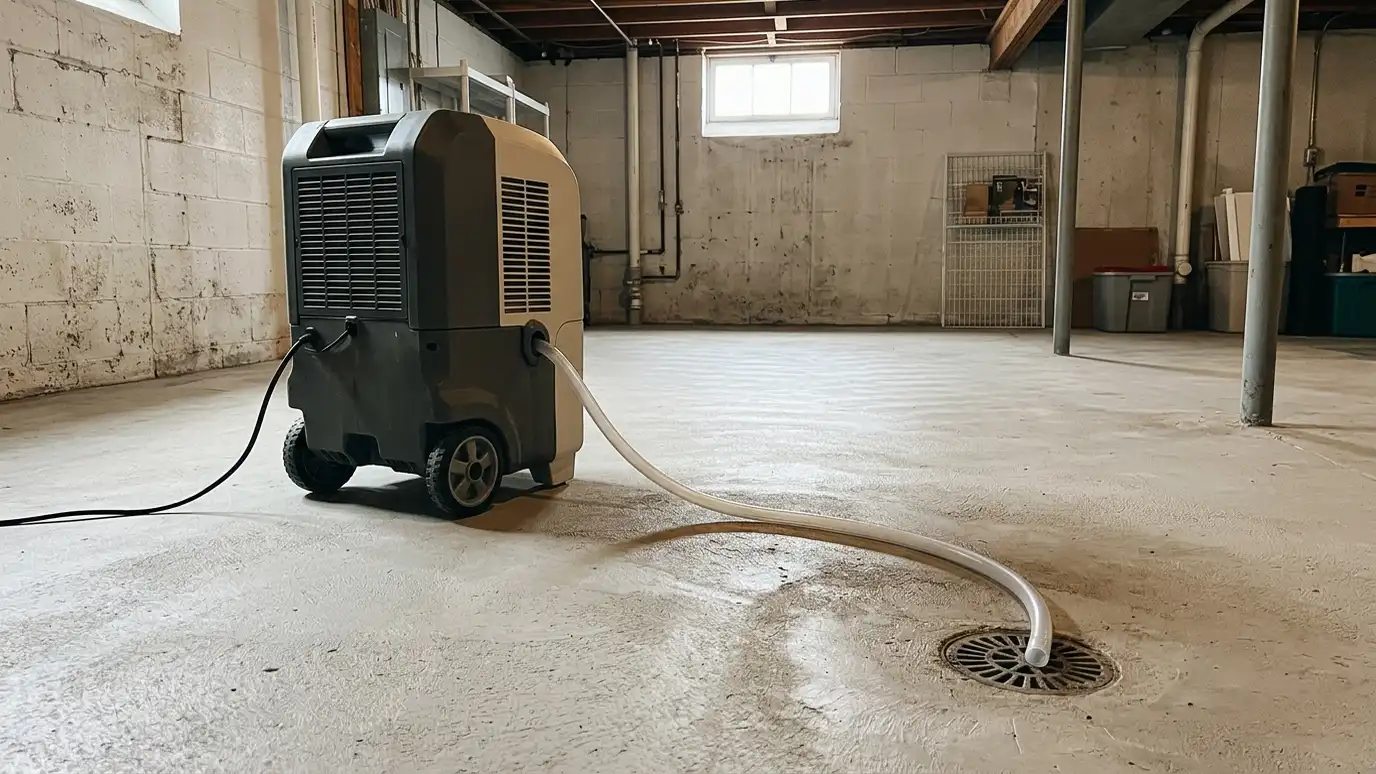 Basement Dehumidifiers and Humidity ControlBasement dehumidifiers and humidity control with the right size, a drain line and a humidity monitor, so damp…Explore
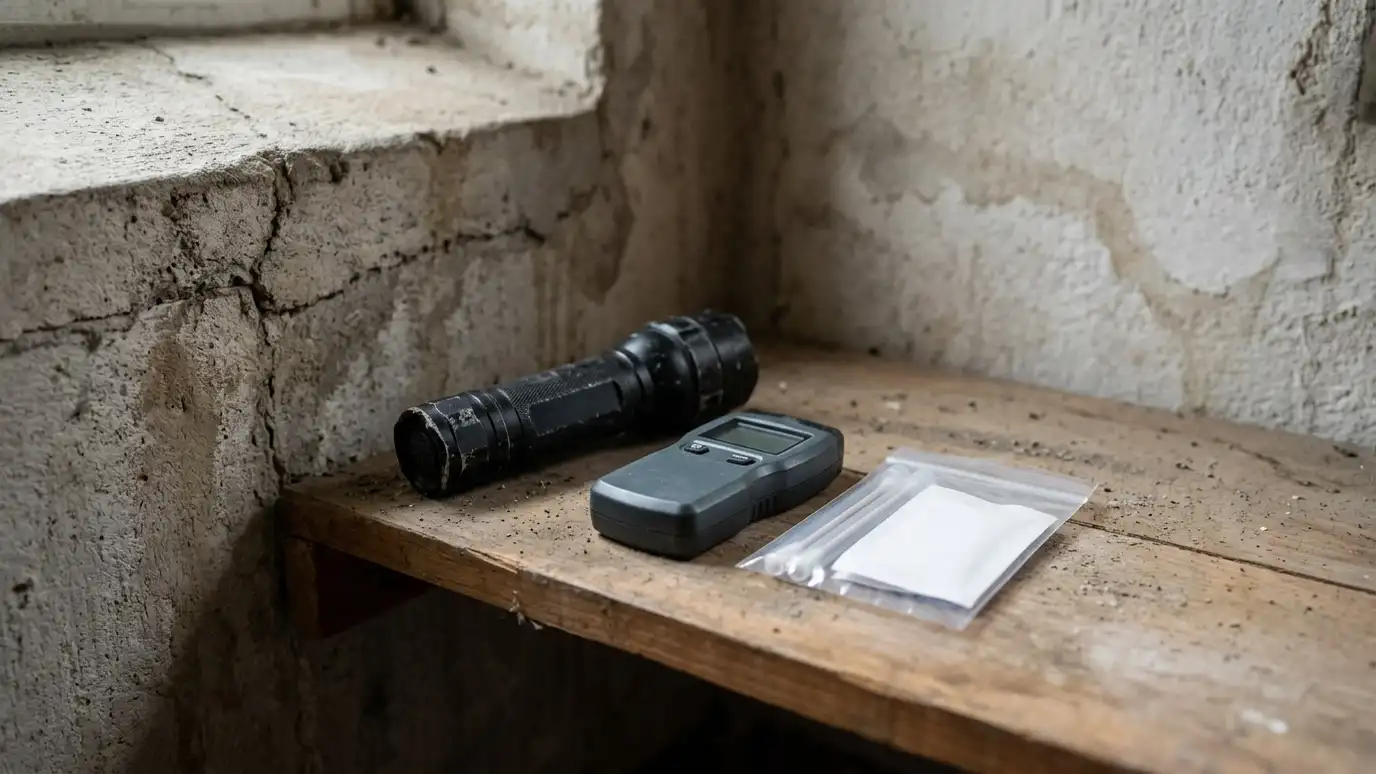 Mold Inspection and TestingMold inspection and testing that finds visible growth and hidden moisture, with photos, moisture readings and advice on…Explore
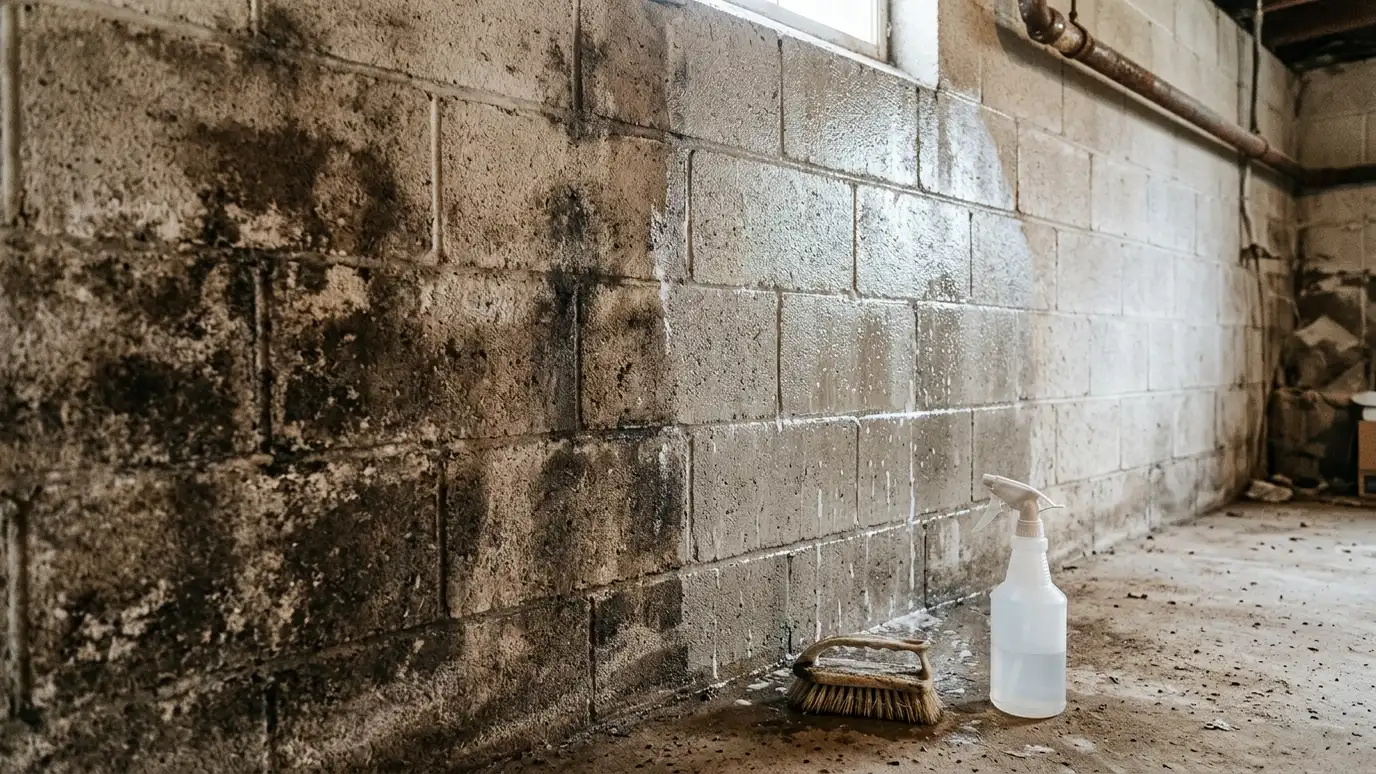 Mold Removal and CleanupMold removal and cleanup for basements and crawl spaces that contains the work, removes damaged materials, cleans surfaces…Explore
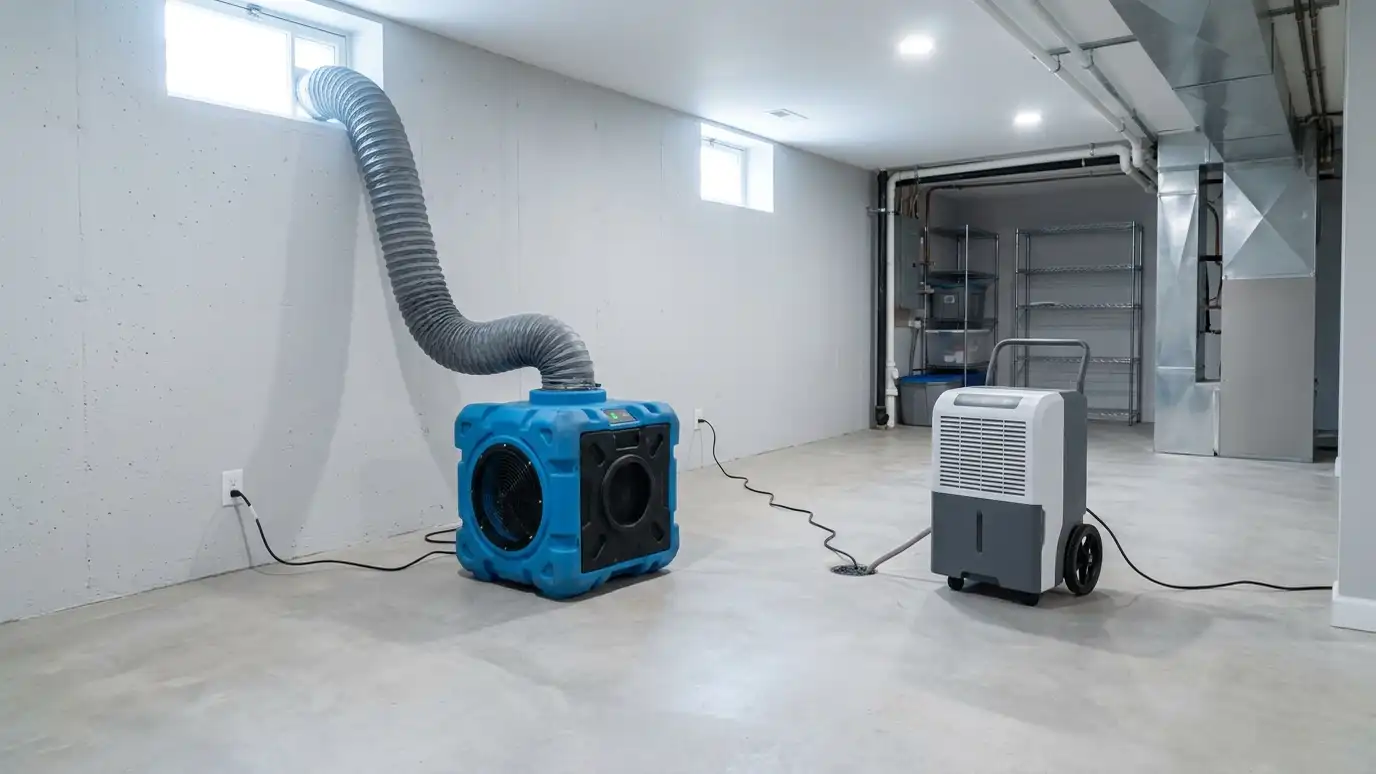 Musty Odor RemovalMusty odor removal that traces smells to damp materials, hidden moisture or stale air, then fixes the cause…Explore
Size a pump, check your home or ballpark a budget.
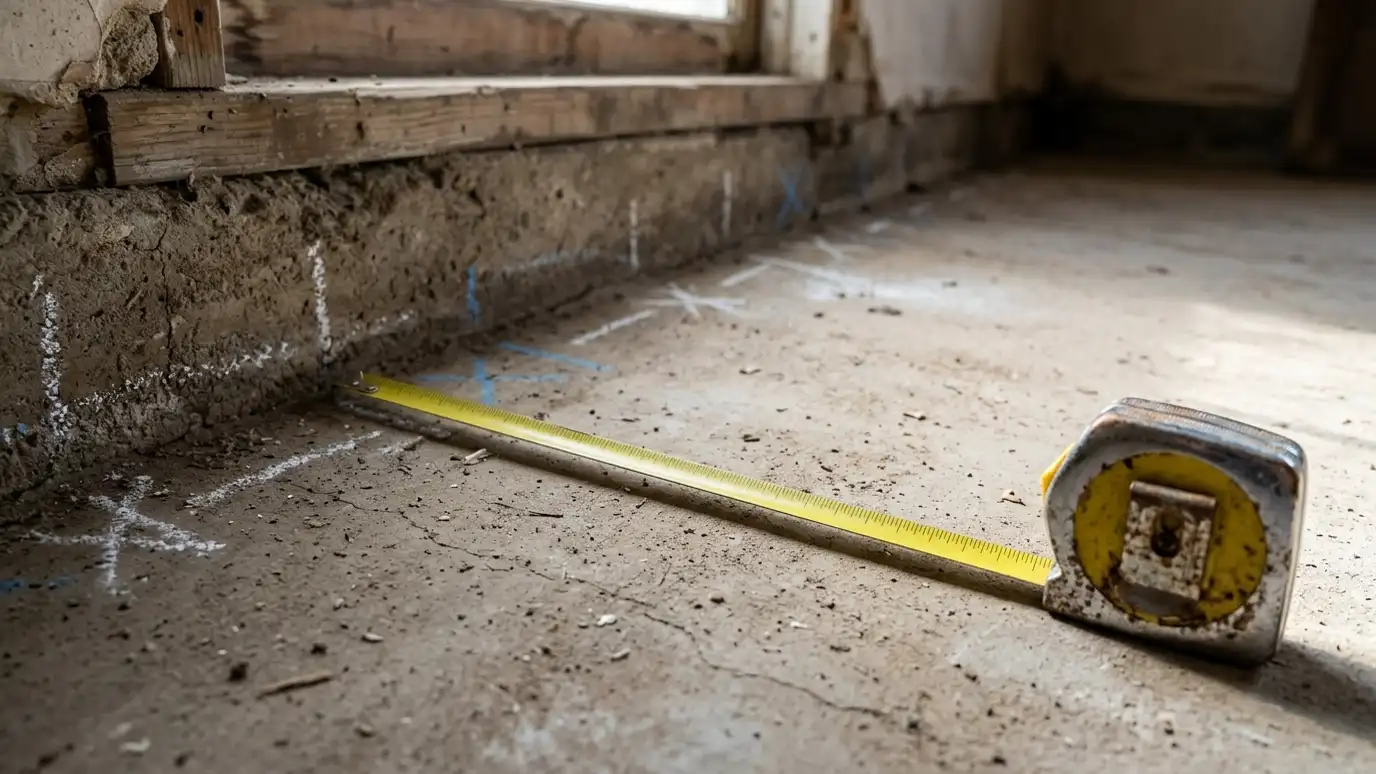 Sump Pump and Dehumidifier Sizing CalculatorEnter floor area, lift, pipe run, ceiling height and dampness to see a planning pump flow or dehumidifier capacity for a basement or crawl space.Try it
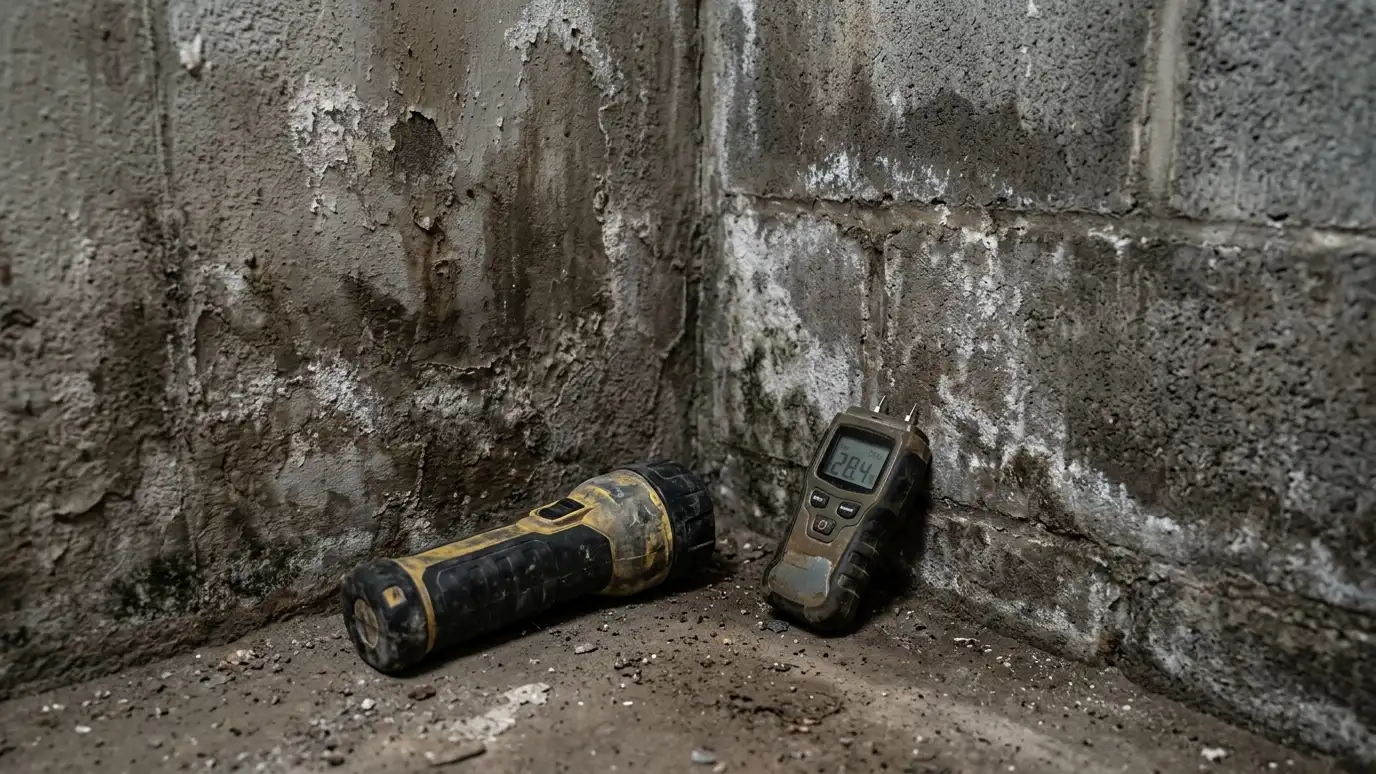 Basement Dryness Checker: How Ready Is Your Home?Pick the area, set the condition and tick what applies to see what to check, service or inspect before the next heavy rain.Try it
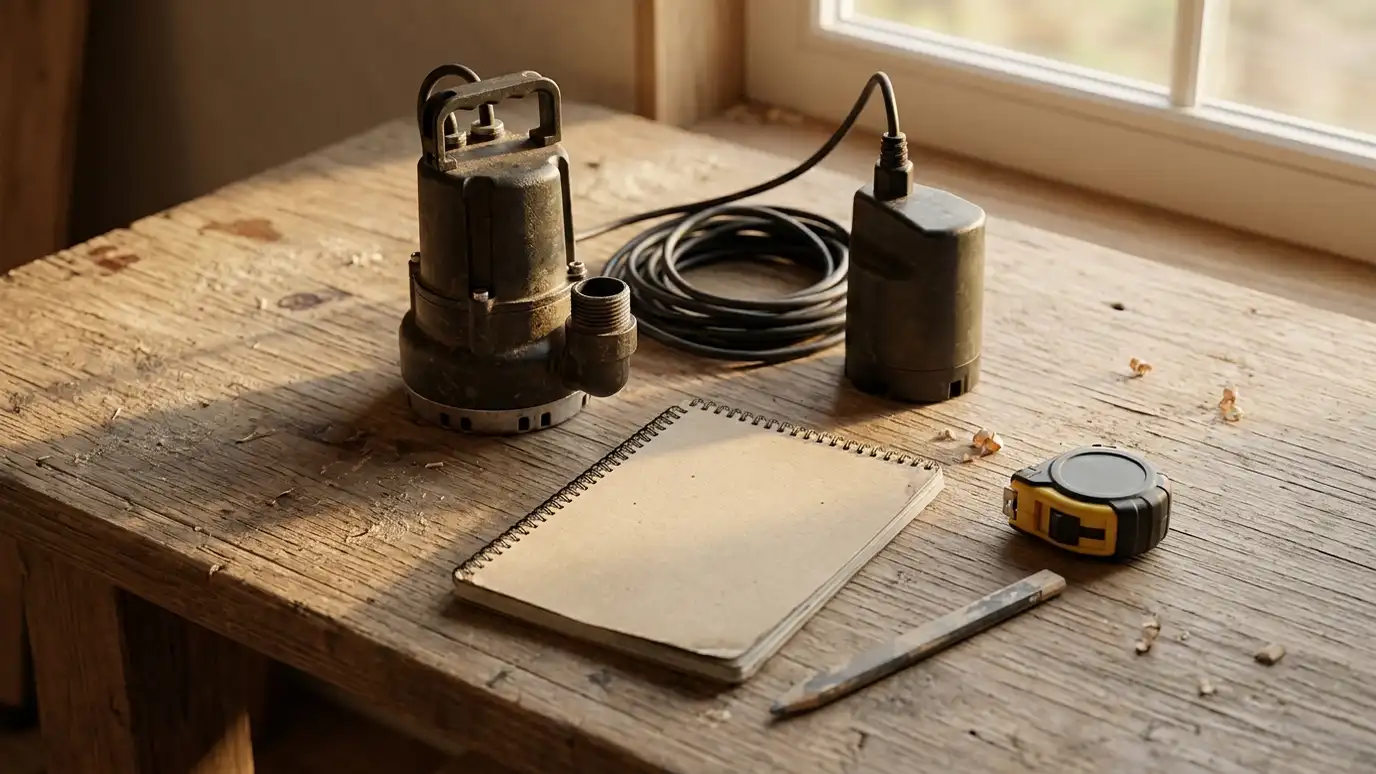 Waterproofing Budget PlannerPick a drain, pump, repair, crawl space or drainage project, set the size and add allowances to see a ballpark planning range. Placeholder values only.Try it
No. It handles humid air, not liquid water entering the space.
Use room size, dampness and sealing as a guide, then ask for advice. Our sizing tool helps.
Many owners use a humidity setting and let the unit cycle. We explain targets for your space.
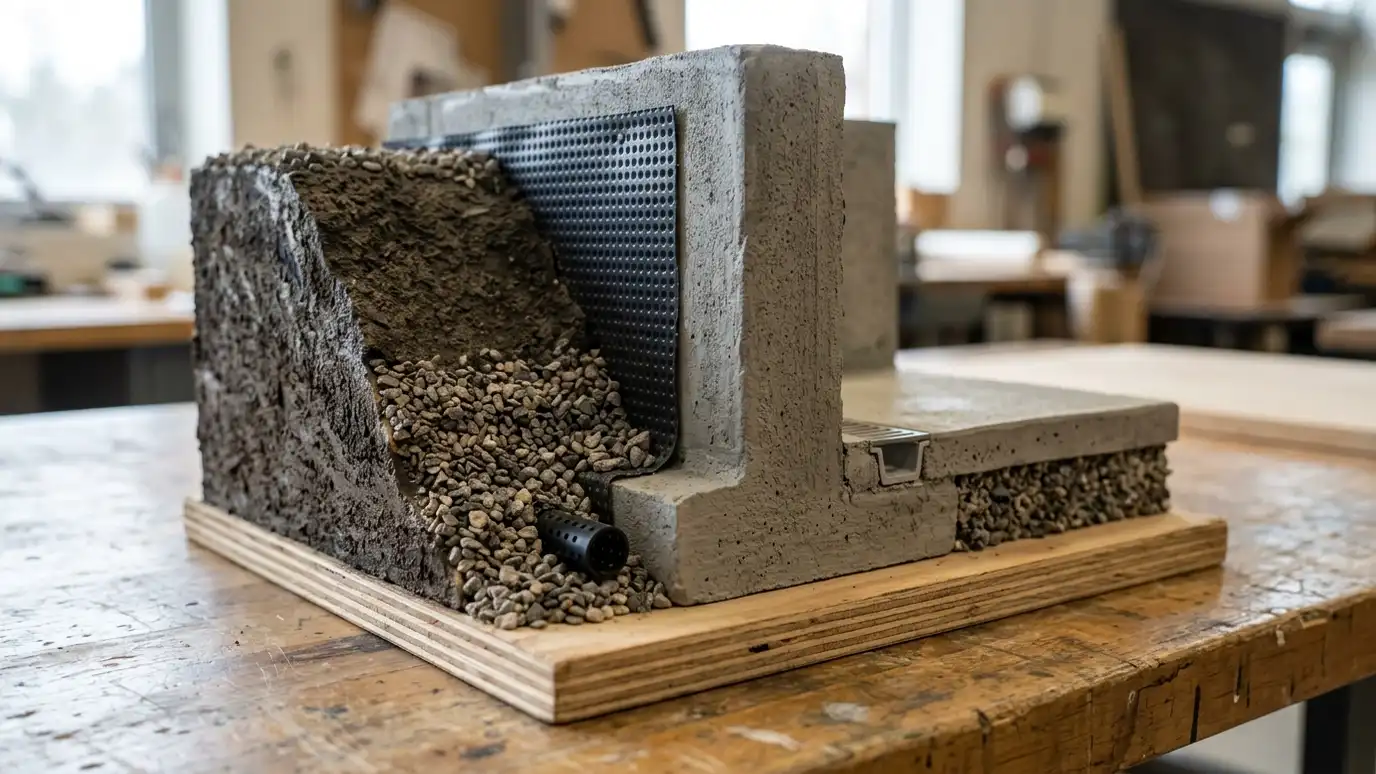 Comparison guideInterior vs ExteriorHow interior drains and exterior membranes differ in where they work, how much digging they need and what…Learn more
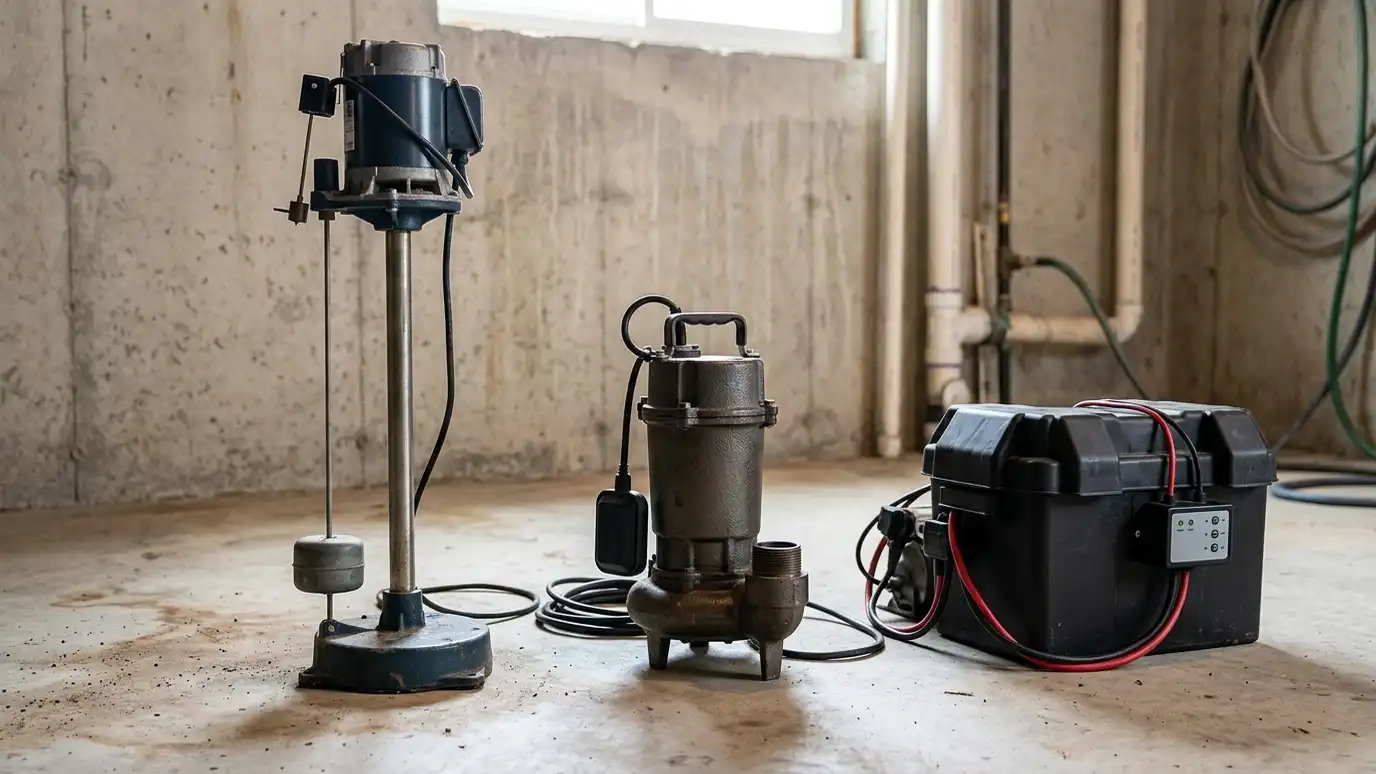 Comparison guideSump Pump TypesHow submersible, pedestal, battery backup and water-powered pumps differ in noise, life, cost to run and what happens…Learn more
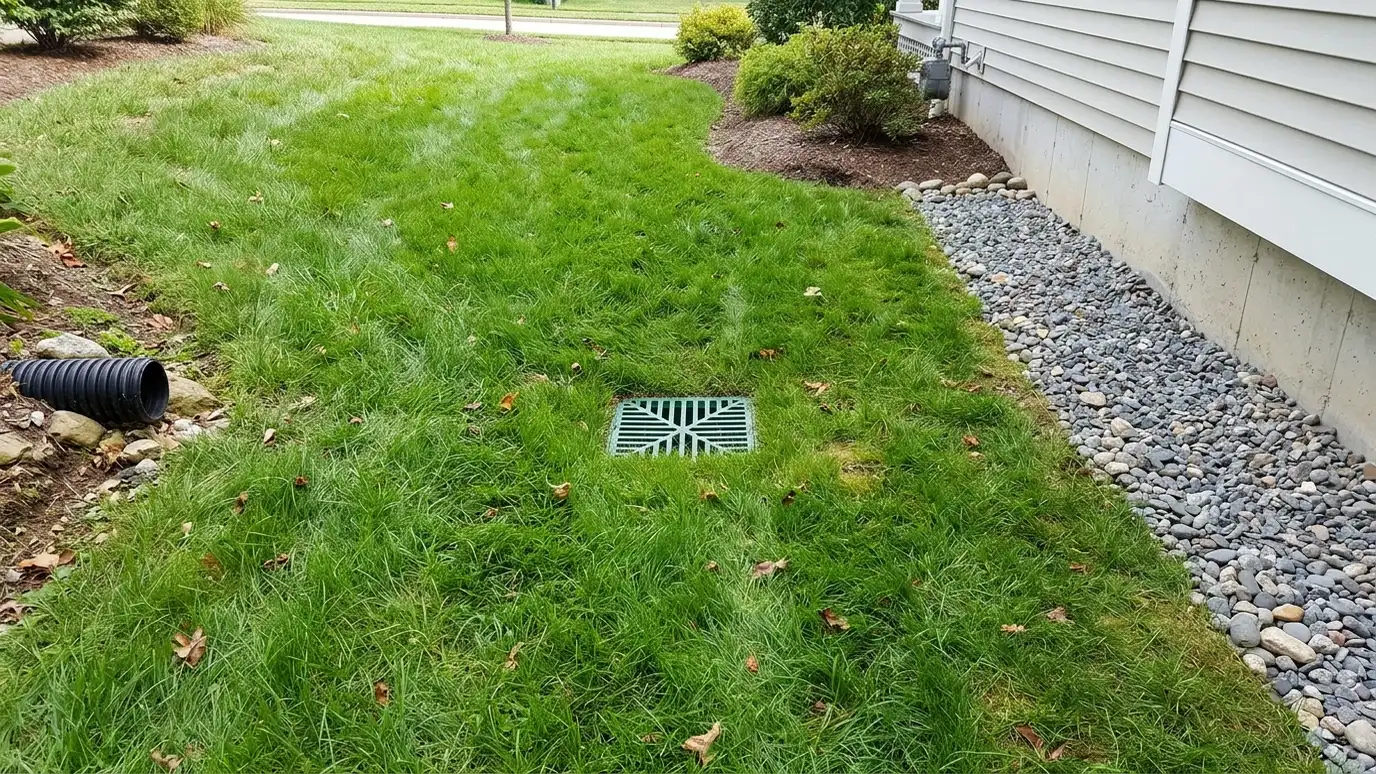 Comparison guideFrench Drain TypesHow interior, exterior footing, curtain and surface drains differ in where they collect water and where it goes.Learn more
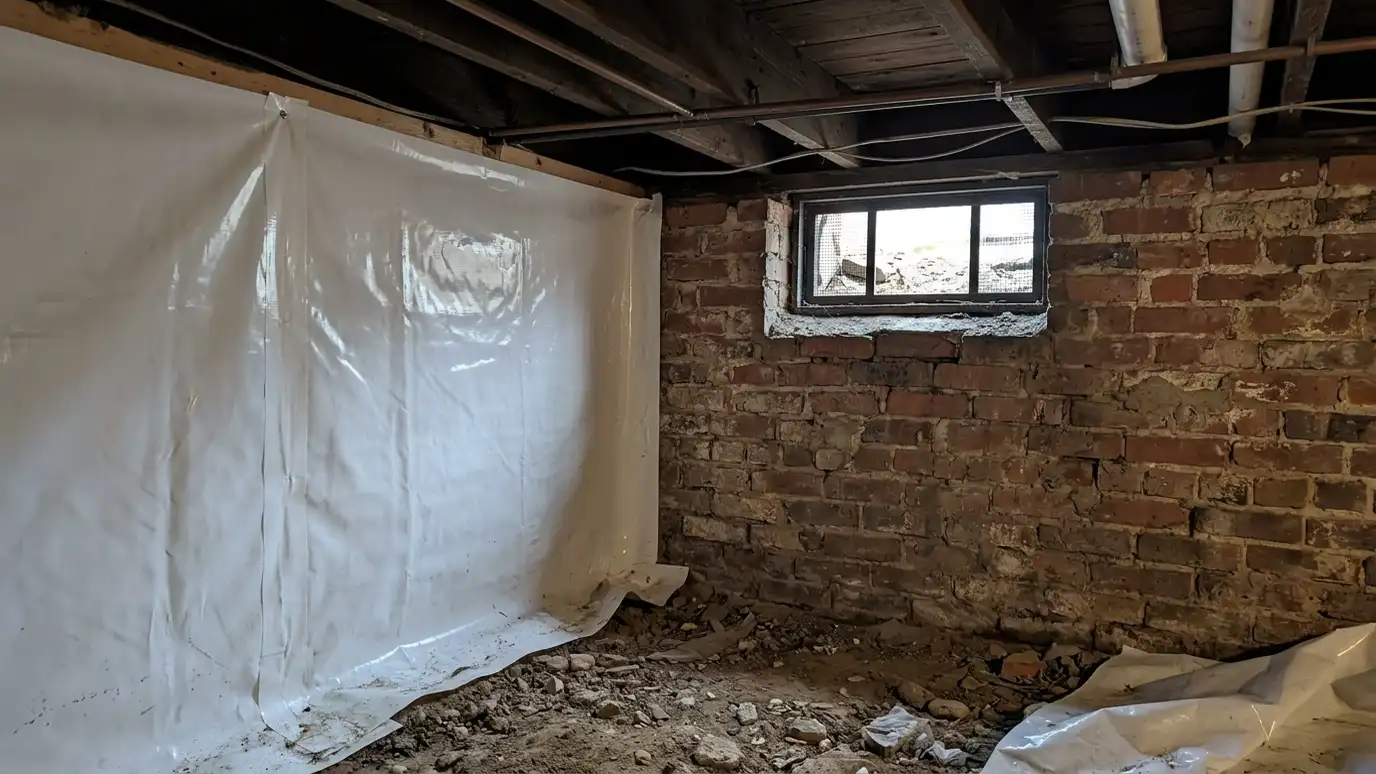 Comparison guideEncapsulation vs VentsHow a sealed, controlled crawl space differs from a vented one in moisture, air movement, insulation and upkeep.Learn more
Call us and describe what you have seen. We will visit, find the source of the water and give you a clear written plan.